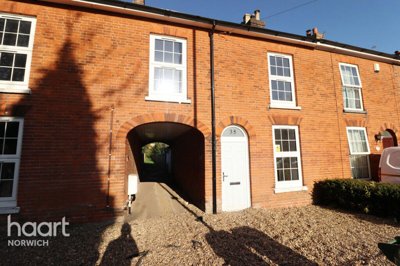
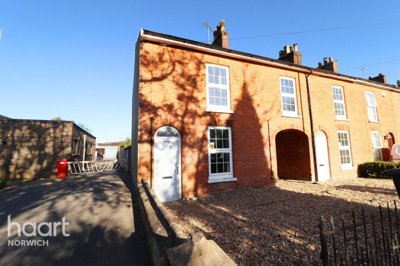
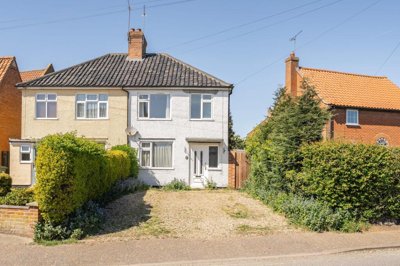
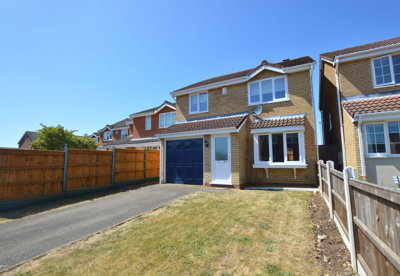
Browse 4 rental homes to rent in Gressenhall, Breckland from local letting agents.
Three bedroom properties represent a significant portion of the Gressenhall housing market, offering space for families with multiple reception rooms and gardens in many cases. Browse detached, semi-detached, and terraced options ranging from period character homes to contemporary developments.
£0/m
0
0
0
Source: home.co.uk
Showing 0 results for 3 Bedroom Houses to rent in Gressenhall, Breckland.
Gressenhall’s rental market sits within the wider Breckland area, and that backdrop has given property values notable support in recent years. Current data puts the average house price in the village at approximately £383,556, with detached homes at around £417,143 and semi-detached homes averaging £320,000. Over the last year, prices in Gressenhall have climbed by 15%, which shows that demand for homes in this appealing rural spot remains firm. Even so, the market is still 23% below the 2022 peak of £497,412, and it continues to appeal to buyers and renters in equal measure.
Rental values in Gressenhall usually track the type and condition of a property, and modern homes, or those recently renovated, tend to achieve higher rents. Much of the village is made up of older period houses built from traditional Norfolk materials, including the distinctive Norfolk Red brick and pantile roofs that define the local streetscape. In the village centre, terraced homes can provide a more affordable way in, with similar sold properties averaging around £212,000, while larger detached houses offer roomy family accommodation. Our listings cover everything from compact cottages to sizeable family homes, so there is choice for renters at different stages of life and across a range of budgets.
A homeownership rate of 75.85% in Gressenhall points to the strength of demand in this sought-after village. In practical terms, that can mean rental homes are harder to come by than many people would like, so early viewings are sensible if a tenancy is the goal. Population change has also been modest, with only slight movement between the 2011 and 2021 Census figures, which speaks to a settled community where new rentals are often taken up quickly by both local residents and people moving in from elsewhere.

Community spirit runs through Gressenhall, alongside a strong link to Norfolk’s rural past. At the centre of that is the much-admired Gressenhall Farm and Workhouse Museum, a major local attraction that brings the agricultural and social history of the region to life through exhibitions and living history events. It does more than educate, too, supporting employment and visitor spending in the village economy. Workshops and seasonal events are held throughout the year, giving residents regular occasions to meet and drawing visitors from across Norfolk and beyond.
Gressenhall’s demographic profile suggests a stable community with a long-standing culture of homeownership and residence. Census data shows only a modest shift over the last decade, with the population edging down from 1,050 in 2011 to 1,032 in 2021. That steadiness reflects the appeal of village life, where people benefit from attractive countryside, good community facilities, and a safe setting suited to families and retirees. A high proportion of homeowners also helps keep the village looking well cared for and reinforces local pride in property standards.
Local businesses in Gressenhall do well because they serve both the village and the surrounding agricultural area, keeping everyday services within easy reach. The settlement sits in the fertile Breckland farming belt, where stony clay loam soils support productive arable land. Farming is part of daily life here, and many residents have a direct link to it, either through work or through the rural way of life the area supports. That mix of community, scenery and practical amenities makes Gressenhall an appealing option for anyone after a calmer pace without losing access to essentials.

Historic architecture is one of Gressenhall’s strongest features, and it shapes both the character of the village and its property market. There are numerous listed buildings here, covering several centuries, among them the striking Church of St Mary, which carries Grade I protected status and dates from the 15th century. Other important heritage properties include Hall Farmhouse, Mill House, and the notable Union House, a former workhouse built in 1777 with Norfolk Red brick and pantile roofs. Together they trace different stages of the village’s growth, and they give Gressenhall a built environment that renters tend to remember.
Gressenhall’s traditional materials tell their own story, rooted in the local geology and centuries of practical building skill. Norfolk Red brick appears in many older homes, and it is said that inmates of the former workhouse scratched their names into the soft brick walls, leaving a moving historical trace. Flint is another familiar material, seen in older buildings and also in newer schemes such as the nearby Shrublands development, where modern bungalows use flint facades that nod to local tradition. Homes built before the 20th century often have solid brick walls rather than modern cavity construction, and many also include clay lump or cob techniques that were common in Norfolk’s clayland areas during the 19th century, especially when brick taxes made alternatives more attractive.
For renters considering period homes, those construction details matter, particularly for insulation, ventilation, and maintenance. Solid wall construction behaves very differently from modern cavity walls, often with distinct moisture movement and thermal performance. The Gressenhall Voluntary Aided School and its adjoining School House are both Grade II listed, which shows how the village’s educational history is preserved in its architecture. When we inspect older rental homes in Gressenhall, we pay close attention to damp, condensation, and structural movement, because age and construction methods can bring issues that deserve early attention.

New development in and around Gressenhall has been limited, but the surrounding area does offer a few modern rental choices. The Shrublands development on Gressenhall Road, between Gressenhall and the neighbouring village of Beetley, is the most significant recent scheme nearby. Clayland Estates developed it, with four-bedroom detached houses and three-bedroom bungalows, and the properties were advertised with flint facades that reflect traditional Norfolk building methods. Compared with older village homes, these properties bring contemporary construction, better energy efficiency, and parking provision.
Affordable housing has also featured in planning discussions across the wider Gressenhall area. A proposed scheme by Hastoe Housing Association for ten affordable rental homes on Bittering Street was withdrawn in December 2024. The reasons given were problems with legal agreements for a footpath connection and viability issues linked to nutrient neutrality requirements. It is a clear sign that demand for affordable rented homes remains, especially for young families and local workers who need to live close to their jobs.
For renters who put modern construction and up-to-date amenities first, nearby towns such as Dereham may offer more choice than the village itself. Dereham lies approximately five miles east of Gressenhall and has seen more active housing development in recent years, which means a wider selection of rental homes, including new-build properties. Still, those who value village character and community may find that the limited rental stock in Gressenhall makes it important to act quickly when the right home appears.

Gressenhall is in the Breckland district and has useful access to Dereham, the market town about five miles to the east, where residents can reach shopping, healthcare and extra transport links. The village sits along the River Nar, which flows through attractive countryside and adds to the scenic feel of the area. Road links from Gressenhall lead towards Norwich, approximately 20 miles to the east, and into the wider Norfolk road network. The A47 trunk road runs nearby, with routes to King's Lynn to the northwest and Norwich to the southeast, and Norwich is usually reachable in approximately 30 minutes by car under normal traffic conditions.
Rail access is available from stations in larger towns within reasonable driving distance, giving connections towards London and other major destinations. Norwich railway station runs services to London Liverpool Street, with journey times of approximately two hours, so day commuting is possible for some people working in the capital. Bus services link Gressenhall with neighbouring villages and towns too, which means residents without a car can still reach essential services and employment, although frequencies are much lower than in urban areas.
Private car ownership is common in this rural part of Norfolk, and most rental homes include parking suited to the size of the property. Cycling is also a practical option for local trips, helped by the flat countryside that makes the terrain manageable for riders of different abilities. Anyone commuting should weigh travel time carefully, especially if the journey is to Norwich or another larger employment centre. The route to Norwich combines country roads and the A47, and peak-time traffic can add to the journey.

Renting in Gressenhall means thinking carefully about a few issues that are specific to this historic Norfolk village and the wider Breckland setting. Homes here range from modern builds to properties that are several centuries old, and each category brings its own strengths and concerns. Older houses can be full of character and often sit in the village centre, but they may need more upkeep and can come with outdated electrics, original single-glazed windows, or period details that need specialist care. A proper inspection before a tenancy begins helps identify maintenance work that should sit with the landlord.
The geology around Gressenhall is worth keeping in mind, especially for homes with gardens or outdoor space. The village stands on clay-rich soils that can shrink and swell during dry weather, which may affect foundations and lead to cracks over time. Across Breckland, fertile stony clay loams support arable farming, but they can also create ground movement beneath properties. Where large trees stand close to buildings, the issue can be more noticeable, as roots draw moisture from the soil in summer. Walls, floors and door frames should be checked for signs of cracking or movement.
Another factor to check is flood risk, because Gressenhall lies on the River Nar and has seen fluvial flooding before. The 2007 Breckland Strategic Flood Risk Assessment recorded flooding events affecting the village, including cases where Wendling Beck overflowed its banks. Surface water flow paths have also been identified during heavier rain. Looking at a property’s flood history and elevation gives useful reassurance before a tenancy starts. Homes on slightly higher ground and away from watercourses usually carry lower flood risk, although that can come with premium rents.
We would begin with our listings for properties to rent in Gressenhall and the surrounding Breckland area. After that, it makes sense to weigh up commute needs, access to local amenities and school proximity if that matters. The village offers a quiet way of life, but the home still needs to suit daily routines and longer-term plans. It also pays to understand the local rental market and the usual tenancy terms before the search properly gets going.
Get in touch with local letting agents to arrange viewings of homes that match the brief. At the viewing, we suggest checking the condition of the property, looking for damp or structural concerns, and taking stock of the general repair standard. Ask about the tenancy terms, the deposit amount and any extra fees before moving ahead. In a village like Gressenhall, where rental homes are limited, being ready to move quickly when the right property appears can make all the difference.
Before any tenancy is committed to, we recommend securing a renting budget agreement in principle from a financial provider. It shows landlords that the application is serious and that the monthly rent can be met. Our partners offer renting budget services that help you understand borrowing capacity and plan the move with clearer figures in mind.
Landlords and letting agents will ask for references from an employer, previous landlords and a credit check. Having all of that ready in advance helps move the application along and can improve the chances of securing a preferred home in this competitive village market. When a suitable property comes up, prepared paperwork can be the thing that gets you there first.
Once an application has been approved, the tenancy agreement should be read carefully before anything is signed. Check the rent amount, the deposit protected scheme details, the lease duration and any specific conditions. At the start of the tenancy, make sure an inventory check report is provided so the deposit is protected at the end as well. It is also wise to photograph any existing damage alongside the inventory, so there is a clear record when the tenancy finishes.
People looking to rent in Gressenhall ought to understand the environmental conditions that can affect homes in this part of Norfolk. The Breckland region has its own weather patterns, with relatively low annual rainfall compared with many other parts of England, but the clay-rich geology beneath it creates particular problems during long dry spells. Clay soils shrink and swell as moisture levels change, and that can lead to subtle movement in a property during summer. Hairline cracks in plasterwork are often cosmetic, though they should still be watched in case they widen.
Flood risk in Gressenhall comes mainly from the River Nar and its tributaries, and records show that the village has flooded from Wendling Beck in the past. The 2007 Breckland Strategic Flood Risk Assessment documented flooding events affecting the village, which is why checking flood assessments matters for any property under consideration. Surface water flooding can also happen during intense rainfall, with flow paths identified through the village during a 1% annual exceedance probability storm. Modern building regulations and property improvements have reduced flood vulnerability in many cases, but the flood history and any mitigation in place still need to be verified.
Ground conditions linked to the underlying geology can affect properties in Gressenhall as well. Clay-rich soils may make some areas more prone to subsidence, particularly where large trees stand close to buildings. During dry periods, trees draw moisture from the soil, the clay shrinks, and foundations can be affected. Signs to look for include cracks in walls, sticking doors or windows, and uneven floors. Good drainage and a slightly elevated position usually mean more stable ground conditions.
There is no separate published rental price data for Gressenhall, but the average house price in the village is approximately £383,556, with detached homes averaging £417,143, semi-detached homes around £320,000, and terraced properties at approximately £212,000. Rental prices usually sit at between 0.8% and 1.2% of the property value each year, so a home valued at £320,000 might command a monthly rent somewhere in the region of £640 to £960. Exact rents depend on the condition of the property, where it sits in the village, the number of bedrooms and the amenities provided. Local letting agents will have the best current figures for homes that match a particular search.
For council tax, properties in Gressenhall fall under Breckland Council’s jurisdiction. Bands run from A to H and are based on the property’s assessed value as of April 1991. The exact band for any rental home depends on its characteristics, and prospective tenants should ask the letting agent or landlord for the precise banding. In Norfolk, Band A properties typically pay around £1,200 a year, while Band D properties may be about £1,600 per year. Unless the tenancy agreement says otherwise, council tax is usually the tenant’s responsibility.
Gressenhall is home to Gressenhall Voluntary Aided School, a primary school in a historic building that is itself listed Grade II, which says plenty about the village’s educational heritage. The school serves families from Gressenhall and the surrounding area, and its building reflects the long-running commitment to education here. For secondary education, pupils usually travel into Dereham, where Northgate High School and Dereham Neatherd High School both serve the surrounding villages. We would always check current Ofsted reports for individual schools and think about school transport arrangements when choosing a rental home for a family with children.
Local bus services connect Gressenhall with Dereham and other nearby settlements, giving residents access to town centre services and facilities. Frequencies are limited compared with urban areas, and weekday and Saturday services make up the main public transport options for people without a car. The nearest railway stations sit in larger towns within reasonable driving distance, opening up links to Norwich and the wider rail network towards London Liverpool Street. Most residents still rely on private vehicles for commuting and bigger shopping trips, and rental homes usually come with parking that is adequate for the property.
For renters, Gressenhall offers a strong quality of life, with a peaceful village setting, close-knit community ties and the Norfolk countryside right on the doorstep. Historic character sits neatly alongside essential local services, which has helped the village keep property values stable through broader market shifts. Residents can enjoy the Gressenhall Farm and Workhouse Museum, walks through the surrounding farmland and community events that bring neighbours together. The homeownership rate of 75.85% speaks to the appeal of the area, and renting can be a good way to experience village life before buying. With Norwich accessible within approximately 30 minutes by car, Gressenhall strikes a good balance between rural calm and access to the city.
In England, rental deposits are capped at five weeks rent where the annual rent is less than £50,000, which covers most residential tenancies. Before viewing properties, we suggest getting a renting budget agreement in principle so the financial picture is clear and landlords can see the seriousness of the application. Tenant referencing usually costs between £100 and £200 depending on the provider, and some letting agents still charge administration fees, although these are now less common following government regulation. Inventory check fees, usually between £100 and £200, protect both tenant and landlord at the start and end of a tenancy. As a rough guide, allow for approximately one month's rent plus deposit plus fees when planning upfront moving costs for a rental home in Gressenhall.
From 4.5%
Work out borrowing capacity before renting in Gressenhall
From £99
Complete reference checks for your rental application
From £350
Book a professional property survey if buying in Gressenhall
From £85
Energy performance certificate for your property
Knowing the financial requirements for renting in Gressenhall makes it easier to budget properly and avoid surprises when a new home is secured. The deposit you pay is protected in a government-approved scheme within 30 days of receipt, which gives both sides security throughout the tenancy. For most rental properties in Gressenhall, expect to pay between four and five weeks rent as a deposit, capped at five weeks where annual rent stays below £50,000. That deposit covers the landlord against damage or unpaid rent at the end of the tenancy, and detailed information about the protected scheme being used should be provided.
There are also several upfront costs beyond the deposit, and first-time renters often miss them. Tenant referencing fees cover credit checks, employment verification and landlord references, with costs varying by provider but usually falling between £100 and £200. Some letting agents charge administration fees for processing the tenancy, although these have become less common after regulatory changes aimed at protecting tenants from excessive charges. An inventory check carried out at the start of the tenancy records the condition of the property and helps guard against incorrect damage claims later on, with professional fees usually ranging from £100 to £200.
We strongly recommend getting a renting budget agreement in principle before starting the property search, because that financial pre-qualification shows landlords that the application is reliable and can strengthen a rental bid in a competitive market. Gressenhall’s high homeownership rate and stable population mean rental homes can attract several interested parties, so careful financial preparation is particularly useful. Allow for approximately one month's rent plus deposit plus fees when working out upfront moving costs, and remember to include any extra spending needed for moving furniture and setting up a new home in this charming Norfolk village.
Properties to Rent In London

Properties to Rent In Plymouth

Properties to Rent In Liverpool

Properties to Rent In Glasgow

Properties to Rent In Sheffield

Properties to Rent In Edinburgh

Properties to Rent In Coventry

Properties to Rent In Bradford

Properties to Rent In Manchester

Properties to Rent In Birmingham

Properties to Rent In Bristol

Properties to Rent In Oxford

Properties to Rent In Leicester

Properties to Rent In Newcastle

Properties to Rent In Leeds

Properties to Rent In Southampton

Properties to Rent In Cardiff

Properties to Rent In Nottingham

Properties to Rent In Norwich

Properties to Rent In Brighton

Properties to Rent In Derby

Properties to Rent In Portsmouth

Properties to Rent In Northampton

Properties to Rent In Milton Keynes

Properties to Rent In Bournemouth

Properties to Rent In Bolton

Properties to Rent In Swansea

Properties to Rent In Swindon

Properties to Rent In Peterborough

Properties to Rent In Wolverhampton

Enter your details to see if this property is within your budget.
Loans, cards, car finance
Estimated property budget
Borrowing + deposit
You could borrow between
Typical borrowing
Monthly repayment
Est. at 4.5%
Loan-to-value
This is an estimate only. Your actual budget may vary depending on interest rates, credit history, and personal circumstances. For an accurate affordability assessment, speak to one of our free mortgage advisors.
This calculator provides estimates for illustrative purposes only and does not constitute financial advice. Your home may be repossessed if you do not keep up repayments on your mortgage. Estimates based on 4.5% interest rate, repayment mortgage. Actual rates depend on your circumstances.
Homemove is a trading name of HM Haus Group Ltd (Company No. 13873779, registered in England & Wales). Homemove Mortgages Ltd (Company No. 15947693) is an Appointed Representative of TMG Direct Limited, trading as TMG Mortgage Network, which is authorised and regulated by the Financial Conduct Authority (FRN 786245). Homemove Mortgages Ltd is entered on the FCA Register as an Appointed Representative (FRN 1022429). You can check registrations at NewRegister or by calling 0800 111 6768.

We use cookies to show you personalised content and improve your experience of our website. Find out more in our Privacy policy and Cookie policy.