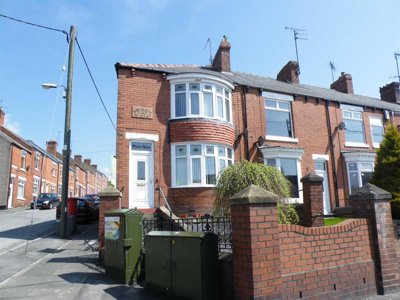
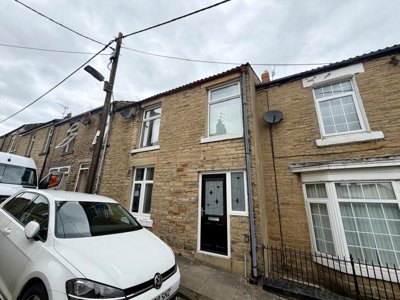
Browse 2 rental homes to rent in Greater Willington from local letting agents.
Three bedroom properties represent a significant portion of the Greater Willington housing market, offering space for families with multiple reception rooms and gardens in many cases. Browse detached, semi-detached, and terraced options ranging from period character homes to contemporary developments.
In Greater Willington, the rental market follows the wider pattern we see across County Durham, with terraced homes usually attracting lower rents than detached and semi-detached properties. Recent market analysis puts average property prices at £138,259, with terraced homes at about £95,043 and semi-detached properties around £127,634. For renters, that gap matters, as it opens up options across the board, from old mining-era terraces to larger family houses that would cost a good deal more in nearby Durham or Newcastle.
Greater Willington sits within the DL15 postcode area, along with Crook, Hunwick and the surrounding villages, and price movement there has been a bit uneven in recent years. home.co.uk data shows sold prices were around 6% down on the previous year in some periods, although other sources point to more recent rises. For tenants, though, the rental side still offers decent value if space and character matter more than the higher prices seen in bigger regional centres. We keep an eye on local rental listings so we can point you towards the strongest options as they appear.
Westward Green by Avant Homes on Monarch Way is one of the area’s better-known developments, with contemporary 2, 3, 4, and 5-bedroom houses priced from £155,000 to £275,000. These homes are mainly for sale, but similar newer schemes do sometimes come up for rent as the market shifts. In February 2024, plans were also submitted to Durham County Council for up to 20 homes on land east of Ashfield Drive, Durham Road, with one, two, and three-bedroom dwellings and three affordable homes included. That steady development activity across DL15 points to continued investment in local housing, which can only help renters looking for modern accommodation.

Greater Willington has a strong industrial past, and that history still shapes the village today. It began as a small settlement, then grew quickly during the coal mining boom of the 19th century, when the population jumped from just 258 residents in 1841 to 965 by 1851 as miners and their families arrived in search of work. The legacy is plain to see in the characterful terraced housing built for mining workers, much of which remains in place beside newer homes. There is still a clear sense of community here, with traditional pubs and village facilities giving renters an atmosphere that is harder to find in larger towns and cities.
The built form of Greater Willington tells the story of how the village has changed over time. The oldest homes tend to be built from stone walling with natural slate roofs, which reflects pre-industrial craftsmanship before building methods sped up. As the village expanded through the Victorian era and into the 20th century, red brick became more common, alongside render finishes and grey or terracotta artificial roof tiles. Post-war public housing estates also add to the mix, giving renters another set of options within a village setting. The result is a streetscape with real variety, where different parts of the village have their own feel.
Beyond its mining story, the wider Willington and Hunwick Ward contains a number of listed buildings that underline the area’s historical importance. Willington Hall, a Grade II listed building from the mid to late 18th century, may even incorporate an earlier structure, with deeds from 1640, and it has painted rough render with ashlar dressings and a Welsh slate roof. The Church of St Stephen, built in 1857 and extended in 1868, remains a key local landmark, while the Willington, Oakenshaw, and Page Bank War Memorial Cross sits by the entrance to Willington Park. For renters, being close to those heritage assets adds something special, with preserved green space and old character that new-build areas cannot quite match.

Families looking to rent in Greater Willington will find local education provision within reach. The village sits within County Durham’s education catchment system, and there are primary schools in the surrounding area for younger children. Before committing to a tenancy, we suggest checking the current school catchments and Ofsted ratings, because catchment lines can affect where children are placed. Our team can talk you through the general areas served by different primary schools in the DL15 postcode.
Secondary schools are available in nearby towns such as Bishop Auckland and Crook, and regular bus services link Greater Willington into the wider County Durham network. Routes such as the X93 and other local buses can work for the school run, though families should check live timetables and route details with transport operators. For older children, it pays to look at admissions criteria and travel plans before you settle on a rental, as that makes the move much easier for everyone involved.
The Church of St Stephen in Willington, built in 1857 and extended in 1868, is one of the village’s most recognisable landmarks, and it also speaks to the area’s long association with education and spiritual life. Sixth form and further education options are available at colleges in Bishop Auckland and other County Durham towns, reached through the local transport network. For families renting here, it is sensible to look at school catchments and Ofsted ratings before you commit, since those boundaries can affect placement and some schools may have waiting lists for certain year groups.

Road links and local buses sit at the centre of transport in Greater Willington, connecting the village to nearby towns and employment centres. The A688 trunk road gives direct access to Bishop Auckland to the west and joins the wider County Durham road network heading east towards Durham City. If you need to travel further, the A688 also links to the A1(M), putting Newcastle upon Tyne within a reasonable drive for people working in the region. Bus services run through the village too, taking residents to nearby towns for work, shopping and leisure during the week.
For commuters heading to Durham City or Newcastle upon Tyne, Greater Willington is well placed, with decent road access to both major employment centres and the lower costs that come with village living. By car, Durham City is usually around 25-30 minutes away, while Newcastle often takes about 45-60 minutes, depending on traffic. That makes the village a more affordable base than the cities themselves, without forcing a punishing commute. Parking is generally easier here than in urban areas too, which matters if you own a car and would rather avoid city-centre charges.
Cycling is also part of the picture around Greater Willington, with routes available for shorter trips and day-to-day journeys. The ground is fairly flat, so local cycling is practical, and the surrounding countryside gives riders somewhere more leisurely to head at weekends. For renters weighing up transport, the mix of road access, bus services and decent parking makes the village a sensible choice for people who need to travel for work but want a quieter home life.

To get started, speak to rental budget providers and ask for an agreement in principle before you view properties. It gives you a realistic figure to work with and shows estate agents and landlords that you are financially ready to move quickly when the right Greater Willington property comes up.
Take time to look at different parts of Greater Willington so you can find the area that fits how you live. Think about schools if you have children, transport if you commute, local shops and pubs, and the housing mix in each pocket of the village, from Victorian terraces through to newer developments.
We recommend contacting local estate agents and landlords to arrange viewings of available rental properties in the DL15 area. Make notes as you go, and ask about lease terms, appliances included with the property, and any rules on pets or smoking that might affect your choice. Our team can put you in touch with local letting agents who know what is on the market right now.
Before you sign anything, read the tenancy agreement carefully and take in the rent amount, deposit amount, lease length and the landlord’s responsibilities for maintenance and repairs. It is a legally binding document, so ask for clarification on any point that is not clear before you commit.
Your landlord will carry out tenant referencing checks to confirm identity, employment status and rental history. Have references from previous landlords and employers ready in advance, as that can speed things along. You should also budget for referencing fees, which usually sit between £49 and £150 depending on the provider and the number of tenants being checked.
After referencing is finished and the deposit has been protected in a government-approved scheme within 30 days of receipt, you can set a move-in date and collect the keys to your new Greater Willington home. We also advise a full inventory check at the start of the tenancy so the property’s condition is properly recorded for both sides.
Renting in Greater Willington does come with a few points that are shaped by the village’s older housing stock and local conditions. Plenty of homes date from the Victorian and Edwardian periods and were originally built for coal mining workers, so we suggest paying close attention to windows, doors and any original features. Period properties can offer real charm and good value, but landlords may need to give insulation and draught proofing more attention. During viewings, check whether the windows are single or double glazed, and ask about any planned energy-efficiency improvements.
Listed buildings such as Willington Hall and the Church of St Stephen underline the historical importance of parts of Greater Willington. If you rent near these heritage assets, remember that planning restrictions may affect exterior changes to nearby properties. For older homes in particular, a thorough inventory check at the start of the tenancy is worth asking for, as it protects both you and the landlord by recording the condition of fixtures and fittings. We like that done before belongings go in, while everything is still easy to see.
We could not find specific flood risk information for Willington in the available research data, but renters in England should still ask landlords about any previous flooding and check the government’s flood risk mapping tools. Low-lying properties near watercourses deserve extra scrutiny, and it is wise to be clear about insurance responsibilities for flood damage during the tenancy. In County Durham, as elsewhere, a property’s flood history and current risk assessment are worth knowing before you make a decision.

Although rental pricing in Greater Willington varies depending on the source, the sales market gives a useful guide, with average property prices at £138,259 across all property types, terraced homes at £95,043, semi-detached properties at £127,634, and detached homes reaching £226,712 according to recent home.co.uk listings data. Rents are usually below those purchase figures and will depend on size, condition and where the property sits in the village. We suggest speaking to local estate agents in the DL15 area for current rental listings and up-to-date prices, because rents tend to move more quickly than sale values.
For council tax, properties in Greater Willington fall under Durham County Council, whose offices are in Durham City. The local bands run from A to H, and most terraced and semi-detached homes usually sit in bands A through C, which are among the lowest council tax rates in England. The actual band depends on valuation, so you can check the specific band for any rental property on the Valuation Office Agency website or ask the landlord or letting agent before you sign the tenancy agreement.
Local primary schools serve Greater Willington itself and the surrounding DL15 postcode area, while secondary schools in Bishop Auckland and Crook are reachable by regular bus routes. The village also has a historical link to faith-based education through places such as the Church of St Stephen, built in 1857 for the growing mining community. For the latest on school performance and catchment areas, prospective renters should read the most recent Ofsted reports and Durham County Council’s school admission policies, as these can affect children of all ages.
Bus services connect Greater Willington with nearby towns such as Bishop Auckland and Crook, and larger towns give access to wider public transport links. The A688 trunk road runs through the village and gives direct road access to employment centres and amenities across County Durham. If you work in Durham City or Newcastle, having a car is often useful, especially for irregular hours or when flexibility matters, though transport logistics still need a bit of thought when you choose to rent here.
For renters looking for affordable County Durham accommodation, Greater Willington is a strong option, with a close-knit village community and easy access to the North East countryside. The area mixes mining heritage with useful road links to larger towns and cities. Families will find a supportive setting, local amenities and facilities, and developments such as Westward Green on Monarch Way show that investment in the housing stock is still going on. It suits people who prefer community-led living to a city setting, while staying within reasonable reach of major employment centres.
In Greater Willington, the usual security deposit is five weeks' rent, and it has to be protected in a government-approved deposit protection scheme within 30 days of receipt. A holding deposit may also be asked for while referencing is carried out, and under the Tenant Fees Act 2019 it is normally capped at one week's rent. Referencing fees vary by provider, and we would also budget for inventory check costs, which generally range from £75 to £200 depending on property size. If you are a first-time renter in England, there is no stamp duty on residential leases, and that applies to renters everywhere in the UK.
The rental market in Greater Willington reflects the village’s varied housing stock, so there is a good mix of property types on offer. Victorian and Edwardian terraces, many originally built for coal mining workers, remain popular because they bring character and fairly reasonable prices. Post-war semi-detached homes give families more room, while some newer schemes in the DL15 area offer modern living. Renting here lets tenants enjoy the village’s older housing without taking on a mortgage, which suits people wanting to try village life before buying in the area.
From 4.5%
Get a rental budget agreement in principle before you apply.
From £49
Complete referencing checks required by landlords
From £75
Document property condition at start and end of tenancy
From £85
Energy performance certificate for your rental property
It helps to know the costs of renting in Greater Willington before you start, so your budget stays realistic and there are no nasty surprises later on. The standard security deposit asked for by landlords is five weeks' rent, and it must be protected in one of three government-approved schemes, the Deposit Protection Service, MyDeposits, or the Tenancy Deposit Scheme. That protection means you should get your deposit back at the end of the tenancy, less any legitimate deductions for damage or unpaid rent. Your landlord must protect the deposit within 30 days of receiving it and give you prescribed information about where it is held.
Budgeting for the extras matters too, as tenant referencing fees usually run from £49 to £150 depending on the provider and the number of tenants being checked. An inventory check at the start and end of the tenancy generally costs between £75 and £200, depending on the property size and the provider. Some landlords may also ask for a holding deposit to take the home off the market while referencing is completed, and that is capped at one week's rent under the Tenant Fees Act 2019 and is usually set against your first month's rent or security deposit.
Before you commit to a rental property in Greater Willington, a rental budget agreement in principle shows landlords that you have been financially assessed and can afford the rent. Much like a mortgage agreement in principle, it strengthens your position as a tenant and can help your application move faster in competitive rental situations. The process involves a basic financial check and gives you a realistic budget figure to guide your search across the village’s different neighbourhoods and the property types available in the DL15 postcode area.
Properties to Rent In London

Properties to Rent In Plymouth

Properties to Rent In Liverpool

Properties to Rent In Glasgow

Properties to Rent In Sheffield

Properties to Rent In Edinburgh

Properties to Rent In Coventry

Properties to Rent In Bradford

Properties to Rent In Manchester

Properties to Rent In Birmingham

Properties to Rent In Bristol

Properties to Rent In Oxford

Properties to Rent In Leicester

Properties to Rent In Newcastle

Properties to Rent In Leeds

Properties to Rent In Southampton

Properties to Rent In Cardiff

Properties to Rent In Nottingham

Properties to Rent In Norwich

Properties to Rent In Brighton

Properties to Rent In Derby

Properties to Rent In Portsmouth

Properties to Rent In Northampton

Properties to Rent In Milton Keynes

Properties to Rent In Bournemouth

Properties to Rent In Bolton

Properties to Rent In Swansea

Properties to Rent In Swindon

Properties to Rent In Peterborough

Properties to Rent In Wolverhampton

Enter your details to see if this property is within your budget.
Loans, cards, car finance
Estimated property budget
Borrowing + deposit
You could borrow between
Typical borrowing
Monthly repayment
Est. at 4.5%
Loan-to-value
This is an estimate only. Your actual budget may vary depending on interest rates, credit history, and personal circumstances. For an accurate affordability assessment, speak to one of our free mortgage advisors.
This calculator provides estimates for illustrative purposes only and does not constitute financial advice. Your home may be repossessed if you do not keep up repayments on your mortgage. Estimates based on 4.5% interest rate, repayment mortgage. Actual rates depend on your circumstances.
Homemove is a trading name of HM Haus Group Ltd (Company No. 13873779, registered in England & Wales). Homemove Mortgages Ltd (Company No. 15947693) is an Appointed Representative of TMG Direct Limited, trading as TMG Mortgage Network, which is authorised and regulated by the Financial Conduct Authority (FRN 786245). Homemove Mortgages Ltd is entered on the FCA Register as an Appointed Representative (FRN 1022429). You can check registrations at NewRegister or by calling 0800 111 6768.

We use cookies to show you personalised content and improve your experience of our website. Find out more in our Privacy policy and Cookie policy.