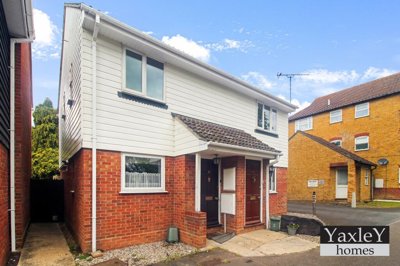
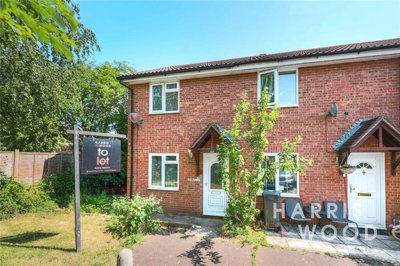
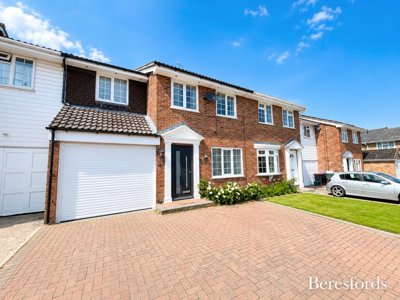
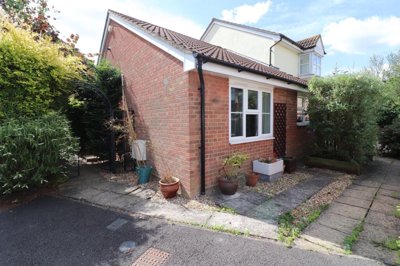
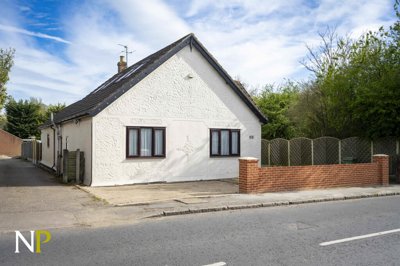
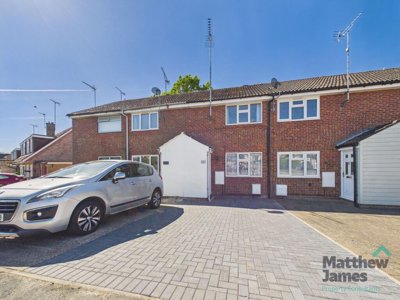
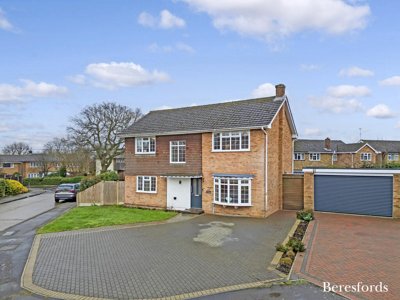
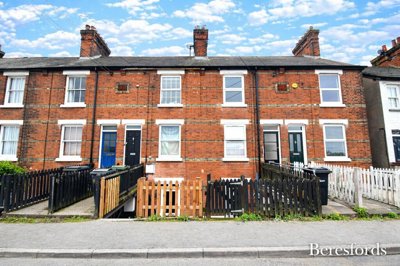
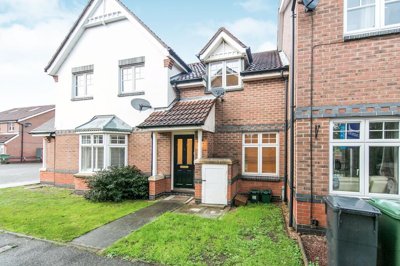
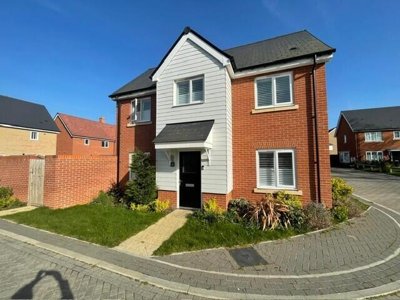
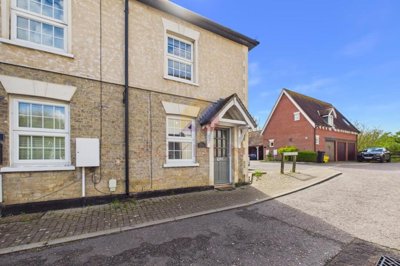
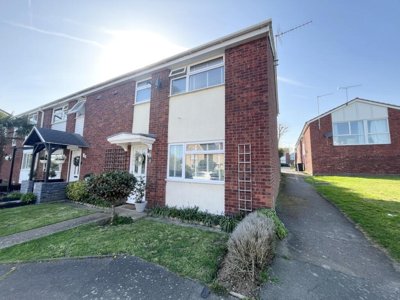
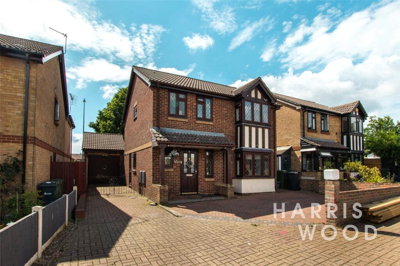
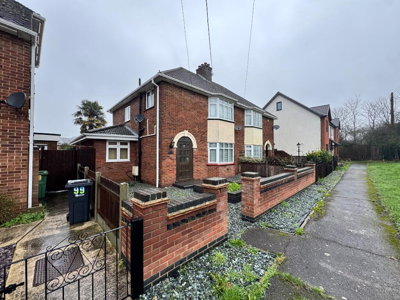
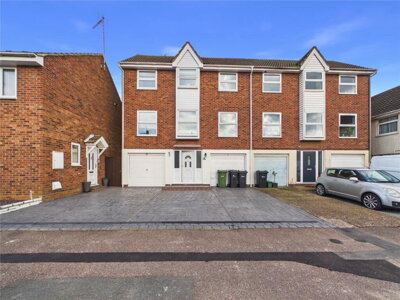
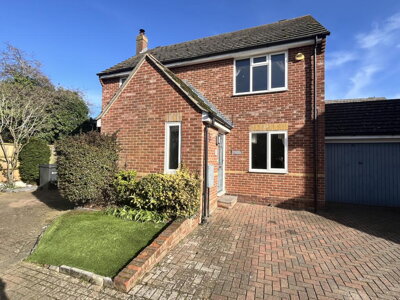
Browse 17 rental homes to rent in Great Braxted from local letting agents.
The Great Braxted property market offers detached, semi-detached, and terraced houses spanning various price ranges and neighbourhoods. Each listing includes detailed property information, photographs, and direct contact with the marketing agent.
Great Braxted’s rental market feels much like the village itself, small, selective and centred on traditional family homes. Larger towns may be heavy on flats and terraces, but here detached and semi-detached houses dominate, matching the wider housing mix where detached homes make up 60-70% of all stock. For renters, that often means more space, bigger gardens and a setting that is hard to find in more urban markets. Detached properties average £625,000, semi-detached homes £450,000 and terraced properties around £350,000, which says plenty about the premium attached to the area.
Prices have kept edging up in Great Braxted, with a 12-month rise of 4.2% as of February 2026, so demand remains steady in this attractive village. Fifteen property sales completed in the past year, a solid level for such a small place, points to an active local market. Competition can be sharp, especially from commuters and people after a rural escape, and spring and summer tend to be the busiest periods. With only a limited number of rentals available at any one time, it pays to move fast when something suitable appears.
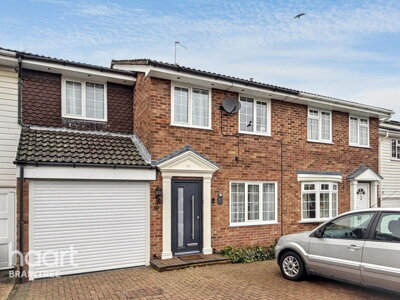
Much of the rental stock in Great Braxted is built in a traditional style, usually red brick with rendered or timber-clad sections and clay or concrete tile roofs. A fair number of homes are older, with many dating from before 1919, especially in the Conservation Area around St. Peter's Church, although inter-war, post-war and post-1980 properties are also part of the picture. That gives renters a choice between solid wall Victorian cottages and cavity wall mid-century semis, each with its own quirks, charm and maintenance needs.

Community life in Great Braxted is rooted in tradition and the rural landscape of Essex. With around 700-800 residents living in 300-350 households, it keeps an intimate scale where people know each other and local events help build a real sense of belonging. The village’s Conservation Area designation reflects its architectural and historic interest, and the historic core includes properties that go back centuries. St. Peter's Church sits at the centre of village life, while old farmhouses and cottages add to the settled, timeless feel. That careful preservation has helped Great Braxted keep its character intact.
Much of the local economy is shaped by the countryside, with agriculture and small businesses providing the main source of employment. Yet the village also suits commuters, thanks to its proximity to the A12 and the railway station at Witham. People travel daily to Witham, Maldon, Chelmsford and even London, so they can enjoy quiet evenings in the village and urban work opportunities during the day. Farms and local firms offer some jobs closer to home, and Witham brings supermarkets, high street shops and healthcare facilities within a short drive.
The surrounding Essex countryside gives residents plenty of scope for walking and other outdoor pursuits, with routes running through farmland and along lanes. The nearby River Blackwater adds another scenic layer, and because the village sits away from major through-roads, traffic stays light and the atmosphere remains calm. For anyone after a break from urban density, Great Braxted offers a proper rural setting where life slows down a little and neighbourly ties matter. It is built on London Clay geology, so some ground movement is possible, though properly constructed homes generally cope well with that.

Families looking to rent here should be aware that Great Braxted has very limited educational provision within the village itself, with no primary or secondary school on the doorstep. The nearest primary schools are in surrounding villages and towns, with the closest options reached by short journeys to places such as Witham, Kelvedon or Tiptree. School size and provision vary, so it makes sense to check catchment areas and admissions criteria well before securing a rental. Transport for the school run also needs thought, because bus services run to limited rural timetables.
Older pupils usually travel to secondary schools in Witham, Maldon or Colchester, where there is a mix of options including grammar schools for academically selective children. Witham has several secondary choices, including comprehensive and academy provision, while Maldon adds more within the district. By car, the journey times from Great Braxted are manageable, though public transport can need careful planning, especially for early starts and after-school clubs. We would always suggest checking school performance data, Ofsted ratings and admission policies for any preferred school, as places at popular schools can be hard to secure.
Sixth form and further education are available in the nearby larger towns, particularly Chelmsford and Colchester, both of which have strong college provision and a wide spread of A-level and vocational courses. For higher education, the University of Essex in Colchester and Anglia Ruskin University in Chelmsford are within reasonable commuting distance for older students. For families with younger children, the absence of a village primary school means childcare and school-run logistics need planning from the start. Some choose to rent nearer their preferred school during primary years, then move into village life once education is settled.

Position-wise, Great Braxted balances rural calm with useful transport links. It sits close to the A12, Essex's main route linking Colchester to London and passing through places such as Witham, Chelmsford and Brentwood. That makes driving to larger employment centres straightforward, although peak-hour journeys can stretch, especially on the A12 approach to the M25. The A12 also connects directly to the M25 motorway network, which opens up Greater London and beyond. From Great Braxted, Chelmsford is approximately 20 minutes by car, Witham around 10 minutes, and Central London can be reached in under an hour.
For rail users, Witham railway station is the nearest mainline stop and offers regular trains to London Liverpool Street in approximately 40-50 minutes. That is a strong draw for commuters who want village living without giving up access to the capital. Southminster line services also run from Witham, linking to destinations across Essex including Southminster, Wickford and Rayleigh. Parking is available at the station, though spaces can go quickly during the morning rush. If you do not have a car, the trip from Great Braxted to Witham station usually means a bus connection or a cycle along the fairly flat Essex lanes.
Bus services are sparse, which is exactly what you would expect in a rural setting like this, so anyone without a car should build that into their travel plans. The 71 bus service links Great Braxted with Witham and Maldon hourly during the day, although evening and weekend services are much reduced. Cycling works for shorter trips to nearby towns, helped by the relatively flat Essex landscape. National Cycle Route 51 passes through the region too, giving traffic-free options for some journeys. Many residents make the mix work by cycling to Witham station, working from home a few days a week and planning shopping and appointments in advance.

Start with a rental budget agreement in principle so you know what sort of rent sits comfortably within reach. In Great Braxted, the main stock is family-sized detached and semi-detached homes, so the budget needs to match the property size you are after. With average property values around £625,000, larger homes can command substantial rents, and having a clear ceiling before viewings keeps the search focused on places you can actually take.
Once the budget is in place, speak to local estate agents and property management companies to arrange viewings for available rentals. Because this is a small village with few properties coming up, speed matters when a suitable home appears. We would register with several agents so you hear about new listings as soon as they go live, since desirable homes in Great Braxted can attract multiple applications within days of appearing online.
Expect landlords to ask for tenant referencing, covering your credit history, employment status and previous landlord references. Sorting those checks early can save time later. In a market like Great Braxted, being ready with paperwork before you find a property can put you ahead of applicants who are starting from scratch. Employment references should confirm salary and length of service, while landlord references should show that you have been a reliable tenant in previous homes.
Because so many homes in Great Braxted are older and the local geology includes London Clay, it is wise to arrange a professional inventory check at the start of the tenancy. That gives both sides a clear record of the property’s condition before you move in, including any pre-existing damage or wear that should not be charged to your deposit later. The check ought to cover walls, floors, fixtures, fittings and any garden areas.
Take time over the tenancy agreement, checking the length of the tenancy, the rent amount, the deposit amount and any clauses tied to the property itself. In a Conservation Area, there can be extra restrictions on external changes, including windows, doors and paint colours. The agreement should also be clear about who handles the garden, boiler servicing and minor repairs, because that can differ from one tenancy to the next.
After the checks are complete and everything is signed, you can move into your Great Braxted home. Utility accounts need setting up, post should be redirected and the local area is worth getting to know. We would contact Maldon District Council to set up the council tax account, then arrange meter readings with gas, electricity and water suppliers. Joining local groups and turning up at village events is a good way to meet neighbours and settle into this close-knit place.
Renting in Great Braxted means thinking carefully about issues that are specific to a rural Essex village. One of the biggest is the geology, because the area is largely underlain by London Clay, a high plasticity clay with moderate to high shrink-swell risk. The ground can expand when wet and contract in dry spells, which can affect foundations over time. It is sensible to ask about foundation depth, nearby trees and any history of subsidence or structural movement. Newer homes may be built with these risks in mind, but older properties need extra care.
Flood risk is another point worth checking in Great Braxted. The River Blackwater runs near the village, so properties close to the watercourse may face fluvial flood risk. Surface water flooding can also affect low-lying areas in heavy rain, as it does in many rural parts of Essex. Before committing to a tenancy, renters should ask about flood history and check Environment Agency flood risk maps. Buildings and contents insurance should be reviewed for flood cover, and tenants need to understand their responsibilities if water ingress or damp appears.
The Conservation Area status brings its own set of considerations. Homes within it may have restrictions on alterations to windows, doors, roofing materials and the external look of the property. Any planned changes may need planning permission from Maldon District Council, and some works may not be allowed at all. Renters should be clear with landlords about what is permitted during the tenancy. The village also includes listed buildings, so some properties may carry extra heritage protections and need specialist surveys and consents before alterations. Traditional building methods, such as solid brick walls, lime mortar and original timber features, are common and need proper knowledge to maintain.
During viewings in Great Braxted, we would pay close attention to roofs, especially on older homes where tiles may have slipped, felt may have failed or lead flashing may be letting water in. Electrical wiring and plumbing in pre-1980s properties often fall short of current standards and may need updating, so ask when the systems were last renewed and whether any recent works have been done. Damp is another thing to spot early, whether it is rising damp, penetrating damp or condensation-related, particularly in older properties with weaker damp-proof courses or ventilation.

There is no public rental price data recorded specifically for Great Braxted, but the market is clearly shaped by larger detached and semi-detached homes, with values averaging around £625,000 for detached properties and £450,000 for semi-detached homes. That suggests rental prices are likely to sit at the premium end for family-sized homes in a desirable rural location, with semi-detached homes generally renting for less than detached ones. Prices comparable to similar villages in the Maldon and Witham area are a fair guide, though the final rent will depend on size, condition, number of bedrooms and garden space. For current figures, local estate agents managing rentals in the village are the best place to ask.
Maldon District Council sets council tax bands in Great Braxted, and the band depends on the property’s value and type. The village includes historic cottages, period farmhouses and more modern family houses, so the bands range from Band B through to Band G. Larger detached homes with higher values usually sit in the higher bands, while smaller period cottages may be lower down. Before agreeing to rent, ask for the exact council tax band, because it forms part of your monthly outgoings alongside rent, utilities and contents insurance.
There is no school within the village boundaries, so children living in Great Braxted need to travel to schools in nearby towns and villages. Primary choices include schools in Witham, Kelvedon and other nearby settlements, and parents should check catchment areas and admissions criteria well before securing a property. Secondary options are available in Witham, Maldon and Colchester, with comprehensive schools and grammar schools among them. Families should look at school performance data using official comparison websites and think through journey times, because school transport will shape the daily routine.
Transport by public means is limited in Great Braxted, reflecting the village’s small scale and rural feel, so anyone without private transport should think it through carefully before taking a tenancy. Witham railway station is the nearest mainline service and is a short drive or bus ride away, with regular trains to London Liverpool Street in approximately 40-50 minutes and links to Southminster, Wickford and Chelmsford. Bus services to surrounding villages and towns run on restricted timetables, usually hourly or less often, with evenings and weekends reduced. Residents without a car need to plan carefully for commuting, shopping and the day-to-day reality of sparse bus provision.
For anyone after peace, countryside and a proper village setting, Great Braxted offers a strong quality of life. The Conservation Area helps preserve the village’s historic character and architectural heritage, while the community spirit makes newcomers feel welcome. It suits commuters working in London or across Essex who can use Witham station, families able to manage school transport, and people who prefer countryside walks and outdoor recreation to the pace of urban life. The trade-off is limited local amenities, a need for private transport for most services, and the usual rural limits on shopping and entertainment. Homes here are usually larger family properties rather than flats, so it is not the obvious fit for those after smaller, lower-maintenance accommodation.
When renting in Great Braxted, expect to pay a security deposit equal to five weeks' rent, held in a government-approved deposit protection scheme under the Tenancy Deposit Protection regulations that came into effect in 2007. Tenant referencing fees, background checks including credit history and employment verification, and right-to-rent verification are standard, although the way they are charged varies between agents and landlords, with some bundling them into administration fees and others billing tenants directly. In a competitive local market, it is sensible to have your finances and references ready before viewings so you do not lose out to better prepared applicants.
Older homes and London Clay together mean there are some common defects to watch for in Great Braxted. Damp can show up as rising damp where damp-proof courses are weak, penetrating damp where external render or roof coverings have failed, or condensation where ventilation is poor. Subsidence and heave can happen when clay soils shrink in dry weather or expand when wet, especially in properties with shallow foundations or large trees close by drawing moisture from the ground. Other issues in older houses include worn roof tiles and flashing, outdated wiring that may no longer meet current standards, and timber problems such as woodworm or rot in structural members. A professional inventory check at the start of the tenancy records existing faults so you are not blamed for them later.
From 4.5%
Expert guidance on how much you can afford to spend on rent
Expert Referencing
Credit checks, employment verification and landlord references, all handled professionally.
From £75
Energy Performance Certificate for your rental property
Expert Report
A clear record of the property’s condition, prepared to protect your deposit.
Budgeting for a tenancy in Great Braxted means looking beyond the rent figure itself. The security deposit, typically equal to five weeks' rent, is the biggest upfront cost and has to be protected in a government-approved scheme under the Tenancy Deposit Protection regulations. That protects the money during the tenancy and means it must be returned in full within ten days of both parties agreeing the return amount at the end. Because properties here are on the premium side, deposits for family-sized homes can be sizeable, so it helps to plan for that well in advance.
Tenant referencing fees usually cover credit checks, employment verification and landlord reference checks, and the cost can range from around £50 to £150 depending on how detailed the checks are. Some letting agents fold those costs into administration fees, which themselves can sit between £100 and £300, while others charge them separately. Right-to-rent checks, which confirm your legal right to rent in the UK under immigration rules, are required by law and are normally free with reputable agents. There may also be administration charges for setting up the tenancy, fees for amending the agreement during the tenancy and late rent charges if they apply. First-time renters may qualify for certain reliefs on related costs, subject to eligibility.
For a rental budget in Great Braxted, it is sensible to allow for the costs that sit above rent and council tax. Gas, electricity and water bills can be higher in the older housing stock, where insulation is often less effective and boilers are more dated than in newer homes. Broadband and telephone costs depend on the provider, although rural areas can have fewer options than towns. Contents insurance is strongly recommended and is usually inexpensive, while some tenancies place minor repairs on the tenant, which can bring extra maintenance costs. An Energy Performance Certificate, checked before or soon after moving in, helps show the property’s energy efficiency rating, and homes rated D or below are likely to cost more to run.
Properties to Rent In London

Properties to Rent In Plymouth

Properties to Rent In Liverpool

Properties to Rent In Glasgow

Properties to Rent In Sheffield

Properties to Rent In Edinburgh

Properties to Rent In Coventry

Properties to Rent In Bradford

Properties to Rent In Manchester

Properties to Rent In Birmingham

Properties to Rent In Bristol

Properties to Rent In Oxford

Properties to Rent In Leicester

Properties to Rent In Newcastle

Properties to Rent In Leeds

Properties to Rent In Southampton

Properties to Rent In Cardiff

Properties to Rent In Nottingham

Properties to Rent In Norwich

Properties to Rent In Brighton

Properties to Rent In Derby

Properties to Rent In Portsmouth

Properties to Rent In Northampton

Properties to Rent In Milton Keynes

Properties to Rent In Bournemouth

Properties to Rent In Bolton

Properties to Rent In Swansea

Properties to Rent In Swindon

Properties to Rent In Peterborough

Properties to Rent In Wolverhampton

Enter your details to see if this property is within your budget.
Loans, cards, car finance
Estimated property budget
Borrowing + deposit
You could borrow between
Typical borrowing
Monthly repayment
Est. at 4.5%
Loan-to-value
This is an estimate only. Your actual budget may vary depending on interest rates, credit history, and personal circumstances. For an accurate affordability assessment, speak to one of our free mortgage advisors.
This calculator provides estimates for illustrative purposes only and does not constitute financial advice. Your home may be repossessed if you do not keep up repayments on your mortgage. Estimates based on 4.5% interest rate, repayment mortgage. Actual rates depend on your circumstances.
Homemove is a trading name of HM Haus Group Ltd (Company No. 13873779, registered in England & Wales). Homemove Mortgages Ltd (Company No. 15947693) is an Appointed Representative of TMG Direct Limited, trading as TMG Mortgage Network, which is authorised and regulated by the Financial Conduct Authority (FRN 786245). Homemove Mortgages Ltd is entered on the FCA Register as an Appointed Representative (FRN 1022429). You can check registrations at NewRegister or by calling 0800 111 6768.

We use cookies to show you personalised content and improve your experience of our website. Find out more in our Privacy policy and Cookie policy.