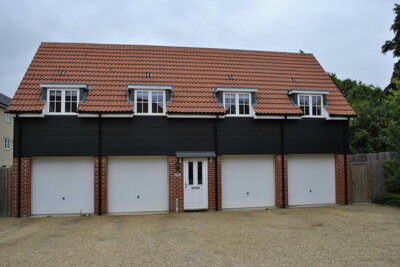
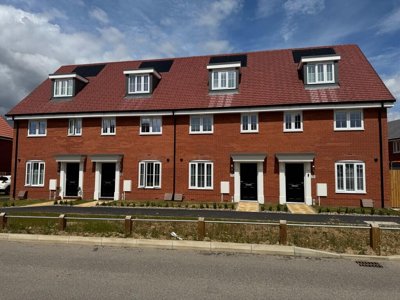
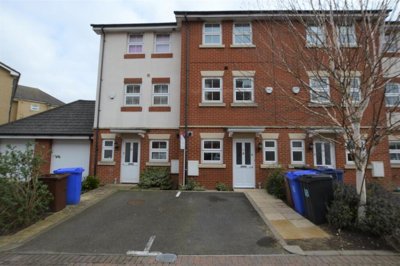
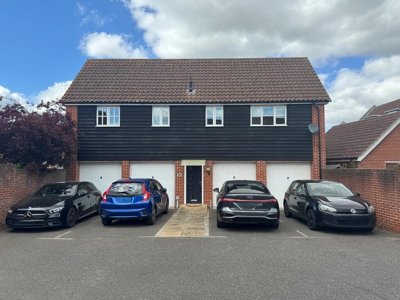
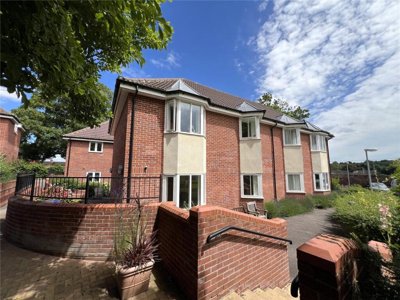
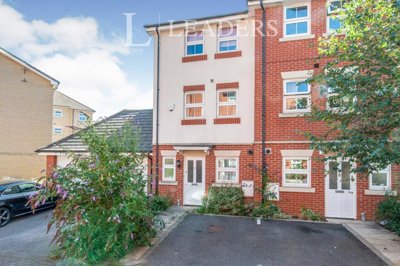
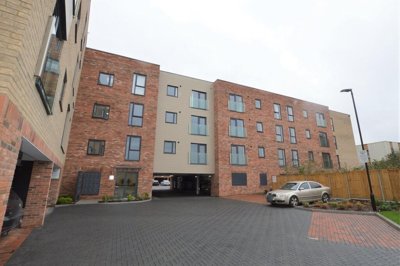
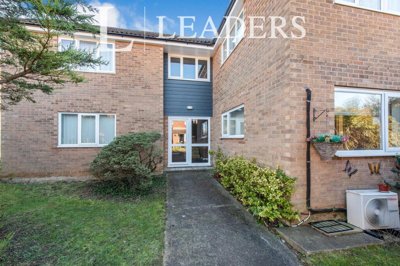
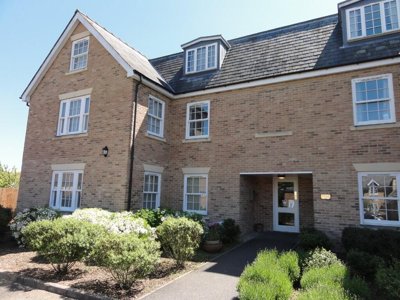
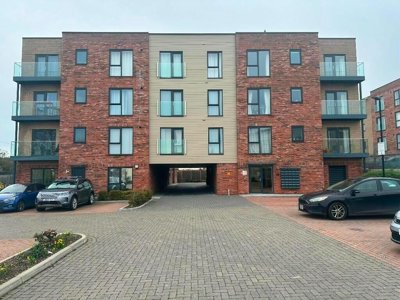
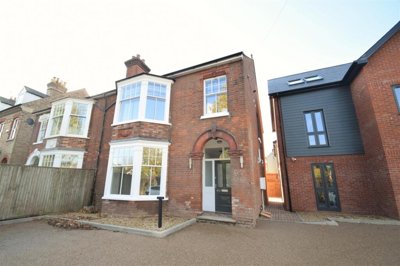
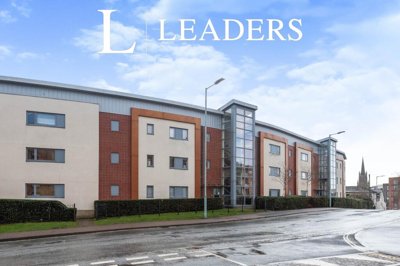
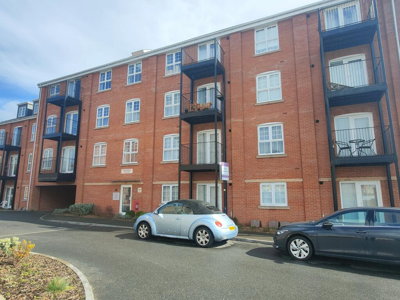
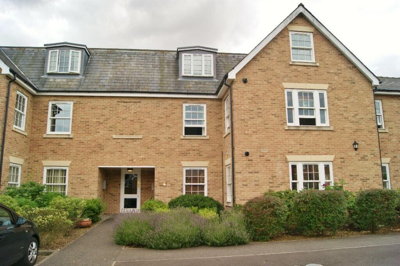
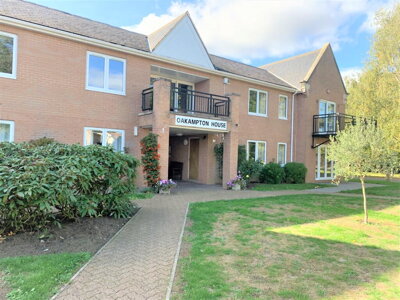
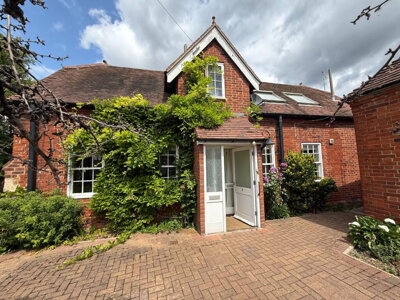
Browse 23 rental homes to rent in Great Barton from local letting agents.
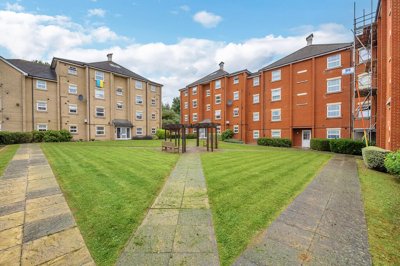
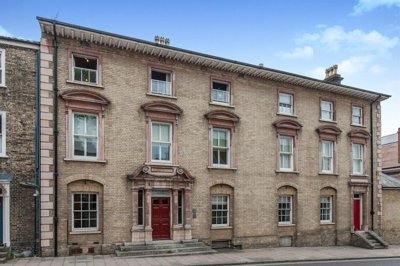
Studio apartments feature open-plan living spaces without separate bedrooms, incorporating sleeping, living, kitchen, and bathroom facilities. The Great Barton studio market includes properties in modern apartment complexes, converted Victorian and Georgian buildings, and purpose-built developments.
Great Barton’s rental scene mirrors the wider West Suffolk picture, with demand in the popular villages regularly outpacing supply. Our current listings include a mix of property types, but detached homes with roomy gardens usually attract the top rents because there are so many of them locally. Detached properties average around £807,079 in sale value, so it is no surprise they sit at the premium end of the rental market too. The housing stock is heavily detached, with 72.7% of recent sales falling into that category, making it the most common choice on offer.
Great Barton’s rental scene mirrors the wider West Suffolk picture, with demand in the popular villages regularly outpacing supply. Our current listings include a mix of property types, but detached homes with roomy gardens usually attract the top rents because there are so many of them locally. Detached properties average around £1,963 in rent, so they sit at the premium end of the rental market. The housing stock is heavily detached, with 72.7% of recent sales falling into that category, making it the most common choice on offer.
Big changes are already lined up for the area, and they will shape renting here over the next few years. The Severals development northeast of Bury St Edmunds, within Great Barton parish on Bury Road, has permission for up to 1,375 new homes, with phase one expected to start around mid-2026 under developer Vistry. The Triangle site off School Road goes further, proposing up to 191 new properties with 30% affordable housing provision, including roughly 60% two to three-bedroom homes and bungalows with renewable energy heating. As those schemes come forward, we expect more people to move into the area and more pressure on the rental market.

Great Barton still feels like a proper village, with community life and a traditional English setting front and centre. The layout follows The Street, where many surviving buildings date from the 19th century and were commissioned by Sir Henry Edward Bunbury, which gives the village much of its architectural character. Later growth pushed housing into Hall Park and Barton Hamlet, adding a blend of styles that now sit alongside the older core. Barton Hall was destroyed by fire in 1914, and the post-World War II housing that followed created the newer parts of the village we see today.
The day-to-day essentials are all here, from a post office and village store to The Black Lion public house, which acts as a regular meeting point for locals and events. The Church of the Holy Innocents, a Grade I listed building dating from medieval times, adds real historic weight and remains one of the village’s best-known landmarks. Families also have the on-site primary school close by, while Bury St Edmunds brings larger shops, healthcare and leisure facilities within easy reach. Out beyond the edge of the village, the farmland and the Lark Valley make walking and other outdoor trips feel very straightforward.
Semi-detached homes are usually the more accessible option, with rents typically between £1,338 and £1,521 per month depending on condition and specification. Terraced houses sit at the lower end of the market, and average sale values of around £279,625 point to monthly rents that suit smaller households or anyone watching the budget closely. The wider average sale price of £697,808 shows the strength of the village’s housing stock, and that feeds through into higher rents than you would normally see in urban areas.

Schooling in Great Barton centres on Great Barton Church of England Primary Academy, which takes children from reception through to Year 6. It is on School Road and serves families living in the village as well as those in the surrounding catchment. Parents thinking about a move should check the latest school performance data directly with the school or through official Ofsted reports, because figures can shift over time. The primary school also runs before and after-school clubs, which is helpful for working families.
For secondary education, most families look to Bury St Edmunds, which is around four miles away. Options there include King Edward VI School, a respected selective grammar school that can be accessed through the 11-plus examination, and St Benedict's Catholic School, which serves Catholic families in the area. The town also has a local college offering further education routes for students working towards vocational qualifications or A-levels. If school transport or catchment boundaries matter to you, we would advise checking those details with the relevant education authority before moving.
Anyone renting with children should also take the planning and heritage rules seriously. Great Barton has a notable number of historic buildings, including 19 Grade II listed buildings, two Grade II* structures, Barn at Manor Farm and Conyers Green Farmhouse, and the Grade I listed Church of the Holy Innocents. That status can affect what alterations are allowed, especially in older homes. If you are taking a historic property, permitted development rights may be limited, and landlords may have their own maintenance or alteration requirements.

Transport links are better than many villages of this size. The A143 runs through Great Barton, giving direct road access to Bury St Edmunds to the southwest and a straightforward link into the wider network. The A14 is only minutes away, putting Cambridge to the west at about 45 minutes, Norwich to the north at around one hour, and Ipswich to the southeast at roughly 40 minutes. For commuters who want village living without losing road access, that is a strong pull.
Bury St Edmunds railway station is the nearest rail option, with regular services to Cambridge in around 30 to 40 minutes and to Ipswich in roughly 20 to 30 minutes. From Ipswich, there are onward trains to London Liverpool Street, while Cambridge connects to London King's Cross. Bus services from several operators also link Great Barton with Bury St Edmunds and nearby villages, which matters if you are relying on public transport rather than a car.
Working from home is easier than it used to be, because broadband has improved a lot in recent years, although speeds still vary from street to street. We always suggest checking availability and predicted speeds for the exact property, either through comparison sites or by speaking to providers directly. Parking is mixed across the village, with homes along The Street often having little off-street space because of the historic layout, while newer areas in Hall Park and Barton Hamlet usually have dedicated parking. The A143 can bring some traffic noise for properties nearby, though the Air Quality Management Area designation that once applied near the post office was revoked in August 2025.

It helps to have a rental budget agreement in principle before you begin looking seriously. That document shows landlords and agents that you can afford the rent and that you have already been credit-checked. In Great Barton, where rents are pushed up by popularity and the quality of the housing stock, having that paperwork ready can make a real difference when you apply. Most rental applications here will ask for proof of income at more than 30 times the monthly rent.
It is worth spending time getting to know the different pockets of Great Barton before you commit to a property. The Street has the historic homes, while Hall Park and Barton Hamlet are the post-war areas with a more modern feel. School Road, the village store, the post office, bus routes on the A143 and the A14 all matter depending on how you live and travel. The Street gives you older character, although parking is often limited, whereas the newer developments generally come with more up-to-date specifications.
We would usually suggest speaking to local estate agents and arranging viewings of the homes that are available. Take the time to look properly at the building itself, check for damp or any structural concerns, and inspect the fixtures and fittings in detail. Because so many homes in Great Barton are older, a daylight viewing makes it easier to spot issues. For the older properties, pay close attention to thatched roofs, flint and brick construction, and any signs of subsidence linked to the local light loam and sandy soil geology.
The village has a broad spread of ages, but the property values compared with local incomes suggest that many residents are established homeowners or people moving in with equity from earlier sales. According to 2015/16 data, the estimated average net annual household income in Great Barton was £37,100, while the income needed to afford an entry-level property was around £90,000. That gap explains why renting remains such an important route into the village for many households. For newly formed households, or for people arriving from cheaper areas, it is often the only practical way in.
Once an application is accepted, it moves into referencing, where credit checks and income verification are carried out. Your deposit also has to be registered with a government-authorised tenancy deposit scheme within 30 days of the tenancy start date. A solicitor or agent can talk you through the process if anything is unclear. The deposit is usually five weeks rent and will be held in one of three government-approved schemes.
After that, we would book the inventory check and record the condition of every room and fixture carefully. You then sign the tenancy agreement and collect the keys on the agreed date. It is sensible to have the first months rent and deposit ready upfront, and to let the utility companies know you are moving. Many village properties still use oil-fired heating rather than mains gas, so it is wise to allow for oil delivery costs and tank maintenance.
Renting in Great Barton does mean keeping a close eye on location-specific issues. The village has a strong conservation feel, with a cluster of listed buildings including the Grade I Church of the Holy Innocents and 19 Grade II listed properties. If you are taking an older home, permitted development rights may be limited, and landlords may set their own rules on maintenance and alterations. Traditional building methods are common too, from Suffolk whites and flint and brick quoin construction at West Lodge on Fornham Road to brick and flint walls along The Street and wheat-reed thatched roofs on historic homes such as Great Barton Farmhouse.
The ground beneath the village is made up of plateau landscape, light loams and sandy soils, so even though no specific flood risk areas were identified in the data we have seen, subsidence or movement should still be checked for. Because the housing mix ranges from 17th-century Farmhouses to post-war builds, maintenance needs vary quite a bit. A thorough inspection before you sign the tenancy agreement can save trouble later by highlighting existing issues. Homes over 50 years old may also have electrical systems that are due for updating.
Once you have found the right place, submit your rental application with everything requested. That usually means proof of identity, evidence of income or employment, bank statements, and references from previous landlords. Referencing normally takes one to two weeks. For a family home renting at £1,338 to £1,521 per month, the household income you will usually need is around £43,000 to £54,000 to pass affordability checks.

Most properties in Great Barton sit on larger plots than you would find in town, and many detached homes come with generous gardens. That suits families and keen gardeners, although the extra outside space brings its own maintenance jobs. When you view a home, check fencing, boundaries and any shared areas. Rural living also brings practical points to consider, including wildlife activity, septic tank or private drainage systems on some homes, and oil-fired heating rather than mains gas. Oil deliveries may cost £500 to £1,000 per year depending on usage and the size of the property.
Great Barton falls under West Suffolk Council, which handles council tax collection for the village. Council tax bands vary depending on the value and features of the home, though most village properties tend to sit in bands C through E. You can check the exact band for any address on the West Suffolk Council website or by contacting the local authority directly with the property details. As a tenant, council tax is a major part of your monthly outgoings, so we would include it in the budget alongside rent, utilities and the rest of the housing costs.
Great Barton Church of England Primary Academy covers the village and nearby areas, teaching children from reception through to Year 6 on School Road. Parents should check the current Ofsted rating and performance data directly with the school or through official Ofsted reports, since those figures can change. In Bury St Edmunds, about four miles away, secondary choices include King Edward VI School, a selective grammar school reached through the 11-plus examination, and St Benedict's Catholic School for families seeking Catholic education. School transport and catchment boundaries should be confirmed with the relevant education authority as part of your move.
Public transport is reasonable for a village, with regular buses linking Great Barton to Bury St Edmunds, where the mainline rail station sits. Bury St Edmunds station has direct trains to Cambridge, taking 30 to 40 minutes, and to Ipswich, where the journey is around 20 to 30 minutes. From Ipswich you can continue on to London Liverpool Street, while Cambridge gives access to London King's Cross. For drivers, the A143 through the village offers a handy route to the A14 and then on towards Cambridge, Norwich and Ipswich. A car does help with flexibility, but people with remote or flexible working patterns can get by without private transport using the bus services available.
Great Barton suits people who want village life without feeling cut off from larger job markets. There is a strong community, useful local amenities including a primary school, village store, post office and The Black Lion pub, and open countryside all around for walking and time outdoors. Homes are often larger detached properties with gardens, which works well for families or anyone wanting more space than urban living usually allows. Planned development, including The Severals with 1,375 homes and The Triangle with 191 homes, points to continued investment in infrastructure and a wider choice of rentals in the years ahead. People who like traditional English village character, but are happy to travel to Bury St Edmunds or beyond for nightlife or specialist services, tend to fit here well.
Rents in Great Barton reflect both the village premium and the fact that detached homes dominate the housing stock. Detached properties usually achieve the highest rents because they come with spacious accommodation and large gardens, while semi-detached and terraced homes are the more accessible options. For a three-bedroom family home, current market rents generally sit between around £1,338 and £1,521 per month, depending on condition and exact location. The average property sale price of £697,808 points to the quality on offer, and that feeds into rental values that are higher than in urban areas. Flats and smaller homes are relatively uncommon because the stock is so heavily detached.
For a rental in Great Barton, you will normally pay a deposit equal to five weeks rent, and under the Tenant Fees Act 2019 that is capped at five weeks rent for homes with annual rent below £50,000. The deposit must be protected in a government-authorised scheme within 30 days of the tenancy start date, and it is returned at the end of the tenancy minus any valid deductions for damage or unpaid rent. You should also expect the first months rent in advance, tenant referencing fees of £100 to £300 depending on the provider, and a fee to register the deposit with a government-authorised scheme. It may also cost £100 to £200 to arrange an inventory check. Before you agree to anything, ask the letting agent or landlord for a full breakdown of every charge.
Before you start searching in Great Barton, it is important to understand the full cost of renting. The deposit is usually five weeks rent, and it is capped at five weeks for properties with annual rent below £50,000 under the Tenant Fees Act 2019. That deposit has to be protected in a government-authorised scheme within 30 days of your tenancy start date, and you get it back at the end of the tenancy after any legitimate deductions for damage or unpaid rent. There are three government-approved deposit protection schemes, and your landlord must tell you which one they use.
Tenant referencing charges normally fall between £100 and £300, depending on the provider and how detailed the checks are. That covers credit checks, employment verification and landlord references. Inventory check fees, which are charged at the start of the tenancy to record the property’s condition, usually sit between £100 and £200. Some agents may still add administration fees, although tenant fee legislation now restricts them heavily. We always advise asking for a fully itemised list of costs before you agree to a property.
From 4.5%
Rental budgets show what you can realistically afford to spend on rent each month.
From £100
Comprehensive referencing services for prospective tenants
From £455
Professional survey for your new rental property
From £85
Energy performance certificate for your rental
Properties to Rent In London

Properties to Rent In Plymouth

Properties to Rent In Liverpool

Properties to Rent In Glasgow

Properties to Rent In Sheffield

Properties to Rent In Edinburgh

Properties to Rent In Coventry

Properties to Rent In Bradford

Properties to Rent In Manchester

Properties to Rent In Birmingham

Properties to Rent In Bristol

Properties to Rent In Oxford

Properties to Rent In Leicester

Properties to Rent In Newcastle

Properties to Rent In Leeds

Properties to Rent In Southampton

Properties to Rent In Cardiff

Properties to Rent In Nottingham

Properties to Rent In Norwich

Properties to Rent In Brighton

Properties to Rent In Derby

Properties to Rent In Portsmouth

Properties to Rent In Northampton

Properties to Rent In Milton Keynes

Properties to Rent In Bournemouth

Properties to Rent In Bolton

Properties to Rent In Swansea

Properties to Rent In Swindon

Properties to Rent In Peterborough

Properties to Rent In Wolverhampton

Enter your details to see if this property is within your budget.
Loans, cards, car finance
Estimated property budget
Borrowing + deposit
You could borrow between
Typical borrowing
Monthly repayment
Est. at 4.5%
Loan-to-value
This is an estimate only. Your actual budget may vary depending on interest rates, credit history, and personal circumstances. For an accurate affordability assessment, speak to one of our free mortgage advisors.
This calculator provides estimates for illustrative purposes only and does not constitute financial advice. Your home may be repossessed if you do not keep up repayments on your mortgage. Estimates based on 4.5% interest rate, repayment mortgage. Actual rates depend on your circumstances.
Homemove is a trading name of HM Haus Group Ltd (Company No. 13873779, registered in England & Wales). Homemove Mortgages Ltd (Company No. 15947693) is an Appointed Representative of TMG Direct Limited, trading as TMG Mortgage Network, which is authorised and regulated by the Financial Conduct Authority (FRN 786245). Homemove Mortgages Ltd is entered on the FCA Register as an Appointed Representative (FRN 1022429). You can check registrations at NewRegister or by calling 0800 111 6768.

We use cookies to show you personalised content and improve your experience of our website. Find out more in our Privacy policy and Cookie policy.