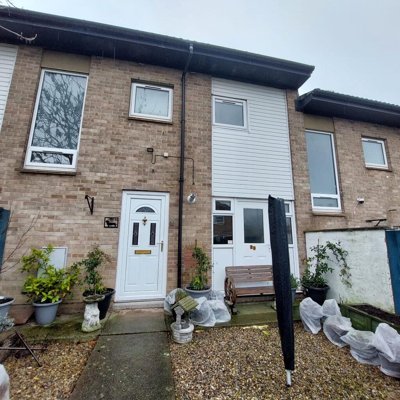
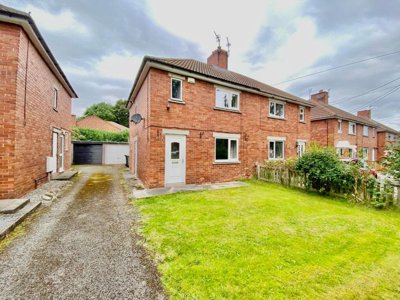
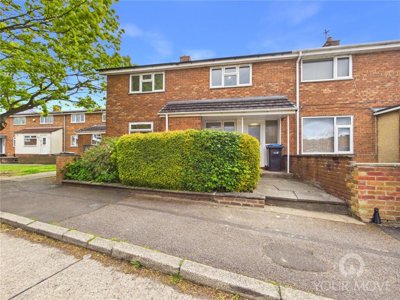
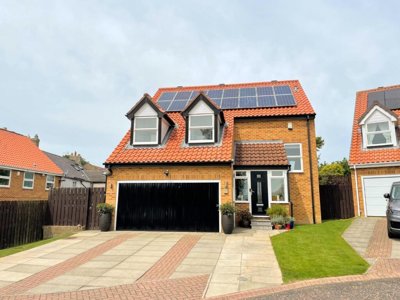
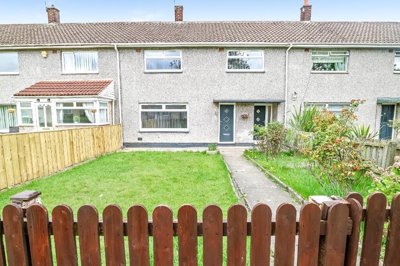
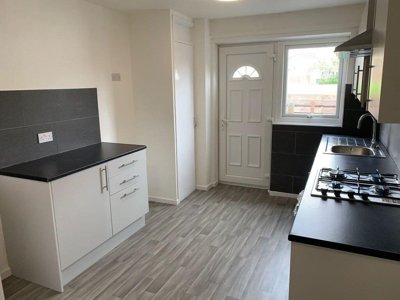
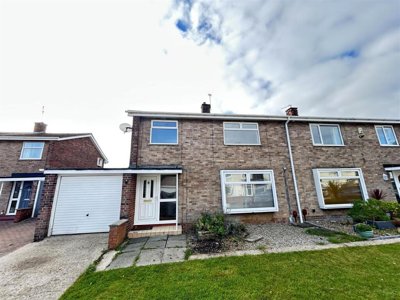
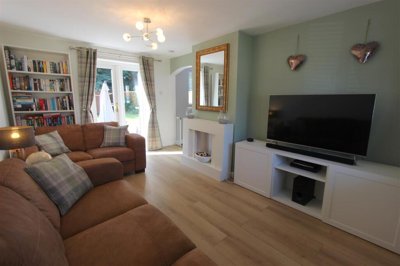
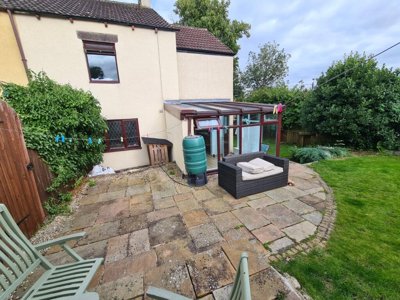
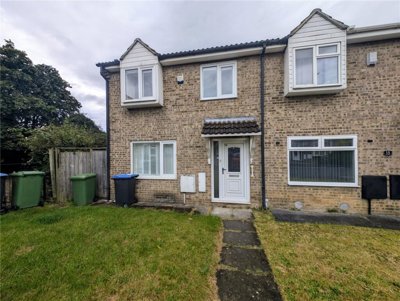
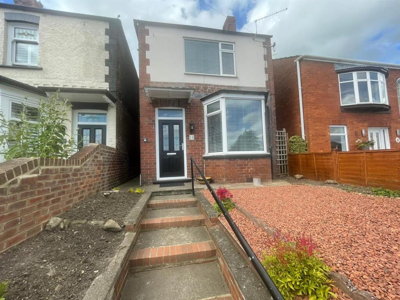
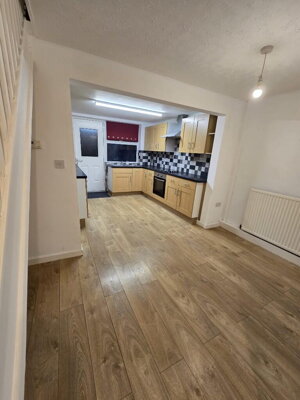
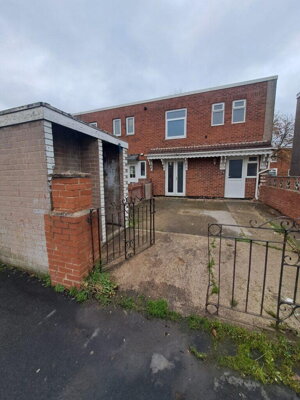
Browse 18 rental homes to rent in Great Aycliffe from local letting agents.
**PASSAGE 1:** Great Aycliffe has a varied rental market, shaped by its past as a planned New Town and by the older villages around it. Local sales figures point to steady demand across the board, with terraced homes making up the biggest share of transactions, 1,159 sales since 2018, followed by detached properties at 784 sales and semi-detached homes at 665 sales. Flats are much less common here, with only 46 sales recorded, which fits the mainly family-focused, working residential character of the area. For renters, current prices in Great Aycliffe usually run from around £750 per calendar month for one-bedroom flats to £1,112 per calendar month for larger four-bedroom detached homes, so there is scope for different budgets.
The proposed Copelaw scheme will add a sizeable amount to local housing supply in time, with plans for up to 1,343 new homes, plus extra care apartments and affordable housing. The application was submitted by Church Commissioners for England and Durham County Council under reference DM/24/01978/OUT. The site sits to the east of Newton Aycliffe, beyond the A167, with Ricknall Lane along its southern edge and the North East Centre for Autism at Cedar Drive nearby. Until that development arrives, renters are mainly choosing between post-1960s estates, older terraces facing village greens, and more recent builds with modern layouts.
**PASSAGE 2:** Work is a big part of what keeps the local rental market moving. Aycliffe Business Park draws in staff across a range of industries, and employers such as Gestamp Tallent, Husqvarna, Ebac, and Hitachi help maintain demand for homes of all sizes. homedata.co.uk puts the average sold price in Great Aycliffe parish over the last 12 months at £148,731, based on 222 recorded sales in 2025, which gives a useful benchmark for local values. In Aycliffe Village, prices have risen more sharply, with averages 23% higher than the previous year, though still 10% below the 2008 peak of £266,667.

Daily life in Great Aycliffe combines practical convenience with a very different, older village feel. Newton Aycliffe sits at the centre, a purpose-built community created under the New Towns Act of 1946, known for its broad roads, open green spaces, and planned housing areas. Around it is Aycliffe Village, a much older settlement with Anglo-Saxon roots, focused on its village green and the striking St. Andrew's Church, thought to date from possibly the 10th Century and listed at Grade I. That contrast between 20th-century design and much earlier history gives Great Aycliffe a character that is hard to mistake anywhere else in County Durham.
The place has a settled feel, and much of that comes through in the Great Aycliffe Neighbourhood Plan, which tackles practical issues such as parking and flood risk management. Residents have day-to-day essentials close by, from shopping centres and healthcare facilities to recreational areas, and the presence of major employers helps underpin the community. There is also a higher than average ageing population, which points to a more established population and long-standing support networks. Local heritage runs through the Stockton and Darlington Railway story, including the former Heighington and Aycliffe Railway Station, now a listed building, while Aycliffe Quarry, now used as a working landfill site, has left its mark on the area's geology, including limestone deposits typical of this part of County Durham.
There are drawbacks, and they matter. Parts of Great Aycliffe fall within the poorest 20% of deprived areas nationally, which can affect access to services and amenities in some neighbourhoods. Residents in Aycliffe Village and Brafferton have also complained of "noxious" and "rotten egg" smells linked to landfill gas from the Aycliffe Quarry landfill site. It is sensible to raise both points with local people or letting agents before choosing a particular spot.

Families looking to rent in Great Aycliffe have a spread of schooling across the age range, with primary and secondary schools within the town itself. Primary provision includes schools serving the Newton Aycliffe estates, taking children from Reception to Year 6. The area comes under Durham County Council for education, but school allocations and admissions do change, so we would always suggest checking directly with the council or with the schools before committing to a tenancy.
Older children can stay local too. Secondary schools in the area offer GCSE courses, and there is sixth form provision so students do not necessarily have to travel into neighbouring towns. The North East Centre for Autism at Cedar Drive adds specialist support for children with additional needs and serves families from across the wider region. It is also close to the proposed Copelaw site, which points to continued investment in educational provision. For anyone renting with children, catchment areas are a key detail because admission policies often favour nearby addresses.
There are more options beyond the town as well. Durham and Darlington both offer additional schooling, including grammar schools for academically selective pupils, and they are reachable using Great Aycliffe's transport links. Further education is available in Bishop Auckland, Durham, and Darlington, with regular bus services making day-to-day travel manageable for many older students. Even so, parents should still confirm current performance data and admissions arrangements with schools or Durham County Council before taking a property in a specific catchment, because those details can shift from one institution to another.

Getting around is one of Great Aycliffe's stronger points. The town sits close to the A167, giving straightforward road access to Durham, approximately 15 miles to the north, and Darlington, approximately 8 miles to the south. Being between those 2 centres widens the choice of jobs, shopping, and leisure for local residents. For people based at Aycliffe Business Park, the journey is usually short because the estate lies within the town boundaries, which is one reason the area appeals to manufacturing workers.
Buses link Great Aycliffe with nearby towns and villages, although service levels depend on the route and the time of day. For rail travel, the nearest stations are in Darlington and Bishop Auckland, where you can connect onwards to the East Coast Main Line and reach places such as Newcastle, York, and London. The old Stockton and Darlington Railway connection still shapes how people think about the area's transport history. Within Newton Aycliffe itself, the planned road layout includes some cycling infrastructure, though the undulating terrain can make riding harder in places.
Parking is one of the issues picked out in the Neighbourhood Plan, especially where there is a need to keep grassed areas because of flood risk. The Heighington Signal Box is another local landmark, a listed structure close to the historic Heighington and Aycliffe Railway Station and a reminder of the railway heritage here. Anyone commuting to major employment sites will want to check local bus routes and timetables carefully, particularly for evenings and weekends when services can thin out.

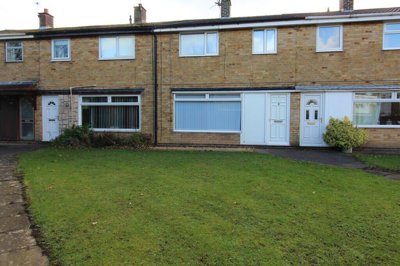
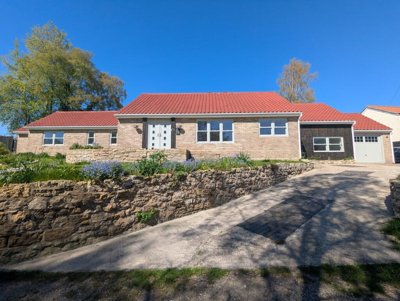
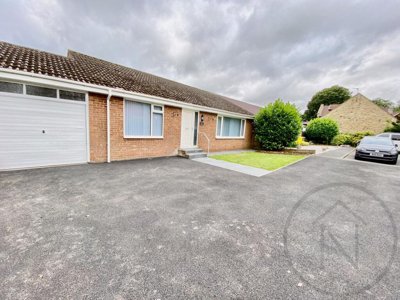
It helps to know what sort of buildings are common in Great Aycliffe before taking on a tenancy. Broadly, the housing stock splits between post-war Newton Aycliffe homes built from 1947 onwards and the older traditional properties in Aycliffe Village and nearby areas. You will find local stone, brick, and render, along with a mix of standard masonry and the more modern methods used in 1960s and 1970s development. In Aycliffe Village, which sits within a designated Conservation Area, many buildings were put up using traditional construction long before modern regulations came in.
We regularly see certain issues recur in the older part of the local housing stock. In Aycliffe Village, traditional cottages and older terraces often show penetrating damp through ageing brickwork, especially where there are solid walls with no cavity insulation or where the original damp-proof course has broken down. Roof problems are also common in properties more than 50 years old, including slipped or missing tiles, sagging roof lines, and worn flashings around chimneys. In some locations, the limestone geology beneath Great Aycliffe can also play a part in ground movement and foundation trouble.
Some older homes still contain wiring that falls short of modern safety standards. We have also come across lead pipework in rental properties locally, which brings contamination concerns. Where ventilation is poor, or damp has been getting in for years, timber decay can follow, including wet rot and dry rot. Loft conversions in older buildings do not always meet current Building Regulations either, something to bear in mind if a tenant is considering alterations. We would strongly recommend a proper inspection before agreeing any tenancy, especially in Aycliffe Village or in a listed building.
Before you start viewing, sort out a rental budget agreement in principle so you know what you can comfortably pay each month. Build in the rent, council tax, and likely utility costs from the outset. In Great Aycliffe, most rental homes come under Durham County Council for council tax, and properties on the Newton Aycliffe estates are often in Bands A to C.
Not every part of Great Aycliffe feels the same, so it is worth comparing areas properly. Aycliffe Village has its historic conservation area character, while Newton Aycliffe is made up more of residential estates. Think about the distance to work, especially if you are based at Aycliffe Business Park, as well as schools and day-to-day amenities. We would also check flood risk maps for any street you are considering.
Once you know what you need, get in touch with local estate agents and line up viewings. While you are there, make notes on condition, upkeep, and any signs of damp or structural movement, especially in older homes where these issues are more typical. Ask when the property was built and whether any recent renovation work has been carried out.
For an older rental property, booking a RICS Level 2 Survey can be a sensible step before you commit. That is especially true in Aycliffe Village, where traditional construction is common, or in any listed building where a more specialist view may be needed. It can flag defects that are easy to miss during an ordinary viewing.
Take time over the tenancy agreement. Check the length of the term, the deposit figure, and who is responsible for what in terms of maintenance. It also helps to confirm the council tax band for budgeting and to pin down exactly which bills, if any, are included in the rent.
At that stage, you will usually need to supply references and right to rent documents, then pay the deposit and the first month's rent. We would also suggest arranging contents insurance for your possessions. On move-in day, carry out a detailed check-in inventory and photograph any existing damage so there is a clear record from the start.
Renting in Great Aycliffe means paying attention to a few local risks that can affect how a property performs. Flooding is one of the main ones. The River Skerne threatens parts of Aycliffe Village, especially around Well Bank, Monks End, and Mill House, while the Woodham Burn has flooded land between Stephenson Way and Williamfield Way, including around Kirkstone Place and Honister Place. Heavy rain has also led to surface water flooding on Stephenson Way and nearby streets. Before signing any agreement, we would check Environment Agency flood maps and ask the landlord directly about the property's flood history.
Homes in Aycliffe Village sit within a Conservation Area, so there can be limits on the alterations or extensions that homeowners and tenants are allowed to make. Great Aycliffe also has a number of listed buildings, from the Grade I listed St. Andrew's Church to various Grade II structures, and that heritage can affect maintenance obligations and insurance in some cases. Construction varies quite a bit, from older stone and brick buildings to post-1960s housing built with more modern methods. In the older rentals, common defects can include damp ingress through ageing brickwork, roof wear, and outdated electrics.
During a viewing, it is worth looking beyond the layout. Check the windows carefully, because single-glazed units are common in older buildings and can push heating bills up. Look at any timber windows and doors for signs of rot, and watch for damp staining on walls, especially in ground floor rooms or basements. Ask about the boiler too, including its age and service record, since an older unit can be expensive to run. For homes close to watercourses or within known flood risk areas, we would always ask the landlord or letting agent about previous flooding. A proper inspection before you commit can clarify both the condition and who must handle repairs under the tenancy.

**PASSAGE 3:** Public rental data for Great Aycliffe is limited, but sale prices still help frame the market. Average sale values sit at £219,905 for detached properties, £121,352 for semi-detached homes, £85,193 for terraced properties, and £66,239 for flats. Using typical rental yields for County Durham as a guide, monthly rents are likely to run from around £750 per calendar month for one-bedroom flats up to approximately £1,112 per calendar month for four-bedroom detached homes. The figure you actually pay will still depend on the property's condition, where it sits within Great Aycliffe, and the level of demand at the time.
For council tax, properties in Great Aycliffe fall under Durham County Council. Bands run from A to H, with the exact band set by the Valuation Office Agency according to value. On the post-war estates in Newton Aycliffe, most homes tend to sit in Bands A to C, while larger detached houses and some properties in Aycliffe Village can fall into higher bands. It is worth checking the band for any address you are considering, because council tax can make a noticeable difference to monthly costs.
Schooling in Great Aycliffe covers both primary and secondary ages, with a number of local schools serving Newton Aycliffe and the surrounding villages. Parents are best checking current Ofsted outcomes and performance information for each school directly, as these can change over time and differ from one place to another. Families looking at grammar school options may also consider Durham or Darlington, both accessible from Great Aycliffe. For children with additional needs, the North East Centre for Autism at Cedar Drive is an important local provision.
Public transport in Great Aycliffe is decent rather than flashy, with bus services connecting the town to Durham, Darlington, and nearby villages. By road, the A167 gives direct access north and south, with Durham approximately 15 miles away and Darlington around 8 miles away. Rail users usually head to Darlington or Bishop Auckland, where services connect into the East Coast Main Line for journeys to Newcastle, York, and London. If you work at Aycliffe Business Park, commuting on foot or by bike is often realistic because housing and employment areas sit fairly close together.
For renters, Great Aycliffe often stacks up as good value compared with nearby towns, and the jobs base at Aycliffe Business Park adds to its appeal. There is a solid everyday quality of life here too, with green space, useful amenities, and community facilities all part of the mix. Some people are drawn to the contrast between New Town housing and the older village setting. Still, it is important to keep local flood risk in mind, especially near watercourses, when narrowing down a search. The manufacturing-led economy remains stable, which should continue to support rental demand.
**PASSAGE 4:** In Great Aycliffe, the standard deposit for a rental property is five weeks' rent, capped at five weeks' rent where the annual rent is less than £50,000. As of 2024-25, first-time renters benefit from zero deposit requirements on properties up to £425,000, while higher-value rentals carry five-week deposits. Other charges often include referencing fees, administration costs, and inventory check fees, and most letting agents will also ask for the first month's rent in advance. We would always ask for a full cost breakdown before moving ahead with an application.
**PASSAGE 5:** Surveys are usually linked with buying, but they can still be useful for tenants, especially where the tenancy is likely to run for longer and the building is older. A RICS Level 2 Survey can pick up defects in construction, damp problems, roof issues, and other faults that may not be obvious at an ordinary viewing. In Great Aycliffe, where some homes pre-date modern building standards, that extra insight can affect a decision to rent or help with discussions on terms. Our team can arrange surveys for rental properties, with prices typically starting from around £350 depending on the property type and value.
Flood risk is not theoretical in Great Aycliffe, it is something tenants should check carefully. The River Skerne has flooded before, affecting Aycliffe Village in particular around Well Bank, Monks End, and Mill House. Along the Woodham Burn corridor between Stephenson Way and Williamfield Way, areas around Kirkstone Place, Honister Place, Ashfield, and Oakfield have also been identified as significant risk areas after previous flooding. Surface water flooding has happened on Stephenson Way and nearby streets during heavy rainfall as well. The Great Aycliffe Neighbourhood Plan tries to balance flood management with parking needs. Before agreeing a tenancy, we would always check Environment Agency flood maps and ask the landlord about any flood history.
**PASSAGE 6:** Getting the full renting budget clear from the start can save a lot of hassle later. The upfront costs normally include the first month's rent, which will vary by the size and type of property, plus a security deposit equal to five weeks' rent. First-time renters get government relief on deposits for properties up to £425,000, so on qualifying homes you may not have to pay anything upfront for deposit protection. Above that level, or where the renter does not qualify for first-time renter relief, the full five-week deposit applies. Those deposits are held in a government-approved scheme and are returned at the end of the tenancy, less any deductions for damage or unpaid rent.
**PASSAGE 7:** There are a few other costs to build into a Great Aycliffe rental budget. Referencing fees typically sit between £35 and £150, depending on the letting agent and what is included. An inventory check at the start and end of the tenancy, often charged at between £80 and £200, protects both tenant and landlord by recording the condition of the property. Council tax will depend on the band, with Durham County Council setting the annual charges, and utilities such as gas, electricity, water, and broadband need to be estimated as well. In older Aycliffe Village buildings, poor insulation and single-glazed windows can mean noticeably higher heating bills.
Ask for the Energy Performance Certificate, or EPC, before you move in so you have a clearer picture of the home's energy rating and likely running costs. Properties with ratings of E, F, or G can be more expensive to heat and may face future restrictions under minimum energy efficiency standards. Our team can arrange an EPC assessment as part of our rental support service, helping you budget properly for a move to Great Aycliffe.
From 4.5%
Our team can help you work out a rental budget that fits your income and existing commitments.
From £35
We offer referencing services to support your rental application.
From £350
Identify property defects before committing to a tenancy
From £85
We can help you understand a property's energy efficiency before you move in.
Properties to Rent In London

Properties to Rent In Plymouth

Properties to Rent In Liverpool

Properties to Rent In Glasgow

Properties to Rent In Sheffield

Properties to Rent In Edinburgh

Properties to Rent In Coventry

Properties to Rent In Bradford

Properties to Rent In Manchester

Properties to Rent In Birmingham

Properties to Rent In Bristol

Properties to Rent In Oxford

Properties to Rent In Leicester

Properties to Rent In Newcastle

Properties to Rent In Leeds

Properties to Rent In Southampton

Properties to Rent In Cardiff

Properties to Rent In Nottingham

Properties to Rent In Norwich

Properties to Rent In Brighton

Properties to Rent In Derby

Properties to Rent In Portsmouth

Properties to Rent In Northampton

Properties to Rent In Milton Keynes

Properties to Rent In Bournemouth

Properties to Rent In Bolton

Properties to Rent In Swansea

Properties to Rent In Swindon

Properties to Rent In Peterborough

Properties to Rent In Wolverhampton

Enter your details to see if this property is within your budget.
Loans, cards, car finance
Estimated property budget
Borrowing + deposit
You could borrow between
Typical borrowing
Monthly repayment
Est. at 4.5%
Loan-to-value
This is an estimate only. Your actual budget may vary depending on interest rates, credit history, and personal circumstances. For an accurate affordability assessment, speak to one of our free mortgage advisors.
This calculator provides estimates for illustrative purposes only and does not constitute financial advice. Your home may be repossessed if you do not keep up repayments on your mortgage. Estimates based on 4.5% interest rate, repayment mortgage. Actual rates depend on your circumstances.
Homemove is a trading name of HM Haus Group Ltd (Company No. 13873779, registered in England & Wales). Homemove Mortgages Ltd (Company No. 15947693) is an Appointed Representative of TMG Direct Limited, trading as TMG Mortgage Network, which is authorised and regulated by the Financial Conduct Authority (FRN 786245). Homemove Mortgages Ltd is entered on the FCA Register as an Appointed Representative (FRN 1022429). You can check registrations at NewRegister or by calling 0800 111 6768.

We use cookies to show you personalised content and improve your experience of our website. Find out more in our Privacy policy and Cookie policy.