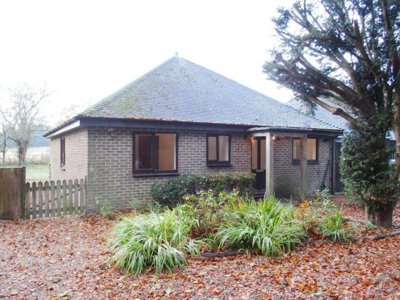
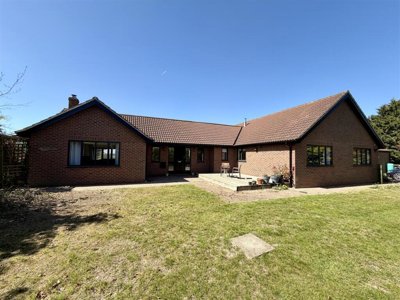
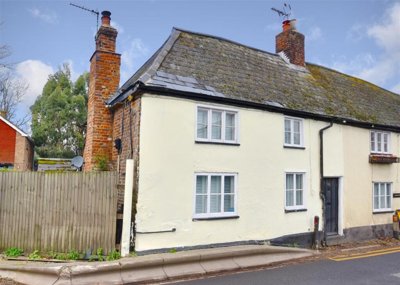
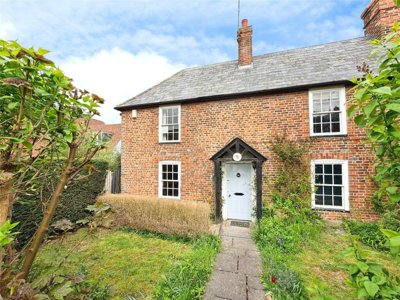
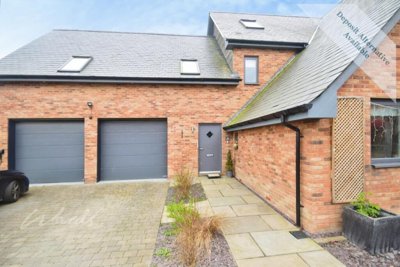
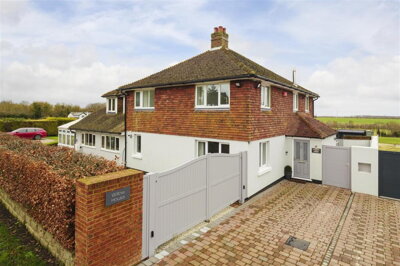
Browse 6 rental homes to rent in Goodnestone, Dover from local letting agents.
The Goodnestone property market offers detached, semi-detached, and terraced houses spanning various price ranges and neighbourhoods. Each listing includes detailed property information, photographs, and direct contact with the marketing agent.
£0/m
0
0
0
Source: home.co.uk
Showing 0 results for Houses to rent in Goodnestone, Dover.
Goodnestone sits in the Dover district as a sought-after rural village, and the property figures for the CT3 postcode show a fairly wide spread. Detached homes here have sold for as much as £855,000, while terraced properties have recently changed hands between £277,500 and £380,000. Those sale prices give a useful benchmark for rents, because landlords tend to look at what has been invested in a property before setting a monthly figure. In the wider Kent market, both sale and rental values can sit above similar homes in larger towns, simply because supply is tight and demand for village living stays high.
Fernfield Homes’ Goodnestone Farmstead development brings three individually designed luxury four-bedroom homes to a designated conservation area. It shows that developers still see demand in the village from buyers who want modern comforts in a historic setting. For renters, that can mean the occasional contemporary home, but the stock is still mainly period property, so most lets are older houses that need varying levels of upkeep. There is a clear contrast between these executive-style new builds and the converted agricultural buildings that also turn up in the rental market, which leaves room for different tastes and budgets.
The link between sale prices and rent is easy enough to see in Goodnestone. If terraced homes are selling in the £277,500 to £380,000 range and detached houses reach £855,000, landlords have to think about mortgage payments, repair work, and demand from tenants before they settle on a monthly rent. That is why the village’s mix, from small period cottages to larger detached family homes, creates a rental market with enough variety to suit different household sizes and needs.

Life in Goodnestone has a quiet, rural feel, backed by the Kentish countryside all around it. The village takes its name from the historic Goodnestone Park estate, where the early 18th-century manor house and surrounding parkland give the community its most recognisable backdrop. Then there is the Church of the Holy Cross, a Grade I listed building dating from the 12th century, which says plenty about how long people have lived here. It feels a bit like a living museum, though one with modern village amenities and community events running through the year.
Around 390 residents across 180 households give the parish a close-knit feel, with neighbours often knowing one another and local events drawing people together. Because the village is conservation designated, development is tightly controlled, which helps preserve the historic look that makes Goodnestone attractive to renters who want genuine English countryside living. Farmland walks and country lanes are right on the doorstep, while larger towns are still close enough for supermarkets, healthcare, and the rest of the essentials. The surrounding Kentish countryside also brings plenty of public footpaths and bridleways to explore.
Goodnestone Court is another important piece of the village’s heritage, a 15th-century half-timbered building that shows just how many architectural periods are represented here. Across the parish, the buildings reflect traditional Kentish construction, with red and blue brick, flint, and stone rubble all part of the local mix. For renters, that often means original fireplaces, exposed beams, and other period details that give a property real character. Keeping those features in good order matters, and landlords and tenants both end up sharing responsibility for looking after historic homes.

For families looking to rent in Goodnestone, there are several schooling options within a sensible travelling distance. The village sits within the Kent local education authority, which runs a wide network of primary and secondary schools across the district. Primary education is available at nearby village schools, while secondary choices are found in the surrounding market towns. Kent has a number of grammar schools, so it makes sense to check catchment areas and admissions criteria before choosing a rental. Both the Dover and Canterbury districts offer options within a reasonable commute.
Goodnestone and the neighbouring villages keep their historic character, so some schools are housed in converted period buildings or sit within conservation settings, which gives children an educational environment surrounded by Kent’s architectural heritage. Families needing childcare or early years provision will find nursery and preschool options in nearby communities. Older pupils may travel to schools in Canterbury, Dover, or Deal, with transport arrangements varying by school and location. Many households renting here find that primary-age children can use local village schools, while secondary pupils head into the nearby towns.
Kent’s selective system means grammar schools in Canterbury, including the historic King’s School and Simon Langton Girls’ Grammar School, draw pupils from across the county. Dover has grammar school options too, and Duke of York’s Royal Military School gives families another route to consider. It is worth remembering that a place at a popular grammar school often depends on living in a specific catchment area, so where you rent in Kent can matter quite a lot for families with academically minded children. Private schooling is available across Kent as well, with several independent schools in Canterbury and the surrounding area.

Transport links are decent for a rural village, so Goodnestone works for commuters and families who need to reach jobs or services further afield. The village is within easy reach of the A2 trunk road, which gives a direct route to Canterbury and Dover. Nearby towns provide the nearest railway stations, with links to London and the Kent coast. By car, Canterbury is usually around 25 minutes away, while Dover and its ferry port are about 30 minutes. The A2 also passes through nearby villages, which helps drivers get around.
London is still manageable from here, though it does mean a drive to a mainline station first, then rail travel. Journey times from Kent stations to London Victoria or London St Pancras generally range from around 75 minutes to two hours. Canterbury West station offers high-speed services to London St Pancras, which makes regular commuting possible. From Goodnestone, it usually takes 20-30 minutes to drive to a station such as Faversham or Canterbury, then the train takes over. The M2 motorway, reached via the A2 or the A299, gives extra route choices for longer trips.
Bus links do exist, but they are not as frequent as the services you would expect in a town. The Stagecoach bus network runs through nearby communities and connects residents with Dover, Canterbury, and other Kent towns. Anyone without a car needs to factor transport into the decision to rent here. Cycling is fairly common across Kent too, and the country lanes can give you relatively flat routes to nearby towns, though the narrow roads do call for care at busier times.

It helps to spend time in Goodnestone before deciding on a rental. Go at different times of day and on different days of the week, see the local amenities, check the journey to your workplace, and talk to people who already live there. That gives a much better sense of the village and the day-to-day practicalities, which makes it easier to judge whether Goodnestone suits your lifestyle and commuting needs.
A rental budget agreement in principle is a sensible first step before the search begins. This lender document sets out your maximum affordable monthly rent and shows landlords that you are serious and financially ready. It also puts you in a stronger position when you apply for homes in competitive rural locations. We can put you in touch with providers offering rental budget agreements, so you know your borrowing capacity before you start viewing properties.
Local estate agents and property management companies are the next people to contact when viewings are needed. With the village rental stock being limited, flexibility over viewing times and a quick response to new listings can make all the difference. The Dover and Canterbury rental markets both have letting agents who may list homes in Goodnestone or the surrounding villages. Registering with more than one agent gives you a better chance of hearing about new rentals as soon as they appear.
In Goodnestone, many lets are period homes, and that can include converted agricultural buildings or listed buildings. We need to be clear about the extra responsibilities that come with historic properties, from restrictions on alterations to the possibility of higher maintenance expectations. Traditional construction here, including flint and stone rubble walls and slate roofs, needs the right kind of care and can behave differently from modern insulation and moisture management.
Once an application is in, expect the referencing checks to be thorough. Rural Kent landlords often prefer dependable long-term tenants, so it pays to have references, employment verification, and right to rent documents ready. Credit checks, landlord references, and employment checks are usually part of the process, and having everything organised from the start can speed things up considerably.
After the tenancy agreement is signed and the deposit paid, it is time to plan the move to Goodnestone. We would suggest arranging a professional inventory check at this stage, so the property condition is properly recorded and your deposit is protected at the end of the tenancy. Our team offers inventory check services designed specifically for rental homes, with every detail noted before move-in. That paperwork can be extremely useful if any dispute comes up later on.
Renting here means keeping a close eye on a few issues that are specific to a historic village. The extensive conservation area designation means many homes are listed buildings, so planning restrictions can affect alterations, decorations, and modifications. Tenants should know that consent from the local planning authority may be needed for certain changes, and exterior restrictions help preserve the village’s character. Any planned alterations should be discussed with the landlord before the tenancy agreement is signed, because breaches could affect both the tenancy and the landlord’s planning compliance.
Red and blue brick, flint, stone rubble, and slate or clay tile roofing are the main building materials in Goodnestone, with some properties also using traditional weatherboarding. Those older materials need the right sort of maintenance and can behave differently from modern systems for insulation, ventilation, and moisture control. A professional survey can pick up damp, timber condition, or structural movement before a tenancy is agreed, which may give useful negotiating points. We recommend considering a survey even for a rental property, because knowing the condition of the home helps avoid surprises and unexpected repair costs.
Goodnestone Park itself is a three-storey house built of red and blue brick with a hipped slate roof, and it is a good example of the building methods used across the village. Houses of that age may have solid walls rather than cavity walls, so insulation and heating need a different approach. The early 20th-century properties in the area, including substantial brick-built houses, can offer more modern construction while still keeping period character. Knowing the construction type of a possible rental helps with both maintenance expectations and heating costs during the tenancy.

There is not much detailed rental price data for Goodnestone, mainly because the village is small and rental homes do not turn over very often. Sale prices still give a helpful guide, though, with terraced homes sold in the £277,500 to £380,000 range and detached properties reaching £855,000. Any rent would usually be set to reflect those capital values, local demand, and comparable homes across the wider Dover and Canterbury districts. Local letting agents are the best people to contact for current availability and pricing, since they can give up-to-date figures for individual properties.
For council tax, properties in Goodnestone fall under Dover District Council. In Kent, council tax bands vary with property value and are set by the Valuation Office Agency. Because the village has a mix of period homes, neighbouring properties can sit in very different bands, especially where you move from compact cottages to larger detached houses. Anyone thinking of renting should check the band for the specific property before committing, as it forms part of the ongoing cost of living in Goodnestone. Dover District Council’s website has a council tax band lookup service for any property in the district.
Schooling within Goodnestone itself is limited, so primary education is generally found in nearby villages or the nearest town. The village sits within Kent’s education system, which includes several well-regarded grammar schools in Canterbury, Dover, and surrounding towns. Families should look closely at school catchments and admissions rules, because places can be competitive, particularly for popular secondary schools and grammar schools in the county. The nearest primary schools are usually in neighbouring villages, while secondary pupils often travel to Canterbury or Dover, where grammar school options are available.
Public transport is limited, which is no surprise in a rural village like this. Bus services link Goodnestone with surrounding communities, although the frequency is usually much lower than in urban areas. The nearest railway stations are in nearby towns, with services into London, Canterbury, and the Kent coast. If you do not have a car, transport arrangements need careful thought, and local bus timetables should be checked before you commit to a rental property, because some routes run infrequently.
For renters who want history, open countryside, and a real sense of community, Goodnestone has a lot to offer. The conservation area status protects the village character, while the links to Canterbury and Dover keep it workable for commuters. Even so, the limited rental stock and rural setting suit people who value tranquillity and heritage more than urban convenience. It is a small community, so neighbourly ties matter here, and many residents find that welcoming, though it does mean a different pace of life from town or city living.
In England, rental deposits are capped at five weeks' rent where the annual rent is less than £50,000. Most landlords will want a security deposit held in a government-approved tenancy deposit scheme such as the Deposit Protection Service, MyDeposits, or Tenancy Deposit Scheme. There may also be an administration fee for referencing, a check-in fee for the inventory, and sometimes a holding deposit while references are processed. First-time renters should budget for moving costs and maybe furniture too, because period properties often have less fitted storage than newer homes.
Because Goodnestone is so historic and carries conservation area status, the rental market is mainly made up of period properties. Converted oast houses, with their warm red brick and white painted weatherboarding, do appear from time to time, and they bring distinctive features like circular rooms and exposed timber work. The rest of the stock is usually standard period cottages, detached family homes, and occasionally semi-detached properties. With so few rentals available, it makes sense to register with several local letting agents and move quickly when something suitable comes up.
Many of the homes here are listed buildings or sit within the conservation area, so particular restrictions apply. In some cases, listed building consent from Dover District Council is needed for modifications, even internal changes that would not need planning permission in non-listed properties. The tenancy agreement should spell out any limits set by the landlord, which often cover pets, smoking, and alterations to the property. Those rules protect the village’s historic character and the landlord’s investment at the same time.
Get pre-approved for your rental budget before searching
From 4.5%
Comprehensive referencing checks for landlords and letting agents
From £25
Professional condition reports to protect your deposit
From £75
Energy performance certificates for rental properties
From £85
There are several costs to think about when budgeting for a rental in Goodnestone, not just the monthly rent. At the start of a tenancy, the usual outlay includes a security deposit equal to five weeks' rent, which is held in a government-approved deposit protection scheme during the tenancy. You may also need a holding deposit to reserve the property while referencing checks are completed, along with referencing fees charged by the letting agent or landlord. Professional inventory checks at the start and end of the tenancy help both sides and make deposit disputes easier to sort out fairly.
Ongoing costs include council tax, which is paid to Dover District Council, along with utility bills, contents insurance, and any service charges for homes in managed developments. Period properties in the village may cost more to heat than newer equivalents, and tenants also need to allow for maintenance responsibilities set out in the tenancy terms. Getting a rental budget agreement in principle before viewings begin helps you understand your maximum affordable rent and makes it easier to act confidently when a suitable home appears in this sought-after Kent village.
When you work out your overall rental budget, do not forget the cost of getting to work if you are commuting from Goodnestone. Fuel, vehicle maintenance, or public transport fares should sit alongside rent and bills in your monthly calculations. Because the village is rural, most residents need access to a car for day-to-day essentials, which adds to the cost of living in this picturesque spot. Even so, many people feel the quality of life more than makes up for those extra costs, especially in a village as historic and attractive as this one.
Properties to Rent In London

Properties to Rent In Plymouth

Properties to Rent In Liverpool

Properties to Rent In Glasgow

Properties to Rent In Sheffield

Properties to Rent In Edinburgh

Properties to Rent In Coventry

Properties to Rent In Bradford

Properties to Rent In Manchester

Properties to Rent In Birmingham

Properties to Rent In Bristol

Properties to Rent In Oxford

Properties to Rent In Leicester

Properties to Rent In Newcastle

Properties to Rent In Leeds

Properties to Rent In Southampton

Properties to Rent In Cardiff

Properties to Rent In Nottingham

Properties to Rent In Norwich

Properties to Rent In Brighton

Properties to Rent In Derby

Properties to Rent In Portsmouth

Properties to Rent In Northampton

Properties to Rent In Milton Keynes

Properties to Rent In Bournemouth

Properties to Rent In Bolton

Properties to Rent In Swansea

Properties to Rent In Swindon

Properties to Rent In Peterborough

Properties to Rent In Wolverhampton

Enter your details to see if this property is within your budget.
Loans, cards, car finance
Estimated property budget
Borrowing + deposit
You could borrow between
Typical borrowing
Monthly repayment
Est. at 4.5%
Loan-to-value
This is an estimate only. Your actual budget may vary depending on interest rates, credit history, and personal circumstances. For an accurate affordability assessment, speak to one of our free mortgage advisors.
This calculator provides estimates for illustrative purposes only and does not constitute financial advice. Your home may be repossessed if you do not keep up repayments on your mortgage. Estimates based on 4.5% interest rate, repayment mortgage. Actual rates depend on your circumstances.
Homemove is a trading name of HM Haus Group Ltd (Company No. 13873779, registered in England & Wales). Homemove Mortgages Ltd (Company No. 15947693) is an Appointed Representative of TMG Direct Limited, trading as TMG Mortgage Network, which is authorised and regulated by the Financial Conduct Authority (FRN 786245). Homemove Mortgages Ltd is entered on the FCA Register as an Appointed Representative (FRN 1022429). You can check registrations at NewRegister or by calling 0800 111 6768.

We use cookies to show you personalised content and improve your experience of our website. Find out more in our Privacy policy and Cookie policy.