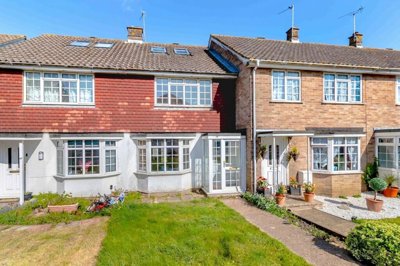
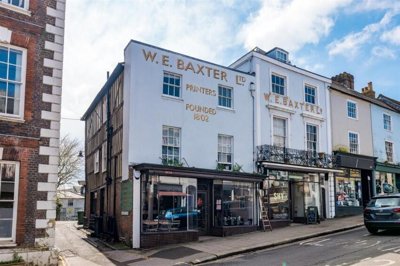
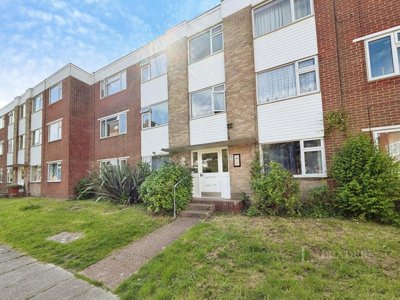
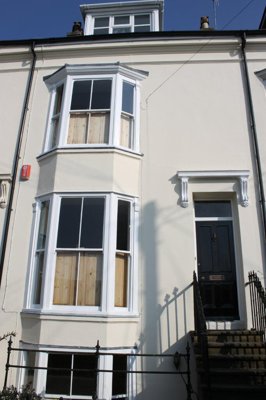
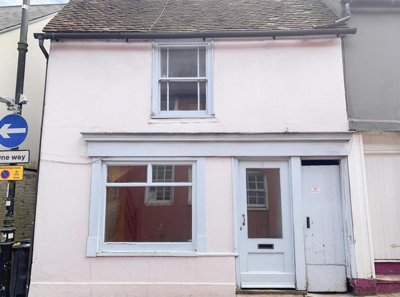
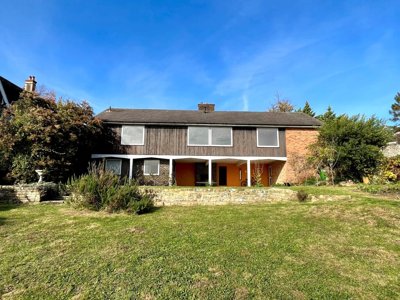
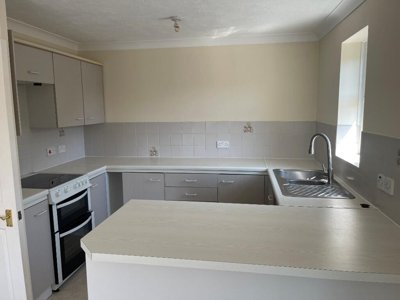
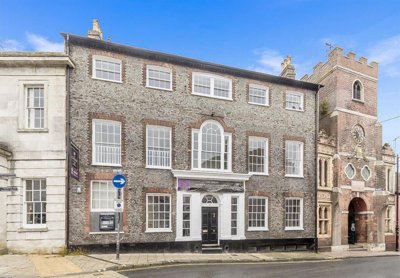
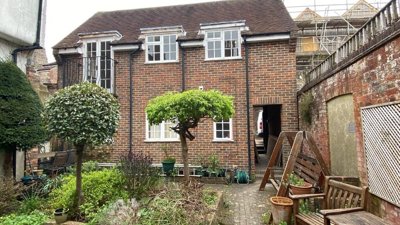
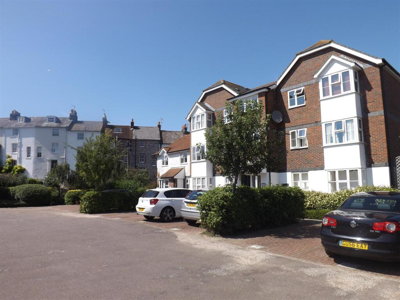
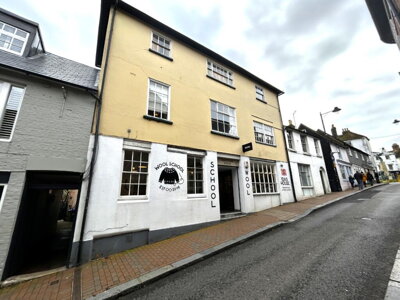
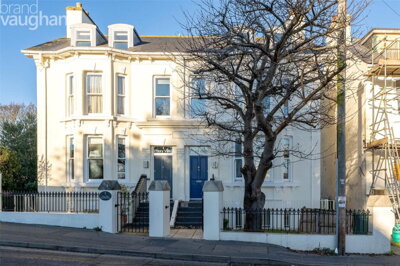
Browse 13 rental homes to rent in Glynde, Lewes from local letting agents.
£0/m
0
0
0
Source: home.co.uk
Glynde sits within the wider Lewes district property market, where the average property price stands at £625,000 for all property types as of early 2026. Rental pricing for the village itself is harder to pin down because Glynde is so small, but homes here usually attract premium rents thanks to their setting inside the South Downs National Park. The stock is mainly detached and semi-detached houses, though traditional cottages and converted farm buildings also form part of the picture. In practice, that means generous rooms, older features and a style of living that tends to suit families and professionals who want more space and a bit of character.
Detached homes in Glynde have recently sold for around £837,500, while semi-detached properties have fetched approximately £525,000 and terraced houses about £450,000. Those figures help set the scene for rental values, with bigger family homes generally drawing stronger monthly rents than smaller places. Transaction activity has been light too, with only 4 property sales recorded in the past 12 months, which reflects a settled village rather than a high-turnover market. For renters, that usually means supply is steady but thin, so registering early with local estate agents makes sense. New build rental properties are not currently available within the Glynde postcode area, so most options are established character homes, often converted or previously owner-occupied.
Being in the South Downs brings a clear premium, and tenants should build that into their budgets from the outset. Homes with views across open downland, or those close to the Glynde Brook, often command higher rents because of their position. Most of the stock is period property, so features such as high ceilings, original fireplaces and traditional wooden floors are common, though they can bring extra maintenance too. Looking at sale prices alongside rental values gives a more realistic feel for what Glynde has to offer.

Glynde is a small civil parish and village in the Lewes district of East Sussex, right inside the South Downs National Park. Around 287 people lived here according to the 2011 census, so it remains the sort of place where faces are familiar and village events pull people together through the year. St Mary the Virgin, the traditional church in the centre, dates from the 13th century and still feels like the village’s spiritual anchor. Glynde Place, the Grade I listed Elizabethan manor house, is the headline landmark, and each summer it hosts the internationally renowned Glyndebourne Festival Opera, which brings visitors from across the world and gives local life a real cultural lift.
Rolling chalk downland, farmland and walking routes shape the land around Glynde, with the South Downs Way and other national trails running nearby. The geology is mainly chalk, with superficial Head deposits and Alluvium close to watercourses, while the Glynde Brook threads through the village and gives the community a natural focal point as well as a habitat for wildlife. The village is a Conservation Area, so new development has to respect its character and existing buildings keep the architectural integrity that makes the place so appealing. Traditional Sussex materials dominate, with flint, local red brick, render and timber weatherboarding giving cottages and farm buildings their distinct look. Roofs are usually finished with clay or concrete tiles, which suits the overall traditional feel.
Life here tends to revolve around community ties and the landscape. The village pub, The, gives residents somewhere to meet, while nearby Firle and Lewes provide shops, doctor surgeries and other everyday services. The Glynde Estate is also a major local employer and landowner, so it plays a part in shaping the area around the village. Walkers, cyclists and anyone who likes being outdoors have the South Downs on the doorstep, and on a clear day the Seven Sisters chalk cliffs can be seen too. For renters wanting rural calm without losing access to culture, Glynde has a lot going for it.

Families looking to rent in Glynde have several education options within sensible travelling distance. The village sits in the East Sussex local education authority area, with primary provision available in nearby villages such as Firle and Ringmer. Firle Church of England Primary School serves younger children up to age 11, in a small setting that fits the village atmosphere well. For secondary education, most pupils travel into Lewes, where schools such as Priory School and Lewes Old Grammar School offer comprehensive and independent routes respectively. The surrounding area gives families enough choice to make village living workable.
In the Lewes area, The Priory School is a well-known comprehensive, while families looking for independent schooling can consider Lewes Old Grammar School and Roedean School in nearby towns. Sixth form provision is available at the Lewes New Market Centre and East Sussex College in Hailsham, which gives older students further options. The University of Brighton and the University of Sussex in Falmer are also accessible thanks to the transport links from here, so higher education does not mean leaving the area entirely. For renters with school-age children, current catchment arrangements with East Sussex County Council need checking, as they can affect eligibility.
School runs in Glynde need a bit of planning. Most secondary schools in Lewes can be reached by bus, although journey times and timetables have to be worked into the day. Primary transport provision is less consistent, and families living in Glynde may need to sort their own travel to schools in surrounding villages. Getting those practical details clear before taking a tenancy helps avoid headaches later on.

Transport links from Glynde balance village life with access to larger towns and cities. The nearest railway station is at Polegate, about 6 miles from Glynde, and it has regular services to London Victoria via Brighton, with journey times usually around 90 minutes. Glynde railway station itself sits just north of the village and links to Lewes, Brighton and Eastbourne, though trains are less frequent than on major urban routes. Many residents drive to Lewes or Polegate for better rail options, and the trip usually takes 15-20 minutes by car depending on traffic.
For people commuting to Brighton, the drive takes about 30-40 minutes via the A27 trunk road, though rush hour congestion can slow things down. The A27 is the main route through the area, connecting Glynde eastwards to Eastbourne and westwards to Worthing and Chichester. Bus services do run, but as is often the case in rural places, they are not very frequent and may not suit every work pattern. Cycling is popular for local trips and leisure, with the South Downs offering attractive routes for confident riders. Gatwick Airport is about 45 minutes away by car, which keeps international travel within easy reach for work or holidays.
That daily travel picture matters for anyone renting in Glynde. The village is a lovely place to live, but most residents still depend on a private car for regular journeys. The A27 can get busy in both the morning and evening peaks, especially near the Falmer and Kingston junctions. People working in Brighton or London need to factor that into their plans. Parking at stations also varies, with Lewes offering much larger car parks than Glynde or Polegate. For those working from home, the peaceful setting is a real plus, although broadband speeds in rural areas should be checked first if fast, reliable internet is essential.

Before starting a search in Glynde, we recommend arranging a rental budget agreement in principle from a lender. It shows landlords that the monthly rent is affordable, usually on the basis of your annual income. Having that paperwork ready can strengthen an application once the right home comes along.
Properties to rent in small villages like Glynde do not always appear on the bigger online portals, so it pays to register directly with estate agents covering Lewes and the wider East Sussex area. Agents who specialise in country homes can tip you off to new listings before they are widely marketed, which gives a useful edge in a market where availability is limited.
It is well worth spending time in Glynde before making a decision. Visit the local amenities, talk to residents and check practical matters such as mobile signal, broadband speed and the nearest school catchments. The village’s Conservation Area status also means some properties may come with restrictions.
Once a suitable property comes up, arrange a viewing quickly. In a village with so little rental stock, homes can be taken fast. Use the visit to inspect everything closely and ask about the landlord’s requirements, the tenancy terms and any limits on pets or alterations.
Before you sign anything, read the tenancy agreement carefully. Standard Assured Shorthold Tenancies in England usually run for 6 or 12 months. A deposit will normally be needed, often equal to 5 weeks rent, and it must be protected in a government-approved deposit scheme. A professional inventory check is also worth arranging, as it helps record the condition of the property at the start and end of the tenancy.
Once an application is accepted, references will need to be supplied, right to rent checks carried out, and the deposit plus first month’s rent paid. Ask for copies of every document and get clear on how maintenance issues are reported and how repairs are handled during the tenancy.
Renting in Glynde calls for a close look at factors that are specific to a rural village. Much of the housing here is older, with plenty of homes dating from before 1919 and numerous listed buildings adding to the heritage feel. Older construction often means solid walls, which behave differently in terms of insulation from modern homes. Before committing, think about whether the property suits your needs for warmth and energy efficiency, because older buildings can cost more to heat. Ask for the Energy Performance Certificate rating and find out whether the landlord has any plans for insulation improvements or double glazing installation.
The Glynde Brook running through the village means some homes, particularly those in lower-lying spots beside watercourses, may face flooding during heavy rain or high water levels. When we view properties, it is sensible to ask the landlord or agent about any flood history and to check whether the address sits within a flood risk zone using the government's flood risk mapping tool. Homes within the Glynde Conservation Area may also be subject to planning limits that restrict external changes or alterations, so it is best to clarify exactly what is and is not allowed before agreeing to anything.
Because the village sits in the South Downs National Park, some properties may have Agricultural Land holdings or rights of way crossing nearby land. Knowing about those arrangements avoids surprises after move-in. Mobile coverage can be patchy in rural villages, so signal strength with a current provider is worth testing before committing. Broadband can also be slower than in towns, so it makes sense to check what services are available if dependable connectivity matters for work or lifestyle. Traditional materials are common here, with flint, red brick, render and clay or slate tiles all appearing on roofs. They give Glynde its distinctive look, but they can need more upkeep than modern construction, which is something to discuss with a landlord before taking on a tenancy.

Glynde’s small size means specific rental price data is not published separately because there have been so few rental transactions. Even so, prices in this sought-after South Downs location are likely to sit at the premium end, with three-bedroom family homes potentially ranging from £1,500 to £2,500 per month depending on condition, size and outside space. Homes with standout views across the Downs, or properties attached to the Glynde Estate, may command even more. For the latest figures, it is sensible to register with local estate agents who can alert us to new listings that fit the brief.
For council tax, properties in Glynde fall under Lewes District Council and East Sussex County Council. The village sits within bands A through H, with most traditional cottages and smaller homes likely to fall into bands B to D, while larger family houses and period properties may sit in bands E to G. The exact band for any address can be checked on the Valuation Office Agency database using the property address or postcode BN8 6.
Primary schooling for the Glynde area is provided by nearby villages, including Firle Church of England Primary School, which teaches children aged 4-11 in a small village environment. Secondary choices include The Priory School in Lewes, a popular comprehensive school rated Good by Ofsted, while Lewes Old Grammar School and Roedean School offer independent routes in nearby towns. For sixth form, Lewes New Market Centre is available. Families should check current catchment areas with East Sussex County Council, as these can affect school places and transport arrangements.
Public transport in Glynde reflects its rural setting. Glynde railway station offers limited services to Lewes, Brighton and Eastbourne, although residents who want more frequent trains usually head to Polegate station, about 6 miles away. From Polegate, trains reach London Victoria in around 90 minutes, so commuting to the capital is possible. Bus services are available, but not often, which is why many residents rely on a car or a bike. The A27 also provides road links to Lewes, Brighton and the wider Sussex network.
Glynde offers a strong quality of life for anyone drawn to a quiet village setting with easy access to the Sussex coast and cultural centres. Its Conservation Area status helps preserve the attractive character of the place, while the South Downs National Park brings excellent opportunities for walking, cycling and birdwatching. Glyndebourne Festival Opera adds real summer prestige. For renters, the trade-offs are clear, there are limited local amenities, transport is needed for shopping and day-to-day errands, and rents can be higher because of the location. Even so, the close community and striking landscape make it a compelling choice for people who put countryside living ahead of urban convenience.
When renting in Glynde, a security deposit equal to 5 weeks rent is usually required, and the landlord has to protect it in a government-approved deposit scheme within 30 days of receiving it. The first month’s rent is also due in advance. Other possible costs include referencing fees, administration charges and check-in costs for a professional inventory report. As a first-time renter in England, stamp duty is not payable on residential leases. A copy of the government booklet "How to Rent" should be provided, and it is sensible to keep all correspondence and receipts during the tenancy.
The Glynde Brook runs through the village, so properties immediately beside it may face flooding from rivers and surface water. Homes in lower-lying areas or those with gardens backing onto the watercourse carry a higher flood risk. The Environment Agency flood risk maps show areas that may be affected during heavy rainfall. We recommend checking the specific flood risk for any property under consideration using the government's online flood risk tool and asking the landlord about any past flooding. Renters should also have contents insurance that includes flood cover, since standard policies may exclude it.
From 4.5%
Arrange a mortgage in principle before renting in Glynde. Showing affordability helps strengthen a landlord application.
From £40
Complete referencing checks so the landlord’s requirements are met when renting in Glynde. Fast turnaround available.
From £400
Before taking on an older Glynde property, a RICS Level 2 Survey can pick up defects in period construction, including damp, roof condition and timber defects.
From £600
For listed buildings or more complex period homes in Glynde, a detailed RICS Level 3 Building Survey gives a fuller picture of construction and defects.
Getting to grips with the costs of renting a property in Glynde matters if we want the budget to stack up. The main upfront payments are the security deposit, capped at 5 weeks rent for properties with annual rent below £50,000, and the first month’s rent in advance. Both are usually due before the keys are handed over. For a property renting at £1,800 per month, the deposit plus the first month’s rent would come to roughly £9,000. As a first-time renter, stamp duty land tax is not payable on residential tenancies in England, although that relief does not apply to renewals or extensions.
Landlords usually ask for professional referencing, and the cost is often between £40 and £150 depending on the provider and how complex the application is. A professional inventory check, which records the condition of the property at the start and end of the tenancy, generally costs between £100 and £300 and is money well spent if the deposit matters to us at move-out. If we are looking at a period property in Glynde, arranging a RICS Level 2 Survey before committing to a long-term tenancy could highlight defects that need attention, giving us room to discuss repairs with the landlord or build likely costs into the decision.
Ongoing budgeting needs to cover monthly rent, council tax, which in Lewes district runs from bands A through H, utility bills and contents insurance. Because many Glynde homes are older, heating bills may be higher than in modern properties, so energy efficiency should be part of the decision. Internet and mobile phone costs should also be allowed for, as rural locations can sometimes carry higher charges for those services. By arranging a rental budget agreement in principle before starting the search, we get a clear picture of what is affordable and can focus on homes within range, rather than wasting time on viewings that will not work.
Energy performance varies a great deal across Glynde’s period housing. Homes with solid walls may not have cavity wall insulation, and properties that still have original single-glazed windows will lose more heat than modern double-glazed alternatives. When planning a Glynde tenancy, it is wise to allow for winter heating costs that may be higher than expected for anyone used to newer homes. Some landlords have already invested in insulation improvements, so ask about upgrades when viewing properties.
Properties to Rent In London

Properties to Rent In Plymouth

Properties to Rent In Liverpool

Properties to Rent In Glasgow

Properties to Rent In Sheffield

Properties to Rent In Edinburgh

Properties to Rent In Coventry

Properties to Rent In Bradford

Properties to Rent In Manchester

Properties to Rent In Birmingham

Properties to Rent In Bristol

Properties to Rent In Oxford

Properties to Rent In Leicester

Properties to Rent In Newcastle

Properties to Rent In Leeds

Properties to Rent In Southampton

Properties to Rent In Cardiff

Properties to Rent In Nottingham

Properties to Rent In Norwich

Properties to Rent In Brighton

Properties to Rent In Derby

Properties to Rent In Portsmouth

Properties to Rent In Northampton

Properties to Rent In Milton Keynes

Properties to Rent In Bournemouth

Properties to Rent In Bolton

Properties to Rent In Swansea

Properties to Rent In Swindon

Properties to Rent In Peterborough

Properties to Rent In Wolverhampton

Enter your details to see if this property is within your budget.
Loans, cards, car finance
Estimated property budget
Borrowing + deposit
You could borrow between
Typical borrowing
Monthly repayment
Est. at 4.5%
Loan-to-value
This is an estimate only. Your actual budget may vary depending on interest rates, credit history, and personal circumstances. For an accurate affordability assessment, speak to one of our free mortgage advisors.
This calculator provides estimates for illustrative purposes only and does not constitute financial advice. Your home may be repossessed if you do not keep up repayments on your mortgage. Estimates based on 4.5% interest rate, repayment mortgage. Actual rates depend on your circumstances.
Homemove is a trading name of HM Haus Group Ltd (Company No. 13873779, registered in England & Wales). Homemove Mortgages Ltd (Company No. 15947693) is an Appointed Representative of TMG Direct Limited, trading as TMG Mortgage Network, which is authorised and regulated by the Financial Conduct Authority (FRN 786245). Homemove Mortgages Ltd is entered on the FCA Register as an Appointed Representative (FRN 1022429). You can check registrations at NewRegister or by calling 0800 111 6768.

We use cookies to show you personalised content and improve your experience of our website. Find out more in our Privacy policy and Cookie policy.