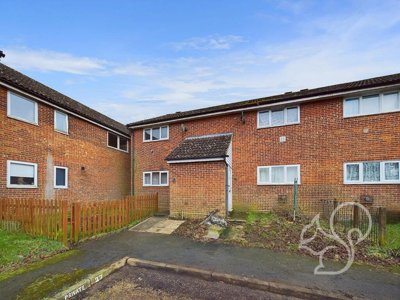
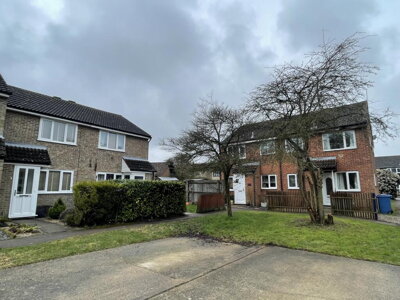
Browse 2 rental homes to rent in Glemsford, Babergh from local letting agents.
One bed apartments provide a separate bedroom alongside distinct living space, bathroom, and kitchen areas. Properties in Glemsford are available in various building types including mansion blocks, contemporary developments, and house conversions.
£0/m
0
0
0
Source: home.co.uk
Showing 0 results for 1 Bedroom Flats to rent in Glemsford, Babergh.
Glemsford may be a modest rental market, but it still gives prospective tenants real choice in a rural Suffolk setting. We see detached family homes, semi-detached places that suit couples or small families, terraced cottages with proper local character, and a small number of apartments for individuals or couples. That spread means renters can look from compact starter homes through to larger places with generous gardens. Property age varies too, so in Glemsford it is easy to move between period cottages, post-war family houses, and newer builds, depending on how much traditional detail or modern convenience matters.
Activity across the wider Babergh area suggests Glemsford prices have moved up by approximately 1.5% over the past twelve months, which points to a steady, gradually firmer market. The average property value here is £309,642, with terraced homes around £230,000 and detached houses at roughly £437,500. Semi-detached properties usually sit near £280,000, while flats and apartments average about £140,000, a reflection of the limited amount of purpose-built apartment stock in the village. For renters, that sort of stability tends to support predictable lease terms rather than sharp swings in the local market.
On Hunts Hill, the Taylor Wimpey scheme at Glemsford Rise, in the CO10 7PZ postcode, is the main new-build presence in the village. It offers 2, 3, and 4 bedroom homes, with prices from £299,995 for a three-bedroom property. These are chiefly for sale rather than rent, yet they still shape the look and feel of the area and may occasionally come onto the rental market if bought as investments. For those who want a newer home, nearby Babergh can offer modern kitchens, updated bathrooms and energy-efficient heating systems.

Glemsford has the kind of village character that keeps drawing renters back to Suffolk. Its roots stretch back to at least the Anglo-Saxon period, and that history still shows in the Conservation Area, especially around The Street and Church Street. Suffolk white brick, red brick, rendered cottages and timber-framed buildings sit side by side, so the streetscape tells a long story of domestic architecture. St Mary's Church and the listed buildings add to that sense of continuity. Many homes in the conservation area use solid walls and exposed timber framing, which gives them charm but also means maintenance needs a careful eye.
For a small place, the community in Glemsford is notably lively. Village clubs, local events and neighbourhood groups keep things moving through the year, and the pub is still a genuine social hub, serving hearty Suffolk food and welcoming new arrivals. Families often value the safe residential roads, countryside footpaths and the way neighbours tend to look out for one another. With a population of 3,130, the village mixes long-term residents with newcomers who have been drawn by lower property prices than those seen in nearby towns. The village hall adds to that rhythm, hosting exercise classes, meetings and social gatherings.
Day-to-day living is straightforward enough in Glemsford. There is a post office, a general convenience store and a pharmacy, so most routine needs can be met locally. For bigger shops or evenings out, Sudbury is about eight miles away and brings supermarkets, high street names and leisure facilities within reach. The surrounding Suffolk countryside is a major pull, with rolling farmland, ancient woodland and public footpaths for walkers, cyclists and anyone who likes being outdoors. We also see the nearby Glem Valley, where the River Glem runs through peaceful walking routes between villages, backed by chalk bedrock and glacial till deposits that create that familiar Suffolk landscape.

Schooling in Glemsford centres on Glemsford Primary School, which takes children from reception through to Year 6 and is the main education option in the village itself. Local families rate it well, partly because it offers a calm setting where younger children can settle into learning and social development. For renters with children, having that primary school close by removes a lot of the stress and cost that can come with transport arrangements. Safe walking and cycling routes help too. With approximately 1,320 households in Glemsford, the school serves a sizeable share of village families and plays a central part in local life.
Secondary schooling usually means looking beyond the village. Several schools and academies can be reached by school transport or by car, and Thomas Gainsborough School in Great Cornard, around six miles away, takes many Glemsford pupils and offers a broad curriculum with strong extracurricular activity. For families weighing up options, admissions rules and catchment areas need checking before a tenancy is agreed. Some parents look at grammar schools in Sudbury or Bury St Edmunds, which involve the eleven-plus examination, while others prefer comprehensive academies serving communities across Babergh. The travel time, and the cost of that daily routine, should be part of the rental decision from the start.
Childcare and preschool provision is another practical point for families living in Glemsford. Village-based early years settings give flexible care for toddlers and preschool children, which helps working parents keep routines manageable. Add in the primary school, childcare options and access to secondary education, and the village works well for families at different stages. It is still wise to look at school transport, breakfast clubs, after-school clubs and holiday care before signing for a property, because those services can shape day-to-day life far more than many people expect. Waiting lists are common in local childcare, so we would advise checking places well ahead of the intended move date.

Glemsford strikes a useful balance between rural calm and practical access to work and services. The village lies about six miles south of Sudbury, where the nearest railway station provides regular services to London Liverpool Street via Marks Tey. From Sudbury, London is roughly ninety minutes away, so the village can work well for people employed in the capital who still want countryside living. The drive to Sudbury takes around twenty minutes, and station parking makes mixed car and rail commuting fairly simple. For anyone heading into London several days a week, the cost and quality-of-life trade-off can compare well with outer London rents.
Local employment patterns matter too. Glemsford is within reasonable driving distance of Bury St Edmunds to the north and Colchester to the east, so many residents commute in those directions. The A131 gives direct access towards Chelmsford and the wider motorway network, while the surrounding lanes connect the village to nearby settlements for local work. Bus services run between Glemsford and Sudbury as an alternative to car travel, although they are not frequent, with buses typically every one to two hours on weekdays. Anyone planning a tenancy here needs to match transport realities with working hours and family commitments.
Cycling is possible, but the setting matters. Some Suffolk towns and villages now have dedicated cycle routes, yet Glemsford itself still asks for confidence on rural lanes if you are planning to commute by bike. For leisure rides, though, the quiet roads around the village are excellent and open up some lovely countryside loops. Parking is another practical issue. Off-street parking, whether a garage or a driveway, often makes a big difference, especially for households with more than one vehicle or with bikes and equipment to store securely. In Glemsford, homes with parking usually attract a premium because narrow village roads can be awkward for larger cars.

Before you begin viewing homes in Glemsford, it is sensible to get a rental budget agreement in principle from a lender or mortgage broker. That document shows letting agents and landlords that the finances are in place, which can strengthen an application. It normally takes income, existing debts and rental history into account to work out the monthly figure you can support. Having it ready before the search begins keeps the focus on homes that fit the budget and tells landlords you are organised and serious. In a market where desirable places can draw several applications, that preparation really matters.
It pays to spend time in Glemsford before committing to a tenancy. View properties at different times of day and on different days of the week so you can get a feel for traffic, noise and the general atmosphere. Stop by the shop, the pub and the village hall, and talk to people who already live there. Think about mobile signal strength, broadband speeds and how easy it will be to reach work or schools from a particular street. The Glem Valley, and homes near the River Glem, may sit in different flood risk categories from properties on higher ground, so checking risk by exact address is time well spent.
Once a shortlist is in place, we recommend arranging viewings through Homemove or directly with local letting agents. Have a proper list of questions ready, covering the state of the property, who is responsible for maintenance, any recent improvements or planned works, and the main terms of the tenancy agreement. Take photographs as you go, so you can compare homes later, and note anything that might affect storage, outside space or garden upkeep. Older Glemsford properties need extra care at this stage, so look closely for damp, the condition of windows and doors, and how old the heating system is.
For older homes, or anything showing signs of wear, a RICS Level 2 Survey before you sign the tenancy agreement can be extremely helpful. In Glemsford, where over 70% of properties are more than fifty years old, these surveys can highlight damp, timber issues or structural movement that may not show up during a standard viewing. Costs usually sit between £400 and £700, depending on the size and complexity of the property, and that outlay can prevent disputes later on. It also gives you a clearer starting point for deposit return at the end of the tenancy and may even change whether the home feels worth renting at all.
Read the tenancy agreement carefully. The deposit amount, rent payment dates, lease length, notice periods and any rules on pets, smoking or alterations all need a close look. In Glemsford, the usual deposit is five weeks' rent, so it helps to understand exactly how the return process works when the tenancy ends. If any clause is unclear, ask for it to be explained before you sign, and keep copies of every document and piece of correspondence. Homes within the Glemsford Conservation Area can carry restrictions on outside changes, and if you want to make external decorations or fit anything new, Babergh District Council may need to grant permission.
There are a few location-specific issues in Glemsford that are easy to miss at first glance. The area sits on boulder clay deposits, and that geology carries a moderate to high shrink-swell potential, which can affect foundations over time. Keep an eye out for movement or subsidence, such as cracks in walls, sticking doors or windows, and uneven floors. Homes near large trees are especially vulnerable, because roots can draw moisture from clay soils and shift the ground. Chalk bedrock under much of the area also influences ground conditions, so a professional survey is useful where there is any doubt.
Flood risk is another factor that deserves proper attention. Glemsford can see surface water flooding in low-lying spots, and properties close to the River Glem may also face fluvial flooding. Before agreeing to a tenancy, check the government flood warning service and find out whether the property has flooded before. Insurance implications can be serious, so it is important to understand who is responsible for flood damage under the tenancy agreement. Homes on higher ground may reduce the risk while still leaving village amenities close at hand. The Glem Valley deserves particular scrutiny, and anyone renting near the river should think about flood alerts as standard.
The Glemsford Conservation Area affects much of the village core, and that brings limits on external alterations that often need planning permission from Babergh District Council. Renters should be aware that decorating outside, fitting satellite dishes or changing listed buildings and conservation area homes may be restricted, or not allowed at all. For longer tenancies, that lack of scope to personalise the outside of a property can matter. Older Glemsford homes also tend to use solid wall construction and timber framing, which affects insulation and heating performance compared with modern cavity-wall houses, and that can feed through into utility costs. Properties built before 1930 usually have solid walls rather than cavities, which also changes how internal walls look and feel.

We do not have specific rental-price tracking for Glemsford in the same way as for house prices, but the village follows wider Babergh rental patterns. A typical three-bedroom semi-detached or terraced home would likely rent for £950 to £1,200 per month, depending on condition, location and the amenities on offer. Detached family houses with larger gardens can reach £1,200 to £1,500 monthly. Because Glemsford is close to Sudbury and Bury St Edmunds, and still more affordable than either, demand from commuters and families remains competitive. Homes on the Taylor Wimpey development at Glemsford Rise may attract premium rents thanks to their modern build and energy efficiency.
Glemsford properties fall within Babergh District Council, and council tax bands run from A through H depending on the home’s value and type. Band A properties, usually the lower-value homes, tend to cost about £1,400 to £1,500 a year, with the higher bands rising proportionately. Renters need to include council tax alongside rent, utilities and the rest of the housing budget. Babergh funds waste collection, recycling and local services through those contributions. Most terraced homes and smaller semi-detached properties in Glemsford sit in Bands A to C, while larger detached houses may fall into higher bands.
Glemsford Primary School is the village’s main school, taking children from reception through Year 6. It is a convenient option for families with younger children because it removes the need for school transport. For secondary education, pupils usually travel to schools in nearby towns, with Thomas Gainsborough School in Great Cornard, Potentially Grammar School in Sudbury, and county schools in Bury St Edmunds all serving local catchment areas. Families should check which Ofsted-rated outstanding or good schools are nearest to their part of the village, and they need to confirm catchment boundaries and transport arrangements before agreeing a tenancy, because places at popular schools can be competitive.
Public transport is limited here compared with an urban area, which is exactly what you would expect from a small rural village. Bus services between Glemsford and Sudbury do run, but they are not frequent, usually every one to two hours on weekdays and less often at weekends. Sudbury, about six miles away, is the nearest railway station and gives direct services to London Liverpool Street via Marks Tey. For commuters who rely on public transport, the combined bus and rail trip to London takes around two to two and a half hours. If you do not have a car, it is worth checking whether that level of service fits your work and social life before you commit to a tenancy.
For renters who want countryside living but still need reasonable access to work and local services, Glemsford offers strong value. The village combines a real sense of community with the basics needed for everyday life, so it suits families, couples and individuals alike. Prices have risen by approximately 1.5% over the past year, which points to healthy demand and supports ongoing investment in the housing stock. If you like the character of a traditional English village, the Suffolk landscape and a slower pace, Glemsford is appealing and affordable within mid-Suffolk. Those who need frequent city amenities, better public transport or nightlife may find it limiting, but the range of property ages and styles still gives genuine choice, from conservation area cottages to newer family homes on the edge of the village.
Normal practice in Glemsford follows national rules, so a security deposit equivalent to five weeks' rent is required for properties with annual rent below £50,000. That deposit has to be protected in a government-approved tenancy deposit scheme within thirty days of receipt, and the landlord must provide the prescribed scheme information. There can still be permitted charges such as referencing fees, administration fees and inventory check-out costs, although most tenant fees were banned for new tenancies from June 2019. You should budget for the first month's rent up front as well, which means roughly six weeks' rent is needed at the start of the tenancy. A rental budget agreement in principle is a sensible first step, because landlords usually want evidence that you can support the tenancy for the full term.
From 4.5%
Get a rental budget in principle before you begin your property search
From £99
Thorough referencing can make a rental application stronger
From £400
Detailed condition survey ideal for older rental properties
From £85
Energy performance certificate for your rental property
Understanding the money side of renting in Glemsford helps keep the process straightforward. The upfront cost usually includes the first month's rent and a security deposit worth five weeks' rent, so you should have around six weeks' rent available before moving in. For a home at £1,000 per month, that first commitment comes to £3,000 before removal costs, utility set-up charges or anything you buy for the house. Some landlords ask for rent in advance on a quarterly or six-monthly basis, which pushes the initial outlay up but can sometimes be agreed as part of the tenancy. It is also sensible to set aside funds for inventory check-in fees, usually £80 to £150, since they cover the detailed record of the property’s condition at the start.
Since the Tenant Fees Act 2019 came into force, most fees once charged to tenants have been banned for new Assured Shorthold Tenancies, so referencing fees, administration charges and check-out fees cannot legally be passed on. Even so, some permitted payments still exist, such as early termination fees if you decide to leave the tenancy early, replacement keys or security device costs, and changes to rent during the tenancy. The deposit is still capped at five weeks' rent for homes below £50,000 annual rent, and it must be protected in a government-approved scheme within thirty days of receipt, with written confirmation of which scheme is being used. At the end of the tenancy, the deposit should come back within ten days of both sides agreeing the final figure, minus any deductions for damage beyond fair wear and tear or unpaid rent.
There are also the ongoing costs to think about once the rent is paid. In Glemsford, council tax can fall under Band A through H depending on the property, and you will also have utility bills for gas, electricity and water, as well as internet and mobile phone services. Broadband speeds can vary in rural parts of the village, and satellite or cable television may be less straightforward than in an urban area. Homes in conservation areas can limit the installation of satellite dishes without planning permission, which may affect television options. Garden upkeep should be agreed in the tenancy, because many Glemsford homes come with gardens that need regular attention through the growing season. Older properties with solid wall construction can also be more expensive to heat than modern cavity-wall insulated homes, so the full housing cost goes well beyond the monthly rent.
Properties to Rent In London

Properties to Rent In Plymouth

Properties to Rent In Liverpool

Properties to Rent In Glasgow

Properties to Rent In Sheffield

Properties to Rent In Edinburgh

Properties to Rent In Coventry

Properties to Rent In Bradford

Properties to Rent In Manchester

Properties to Rent In Birmingham

Properties to Rent In Bristol

Properties to Rent In Oxford

Properties to Rent In Leicester

Properties to Rent In Newcastle

Properties to Rent In Leeds

Properties to Rent In Southampton

Properties to Rent In Cardiff

Properties to Rent In Nottingham

Properties to Rent In Norwich

Properties to Rent In Brighton

Properties to Rent In Derby

Properties to Rent In Portsmouth

Properties to Rent In Northampton

Properties to Rent In Milton Keynes

Properties to Rent In Bournemouth

Properties to Rent In Bolton

Properties to Rent In Swansea

Properties to Rent In Swindon

Properties to Rent In Peterborough

Properties to Rent In Wolverhampton

Enter your details to see if this property is within your budget.
Loans, cards, car finance
Estimated property budget
Borrowing + deposit
You could borrow between
Typical borrowing
Monthly repayment
Est. at 4.5%
Loan-to-value
This is an estimate only. Your actual budget may vary depending on interest rates, credit history, and personal circumstances. For an accurate affordability assessment, speak to one of our free mortgage advisors.
This calculator provides estimates for illustrative purposes only and does not constitute financial advice. Your home may be repossessed if you do not keep up repayments on your mortgage. Estimates based on 4.5% interest rate, repayment mortgage. Actual rates depend on your circumstances.
Homemove is a trading name of HM Haus Group Ltd (Company No. 13873779, registered in England & Wales). Homemove Mortgages Ltd (Company No. 15947693) is an Appointed Representative of TMG Direct Limited, trading as TMG Mortgage Network, which is authorised and regulated by the Financial Conduct Authority (FRN 786245). Homemove Mortgages Ltd is entered on the FCA Register as an Appointed Representative (FRN 1022429). You can check registrations at NewRegister or by calling 0800 111 6768.

We use cookies to show you personalised content and improve your experience of our website. Find out more in our Privacy policy and Cookie policy.