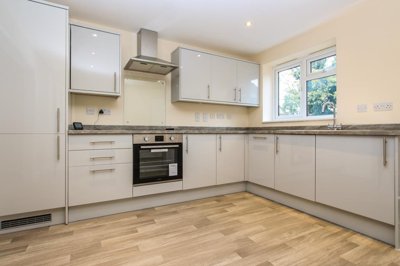
Browse 1 rental home to rent in Glatton, Huntingdonshire from local letting agents.
Three bedroom properties represent a significant portion of the Glatton housing market, offering space for families with multiple reception rooms and gardens in many cases. Browse detached, semi-detached, and terraced options ranging from period character homes to contemporary developments.
£0/m
0
0
0
Source: home.co.uk
Showing 0 results for 3 Bedroom Houses to rent in Glatton, Huntingdonshire.
Glatton's rental market sits in a small, distinctive pocket, shaped by conservation area status and a housing stock that is mostly owner-occupied. 73.42% of residents own outright or with a mortgage, so rental homes are thin on the ground, yet they still draw steady interest from people who want village life without buying in. Being close to Peterborough helps too, since tenants are often after a peaceful base for family life or remote working. What comes up tends to be period cottages, converted farm buildings and, now and then, larger family homes when occupiers move on.
We do not have publicly documented average rental figures for Glatton, but the village sits within the wider Cambridgeshire rental market, where demand in rural villages regularly outpaces supply. Of particular interest are the historic timber-framed cottages along High Haden Road and Glatton Ways, many with original beams, thatched roofs and construction methods dating to the 17th century. Those homes often use wattle and daub infill panels, known locally as "mud and stud", finished with traditional whitewash. Because the village is in a conservation area, any alteration can be sensitive, so it makes sense to speak with the landlord before agreeing to anything.
Glatton's economic make-up has a direct effect on rents. The sales market averages £607,500, while 26.58% of residents rent, whether privately or through social landlords, so the rental side plays a proper role in housing people here. Homes tend to come up after job changes, family shifts or downsizing by long-term locals, which is why availability stays tight.

A walk round Glatton quickly shows how much village life still revolves around familiar places. There are 274 residents across 111 households, but the social centre is clear enough, with the Addison Arms, an early 18th-century pub built from distinctive Flemish bricks and listed Grade II. The Glatton Village Hall, converted from a Nissen Hut left over from the former RAF Glatton airfield, now does the heavy lifting for events and gatherings.
History is hard to miss here. The Grade I listed Parish Church of St Nicholas is the spiritual heart of the village, with parts dating to the 12th century and a major rebuild in the late 15th century, giving Glatton a direct link to more than 800 years of worship. Beyond the church, Manor Farmhouse and several cottages and barns along the main roads add depth to the streetscape. Walk west and the farmland rises and falls gently, while the eastern edge opens towards the flat sweep of the Fens.
There is a modern story here as well, tied to Connington Airport, once RAF Glatton. Built around 1943 and used as a bomber airfield during World War II, it is now Peterborough's airport for private aviation, which gives this traditional Cambridgeshire village an unexpected extra layer. Glatton Hall, formerly a large estate, now operates as St Georges Nursing Home, showing how older buildings can be given new purpose while still supporting local care provision. For renters, that mix makes the village feel genuinely lived in, with each lane carrying its own history.

Families looking to rent in Glatton will find schooling available in the village itself and in nearby communities. The village falls within the Cambridgeshire local education authority, which usually performs above national averages in school results. With such a small population, class sizes are often favourable, and children can benefit from a strong sense of belonging in the school community. Primary places are available at nearby village schools, and pupils usually move on to secondary schools in the surrounding market towns.
Cambridgeshire gives families aiming for strong academic results a fair amount of choice, with several well-regarded secondary schools and sixth form colleges within a workable commute. In some parts of the county, the selective system also includes grammar schools, opening a route for academically able pupils. Around Glatton, secondary options include schools in Huntingdon and St Ives, and school bus services typically run from the village to those destinations. Catchments and admissions can be competitive, so we would check the detail early.
Because Glatton is close to larger towns, families can move between village primaries and comprehensive schools in nearby settlements without too much trouble. School transport to Huntingdon and St Ives is usually available, with bus services running from the village to secondary schools in those larger places. For parents who want educational choice without giving up countryside living, renting in Glatton gives access to Cambridgeshire's strong school network as well as a quieter way of life.

Glatton punches above its weight on transport, given its size, balancing rural calm with practical access to major cities. The village sits within a reasonable distance of the A1(M), which gives direct north-south links to London and Newcastle, while the A14 connects to Cambridge, Felixstowe and the midlands. For rail travel, Huntingdon offers East Coast Main Line services, and London Kings Cross is typically around 50 minutes away. Peterborough station adds more services and extra destinations too.
Local bus services run between Glatton and the surrounding villages and towns, which helps residents who do not have a car. Connington Airport, formerly RAF Glatton, is close by for private aviation, while commercial flights are usually taken from London Stansted or London Luton airports. For people commuting to Cambridge, Peterborough or London, Glatton can mean lower property costs than those employment centres, without making travel impossible.
The geography matters as well. The west of the parish is gently undulating farmland, while the eastern boundary meets the Fens, so the terrain changes noticeably across a short distance. That flatter edge towards the Fens makes cycling more realistic for shorter trips, and cycle routes in the area are slowly improving. Bus services can be sparse because the village population is small, so current timetables are worth checking before work commutes are planned.

Take a look at properties to rent in Glatton and you will see the range is fairly narrow, from period cottages to family houses. The village's conservation status, plus its historic stock of timber-framed homes dating to the 17th century, means expectations need to be realistic from the outset. Rental homes are limited because 73.42% of residents own their properties, so chances to rent here do not come around often.
Once we have identified properties of interest, we arrange viewings through Homemove or directly with local letting agents. In a village as sought after as Glatton, homes can disappear quickly, so prompt action is usually wise. A viewing gives us the chance to assess the property's condition and talk through terms with the landlord or agent. Many homes here are listed buildings or sit within the conservation area, so it is also the point where any restrictions or conditions affecting the tenancy can be discussed.
Before we commit to any rental property, we would want a rental budget agreement in principle in place, so landlords can see that affordability has already been tested. That sort of financial pre-qualification strengthens a tenant's position and shows clear intent. In Cambridgeshire's rural villages, where supply is limited and rents can be at a premium, having the finances ready before viewings is especially useful in places like Glatton.
We usually see landlords in Glatton asking for references, proof of income, identification and right to rent documents. In Cambridgeshire, the referencing process is often thorough, with credit checks and employment verification included as standard. If those papers are ready in advance, the application moves faster, which matters in a village market where landlords can afford to be selective.
Our chosen referencing service will check identity, employment status and rental history. In rural Cambridgeshire, landlords often favour tenants with stable jobs and local ties. References from previous landlords and employers can make a strong difference. Many landlords in villages like Glatton are looking for long-term tenants who will respect the historic character of the property and keep good relations with neighbours.
Once referencing is complete and the terms are agreed, we sign a tenancy agreement that sets out the rent, deposit, term and conditions. In Glatton, the paperwork may include clauses linked to the conservation area or listed building status, including the need for landlord permission before any alterations. We always check the fine print carefully, and that includes who is responsible for maintaining period features, thatched roofs or timber-framed elements.
Glatton rents are not the same as urban lets, and that is worth bearing in mind from the start. Properties in this conservation village often use timber-framed structures, thatched roofs and traditional building methods such as wattle and daub infill panels, all of which call for a different level of care. Prospective tenants should look closely for damp, timber deterioration or structural movement, because older homes need ongoing maintenance that responsible landlords ought to deal with. Many village properties are Grade II listed, so some alterations or improvements may need Listed Building Consent from Huntingdonshire District Council.
The local geology in Glatton is clay land, which brings shrink-swell issues into play, especially for older buildings with shallower foundations. Clay soils can move during dry spells or when moisture levels change, and older homes may show the effects over time. A professional survey before committing to a tenancy can pick up structural concerns linked to the construction type and ground conditions.
Flood risk is another practical point for renters in Glatton, given the eastern boundary with the Fens and the clay geology across the parish. While detailed flood risk data for the village itself is limited, the closeness of fenland areas means surface water drainage and ground conditions deserve proper attention at inspection. We would talk to the landlord about flood history and drainage, and check how those issues are dealt with in the tenancy agreement. Buildings insurance and maintenance responsibilities should be set out clearly to avoid arguments later on.
With properties ranging from the 16th century to more recent conversions, it is important to understand the make-up and condition of any home before signing. Traditional features, especially thatched roofs, need specialist maintenance, and the tenancy agreement should spell out who pays for that work and related costs.

Renting in Glatton involves a few upfront costs that are best budgeted for before the search begins. The standard deposit is five weeks' rent, held in a government-approved deposit protection scheme for the duration of the tenancy and returned at the end, subject to deductions for damage or unpaid rent. Inventory checks matter here, particularly in period properties, where existing wear on historic features should be recorded carefully to avoid disputes when the tenancy ends.
There are other costs to factor in too, including inventory check fees, which help both landlord and tenant by recording the property's condition at the start and end of the tenancy. Energy Performance Certificate assessments are the landlord's responsibility, although they still form part of the wider cost of letting. We would also budget for moving costs, contents insurance and possible utility setup fees. In Cambridgeshire villages like Glatton, council tax is handled by Huntingdonshire District Council and is paid by the tenant, with the band depending on the property's assessed value.
Many period cottages in Glatton may sit in lower council tax bands because of their age and construction type, while larger family homes can fall into higher bands. Specific council tax bands for properties in Glatton can be checked through the Valuation Office Agency website or by contacting Huntingdonshire District Council directly. First-time renters should also note that while Stamp Duty Land Tax relief is more usually linked to purchases, certain rental agreements may qualify for relief where the annual rent falls below specific thresholds.
Average rental figures for Glatton are not publicly set out in detail, but the village sits within Cambridgeshire's rural rental market, where demand in conservation villages regularly outstrips supply. On the sales side, home.co.uk reports an average price of £607,500, with recent trends showing a 19.8% decrease over the past 12 months and a 35% decrease from the 2018 peak of £932,500. Homes here range from period cottages to family houses, and rents tend to reflect both the village's desirability and the quality of its historic stock. For current rental pricing, we recommend searching available properties in Glatton through Homemove, which provides up-to-date listings and median rent data for the local area.
Properties in Glatton fall under Huntingdonshire District Council's council tax scheme, with bands ranging from A through to H depending on the property's assessed value. Many period cottages here, including timber-framed 17th-century cottages and historic buildings along High Haden Road and Glatton Ways, may sit in lower bands because of their age and traditional construction type. Larger family homes and newer conversions in the village could fall into higher bands. Specific council tax bands for properties in Glatton can be checked through the Valuation Office Agency website or by contacting Huntingdonshire District Council directly.
Glatton itself has a small population, so primary education is usually accessed through nearby village schools in Cambridgeshire. The village falls within the Cambridgeshire local education authority, which generally achieves above-average results in national education metrics. Several primary schools in the surrounding area have good or outstanding Ofsted ratings, serving families from Glatton and neighbouring villages. Secondary options include schools in market towns such as Huntingdon and St Ives, with school bus services operating from the village. For families aiming at grammar school placement, Cambridgeshire's selective system offers a route for academically capable pupils.
Glatton is served by local bus routes connecting the village to nearby towns and villages, which gives residents without a car a basic public transport link. For rail travel, Huntingdon station on the East Coast Main Line offers services to London Kings Cross in approximately 50 minutes, while Peterborough station adds further connectivity and routes beyond. The A1(M) and A14 are both accessible for driving, so commuting to Cambridge, Peterborough and London remains practical. Daily bus services may be limited because the village has only 274 residents, so checking timetables in advance is sensible.
For renters who want countryside living in a conservation village, Glatton offers a strong quality of life. Historic homes, including properties dating from the 16th century and numerous listed buildings, sit alongside a genuine sense of community and access to open countryside across the gently undulating farmland in the western parish. With 73.42% of residents being homeowners, renters become part of a settled place where neighbours often know each other. Huntingdon and Peterborough are both within reach, and the A1(M) plus the East Coast Main Line keep work and amenities accessible. The trade-off is obvious enough, because the village's small size, with only 111 households, means rental homes come up infrequently.
When renting in Glatton, we would usually expect a deposit of five weeks' rent, protected in a government-approved scheme under the Tenant Fees Act 2019 and returned at the end of the tenancy, subject to deductions for damage or unpaid rent. Other permitted fees include referencing costs covering credit checks and verification of identity and employment status, typically arranged through a tenant referencing service. Inventory check fees are standard in Glatton, where period features in historic homes should be documented carefully at both the start and end of the tenancy to protect both sides. Unlike the deposit, referencing and inventory fees are generally non-refundable.
The rental market in Glatton is dominated by period homes that reflect the village's historic character, including 17th-century timber-framed cottages with thatched or tiled roofs, converted agricultural buildings and barns, and sometimes larger family houses. Many of these are listed buildings or sit within the conservation area, so tenants need to understand the maintenance obligations and permitted alterations before committing. Historic cottages along High Haden Road and Glatton Ways are especially notable, with traditional wattle and daub panels, original beams and period detailing. Flats are uncommon here, which suits the village's mainly residential and agricultural feel. What is on offer is limited, but usually carefully kept and representative of the best of the local housing stock.
The eastern boundary of Glatton parish meets the flat landscape of the Fens, and that affects both the local setting and what renters should think about when choosing a property. Homes near that side of the village may have different drainage characteristics and more exposure to surface water issues than those in the gently undulating western farmland. Clay geology across the parish affects ground conditions and drainage, with clay soils sometimes causing foundation movement in older properties during dry weather or periods of heavy rainfall. We would discuss drainage and any past flood history with landlords, and weigh those points carefully before deciding where in the village to rent.
Understand your affordability before you start your property search
From 4.5%
Essential verification for your tenancy application
From £120
Document property condition to protect your deposit
From £80
Energy performance certificate for rental properties
From £80
Properties to Rent In London

Properties to Rent In Plymouth

Properties to Rent In Liverpool

Properties to Rent In Glasgow

Properties to Rent In Sheffield

Properties to Rent In Edinburgh

Properties to Rent In Coventry

Properties to Rent In Bradford

Properties to Rent In Manchester

Properties to Rent In Birmingham

Properties to Rent In Bristol

Properties to Rent In Oxford

Properties to Rent In Leicester

Properties to Rent In Newcastle

Properties to Rent In Leeds

Properties to Rent In Southampton

Properties to Rent In Cardiff

Properties to Rent In Nottingham

Properties to Rent In Norwich

Properties to Rent In Brighton

Properties to Rent In Derby

Properties to Rent In Portsmouth

Properties to Rent In Northampton

Properties to Rent In Milton Keynes

Properties to Rent In Bournemouth

Properties to Rent In Bolton

Properties to Rent In Swansea

Properties to Rent In Swindon

Properties to Rent In Peterborough

Properties to Rent In Wolverhampton

Enter your details to see if this property is within your budget.
Loans, cards, car finance
Estimated property budget
Borrowing + deposit
You could borrow between
Typical borrowing
Monthly repayment
Est. at 4.5%
Loan-to-value
This is an estimate only. Your actual budget may vary depending on interest rates, credit history, and personal circumstances. For an accurate affordability assessment, speak to one of our free mortgage advisors.
This calculator provides estimates for illustrative purposes only and does not constitute financial advice. Your home may be repossessed if you do not keep up repayments on your mortgage. Estimates based on 4.5% interest rate, repayment mortgage. Actual rates depend on your circumstances.
Homemove is a trading name of HM Haus Group Ltd (Company No. 13873779, registered in England & Wales). Homemove Mortgages Ltd (Company No. 15947693) is an Appointed Representative of TMG Direct Limited, trading as TMG Mortgage Network, which is authorised and regulated by the Financial Conduct Authority (FRN 786245). Homemove Mortgages Ltd is entered on the FCA Register as an Appointed Representative (FRN 1022429). You can check registrations at NewRegister or by calling 0800 111 6768.

We use cookies to show you personalised content and improve your experience of our website. Find out more in our Privacy policy and Cookie policy.