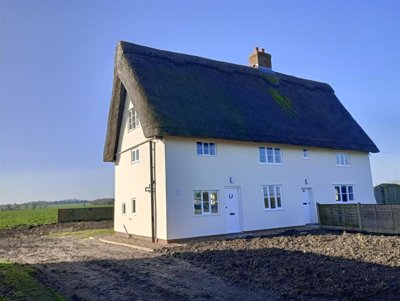
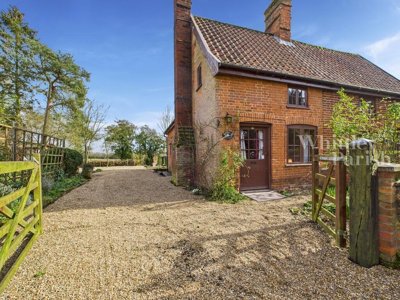
Browse 2 rental homes to rent in Gissing, South Norfolk from local letting agents.
£0/m
0
0
0
Source: home.co.uk
homedata.co.uk records show the local market has been active but limited, with the year-average house price at £255,000 and a clear decline from the £650,000 peak in 2022. Detached homes reached £612,500 on a median basis from two sales in 2023, which underlines how valuable larger character properties can be in the village. Semi-detached homes were recorded at £255,000 from a 2025 sale, and terraced homes at £345,000 from a 2019 sale. For renters, that pattern hints at a small settlement where the supply of homes can be patchy and individual properties matter a lot.
No active new-build developments were found specifically within the IP22 postcode area, so the stock is likely to be shaped more by established homes than by large modern estates. One listing described the village as offering a beautiful assortment of many period properties, and that character shows through in the type of homes people associate with Gissing. In practical terms, renters may see detached cottages, converted homes and older houses rather than large blocks of flats, which fits the absence of flat sales data. Because the market is small, good homes can appear with little notice, so a prepared budget and quick response matter.

Gissing feels like a proper Norfolk village, with a landscape shaped by farmland, narrow roads and a long history that reaches back centuries. The parish has an ancient church believed to date to the 12th century, which gives a strong sense of continuity and explains why older homes sit so naturally in the village streetscape. Research points to many period properties, so you can expect character features and older building fabric rather than uniform modern housing. For many renters, that history is the real appeal, especially if they want a quieter setting with a sense of place.
Day-to-day living here suits people who value community as much as convenience. The village is described as picturesque, rural and steeped in history, with a strong and active local community that helps it feel lived-in rather than isolated. Nearby Burston adds a useful local reference point, and Diss expands the range of shops, services and social options. That combination works well for tenants who want countryside living without giving up access to essential amenities.
Rural life does bring trade-offs, and Gissing is best suited to renters who are comfortable with a more relaxed pace. There is no sign of large-scale new-build activity in the postcode area, so the housing mix is likely to stay distinctive and low-density. That can be a plus if you want privacy, parking and views, but it can also mean fewer immediate choices when a property comes up. If you are comparing Gissing with a town rental market, think of it as a place where character and setting often matter more than volume.
Families looking at Gissing usually widen their search beyond the village boundary, because the immediate area is small and school options are spread across nearby settlements. Research highlights a primary school in Burston, which gives local families a nearby option for younger children. Diss is the more obvious centre for secondary education, and Diss High School is specifically mentioned in the research as part of the local choice. That makes the village workable for family renters who are happy to factor in a short drive or school-run routine.
The school landscape here is shaped by geography as much as by postcode rules. In a rural part of South Norfolk, proximity can matter more than assumptions, and it is wise to check current admissions arrangements before you commit to a tenancy. If you are moving with children, look carefully at the route to school, bus availability and whether your chosen home sits within the area you need. A property may look ideal on paper but become less practical if the school run depends on multiple transfers or a long car journey.
Older family homes can also be more appealing to parents who need a bit more space for homework, storage and working from home. Detached properties have the strongest price point in the research, with a median of £612,500, while semi-detached homes sat at £255,000, which shows how much size and style affect value in the village. That spread can help renters understand why some homes feel like family houses and others suit couples or single occupants better. For up-to-date catchment checks, speak to the schools and the local authority before you sign.
Gissing has a useful rural position if you want village living with a workable commute. The A140 is a major benefit, giving direct road access through the county and linking the village to wider routes for work, shopping and appointments. Rail users are likely to rely on nearby Diss, where the research confirms rail connections to London. That setup suits people who can drive to the station or combine local roads with train travel rather than expecting a doorstep rail stop.
Public transport in a small parish is usually more limited than in a town, so planning ahead matters. Bus services may not be as frequent as commuters would like, which makes car access and parking a bigger factor when choosing a rental home. If you travel regularly, think about school runs, shift patterns and how winter weather can affect country roads. For many tenants, the best compromise is a home close enough to the A140 and the Diss rail connection to keep journeys predictable.
Start with a rental budget agreement in principle, then decide the monthly rent, deposit and moving costs you can comfortably handle.
Compare Gissing with nearby Burston and Diss so you understand school access, rail links, shops and the day-to-day rhythm of each place.
Good homes in a small village can appear quickly, so arrange viewings as soon as a suitable property comes up and ask about availability straight away.
Many local homes are period properties, so look closely at heating, windows, insulation, drainage, parking and any signs of damp.
Confirm the deposit, holding deposit, tenancy length, pet rules and any maintenance responsibilities before you commit.
Photograph the property on day one, keep the inventory safe and set up council tax, utilities and broadband before your tenancy begins.
Older village homes can be charming, but they also ask for a careful inspection. Research found no specific flood-risk, geology or shrink-swell data for Gissing, so it makes sense to do your own checks on a property-by-property basis. If a home sits near low-lying land or a drainage route, ask the agent how water has behaved in heavy rain and whether any historic issues have been recorded. A quick flood-risk search can save you from problems later.
Heritage features are part of the appeal here, and one property in the village is described as a Grade II Listed period house, which is a reminder that some homes will come with extra restrictions. Listed buildings often need more sensitive maintenance, and even unlisted period properties can have older electrics, draughty windows or uneven floors. If you are renting a flat or conversion, ask about service charges, ground rent and who handles repairs, because older properties can hide costs as well as character. For houses, check access lanes, parking and garden upkeep, since rural homes often place more responsibility on the tenant.

We do not have a verified live average rent figure in the research pack for Gissing. What we can confirm is that homedata.co.uk records show an average house price of £255,000 over the last year, down 61% from the 2022 peak of £650,000. That gives a useful sense of the local value level, especially in a small village where each property can differ a lot. For a real rental budget, compare listings as they appear and secure a rental budget agreement in principle before you start viewings.
Council tax bands are set by the local authority, South Norfolk District Council, and they vary by property type and size. In a village like Gissing, a smaller period cottage may sit in a lower band than a larger detached home, but you need to check each property individually. The agent or the council can confirm the exact band before you commit to a tenancy. That check matters because it changes your monthly outgoings just as much as the rent itself.
The research highlights a primary school in Burston for younger children and Diss High School as a secondary option in the nearby town of Diss. Families often use Diss as the education hub because the village itself is small and school choices are spread across the surrounding area. It is sensible to check admissions, transport and catchment boundaries before you decide on a tenancy. A home that looks ideal can become less practical if the school run is too complex.
Gissing is better connected by road than by public transport, with the A140 providing useful access through the county. For rail travel, the research points to nearby Diss, which has connections to London. Bus options are likely to be more limited than in a town, so many renters will find a car helpful for commuting and daily life. If you travel regularly, check station parking and local timetables before you choose a home.
Yes, if you want a rural village with period character and a strong sense of community. The village is described as picturesque and steeped in history, with many older homes and an ancient church that goes back to the 12th century. It suits renters who value calm surroundings, village identity and access to Diss rather than a dense urban rental scene. The main trade-off is choice, because smaller places can have fewer homes available at any one time.
In England, a tenancy deposit is usually capped at five weeks' rent if your annual rent is under £50,000, and a holding deposit is usually capped at one week's rent. You will also need to budget for the first month's rent and any permitted fees, such as changing a tenancy or replacing a lost key. Ask the landlord or agent exactly what is due before you apply, because charges should be clear and lawful. A rental budget agreement in principle helps you work out whether those upfront costs fit your finances.
The research did not find any active new-build developments specifically within the IP22 postcode area. That suggests the local market is likely to be driven more by established homes, conversions and older village properties. If you want a modern build, you may need to widen your search to Diss or other nearby settlements. In a small village market, timing matters because the right home may appear only occasionally.
From 4.5%
Compare rental budget rates and find the best deal before you book viewings
From £499
Check your referencing paperwork before you apply
From £150
Check energy performance for older village homes
From £350
Helpful when you are weighing up a period rental or future purchase
Upfront renting costs are often the part people underestimate, especially in a small village where the right property may tempt you to move quickly. Your main payments are usually the holding deposit, the tenancy deposit, the first month of rent and any moving costs such as removals or utility setup. Because Gissing has many period properties, it also helps to ask about heating type, insulation and likely winter running costs before you commit. Older homes can be wonderfully characterful, but they may cost more to keep warm than a newer build.
A good budget should go beyond the advertised rent and account for council tax, broadband, parking, travel and the cost of day-to-day car use if you commute by road. If the home is a conversion or a flat, confirm whether any service charge applies and who deals with repairs, especially for shared roofs, communal areas or access routes. For houses, ask about garden care, oil tanks, drainage and any responsibilities that sit with the tenant. The more you know before you sign, the easier it is to settle into village life without surprises.
Properties to Rent In London

Properties to Rent In Plymouth

Properties to Rent In Liverpool

Properties to Rent In Glasgow

Properties to Rent In Sheffield

Properties to Rent In Edinburgh

Properties to Rent In Coventry

Properties to Rent In Bradford

Properties to Rent In Manchester

Properties to Rent In Birmingham

Properties to Rent In Bristol

Properties to Rent In Oxford

Properties to Rent In Leicester

Properties to Rent In Newcastle

Properties to Rent In Leeds

Properties to Rent In Southampton

Properties to Rent In Cardiff

Properties to Rent In Nottingham

Properties to Rent In Norwich

Properties to Rent In Brighton

Properties to Rent In Derby

Properties to Rent In Portsmouth

Properties to Rent In Northampton

Properties to Rent In Milton Keynes

Properties to Rent In Bournemouth

Properties to Rent In Bolton

Properties to Rent In Swansea

Properties to Rent In Swindon

Properties to Rent In Peterborough

Properties to Rent In Wolverhampton

Enter your details to see if this property is within your budget.
Loans, cards, car finance
Estimated property budget
Borrowing + deposit
You could borrow between
Typical borrowing
Monthly repayment
Est. at 4.5%
Loan-to-value
This is an estimate only. Your actual budget may vary depending on interest rates, credit history, and personal circumstances. For an accurate affordability assessment, speak to one of our free mortgage advisors.
This calculator provides estimates for illustrative purposes only and does not constitute financial advice. Your home may be repossessed if you do not keep up repayments on your mortgage. Estimates based on 4.5% interest rate, repayment mortgage. Actual rates depend on your circumstances.
Homemove is a trading name of HM Haus Group Ltd (Company No. 13873779, registered in England & Wales). Homemove Mortgages Ltd (Company No. 15947693) is an Appointed Representative of TMG Direct Limited, trading as TMG Mortgage Network, which is authorised and regulated by the Financial Conduct Authority (FRN 786245). Homemove Mortgages Ltd is entered on the FCA Register as an Appointed Representative (FRN 1022429). You can check registrations at NewRegister or by calling 0800 111 6768.

We use cookies to show you personalised content and improve your experience of our website. Find out more in our Privacy policy and Cookie policy.