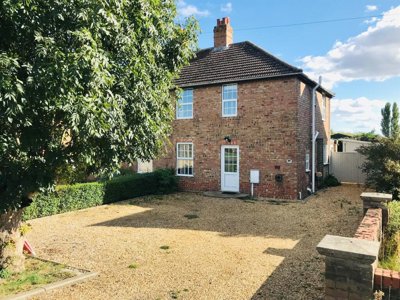
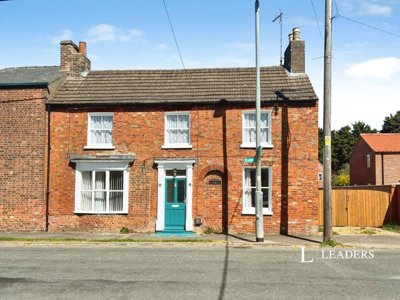
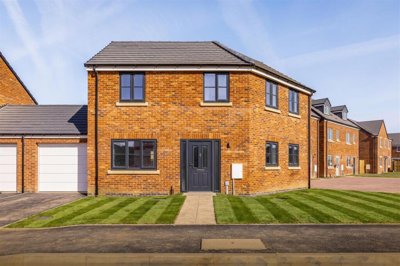
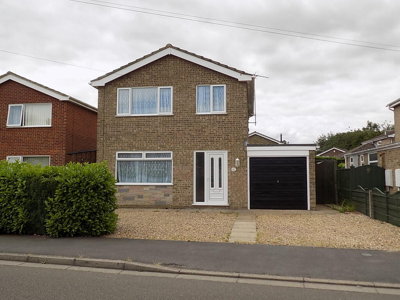
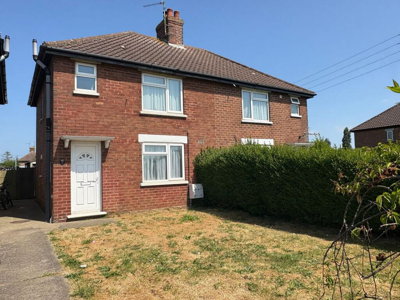
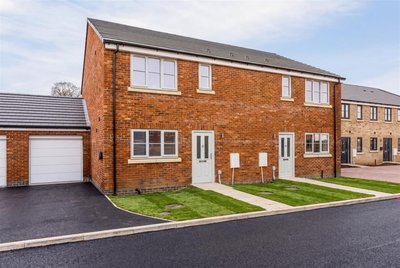
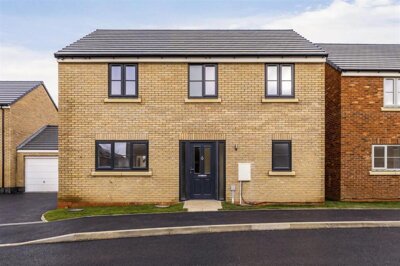
Browse 7 rental homes to rent in Gedney, South Holland from local letting agents.
Three bedroom properties represent a significant portion of the Gedney housing market, offering space for families with multiple reception rooms and gardens in many cases. Browse detached, semi-detached, and terraced options ranging from period character homes to contemporary developments.
£975/m
1
0
60
Source: home.co.uk
Showing 1 results for 3 Bedroom Houses to rent in Gedney, South Holland. The median asking price is £975/month.
Source: home.co.uk
Semi-Detached
1 listings
Avg £975
Source: home.co.uk
Source: home.co.uk
Across Gedney and South Holland, our rental figures follow the wider pattern we see in this part of Lincolnshire. Average rents in Gedney sit around the £1,175 to £1,200 mark per calendar month, which gives useful context for the local market where detached and semi-detached homes do come up. Detached properties usually fetch higher rents because of their size and rural setting, while smaller terraced cottages tend to be the more accessible choice for renters watching the budget.
homedata.co.uk reports the average sold house price in Gedney at £306,000, while home.co.uk shows £267,919 over the past year. Those sales figures feed into rental expectations, and family homes typically land somewhere between £975 and £1,200 per month, depending on size, condition, and specification. The market has held up reasonably well despite economic pressure, with property values sitting approximately 8% down on the 2021 peak of £289,917. For renters, that means competitive rents, but also room to negotiate sensible terms, especially where longer lets are agreed directly with local landlords.
Gedney’s housing stock is varied, and that shows in the figures. Detached properties averaged £294,271 in recent sales, semi-detached homes sold for around £185,833, and flats came in at approximately £128,000. For renters, those numbers help set expectations around what landlords are likely to seek in return. Several homes in the village date from the Victorian and Edwardian periods, with original features that many people like, although they can bring maintenance issues and higher energy costs.
Rental availability in Gedney itself is often seasonal and fairly limited, simply because the village is small. The wider South Holland area gives more choice, though, with villages such as Long Sutton and Holbeach adding to the pool. Long Sutton has a larger population than Gedney and brings extra rental opportunities, especially on residential estates built during the 1980s and 1990s that come up for rent from time to time. Holbeach is another option, with Victorian terraces alongside newer developments near the A17 corridor.

Gedney offers the sort of village life many people picture when they think of rural Lincolnshire, set in the flat, fertile lands of South Holland. The community is close-knit and welcoming, and the parish church, village hall, and primary school all act as focal points for local life. Beyond the village, the Fenland landscape stretches out for miles, with farmland filling the view and giving a real sense of space and calm. Walking and cycling routes cut across the fields and drainage channels too, so day-to-day exercise can feel peaceful rather than hurried.
For the nearest full range of shops and services, residents usually head to Spalding, about 8 miles away. There you will find supermarkets, independent shops, healthcare facilities, and leisure centres. Gedney’s position between Spalding and Long Sutton gives people a handy mix of access and seclusion, so shopping and dining are easy enough without losing the quieter home life. Traditional rural events and community activities also help new residents settle in quickly, which matters in a village where local connections still count.
The land around Gedney tells its own story. Centuries of drainage and agricultural improvement have shaped the flat Fenland terrain that defines this part of the county. Those same drainage channels and stations that make farming possible also create some surprisingly good walking routes through the countryside. Plenty of renters are taken aback by how striking it can be, with huge skies over open fields and sunsets that city living rarely matches. For many, that sense of space is one of Gedney’s biggest draws.

Education in Gedney is centred on Gedney Church of England Primary School, which serves families in the village and the wider rural catchment. It teaches children from reception through to Year 6, and its smaller classes give it a more community-led feel than many urban schools. For households thinking about renting here, the primary school is often a major part of the decision. The church school ethos appeals to parents who value traditional educational values and a close local network.
For secondary education, Gedney residents usually look to Spalding Grammar School and Spalding High School, both in Spalding and both needing daily transport. They serve a wide area across South Holland and are oversubscribed in popular years, so early applications matter. There are also faith and academy secondary schools in nearby market towns, while post-16 students can use sixth form provision in Spalding or travel on to further education colleges in Peterborough or Boston.
Travel to secondary schools in Spalding normally takes 20-30 minutes by car, and eligible pupils in the Gedney catchment area can make use of school transport. Families renting in the village should build those timings into their planning, especially if they do not have a private car. Lincolnshire’s grammar school system is selective, so anyone aiming for Spalding Grammar School, or another grammar school in the region, needs to start 11-plus preparation early.

Transport around Gedney reflects its rural setting, so private cars are the main form of daily travel for most residents. The village sits roughly 10 miles from the A16, the main north-south route linking Spalding to Grimsby and Liverpool through the M180 motorway network. For commuters heading to Peterborough or Cambridge, the drive usually takes about 45 minutes in normal traffic, which makes Gedney a practical base for people working flexibly or hybrid.
Public transport is available, but only in a limited way. Local bus routes link Gedney with Spalding, Long Sutton, and nearby villages, although services are usually restricted to weekday mornings and afternoons, with reduced Saturday timetables. Spalding and Sleaford are the nearest railway stations, giving access to Peterborough, Grantham, and longer-distance journeys including London King's Cross. For air travel, Stansted Airport is about 90 minutes away by car, while East Midlands Airport takes around two hours for international departures.
For shorter trips, cycling can work well here because the Fenland terrain is flat. Dedicated routes connect Gedney with neighbouring villages and the wider South Holland area, and many residents like being able to reach local amenities while still getting out into the countryside. The flatness makes riding straightforward, though distances can feel longer than they would on hillier ground, so it pays to plan timings properly when building a routine.

We advise tenants to contact rental budget providers and secure a rental budget agreement in principle before viewing properties. That document gives landlords and agents a clear sign that the monthly rent and the extra costs are affordable. Our partners usually turn these agreements around quickly, often within 24-48 hours.
Browse available properties in Gedney and the surrounding South Holland villages through Homemove and local estate agents. Knowing what is out there, and what the usual rent levels look like, helps narrow the search and lets you move fast when a suitable home appears. In villages like Gedney, properties can go quickly, especially in spring and summer when many families want to move between school years.
As soon as a property catches your eye, book the viewing. The rural rental market can move quickly for well-priced homes, so it makes sense to see places soon after they are listed and to come prepared with questions on condition, tenancy terms, and landlord expectations. An in-person visit matters, particularly in older village homes where photos often miss the character or the quirks of the property.
Once you have found the right home, send in a full rental application with references, proof of income, and your rental budget in principle. Local landlords and agents tend to value applications that are complete and easy to process, and that can make yours stand out. In a competitive rural market, a full application often wins out over an incomplete one, even where everything else is much the same.
After acceptance, references are checked and you will need to pay the deposit, typically five weeks rent, plus the first month's rent before the tenancy agreement is issued. Read everything closely and ask questions before signing. Our team can talk through standard tenancy terms and explain your rights and obligations in plain English.
Once the tenancy paperwork is signed and the keys are in your hand, organise the move and take meter readings so your utility accounts start correctly. Register with local services and make a point of introducing yourself to neighbours as you begin life in the village. People in village communities often welcome newcomers warmly, and a simple introduction early on can lead to connections that make the tenancy feel much more settled.
Renting in rural Lincolnshire villages like Gedney means thinking about a few issues that go beyond the usual property checklist. Flood risk matters in Fenland areas, where drainage systems and nearby waterways need proper consideration. Prospective renters should ask about any history of water ingress, check flood risk data for the exact location, and confirm that landlord insurance covers flooding. Homes on slightly higher ground within the village usually cope better than those in lower-lying spots.
Older village homes vary a lot in build quality and maintenance standards, and many date from the Victorian or Edwardian periods. It is sensible to ask about recent renovations, boiler servicing, roof condition, and insulation levels, because all of these can affect running costs. Ground floor flats and converted agricultural buildings may heat differently from modern construction, so energy performance certificate ratings are useful when comparing options. The flat Fenland landscape can leave homes exposed to cold winds in winter, which makes insulation a real factor in comfort.
In rural villages, tenancy arrangements often involve landlords with small property portfolios, sometimes only one home, so management can feel more personal and sometimes less formal. It helps to know whether the landlord uses a letting agent or manages the property directly, because that shapes expectations around communication and repair times. The tenancy agreement should set out garden maintenance, utility transfers, and end-of-tenancy cleaning, all of which come up often in village homes. Direct dealings can be flexible, but written terms still matter.
Gedney and the surrounding villages sit within the PE12 postcode area, which has a strongly rural character and fewer local services than an urban district. Before committing to a move, renters should check how far it is to the nearest shops, doctors, and other essentials, and also look at broadband and mobile coverage, as these can vary. Living here means accepting a balance between village peace and quick access to town conveniences, and that suits some lifestyles far better than others.

Rental price information for Gedney is limited, largely because the village is small and homes do not turn over often. The clearest guide comes from current rental data, which places average values around £975 to £1,200 per month, translating to estimated monthly rents of £975-£1,200 for family homes depending on size, condition, and specification. Detached homes usually achieve the highest rents, while cottages and smaller properties give singles or couples a more accessible route into the market. Our team can share current market intelligence on homes that match your requirements.
For council tax, properties in Gedney fall under South Holland District Council and Lincolnshire County Council. Most homes in the village sit in bands A through D, with traditional cottages and smaller terraced houses often in band A or B, while larger detached family homes are usually in bands C or D. It is sensible to confirm the exact band with the agent or landlord, because council tax makes up a sizeable part of monthly housing costs. Compared with urban areas, Lincolnshire council tax bills remain relatively competitive, which helps Gedney appeal to renters seeking value as well as quality of life.
Gedney Church of England Primary School serves the village and nearby catchment, offering reception through Year 6 with a clear community focus. For secondary education, families usually look at Spalding Grammar School and Spalding High School, both in Spalding and reachable by school transport. Spalding Grammar is the nearest grammar school, and entry depends on the 11-plus examination, so families considering that route should begin preparing early. The commute to secondary schools in Spalding is typically 20-30 minutes by car, and school transport runs for pupils within the Gedney catchment area.
Public transport links from Gedney are limited, which is what you would expect from a rural village. Local buses run to reduced timetables, mainly covering weekday shopping trips and school runs to Spalding and Long Sutton. The nearest railway station is in Spalding, with services to Peterborough and onward links to London and the north. Anyone without a car needs to factor in the practical limits of rural buses when planning daily life and weekends. Cycling is a sensible option for shorter journeys on the flat Fenland terrain, though most residents still rely on cars for everyday travel because amenities are spread out.
Gedney suits renters who want proper village living and a friendly, settled community. It offers peace and space that urban rentals rarely match, along with access to the Fenland countryside for walking and time outdoors. The compromise is clear enough, there are fewer local amenities within walking distance and more travelling needed for shopping, healthcare, and entertainment, so the village works best for people with cars and for anyone who prefers character over convenience. Families, retired couples, and remote workers often settle well here.
Standard deposits on Gedney rental homes are five weeks rent, held in a government-approved deposit protection scheme under tenancy regulations. The first month's rent is paid in advance, together with any holding deposit needed to secure the property while references are checked. Depending on the landlord or letting agent, extra costs may include referencing fees, administration charges, or inventory check fees, although many local landlords keep these low. Budget providers offer rental budget in principle services from around 4.5%, which can make the application process smoother and show landlords that the finances are in place.
A lot of Gedney homes were built in the Victorian or Edwardian periods, so renters should expect period features alongside the usual maintenance points that come with older properties. It is wise to ask about boiler age and servicing, roof condition, window glazing, and insulation levels, as these may sit below modern standards. Energy performance certificates are useful when judging heating efficiency, and it is worth confirming with the landlord which maintenance duties sit with whom under the tenancy agreement. The flat Fenland setting can leave homes open to cold weather in winter, so heating costs and insulation quality matter when weighing up older village houses.
From 4.5%
Secure your rental budget in principle before viewing properties in Gedney and South Holland
From £25
Complete referencing services to support your rental application
From £75
Professional inventory service to protect both tenants and landlords
From £85
Energy performance certificates for rental properties
Budgeting for a rental in Gedney means looking at more than the rent alone. Monthly outgoings usually include council tax, banded A-D under South Holland District Council, utility bills, which can be higher in period homes with solid walls or older heating systems, and contents insurance, which is important for protecting personal belongings. Because the land around Gedney is so flat, older properties can feel the cold in winter, so energy efficiency ratings are useful when estimating heating costs over the colder months.
The initial moving costs for renting in Gedney include the first month's rent in advance, a deposit equal to five weeks rent, protected in a government-approved scheme, and possible referencing or administration fees of around £100-200 in total. Tenants who secure a rental budget in principle before starting their search have a real advantage in this competitive rural market, because it shows financial credibility and helps landlords pick their application ahead of others. Budget providers usually offer a quick turnaround on agreements, often within 24-48 hours, so the paperwork can be in hand before viewings begin.
There are also ongoing rental costs tied to the responsibilities set out in your tenancy agreement, and in village homes that often means garden upkeep and small repairs. Knowing exactly what falls to the tenant can prevent arguments at the end of the tenancy and makes handover much easier. Landlord insurance normally covers the structure and permanent fixtures, while tenants are responsible for their own belongings and any damage caused by negligence. A clear inventory check at the start of the tenancy gives both sides a fair record if anything is disputed later.
Recent market data puts property values in Gedney at around £267,000-£306,000, with detached homes averaging £294,271 and semi-detached houses around £185,833. Those are sales figures rather than rents, but they do show the strength of the local market and the level of investment landlords have in their homes. Current rental values in the village sit in that context, with semi-detached properties averaging around £975 per month and houses around £1,200 per month, which gives renters a practical picture of what landlord-managed homes are likely to cost.
Properties to Rent In London

Properties to Rent In Plymouth

Properties to Rent In Liverpool

Properties to Rent In Glasgow

Properties to Rent In Sheffield

Properties to Rent In Edinburgh

Properties to Rent In Coventry

Properties to Rent In Bradford

Properties to Rent In Manchester

Properties to Rent In Birmingham

Properties to Rent In Bristol

Properties to Rent In Oxford

Properties to Rent In Leicester

Properties to Rent In Newcastle

Properties to Rent In Leeds

Properties to Rent In Southampton

Properties to Rent In Cardiff

Properties to Rent In Nottingham

Properties to Rent In Norwich

Properties to Rent In Brighton

Properties to Rent In Derby

Properties to Rent In Portsmouth

Properties to Rent In Northampton

Properties to Rent In Milton Keynes

Properties to Rent In Bournemouth

Properties to Rent In Bolton

Properties to Rent In Swansea

Properties to Rent In Swindon

Properties to Rent In Peterborough

Properties to Rent In Wolverhampton

Enter your details to see if this property is within your budget.
Loans, cards, car finance
Estimated property budget
Borrowing + deposit
You could borrow between
Typical borrowing
Monthly repayment
Est. at 4.5%
Loan-to-value
This is an estimate only. Your actual budget may vary depending on interest rates, credit history, and personal circumstances. For an accurate affordability assessment, speak to one of our free mortgage advisors.
This calculator provides estimates for illustrative purposes only and does not constitute financial advice. Your home may be repossessed if you do not keep up repayments on your mortgage. Estimates based on 4.5% interest rate, repayment mortgage. Actual rates depend on your circumstances.
Homemove is a trading name of HM Haus Group Ltd (Company No. 13873779, registered in England & Wales). Homemove Mortgages Ltd (Company No. 15947693) is an Appointed Representative of TMG Direct Limited, trading as TMG Mortgage Network, which is authorised and regulated by the Financial Conduct Authority (FRN 786245). Homemove Mortgages Ltd is entered on the FCA Register as an Appointed Representative (FRN 1022429). You can check registrations at NewRegister or by calling 0800 111 6768.

We use cookies to show you personalised content and improve your experience of our website. Find out more in our Privacy policy and Cookie policy.