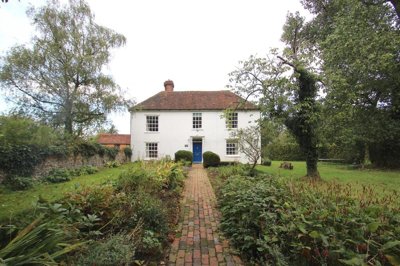
Browse 1 rental home to rent in Frinsted, Maidstone from local letting agents.
£0/m
0
0
0
Source: home.co.uk
Frinsted is not a broad, fast-moving rental market, so the homes that do appear often attract attention quickly. Detached houses and bungalows are the most visible property types in the available local evidence, which fits a village setting where gardens, parking, and privacy matter. homedata.co.uk records show detached sales at £513,500 in March 2025, with earlier examples at £500,000 and £484,000 in June 2021. Those figures suggest that individual plots, layout, and condition can influence value more than simple postcode averages.
New-build activity is limited in the research, and no active Frinsted development was identified directly. That matters for renters because older housing usually dominates the village, bringing more character but also more variation in energy performance and maintenance standards. A small place like this can be thinly stocked, so home.co.uk listings are worth checking regularly rather than waiting for a large selection to appear. In practical terms, the market rewards prepared renters who already know their budget and the type of home they want.

Frinsted is a village first and foremost, and the pace of life reflects that. The parish has historic roots reaching back to the Domesday era, and St Dunstan's Church, with its Norman tower, gives a strong sense of place and continuity. Older Kent building traditions often mean brick, ragstone, and timber features nearby, which adds charm even when a house has been modernised. Renters who enjoy quiet lanes, countryside views, and a slower rhythm usually settle here quickly.
The North Downs setting also shapes how the village feels from one street to the next. Chalk geology is common across the ridge, and while that can help with drainage in many spots, parts of Kent also have clay pockets that can create shrink-swell concerns. You do not need to be a building expert to notice the effect, but it does help to ask sensible questions about movement, maintenance, and external repairs. For a place with only 165 residents in 2021, Frinsted offers a surprisingly strong sense of identity.
Village scale brings trade-offs as well as benefits, and that is part of the appeal for the right renter. You are unlikely to find a dense cluster of shops or late-opening venues, yet you gain open space, lower noise, and a stronger connection to the surrounding countryside. Many residents are likely to commute, which reinforces the area’s reputation as a North Downs commuter village. If you prefer a home where the surroundings feel settled rather than rushed, Frinsted fits that brief neatly.
The supplied research did not identify a specific school within Frinsted itself, which is common for a small parish of this size. That means families usually widen their search to nearby Maidstone and the wider Kent commuter belt, where school choice is broader but admissions can depend heavily on postcode and catchment lines. If education is a priority, check the latest Ofsted reports and the local admissions map before you commit to a tenancy. A home that looks perfect on paper can become less suitable if the school run is longer than expected.
Kent is well known for selective and non-selective routes through secondary education, so families often compare grammar, comprehensive, and faith options across the wider district. Because Frinsted is small, the right school is often more about the surrounding travel pattern than the village itself. It pays to ask how you will get to nursery, primary, secondary, and sixth form provision in winter as well as in summer. Live closer to your preferred school cluster if you want to keep weekday routines simple.
Older children and students may also need access to further education choices in the Maidstone area or across nearby towns. In a rural setting, the practical test is not just distance, but how predictable the journey is at school time. If you are renting with children, line up the tenancy, transport, and school shortlist together so you do not have to compromise later. That approach is especially helpful in villages where stock is limited and timing matters.

Frinsted’s commuting story is shaped more by roads than by rail, which is typical for a small North Downs village. No station was identified in the supplied research for the parish itself, so many residents will rely on a car for day-to-day travel and then connect to rail services elsewhere. That makes driveway space, on-street parking, and route access more important than they would be in an urban rental. If you are considering a home here, test the route at the time you would normally travel rather than assuming a map will tell the full story.
Bus provision in rural villages is often less frequent than renters hope, so timetable checking should happen early in the search. Cycling is possible, but the North Downs landscape means hills and lanes can make journeys slower than they look on a screen. For anyone who works in Maidstone, Sittingbourne, or another Kent centre, the key question is how much time you want to spend on the road each week. A quieter home can be worth the extra travel, but only if the commute still feels manageable.
Parking is another practical factor that can change the feel of a tenancy in a place like Frinsted. Detached homes and bungalows often offer more space than apartments, yet village lanes can still make visitor parking tricky when family or tradespeople arrive. Before you sign, ask where bins, bikes, and delivery vans will go, because those everyday details matter in small settlements. A home that suits rural life will usually make those arrangements clear from the start.
Decide how much countryside you want versus how much commuting you can accept, because Frinsted suits a quieter lifestyle rather than an urban one.
Set your rent ceiling and prepare a rental budget agreement in principle before viewings, so an agent can see you are ready to move.
Check home.co.uk regularly, since stock in a small parish can appear infrequently and disappear quickly when the right tenant shows interest.
Ask about heating, insulation, parking, broadband, garden upkeep, and any signs of damp or movement, especially in older homes.
Have ID, income evidence, and employer details ready so tenant referencing does not slow down your application at the final stage.
Check the deposit terms, inventory, break clause, and notice period before you pay money, then keep copies of every document.
Older homes are part of Frinsted’s appeal, but they also need a careful eye. Damp, roof wear, outdated electrics, and poor insulation are common issues in historic properties across Kent, and those problems can turn a charming house into an expensive one if they are ignored. Ask when the roof was last repaired, whether the boiler has been serviced, and if the windows have been upgraded in a way that still suits the building. In a village with historic fabric, a fresh coat of paint does not always mean the structure beneath it has been fully improved.
Frinsted’s setting also makes drainage and ground conditions worth checking. No specific flood risk was identified in the supplied research, but surface water, guttering, and garden fall still matter in rural plots, especially after heavy rain. If the home sits in or near a listed building or conservation-style setting, any changes to windows, doors, or external finishes may be more tightly controlled. That can be a plus for character, yet it also means the landlord’s maintenance approach needs to be clear from day one.
Leasehold flats and converted homes need a different set of questions from detached cottages. Even when you are renting, you should ask about service arrangements, access to communal space, and who handles repairs to shared areas. Parking rules, refuse storage, and garden boundaries can be surprisingly important in a small village where space is valuable. The best tenancies in Frinsted are the ones where the condition of the home and the expectations around upkeep are explained plainly.
The supplied research did not find a verified average rental figure for Frinsted, so there is no safe live rent average to quote here. The best hard price marker is homedata.co.uk’s 12-month sold average of £513,500, which shows this is a higher-value rural market. For rent, check current home.co.uk listings and compare them with your budget before you book viewings. A rental budget agreement in principle helps you move quickly if a suitable home appears.
Council tax depends on the exact property, not just the village name, so there is no single band for all of Frinsted. The local billing authority for your postcode will confirm the band, and in this part of Kent that usually means checking with the relevant council before you sign. Smaller cottages, bungalows, and larger detached homes can sit in very different bands. Always ask for the council tax band as part of the tenancy details, because it affects your monthly budget.
The research did not identify a named school within Frinsted itself, which is normal for a tiny parish. Families usually look to nearby Maidstone and the wider Kent commuter area for primary, secondary, and sixth form options. Catchment can change by postcode, so the best school for one street may not be the best school for another. Check current Ofsted reports and admissions rules before you make an offer on a tenancy.
Frinsted reads as a car-led rural village rather than a rail-led commuter suburb. No station was identified in the supplied research for the parish itself, so you are likely to rely on driving and then linking into rail services elsewhere. Bus services in villages of this size are usually less frequent than urban renters expect, so live timetables need checking before you commit. If commuting matters, test the route at peak time and ask about parking at the property.
It can be an excellent fit if you want peace, character, and a proper village feel. The small population, historic church, and North Downs setting give it a strong identity, and the housing stock appears to lean towards detached homes and bungalows. It is less suitable if you want a busy high street or frequent public transport on the doorstep. For the right renter, that trade-off is exactly why Frinsted stands out.
For renting, many landlords ask for a holding deposit of up to one week’s rent and a tenancy deposit of up to five weeks’ rent, depending on the rent level and tenancy terms. You may also need money for rent in advance, moving costs, and any bills that start at move-in. If you are comparing a purchase instead, current stamp duty rates are 0% up to £250,000, 5% from £250,000 to £925,000, 10% from £925,000 to £1.5 million, and 12% above that. First-time buyer relief is 0% up to £425,000 and 5% from £425,000 to £625,000, with no relief above £625,000.
Yes, especially if the property has original features or a history of patch-and-repair maintenance. Older homes can hide damp, roof wear, poor insulation, and timber problems, so a close viewing is essential. You should also ask whether the building sits in a conservation setting or has listed status, because that can affect repair choices and permission for changes. A careful tenant protects themselves by asking questions before the paperwork is signed.
Renting in Frinsted is usually about managing a limited supply of rural homes rather than chasing bargain stock. That means your upfront costs may include a holding deposit, a tenancy deposit, the first month’s rent, and the practical expenses of moving into a village property with more space than a flat in town. If the home has oil heating, a larger garden, or older windows, your monthly outgoings can be different from those of a newer urban rental. It pays to ask for a full cost breakdown before you commit, not after you have fallen in love with the view.
Utilities and council tax should be part of your budget from the start, especially when you are comparing a detached home with a smaller cottage or bungalow. In a place like Frinsted, heating and insulation can matter more than headline rent because older rural properties can cost more to keep comfortable through winter. Ask which bills are included, whether broadband is already connected, and if any maintenance tasks fall to the tenant. A clear conversation at the viewing stage saves awkward surprises later.
If you are also weighing up a future purchase, the current 2024-25 stamp duty thresholds are worth knowing even on a rental journey. The standard rates are 0% up to £250,000, 5% from £250,000 to £925,000, 10% from £925,000 to £1.5 million, and 12% above £1.5 million. First-time buyer relief is 0% up to £425,000 and 5% from £425,000 to £625,000, with no relief above that upper limit. For renters who may later buy locally, those figures help put Frinsted’s sold-market value of £513,500 into a wider financial context.
Properties to Rent In London

Properties to Rent In Plymouth

Properties to Rent In Liverpool

Properties to Rent In Glasgow

Properties to Rent In Sheffield

Properties to Rent In Edinburgh

Properties to Rent In Coventry

Properties to Rent In Bradford

Properties to Rent In Manchester

Properties to Rent In Birmingham

Properties to Rent In Bristol

Properties to Rent In Oxford

Properties to Rent In Leicester

Properties to Rent In Newcastle

Properties to Rent In Leeds

Properties to Rent In Southampton

Properties to Rent In Cardiff

Properties to Rent In Nottingham

Properties to Rent In Norwich

Properties to Rent In Brighton

Properties to Rent In Derby

Properties to Rent In Portsmouth

Properties to Rent In Northampton

Properties to Rent In Milton Keynes

Properties to Rent In Bournemouth

Properties to Rent In Bolton

Properties to Rent In Swansea

Properties to Rent In Swindon

Properties to Rent In Peterborough

Properties to Rent In Wolverhampton

Enter your details to see if this property is within your budget.
Loans, cards, car finance
Estimated property budget
Borrowing + deposit
You could borrow between
Typical borrowing
Monthly repayment
Est. at 4.5%
Loan-to-value
This is an estimate only. Your actual budget may vary depending on interest rates, credit history, and personal circumstances. For an accurate affordability assessment, speak to one of our free mortgage advisors.
This calculator provides estimates for illustrative purposes only and does not constitute financial advice. Your home may be repossessed if you do not keep up repayments on your mortgage. Estimates based on 4.5% interest rate, repayment mortgage. Actual rates depend on your circumstances.
Homemove is a trading name of HM Haus Group Ltd (Company No. 13873779, registered in England & Wales). Homemove Mortgages Ltd (Company No. 15947693) is an Appointed Representative of TMG Direct Limited, trading as TMG Mortgage Network, which is authorised and regulated by the Financial Conduct Authority (FRN 786245). Homemove Mortgages Ltd is entered on the FCA Register as an Appointed Representative (FRN 1022429). You can check registrations at NewRegister or by calling 0800 111 6768.

We use cookies to show you personalised content and improve your experience of our website. Find out more in our Privacy policy and Cookie policy.