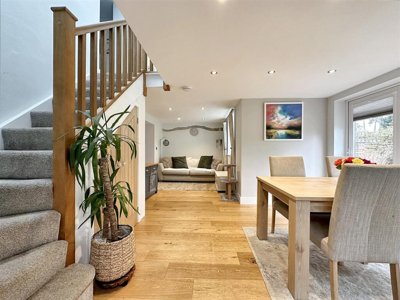
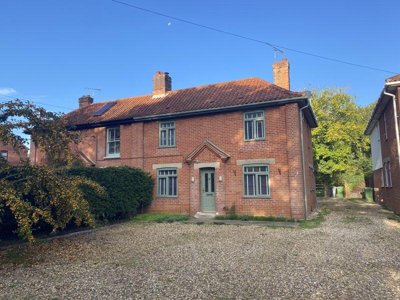
Browse 2 rental homes to rent in Foulsham, Broadland from local letting agents.
£0/m
0
0
0
Source: home.co.uk
Foulsham’s sales market offers a handy guide to the sort of homes renters may come across, even if live rental stock moves around from week to week. homedata.co.uk records show detached homes averaging £325,000 over the last year and semi-detached homes averaging £261,390, pointing to a market built more around modest family housing than big urban apartment blocks. A terraced home on Market Hill sold for £295,000, while 1-bedroom leasehold flats on Station Road have started from £119,504, so there is some choice at the smaller end as well. In practice, that often means cottages, smaller houses and a limited supply of flats for tenants.
In a small rural market like this, price movement can be uneven, and Foulsham is no exception. homedata.co.uk shows that house prices were similar to the previous year, yet still 36% below the 2023 peak of £424,850. On Guist Road, prices fell by 21% over the last year against the year before, while on Station Road values were down by an average of 2.5% since the last sale on 15 November 2024. Street-by-street differences matter here, which is why local judgement counts when you are weighing up value.

Village life sets the tone in Foulsham, with open views, a compact centre and a slower rhythm that suits renters wanting a bit more breathing space. The available research does not give a full census picture for housing age or household mix, but the sales pattern points to a settled place with plenty of semi-detached and detached homes and a noticeable share of period property. One home is described as a charming Grade II listed home, a detail that says a lot about the local character. For anyone drawn to homes with personality, Foulsham has more depth than many newer developments.
All around Foulsham, the setting is unmistakably rural Norfolk, open fields, narrow village lanes and scenery that looks different from one season to the next. That tends to appeal to renters who like quieter evenings, local walks and more of a community feel. It also puts everyday practicalities front and centre, including parking, broadband, garden access and winter road conditions. People who choose to live here are often prioritising space and character over quick city convenience, and the rental market reflects that.
Families looking to rent in Foulsham usually need to cast the net wider than the village itself to get a proper view of schooling. The research pack does not name specific primary or secondary schools, and it does not include current Ofsted grades, so it is safest to check admissions and catchment rules directly before committing to a home. In a rural area, the school journey can matter just as much as the school name. Route planning, school bus options and morning timings are all worth checking early.
Norfolk County Council admissions information is well worth checking as part of any family search, particularly where more than one child or a split school run is involved. Rural villages can sit across overlapping catchments, so a property that seems ideal on paper may be awkward in practice if the nearest school is difficult to reach in winter or after work. For a longer tenancy, we would ask the letting agent about school transport, local nurseries and whether the home falls within any specific catchment zone. A bit of extra groundwork now can remove a lot of strain later.

Foulsham works better as a road-led location than a rail-first one. The research pack does not show a village station, so most rail journeys start from a larger hub such as Norwich rather than from Foulsham itself. The village sits within the wider Broadland and North Norfolk road network, giving access towards Norwich and Fakenham, and the A47 corridor is the main route for longer cross-county travel. For commuters, that is useful, but it also means drive times and traffic planning carry more weight than they would in a town with regular trains.
Public transport can still play a part here, but in rural Norfolk it only works well if the timetable matches your routine. Small-village bus services are often less frequent than urban ones, so tenants should check live departures before relying on them for work or school. Cycling may suit shorter local trips, though country lanes, limited lighting and the weather will affect how practical it feels across the year. For regular city access, Foulsham tends to suit people who are content to mix driving with occasional bus or rail travel, rather than depend on public transport alone.
Parking deserves a close look when you view in Foulsham. Older cottages and small terraced plots may have very little off-road space, while broader family houses can come with driveways or shared access. If you have two cars, take deliveries or use a work vehicle, that can shape daily life more than the bedroom count does. During a viewing, it is worth checking the route in and out, where parking actually happens and how straightforward the nearest main road is to reach at busier times.
Before booking viewings, get a rental budget agreement in principle sorted and then pin down what you can comfortably afford each month for rent, bills and travel.
Start with the part of Foulsham that suits the way you live, whether that means a quieter rural edge or somewhere nearer the village centre and the main road links.
In a small village, suitable homes can draw attention quickly, so book viewings as soon as one comes up and ask the important questions there and then.
Make sure the basics are confirmed, tenancy length, deposit, holding deposit, council tax band, EPC rating and any limits on pets, parking or garden use.
Keep ID, proof of income, landlord references and right-to-rent documents ready to go, so you are not losing time when the right property appears.
Before signing anything, check exactly what the rent covers, which repairs sit with the landlord and how the inventory will be dealt with at move-in.
Older homes are a large part of Foulsham’s attraction, but they need a careful viewing. Watch for damp, uneven floors, ageing heating systems and signs of roof maintenance issues, especially in a cottage or listed building. Grade II listed homes can be lovely to live in, though they may also come with stricter rules on alterations, fixtures and repairs. Charm matters, but so does comfort, particularly in winter.
The research pack does not set out flood risk or local ground conditions, so it makes sense to ask directly about drainage, garden runoff and access after heavy rain. This matters most where a property sits on a lower lane, uses a shared drive or has a large garden that stays wet for long periods. With flats and conversions, it is also sensible to look at access, sound insulation and any service arrangement that could affect monthly outgoings. In a village setting, small details such as lighting, bin storage and delivery access can make a real difference to day-to-day living.
Homes with leasehold arrangements or shared access are worth checking carefully, even if you are renting rather than buying, because the way the building is run can affect everyday life. Ask who handles communal maintenance, whether any shared areas need to be kept tidy and how repairs are usually dealt with. If the property is in a converted older building, it is also worth finding out whether the windows, loft or garden are covered by any special restrictions. A thorough look now gives a far clearer picture of the true cost of living there, not only the rent shown on the listing.
There is no live average rent in the Foulsham research pack, so home.co.uk is the best place to check current asking rents. For wider context, homedata.co.uk records put the average house price over the last year at £271,992, with detached homes at £325,000 and semi-detached homes at £261,390. That sales picture suggests a market where smaller houses and character homes can attract interest quickly. If you are searching to rent, keep an eye on new listings, because supply in a village market can be thin.
Council tax is tied to the individual property, not simply to the village name. Foulsham is within the Broadland area, so rented homes will generally sit in one of the usual England bands from A to H. The exact band should be shown in the listing or tenancy papers, but it is still worth confirming before setting your budget. A cheaper rent can feel much less affordable once a higher council tax band and energy costs are added in.
The available research does not list specific schools for Foulsham or give current Ofsted grades. Because it is a small rural village, many families compare nearby options across the wider Broadland and North Norfolk area before checking admissions rules directly. Norfolk County Council admissions information remains the safest route for confirming catchments, transport and year-group availability. If schools are a major factor for you, build that into the search before booking a tenancy.
For commuting, Foulsham suits road-based routines better than rail-dependent ones. The research pack shows no village station, so rail trips usually begin from a larger hub such as Norwich, while road links connect the village to Fakenham and the wider county network. Bus services can help locally, but it is best to check the live timetable rather than assume coverage. If you will be travelling regularly, test the route at the time of day you would actually use it.
For renters after a quieter rural base, traditional homes and a proper village feel, Foulsham makes a strong case. The housing data points to more semi-detached and detached stock than flats, along with period property and at least one Grade II listed home, so it is likely to appeal to people who value character. It may be less suitable for anyone needing fast city-centre connections or a wide choice of rentals at very short notice. For the right tenant, though, it offers a calm setting with real Norfolk identity.
With a rental property, the main upfront costs are usually the holding deposit and the tenancy deposit. Under the Tenant Fees Act, the tenancy deposit is generally capped at 5 weeks' rent, and depending on the tenancy you may also be asked for rent in advance. Before making an offer, ask the agent for a full breakdown of permitted charges, including any referencing or move-in costs. If your plans later shift towards buying, the 2024-25 stamp duty thresholds are separate and do not apply to a standard tenancy.
The research pack did not identify any active new-build developments specifically within the Foulsham postcode area. That points to a rental market centred more on established homes, cottages and converted properties than on large modern schemes. If a brand-new home is important to you, it may be worth widening the search across the surrounding Broadland area and comparing commute times properly. In a small village market, strong homes often go quickly, so keep alerts turned on.
Ask direct questions about heating, insulation, damp, roof condition and any restrictions that come with a listed building or a conversion. Because Foulsham includes character homes, it is also worth checking parking, garden drainage, broadband availability and how easy the property is to reach in bad weather. If the home is older, a Level 2 survey can still be useful as background, especially for a longer tenancy where visible wear is already apparent. The more you clarify at the start, the less likely you are to be caught out after move-in.
Price on request
Compare rental budget rates first, then set a firm monthly limit before you begin viewing.
Price on request
A professional reference check can help speed up the application process.
Price on request
Check the energy performance details for any home before you commit to it.
From £350
For older village homes and period cottages, this can be a useful extra check.
In Foulsham, renting is usually less about complicated fees and more about being ready to move when the right place appears. The key upfront cost is normally the tenancy deposit, usually capped at 5 weeks' rent, along with any holding deposit and rent in advance requested by the letting agent. You should also budget for council tax, utilities, broadband, removal costs and the first month’s living expenses after the move. Village homes can look manageable on paper, then feel tighter once travel and energy bills are added in.
It is also sensible to think beyond the rent and look at the longer-term running costs before signing. Older cottages may need more heating, while larger detached homes can mean higher bills for fuel and maintenance even where the rent seems reasonable. If you are planning to stay for a while, ask for the EPC rating, check what insulation or heating upgrades have been done and confirm which fixtures are included. That is especially relevant in Foulsham, where many homes offer more character than a standard modern estate property.
For renters who may later decide to buy, the current 2024-25 stamp duty thresholds are useful to know as part of the wider moving picture. In England, the standard thresholds are 0% up to £250,000, 5% from £250,000 to £925,000, 10% from £925,000 to £1.5 million and 12% above that, with first-time buyer relief applying up to £425,000 and tapering to £625,000. None of those figures affects a normal tenancy, but they do matter if renting turns into a step towards ownership. Either way, having a firm budget and paperwork ready early makes things easier.
Use home.co.uk to check current rental homes, and treat the sales data as a useful guide to the kinds of property that come up in the village.
Set your monthly ceiling, speak to the agent early and have your rental budget agreement in principle ready before arranging viewings.
Pay attention to heating, parking, access, storage, broadband and the property’s overall condition, not only the decoration.
Have your ID, income proof and past landlord details prepared, so you can act quickly when a good home becomes available.
Check the deposit terms, inventory details, council tax band and any rules covering pets, smoking or alterations.
At check-in, take photos, keep copies of the inventory and report any issues straight away so the tenancy begins cleanly.
Properties to Rent In London

Properties to Rent In Plymouth

Properties to Rent In Liverpool

Properties to Rent In Glasgow

Properties to Rent In Sheffield

Properties to Rent In Edinburgh

Properties to Rent In Coventry

Properties to Rent In Bradford

Properties to Rent In Manchester

Properties to Rent In Birmingham

Properties to Rent In Bristol

Properties to Rent In Oxford

Properties to Rent In Leicester

Properties to Rent In Newcastle

Properties to Rent In Leeds

Properties to Rent In Southampton

Properties to Rent In Cardiff

Properties to Rent In Nottingham

Properties to Rent In Norwich

Properties to Rent In Brighton

Properties to Rent In Derby

Properties to Rent In Portsmouth

Properties to Rent In Northampton

Properties to Rent In Milton Keynes

Properties to Rent In Bournemouth

Properties to Rent In Bolton

Properties to Rent In Swansea

Properties to Rent In Swindon

Properties to Rent In Peterborough

Properties to Rent In Wolverhampton

Enter your details to see if this property is within your budget.
Loans, cards, car finance
Estimated property budget
Borrowing + deposit
You could borrow between
Typical borrowing
Monthly repayment
Est. at 4.5%
Loan-to-value
This is an estimate only. Your actual budget may vary depending on interest rates, credit history, and personal circumstances. For an accurate affordability assessment, speak to one of our free mortgage advisors.
This calculator provides estimates for illustrative purposes only and does not constitute financial advice. Your home may be repossessed if you do not keep up repayments on your mortgage. Estimates based on 4.5% interest rate, repayment mortgage. Actual rates depend on your circumstances.
Homemove is a trading name of HM Haus Group Ltd (Company No. 13873779, registered in England & Wales). Homemove Mortgages Ltd (Company No. 15947693) is an Appointed Representative of TMG Direct Limited, trading as TMG Mortgage Network, which is authorised and regulated by the Financial Conduct Authority (FRN 786245). Homemove Mortgages Ltd is entered on the FCA Register as an Appointed Representative (FRN 1022429). You can check registrations at NewRegister or by calling 0800 111 6768.

We use cookies to show you personalised content and improve your experience of our website. Find out more in our Privacy policy and Cookie policy.