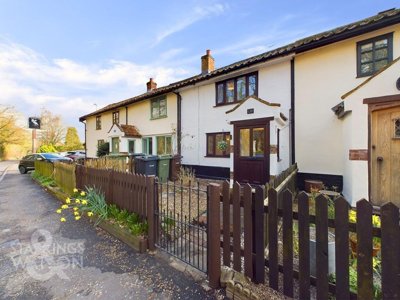
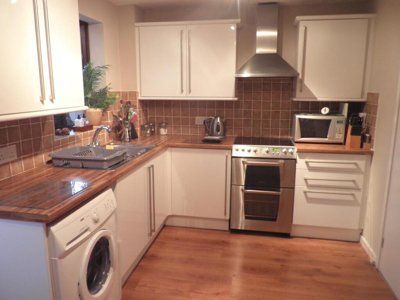
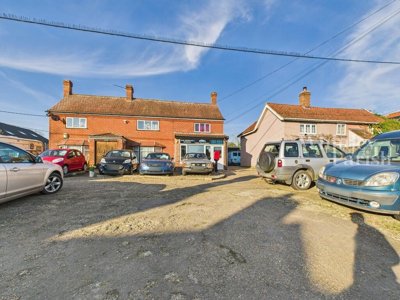
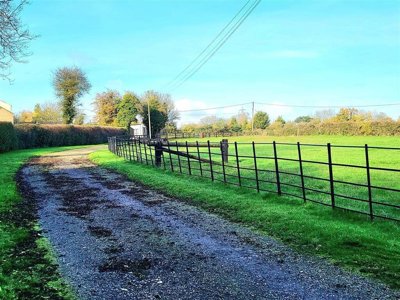
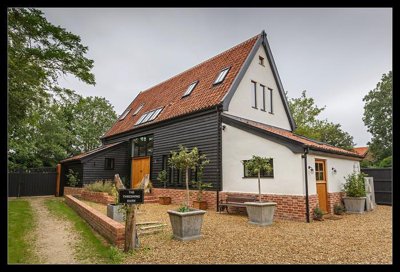
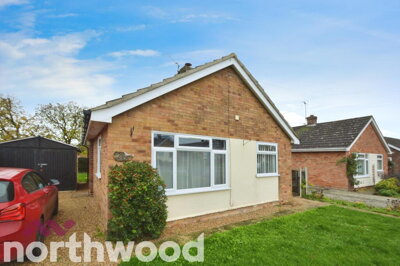
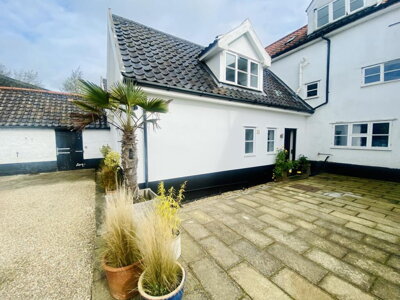
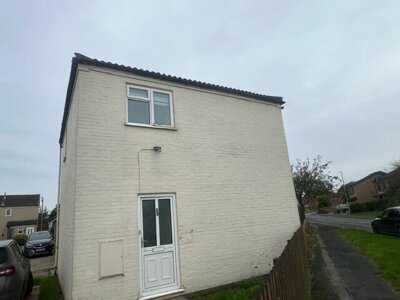
Browse 9 rental homes to rent in Forncett, South Norfolk from local letting agents.
£1,850/m
1
0
47
Source: home.co.uk
Source: home.co.uk
Barn Conversion
1 listings
Avg £1,850
Source: home.co.uk
Source: home.co.uk
Forncett's rental market mirrors the wider pattern of rural property in South Norfolk. What tends to come up here are traditional cottages, semi-detached family homes, and the odd detached house with a generous garden. With so few homes on the market at any one time in a small village like this, rental competition can be sharper than people expect, so prospective tenants often need to move fast when the right place appears. Most of the housing stock is older, with many homes built before 1919, alongside some mid-twentieth-century additions and the occasional infill development from recent decades.
Sale prices across the NR16 area have continued to edge upwards, with overall values rising by 1.3% over the past twelve months. Semi-detached homes have done especially well, up by 3.3% to around £310,000, while terraced properties have climbed by 4.0% to roughly £260,000. Detached houses sit higher still, averaging about £470,000. Those sale figures feed directly into rental pricing, as landlords usually base rents on value and expected returns. For renters, that means well-kept homes in good condition usually attract premium rents, although many families and professionals still see the village setting and lifestyle as worth it when compared with urban living.
In the twelve months to February 2026, the NR16 area logged 19 property sales, which is a modest total and a clear sign of the village's small scale and low turnover. That limited level of activity carries through into renting too, where homes may only come up a handful of times each year. Anyone looking to rent should register with local letting agents and be ready to act quickly when something suitable appears. Across South Norfolk, the market is still shaped by Norwich, with many renters choosing villages like Forncett so they can work in the city while coming home to a quieter place.

Forncett is a village where community spirit and Norfolk's countryside matter just as much as bricks and mortar. It contains several listed buildings, including St Peter's Church in Forncett St Peter and St Mary the Virgin Church in Forncett St Mary, both Grade I listed structures that speak to the area's heritage stretching back centuries. With around 1,100 residents, the place feels close-knit, and people often know their neighbours. Community events help to pull everyone together through the year. For families and individuals wanting a break from the pace of town or city life, it offers a genuine slice of rural Norfolk.
The landscape around Forncett is shaped by geology and by the River Tas and its tributaries. The village sits on diamicton deposits from the Anglian Glaciation, with chalk bedrock underneath and patches of clay soil that help support the lush agricultural fields around it. That combination creates the familiar Norfolk scene of rolling farmland, hedgerows, and scattered woodland. Local facilities include village halls and pubs within easy walking distance, while Wymondham and Long Stratton, both nearby market towns, give residents extra shopping, dining, and day-to-day services.
The River Tas runs through the valley below the village, and although Forncett is inland rather than exposed to coastal flood risk, homes close to the watercourse should still be checked for fluvial flood potential in heavy rain. Surface water flooding can also affect low-lying spots, especially where drainage is limited. We suggest talking through any flood concerns with landlords before signing a tenancy, and checking the property's flood history using the Environment Agency's online mapping tools. For renters, that kind of local knowledge can make all the difference when weighing up natural risk.

For families renting in Forncett, schooling is a major consideration, and the village is served by primary schools within a reasonable distance. Children from Forncett usually go to schools in surrounding villages and market towns, and many households rent here specifically to access well-regarded educational options. Wymondham gives access to both primary and secondary schools, with Wymondham College standing out as a notable secondary choice. Parents should check catchment areas and admission policies carefully, because these can change from year to year depending on demand and places available.
The quality of nearby schools is a big part of Forncett's appeal for families. Younger children can attend primary schools in the surrounding villages, while secondary options include state schools and, in some cases, independent schools within commuting distance. Anyone renting in Forncett and planning around school places needs to get to grips with the application process and the deadlines early on. South Norfolk's local education authority can provide details on allocations, transport arrangements, and any waiting lists that may affect the decision.
Primary schools within reach of Forncett include those in Alburgh, Burston, and the Wymondham area, each serving its own community with different capacities and reputations. For secondary-age pupils, Wymondham High Academy is the main state option, while Wymondham College offers a different route as a boarding and day school. Families looking for faith-based education can also look to Norwich, though that means longer daily journeys. We would suggest checking school websites and going to open days where possible, and factoring school transport into the whole rental plan, especially if school runs will mean driving every morning.

Forncett is well placed near the A140, the main Norfolk road corridor that links Norwich to Ipswich and passes close to the village. For commuters heading into Norwich, it is the main route, and the trip to the city centre usually takes 20-30 minutes, depending on traffic. The A140 also links into the wider road network, including the A11 for journeys towards Cambridge and London via Newmarket. For people working in Norwich but wanting countryside living, Forncett offers a practical middle ground between rural quiet and easy city access.
Public transport in Forncett is limited but still useful, with bus routes linking the village to nearby market towns. Rural services are less frequent than those in town, but they still matter for people without a car. The route between Forncett and Wymondham has limited daily services, and many residents mix bus travel with cycling for trips to local amenities. Norwich and Attleborough are the nearest railway stations, both offering East Anglian main line services to London Liverpool Street, with journeys to the capital usually taking around 90 minutes to two hours. For some journeys, Attleborough station is the nearer option and may also mean a shorter drive from Forncett.
For anyone commuting to Norwich, driving is usually the most practical option, though the A140 can get congested at rush hour, so journey times need to be planned with that in mind. In peak periods, a 20-minute drive can stretch to 35-40 minutes, particularly in school holiday periods when traffic patterns shift. People travelling to Cambridge or further afield can reach the A11 dual carriageway within 15-20 minutes, which gives access to major employment centres more quickly. We suggest thinking about your usual commute pattern before choosing a rental in Forncett, because this is the kind of rural setting that rewards forward planning.

Before you start looking for a rental in Forncett, it pays to set a clear budget that covers monthly rent, council tax, and utility bills. South Norfolk council tax bands run from A to H, and Band A homes usually pay around £1,200-£1,400 a year. Rental properties in Forncett currently average about £1,850 per month. If your work takes you into Norwich or elsewhere, do not forget travel costs, because fuel and vehicle maintenance add to the price of rural living. Plenty of renters find the lower rent versus Norwich more than makes up for that, but it really depends on your own circumstances and commuting pattern.
If you plan to buy after renting, getting a mortgage in principle before your tenancy ends can make the move into homeownership much smoother. A rental budget agreement in principle can also show landlords that you are financially serious, even if you are only renting. Speak to local mortgage brokers or lenders about how much you could borrow, based on income, credit history, and deposit savings. For anyone moving from renting to buying in the NR16 area, average property prices of £403,000 give a useful sense of the mortgage size you may need.
Because rental stock in Forncett is limited, it makes sense to register with several local letting agents rather than just one. Agents working across South Norfolk often hear about new homes before they reach the property portals, which can give registered tenants an early chance to view. It is worth contacting agents in Wymondham and Attleborough too, as they regularly handle rentals in the surrounding villages, Forncett included. Be upfront about what you need, including the number of bedrooms, your budget range, and when you want to move, so agents can match you with the right homes.
Speak to local estate agents and make it clear what sort of property you want. With limited rental stock in Forncett, you need to be ready to view quickly and decide promptly. At viewings, look closely at the boiler age and condition, the glazing in the windows, insulation levels, and any signs of damp or structural movement. Ask the landlord or agent about the tenancy history, any recent maintenance, and what comes with the rent, such as white goods or garden maintenance.
Once you have found a suitable property, the next step is referencing and paperwork. Landlords usually ask for proof of income, references from previous landlords, and right to rent verification under the Tenant Fees Act regulations. Your employer may be contacted to confirm your role and salary, and credit checks are standard. Having payslips, bank statements, and reference contacts ready in advance can speed things along when time matters.
Take time to read the tenancy agreement properly, with special attention to deposit amounts capped at five weeks' rent under Tenant Fees Act rules, notice periods, and maintenance responsibilities. Make sure you know which repairs are the landlord's job and which sit with you as the tenant. In older rural homes like those in Forncett, it is especially important to clarify things like septic tank maintenance, oil-fired heating systems, or the upkeep of large gardens, since these can bring costs that you would not face in newer urban properties.
Photograph the property thoroughly before you move in. That gives you protection for your deposit when the tenancy ends and creates a record of any issues already there. Cover every room, appliance, fixture, and fitting, and note any damage or general wear and tear. Keep the inventory somewhere safe, and it can help to share it with the landlord or agent so everyone agrees on the condition at move-in. For period homes with original fireplaces, timber floors, or traditional windows, record those carefully, because natural ageing should not come out of your deposit.
Renting in Forncett means thinking carefully about the realities of a rural Norfolk location. Most properties in the village are older, with many dating from before 1919, so prospective tenants need to be aware of the typical issues that come with period homes. Damp proof courses may be missing or poor in older houses, and timber elements such as floor joists and roof structures can suffer from rot or woodworm if they are not kept in good order. During viewings, look at walls for damp, check the roofs and gutters, and ask about the maintenance history and any past structural problems.
Forncett's geology brings a few specific points for renters to keep in mind. The clay soils here carry a moderate to high shrink-swell risk, so homes with shallow foundations or large trees nearby can move over time. Cracks in walls, sticky doors, or uneven floors may point to subsidence or structural movement. Not every property will be affected, but it is worth checking during viewings, especially in older homes. Properties near the River Tas and its tributaries should also be looked at for flood risk, although the village's inland position usually means less flood vulnerability than coastal areas.
Older homes in Forncett often use traditional building methods that are quite different from modern standards. Solid brick walls, common in pre-1919 properties, do not have the cavity insulation found in newer builds, so heating costs can be higher and condensation can behave differently. Timber-framed sections and original windows may need more care than modern replacements, and we recommend asking about the boiler and heating system in detail during viewings. Homes with solid fuel or oil heating will also bring fuel costs and tank maintenance that need to sit alongside standard utility bills in your budget.
Electrical and plumbing systems in older rentals may not be up to current standards, and although landlords do have safety certificate duties, it is still sensible to ask when electrical tests and gas safety checks were last done. For renters planning to stay for several years, it can matter just as much to know the likely maintenance costs and what improvements the landlord may carry out during the tenancy as it does to know the starting rent. Our team can talk you through the questions to ask at viewings so you have a clearer picture before you commit.

Current rental price data for Forncett puts the average at around £1,850 per month. In similar rural Norfolk villages, standard family homes usually sit between £800-£1,200 per month, with larger detached houses attracting higher rents. Homes with land, period features, or recent renovations can command a premium. The average sale price in the NR16 area is around £403,000, which helps frame rental valuations, since landlords usually look for yields that reflect property values. For current rents on homes that match your needs, speak to local letting agents.
Properties in Forncett are covered by South Norfolk Council, and council tax bands run from A to H depending on the assessed value of the home. Band A properties usually pay around £1,200-£1,400 each year, while Band D homes commonly pay around £1,800-£2,000 annually. Higher-valued homes sit in higher bands and pay more as a result. To check a specific band, you can use the Valuation Office Agency website by entering the address, or ask the landlord or letting agent. Council tax is usually paid monthly by direct debit and comes on top of the rent.
Families renting in Forncett generally look to primary schools in nearby villages such as Alburgh or Burston, while secondary needs are usually met by schools in Wymondham. Wymondham High Academy and Wymondham College are two of the better-known options in the area, although catchment areas and admission policies should be checked with Norfolk County Council before you sign up to a tenancy. Ofsted's website carries school performance data, which can help parents work out which schools are likely to suit their children best and which parts of the village sit within particular catchments.
Public transport in Forncett is limited, but it does give residents some useful connections. Bus services run between the village and nearby towns including Wymondham and Long Stratton, although they are less frequent than urban routes. On weekdays, services usually run during standard business hours, with much less availability at weekends. Norwich and Attleborough are the nearest railway stations, both reachable by bus or car, and both offer direct services to London Liverpool Street with journeys of roughly 90 minutes to two hours. For everyday commuting to Norwich, the A140 provides a dependable road link, and outside peak hours the drive is usually around 25-30 minutes, though busy periods can add to that.
For anyone drawn to rural Norfolk living without losing touch with urban amenities, Forncett offers a strong quality of life. The village has a friendly community feel, a lovely countryside setting, and convenient access to good schools. Rental homes are limited, so the market can be competitive, but those who secure a tenancy gain a peaceful base with Norwich still within reach for work and leisure. Families, retirees, and remote workers often suit the village well, especially if they value outdoor activities and a slower pace over instant city convenience.
In England, standard deposits are capped at five weeks' rent under the Tenant Fees Act, based on your annual rental income. So, if you rent a home at £1,850 per month, the deposit would be £4,625. That money must be protected in a government-approved scheme within 30 days of receipt, and you should be told which scheme is holding it. Usual upfront costs include the first month's rent, the five-week deposit, and referencing fees, which may be covered by the landlord under Tenant Fees Act restrictions. Always ask for a full cost breakdown before you sign a tenancy agreement.
Forncett has the basic village amenities within walking distance, including a village hall that hosts community events, regular activities, and acts as a meeting point for local gatherings. The village also has traditional pubs serving food and drink, giving residents somewhere to socialise and take part in village life. For weekly shopping and everyday essentials, people usually head to Wymondham and Long Stratton, both around 10-15 minutes away by car. Norwich, with its retail, healthcare, and leisure choices, is roughly 20-30 minutes away. In practical terms, most residents find that having a car makes life much easier if they want straightforward access to the full range of services they use most.
It helps to understand the money involved before renting in Forncett, because the figures can mount up quickly. Under Tenant Fees Act rules, deposits are capped at five weeks' rent for annual rentals under £50,000. That means a property let at £1,850 per month would carry a deposit of £4,625. The deposit has to be protected in a government-approved scheme within 30 days of receipt, and you should be told which scheme is holding it. Get written confirmation of the deposit amount and read the terms on deductions carefully so you know what could be taken at the end of the tenancy.
There are a few extra costs to budget for as well. References from previous landlords or employers usually cost between £50-£150, and credit checks may also be carried out. Some letting agents used to charge administration fees, though these have largely been banned under the Tenant Fees Act for new tenancies. Council tax also needs to be included, with annual costs varying by band from around £1,200 for Band A up to £2,400 or more for higher bands. Utility setup fees can include charges for connecting gas, electricity, and water, and contents insurance is strongly recommended even though it is not legally required.
For anyone thinking about buying after renting in Forncett, the rental period can be a good chance to save for a deposit while getting to know village life. Average property prices in the NR16 area sit at around £403,000, so mortgage deposits can be substantial. A typical first-time buyer might need £20,000-£50,000 or more, depending on the property and the mortgage product. It is worth understanding the mortgage options available, including Help to Buy schemes if they apply, as that can make the move from tenant to buyer easier when the time is right.
From 4.5% APR
Work out your renting budget so you know what your income and outgoings can comfortably support.
From £99
We provide professional referencing support for your rental application, helping landlords see that you are reliable.
From £400
Property surveys for homes in Forncett start from £400, and they pick up defects that are common in older rural properties.
From £85
Energy Performance Certificate checks for rental properties are required by law for all tenancies.
Properties to Rent In London

Properties to Rent In Plymouth

Properties to Rent In Liverpool

Properties to Rent In Glasgow

Properties to Rent In Sheffield

Properties to Rent In Edinburgh

Properties to Rent In Coventry

Properties to Rent In Bradford

Properties to Rent In Manchester

Properties to Rent In Birmingham

Properties to Rent In Bristol

Properties to Rent In Oxford

Properties to Rent In Leicester

Properties to Rent In Newcastle

Properties to Rent In Leeds

Properties to Rent In Southampton

Properties to Rent In Cardiff

Properties to Rent In Nottingham

Properties to Rent In Norwich

Properties to Rent In Brighton

Properties to Rent In Derby

Properties to Rent In Portsmouth

Properties to Rent In Northampton

Properties to Rent In Milton Keynes

Properties to Rent In Bournemouth

Properties to Rent In Bolton

Properties to Rent In Swansea

Properties to Rent In Swindon

Properties to Rent In Peterborough

Properties to Rent In Wolverhampton

Enter your details to see if this property is within your budget.
Loans, cards, car finance
Estimated property budget
Borrowing + deposit
You could borrow between
Typical borrowing
Monthly repayment
Est. at 4.5%
Loan-to-value
This is an estimate only. Your actual budget may vary depending on interest rates, credit history, and personal circumstances. For an accurate affordability assessment, speak to one of our free mortgage advisors.
This calculator provides estimates for illustrative purposes only and does not constitute financial advice. Your home may be repossessed if you do not keep up repayments on your mortgage. Estimates based on 4.5% interest rate, repayment mortgage. Actual rates depend on your circumstances.
Homemove is a trading name of HM Haus Group Ltd (Company No. 13873779, registered in England & Wales). Homemove Mortgages Ltd (Company No. 15947693) is an Appointed Representative of TMG Direct Limited, trading as TMG Mortgage Network, which is authorised and regulated by the Financial Conduct Authority (FRN 786245). Homemove Mortgages Ltd is entered on the FCA Register as an Appointed Representative (FRN 1022429). You can check registrations at NewRegister or by calling 0800 111 6768.

We use cookies to show you personalised content and improve your experience of our website. Find out more in our Privacy policy and Cookie policy.