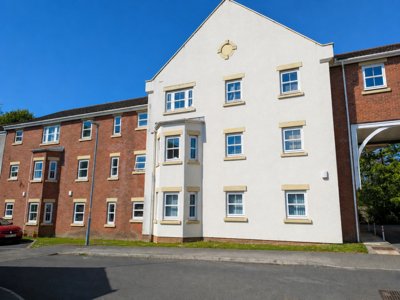
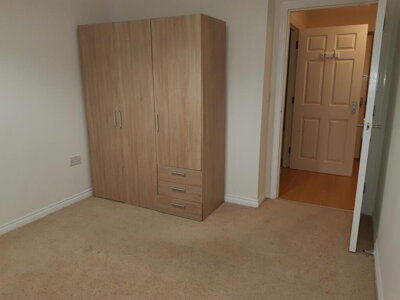
Browse 2 rental homes to rent in Fishburn, County Durham from local letting agents.
The 2 bed flat sector typically includes two separate bedrooms, dedicated living areas, and bathroom facilities. Properties in Fishburn span purpose-built blocks, converted period houses, and modern apartment complexes on various floors.
£0/m
0
0
0
Source: home.co.uk
Showing 0 results for 2 Bedroom Flats to rent in Fishburn, County Durham.
Fishburn’s rental scene mirrors the village itself, shaped by a housing stock that has changed a great deal since the first colliery houses went up in 1913. Terraced homes still make up most of the older stock from the mining years, while substantial semi-detached housing arrived with the mid-20th century expansion. More recently, detached homes have been added to the north and centre of the village, especially in later 20th and early 21st-century schemes. The result is a proper spread of property types and price points in one village setting.
Recent sales figures show terraced homes taking the lead, with average prices around £82,000-£104,000 depending on the source. Semi-detached properties tend to fetch about £93,000-£95,000, while detached homes sit much higher, usually in the £187,000-£214,000 range. Flats are still relatively uncommon, though available data points to average prices around £130,000. For renters, that wider sales picture helps explain the values feeding into local rents across this County Durham village.
New building work is still changing the market. Hardwick Court by Mallard Homes offers exclusive four-bedroom detached family homes, built with energy-efficient features such as air source heat pumps, solar PV panels, and high-performance insulation, with prices from £335,950 to £389,950. We also have a planning application from Gleeson Regeneration Ltd for 83 new homes north of Salvin Terrace, including bungalows, semi-detached, and detached properties, with 10% set aside as affordable housing. Taken together, those schemes point to continued growth, and that could shape rental availability and pricing in the years ahead.

Fishburn stands on a small limestone hill within the Durham Magnesian Limestone Plateau Character Area, so the village has an elevated feel and open views across the surrounding countryside. The River Skerne marks the southern edge of the parish and adds a natural boundary that reinforces the rural setting. The centre still keeps much of its original layout, with streets leading out from key focal points and local amenities covering day-to-day needs. Red brick is the main building material, often finished with render or pebble-dash, which gives the village its familiar North East look.
Fishburn’s community spirit is still strongly tied to its coal mining past. Fishburn Colliery ran from 1910 until 1973, employed over 1,500 people at its peak in 1935, and the coking plant kept going until 1986. The former colliery site is now home to a small industrial estate, a neat sign of the village’s shift from heavy industry to modern work. Census data shows 72.2% of residents own their homes outright or with mortgages, while 27.8% rent privately or through social landlords, so there is a healthy mix of tenures.
Professional occupations now account for the largest share of local employment, and many residents travel to nearby Sedgefield, Stockton-on-Tees, Durham, and Newton Aycliffe for work. Day to day, the village has the essentials covered, with a convenience store, pub, and community facilities meeting everyday needs. That makes Fishburn appealing for renters who want village life without feeling cut off from larger town centres for shopping, healthcare, or a night out. Established businesses and local groups also make it easier for newcomers to settle in quickly.

Families looking to rent in Fishburn will find both village schooling and access to schools further afield. The village has its own primary school provision, which gives younger children a local start and gives parents a straightforward community focus. For secondary education, pupils usually travel to nearby towns, with several options within a sensible commute by school transport or car. Being close to Sedgefield and other Tees Valley towns also opens up a wider range of education settings, including grammar schools for academically able students.
Fishburn’s education picture reflects its move from an industrial village into a modern residential one. Since development began in 1913 and beyond, several generations of families have passed through local schools, and that has shaped how provision has grown over time. Anyone renting here should check current Ofsted ratings for preferred schools and read catchment boundaries carefully, because they can have a real effect on school placement. Sixth form and further education choices are available in nearby Durham and Stockton-on-Tees, both accessible via the good transport links serving the wider area.
Secondary school travel is well organised, with bus services linking Fishburn to schools in surrounding towns. For many families, the village’s primary provision works well for younger children, cutting down on daily travel in those early years. As with any rental budget, it makes sense to allow for transport costs linked to secondary education, especially where preferred schools sit outside normal bus routes. Grammar school options in nearby Durham and other towns add another layer of choice for families seeking selective academic education.

Fishburn’s day-to-day rhythm is closely tied to its transport links, with the village sitting between several key North East towns. Its position gives residents easy access to the A177, which runs north to Durham city and south towards Newton Aycliffe and the wider Tees Valley. Bus services run through the village too, giving those without cars a way to reach nearby towns. Because the village sits on a limestone ridge, winter weather can be a nuisance on main roads, although gritting routes give priority to the key access roads.
Most working residents travel out of Fishburn for work, which suits the village’s residential character. Durham city is around 12 miles north and usually takes about 25-30 minutes to reach by car outside peak hours. Stockton-on-Tees is about 8 miles east, with similar journey times and plenty of retail and employment options. From nearby Newton Aycliffe or Darlington, train services connect to the East Coast Main Line, opening up Newcastle, York, and more besides. For renters commuting to any of those centres, Fishburn offers a quiet base with practical links.
Car ownership is still fairly high in Fishburn, which is no surprise given the village location and the limits of public transport. The A688 adds useful east-west movement through County Durham, while the nearby A1(M) gives easy access to Newcastle and the wider North East road network. Cyclists should bear in mind that some rural roads around Fishburn are narrow, although the surrounding countryside does offer pleasant routes for leisure rides. Weekend trips to places like Whitby or Seaham are straightforward enough, which adds to the appeal for village residents.

Fishburn covers the basics well, so most everyday tasks can be handled without heading to a larger town. The village centre has a convenience store that acts as the main food shop, and the traditional pub gives the community a place to meet up and mark local events. There is also a post office service, which adds another practical layer of convenience within the village boundary. That reduces the need for regular longer journeys.
There is more to the village than shops and services. A village hall runs regular events, clubs, and activities that help hold the local social fabric together, while the Church of England parish church adds heritage character and community structure. Playing fields and open spaces give residents of all ages somewhere to be active, and footpaths offer routes through the village and out into the surrounding countryside.
For bigger shopping trips, meals out, and leisure time, people usually head to Sedgefield or Stockton-on-Tees. Being close to those centres means specialist shops, supermarkets, healthcare appointments, and entertainment venues are all within a sensible drive. That mix of village convenience and town access is one of the clearest practical advantages of renting in Fishburn.

Fishburn’s mining past still matters when we look at older homes in the village. Fishburn Colliery ran from 1910 until 1973, and the coking plant stayed open until 1986, leaving a substantial industrial legacy behind. Older terraced streets built during the mining boom can show the kind of age-related wear that deserves a careful look at viewings. Most of the older stock is made up of substantial terraced housing from the early 20th century.
Limestone geology usually gives better foundation conditions than clay, with less risk of shrink-swell movement affecting structures. Even so, former coal mining areas can have ground movement linked to historic extraction, and localised subsidence is still a possibility in some spots. Properties on streets closest to the former colliery site, including Park View and Maughan Terrace, may need especially close inspection. Most newer homes have been built to modern standards that take local ground conditions into account.
When we look at older Fishburn properties, walls, floors, and door frames deserve close attention, especially for cracking or movement that could point to foundation issues. Roofs on older terraces may show wear that simply reflects their age, and electrical systems in homes built before the 1970s may need updating. Newer schemes such as Hardwick Court offer more up-to-date construction, with modern standards and energy-efficient features like air source heat pumps and solar panels.
Start by checking current rental listings in Fishburn and getting a feel for the local price range for the type of home you want. It also helps to think about how close you want to be to amenities, schools if relevant, and transport links for work. The village has terraced, semi-detached, and detached homes across different price points, so a clear idea of what is available will help narrow the search.
From there, speak to local letting agents or landlords and book viewings for properties that match your brief. Seeing a few homes side by side makes it easier to compare condition, location, and rental terms before you make a choice. In a village such as Fishburn, it is also worth viewing at different times of day, because that can tell you a lot about noise, traffic, and the feel of the neighbourhood.
Before you sign anything, get a rental budget agreement in principle so you know what you can comfortably afford each month. That sort of financial clarity can make a real difference when you are applying for homes in more competitive spots. It is wise to include rent, council tax, utilities, and moving costs in the same calculation, so the full picture is clear from the start.
Read the tenancy agreement properly, and pay close attention to deposit amounts, lease length, notice periods, and any restrictions on pets or alterations. It is also sensible to ask about utility arrangements, council tax bands, and who is responsible for maintenance. In Fishburn, older homes may have different upkeep arrangements from newer ones, so it pays to get that straight before you commit.
Have your paperwork ready, including proof of identity, employment verification, previous landlord references, and right to rent documentation. Sending everything promptly can help you secure the property you want. First-time renters without a UK tenancy history should also gather alternative references, such as character references from employers.
Once referencing is complete and the tenancy papers are signed, it is time to organise the move and settle into this historic County Durham village. Take meter readings, collect the keys, and get to know the local amenities and community facilities. We would also suggest registering with local healthcare services and saying hello to neighbours, because those first steps go a long way towards feeling at home.
Prospective renters in Fishburn should keep a few local factors in mind, because this village is not the same as an urban rental market. The mining history means some homes may still have considerations linked to the former colliery, even though operations ended decades ago. Older terraced streets built during the mining boom can show age-related wear, so a careful viewing is important. The limestone geology generally supports good foundations, but any property-specific issue still needs checking before you move forward.
There do not appear to be conservation area restrictions specifically affecting Fishburn, based on the information available, so there is more flexibility around property changes, subject to landlord consent. Across the village, the usual building material is red brick, often paired with render or pebble-dash, which is typical of County Durham. Newer schemes such as Hardwick Court bring modern construction standards and energy-efficient features like air source heat pumps and solar panels. When renting, it is worth checking the condition of windows, doors, insulation, and heating systems, because those details can save trouble later.
Energy performance varies quite a bit across Fishburn’s mixed stock, with older terraces usually less efficient than newer detached homes. Newer properties often have EPC ratings of B or above, thanks to modern insulation standards and renewable technology. Older homes may have solid walls without cavity insulation, which can push heating bills higher. Asking for energy performance certificates and thinking through likely heating costs should be part of any property search.
We do not have specific rental price data for Fishburn in our research, but the sales market still gives a useful guide, with average sold prices around £113,448. Terraced properties usually sell for £82,000-£104,000, semi-detached homes for around £93,000-£95,000, and detached homes for £187,000-£214,000. Rents in this County Durham village generally offer good value compared with larger towns across the Tees Valley, which reflects its village scale and quieter setting. For the latest Fishburn listings, local letting agents are the best place to start.
Fishburn comes under Durham County Council for council tax purposes. In County Durham, properties are placed in bands A through H according to assessed value. Because the village includes older terraced homes and modern properties in schemes like Hardwick Court, the bands vary across the stock. Older terraces usually sit in bands A-C, while newer detached homes may fall into higher bands. Specific bandings can be checked through Durham County Council or the Valuation Office Agency using the property address or postcode TS21.
There is primary school provision within Fishburn itself for families with younger children. For secondary education, pupils usually go to schools in surrounding towns, including Sedgefield and other nearby Tees Valley locations. Parents should look carefully at current Ofsted ratings and catchment boundaries, because those can have a big effect on school placement. Grammar school options are available in nearby Durham and other towns, and they can be reached by school transport or private car. Travel time from Fishburn to secondary schools in the surrounding area is usually 15-30 minutes by car or school bus service.
Bus services run through Fishburn, linking the village with nearby towns such as Sedgefield, Durham, and Stockton-on-Tees. The village sits between the A177 and A688, so road access is reasonable for car owners. The nearest train stations are at Newton Aycliffe and Darlington, both of which connect to the East Coast Main Line for travel to Newcastle, York, and further afield. Many residents commute by car to jobs in nearby towns, which is typical for a village of this size in County Durham, so car ownership does make life easier here.
Fishburn gives renters a solid mix of village atmosphere, property values that are more accessible than in larger towns, and links to employment centres across the North East. The village has a population of around 2,500 and a balanced tenure mix of owners and renters. Local amenities cover the basics, while the strong community spirit helps new residents feel welcome. With transport links to Durham, Stockton-on-Tees, and the wider Tees Valley, it works well for commuters who want village living without losing urban access.
In England, standard rental deposits are capped at five weeks' rent where the annual rent is below £50,000. Given Fishburn’s accessible price levels, most rental homes in the village sit comfortably under that threshold. In practice, you should expect a refundable security deposit plus the first month's rent up front, along with referencing fees if they apply. First-time renters also need to plan for moving costs, including removal services, inventory checks, and connection fees for utilities and internet. Always check exactly what each fee covers before you agree to a tenancy.
Fishburn has a strong mining heritage, with the former colliery running until 1973 and the coking plant until 1986. For renters, that means some older properties may show wear that matches their age, or localised ground movement in areas closest to former mining operations. Limestone geology usually gives good foundation conditions, and newer homes have been built to modern standards. When you view older terraced properties, look for cracks in walls or door frames that could justify further investigation before you commit.
From 4.5%
Get a mortgage in principle so you understand your buying budget
From £99
Full referencing checks for rental applications
From £455
Professional survey for properties in Fishburn
From £85
Energy performance certificate for your property
It helps to understand the full cost of renting in Fishburn before you move, because that makes budgeting much easier. The biggest upfront expense is usually the first month's rent plus a security deposit, and the law caps that deposit at five weeks' rent for annual rents below £50,000. Most homes in Fishburn sit well within that range, given the village’s accessible price levels. You should also allow for referencing fees, which pay for credit checks and employment verification carried out by landlords or letting agents.
Other moving costs can include removal services or van hire, inventory check fees paid by landlords, and charges to connect utilities, internet, and council tax. If your new home has a heating oil tank or a private water supply, those initial supply and connection costs need to be included too. First-time renters should also set aside money for unexpected repairs during the tenancy, since most agreements place responsibility for minor maintenance on tenants. A rental budget agreement in principle before viewings can strengthen your position and show exactly what you can afford each month.
Monthly rent is only part of the picture. Council tax, utilities, and internet all need to be covered too. In Fishburn, council tax bands range from A to higher bands depending on the property type and value, with older terraced homes usually sitting in the lower bands. Energy bills can vary sharply between older terraces and newer homes with heat pumps and solar panels, so likely running costs should be part of your decision. Buildings insurance is usually sorted by landlords, but contents insurance remains the tenant’s responsibility and should be budgeted for from the outset.
Properties to Rent In London

Properties to Rent In Plymouth

Properties to Rent In Liverpool

Properties to Rent In Glasgow

Properties to Rent In Sheffield

Properties to Rent In Edinburgh

Properties to Rent In Coventry

Properties to Rent In Bradford

Properties to Rent In Manchester

Properties to Rent In Birmingham

Properties to Rent In Bristol

Properties to Rent In Oxford

Properties to Rent In Leicester

Properties to Rent In Newcastle

Properties to Rent In Leeds

Properties to Rent In Southampton

Properties to Rent In Cardiff

Properties to Rent In Nottingham

Properties to Rent In Norwich

Properties to Rent In Brighton

Properties to Rent In Derby

Properties to Rent In Portsmouth

Properties to Rent In Northampton

Properties to Rent In Milton Keynes

Properties to Rent In Bournemouth

Properties to Rent In Bolton

Properties to Rent In Swansea

Properties to Rent In Swindon

Properties to Rent In Peterborough

Properties to Rent In Wolverhampton

Enter your details to see if this property is within your budget.
Loans, cards, car finance
Estimated property budget
Borrowing + deposit
You could borrow between
Typical borrowing
Monthly repayment
Est. at 4.5%
Loan-to-value
This is an estimate only. Your actual budget may vary depending on interest rates, credit history, and personal circumstances. For an accurate affordability assessment, speak to one of our free mortgage advisors.
This calculator provides estimates for illustrative purposes only and does not constitute financial advice. Your home may be repossessed if you do not keep up repayments on your mortgage. Estimates based on 4.5% interest rate, repayment mortgage. Actual rates depend on your circumstances.
Homemove is a trading name of HM Haus Group Ltd (Company No. 13873779, registered in England & Wales). Homemove Mortgages Ltd (Company No. 15947693) is an Appointed Representative of TMG Direct Limited, trading as TMG Mortgage Network, which is authorised and regulated by the Financial Conduct Authority (FRN 786245). Homemove Mortgages Ltd is entered on the FCA Register as an Appointed Representative (FRN 1022429). You can check registrations at NewRegister or by calling 0800 111 6768.

We use cookies to show you personalised content and improve your experience of our website. Find out more in our Privacy policy and Cookie policy.