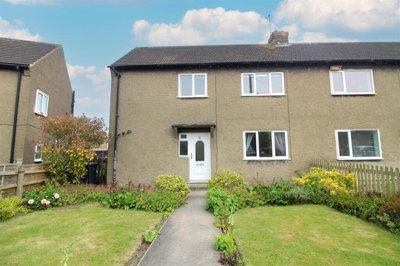
Browse 1 rental home to rent in Fearby, North Yorkshire from local letting agents.
Three bedroom properties represent a significant portion of the Fearby housing market, offering space for families with multiple reception rooms and gardens in many cases. Browse detached, semi-detached, and terraced options ranging from period character homes to contemporary developments.
£0/m
0
0
0
Source: home.co.uk
Showing 0 results for 3 Bedroom Houses to rent in Fearby, North Yorkshire.
Fearby's property market is characterised by its rural charm and traditional architecture, with the majority of rental properties consisting of stone-built houses and character cottages that reflect the area's agricultural heritage. As of February 2026, average property prices in Fearby stand at £375,000, with detached properties commanding around £450,000 and semi-detached homes averaging £275,000. Terraced properties in the village typically fetch around £200,000, though the rental market operates independently with prices influenced by property condition, size, and available amenities.
The village has experienced steady price growth with a 12-month change of +2.5%, indicating sustained demand for homes in this sought-after location. Only 4 property sales have completed in Fearby over the past year, highlighting the limited availability that also affects the rental sector. New build developments are virtually non-existent within the HG4 postcode area, meaning rental opportunities typically involve existing housing stock that has been converted or offered by landlords investing in the local property market. This scarcity of new supply means prospective renters should be prepared for competitive conditions and may wish to expand their search to surrounding villages if flexibility allows.

Fearby embodies the quintessential English village experience, with a population of approximately 220 residents concentrated in the Fearby and Healey parish. The village character is defined by its honey-coloured sandstone properties, dry stone walls traversing the surrounding pastures, and the gentle presence of the River Burn which flows through the village before joining the River Ure nearby. Residents enjoy an authentic rural lifestyle where community events, local produce, and connection to the land remain central to daily life, rather than being mere tourism attractions.
The local economy centres on agriculture and tourism, with many families involved in farming the surrounding dales or operating rural businesses including pubs, bed and breakfasts, and specialist food producers. The housing stock reflects this heritage, with the vast majority of properties dating from the pre-1919 period. Traditional Dales cottages and farmhouses dominate the villagescape, often featuring thick stone walls, flagged floors, and open fires that require modern adaptation to meet contemporary comfort expectations. The presence of several listed buildings throughout Fearby and its immediate surroundings reflects the village's historic significance and ensures the preservation of its distinctive character for future generations.
The geology of Fearby and its surroundings is shaped by Carboniferous Limestone and Millstone Grit, the same geological foundations that create the dramatic scenery of the Yorkshire Dales. Glacial till and alluvial deposits accumulate along watercourses including the River Burn, and these superficial layers can create variable ground conditions that affect property foundations. Properties in low-lying areas near the river may sit on alluvial deposits that behave differently during wet weather compared to properties built on the underlying solid rock. Understanding local geology helps explain why Fearby's traditional buildings were constructed where they stand and what considerations apply to any ground works or drainage.
The area's proximity to the Nidderdale AONB boundary means that many properties and surrounding land are subject to planning considerations designed to protect the landscape character. This designation preserves the scenic quality that makes Fearby so appealing but may also affect what modifications or extensions are possible on rental properties. Prospective tenants should understand that landlords may face restrictions on external alterations, and any plans to change a property would require careful consideration of planning implications.

Families considering a move to Fearby will find educational options distributed across the surrounding market towns and villages, with primary education available in nearby communities and secondary schooling centred in larger towns within reasonable driving distance. The rural nature of the area means that school transport arrangements are an important consideration for families, with many households relying on bus services to access schools in towns such as Masham, Leyburn, or Ripon. Prospective renters should research specific school catchment areas and admission policies well in advance of any planned move.
The nearest primary schools serve the surrounding villages and hamlets, typically offering classes from Reception through to Year 6 before students transition to secondary education. Schools in the wider Nidderdale area include primary schools in Masham, with its strong community ethos and excellent facilities for a town of its size. The journey times from Fearby to these primary schools can be significant given the rural roads, and parents should factor transport logistics into their decision-making process alongside academic considerations.
Secondary school options in the wider area include schools in Ripon, Harrogate, and the market towns of the Yorkshire Dales, with some families choosing independent schooling options available in the region. Ripon Grammar School and Outwood Academy Ripon serve the Ripon area, while Harrogate offers additional secondary options including Harrogate Grammar School. Families should verify current catchment boundaries with North Yorkshire County Council, as these can change and may affect placement availability. Sixth form provision is concentrated in the larger towns, meaning older students may need to travel further or pursue distance learning options. Early contact with North Yorkshire County Council's education admissions team is advisable for families with school-age children to clarify placement availability and transport arrangements.

Fearby's rural location means that private transport is essential for most daily activities, with the village situated approximately 8 miles from the market town of Masham and 12 miles from Ripon, the nearest centre with full amenities and railway station connections. Masham provides everyday shopping including a butchers, bakery, and convenience stores, while Ripon offers a wider range of retail, healthcare, and professional services. The A1(M) motorway is accessible via the A61 through Ripon, providing connections to Leeds, Newcastle, and the wider national motorway network.
Daily commuting to major employment centres such as Leeds or York is feasible for those working from home or in flexible employment arrangements, though the distance involved requires careful consideration of time and fuel costs. The journey to Leeds from Fearby takes approximately one hour in normal traffic conditions, passing through the Yorkshire countryside before joining the motorway network. Those working in York can expect a similar journey time, while commuters to Newcastle face a longer round trip that may be sustainable only for part-time office attendance or hybrid working patterns.
Public transport options from Fearby are limited, reflecting the pattern of rural bus services throughout the Yorkshire Dales fringe. Bus connections to Masham and Ripon operate on reduced frequencies, typically providing several services per week rather than daily options, making them more suitable for occasional trips than regular commuting. The nearest railway stations are located in Harrogate and Thirsk, both offering East Coast Main Line services to London, Edinburgh, and regional destinations. Harrogate station provides connections to London Kings Cross with journey times of around two and a half hours, while Thirsk offers similar access to the capital and north to Edinburgh.
Many residents embrace the rural lifestyle by combining home-based work with occasional office attendance, while others appreciate the opportunity to leave urban commuting stress behind entirely. Cycling infrastructure in the area is popular for recreational purposes, with the surrounding lanes and dales providing challenging but rewarding routes for enthusiasts. The quiet country roads between Fearby and neighbouring villages are popular with cyclists, though the hilly terrain requires a reasonable level of fitness. E-bikes have made cycling more accessible for commuting to nearby towns for those who want to reduce fuel costs and enjoy the scenery.

Before beginning your rental search in Fearby, take time to understand the local property market and establish a realistic budget that accounts for rent, council tax, utilities, and potential travel costs. Rural properties may have higher heating costs due to older construction and less effective insulation, so factor these ongoing expenses into your calculations. Obtaining a rental budget agreement in principle can strengthen your position when applying for properties and demonstrates to landlords that you have considered affordability carefully.
Once you have identified suitable properties, schedule viewings to assess the condition and character of available homes. Pay particular attention to the state of repair common in older stone properties, including roof condition, damp evidence, and the efficiency of heating systems. Consider requesting a RICS Level 2 Survey for any property you are seriously considering, particularly given the age of much of Fearby's housing stock.
Fearby properties often feature traditional construction methods that may differ significantly from modern standards. Stone walls, slate roofs, and older plumbing and electrical systems are common, requiring different maintenance approaches than modern properties. Verify whether the property is listed or subject to planning restrictions, particularly given the proximity to the Nidderdale AONB boundary. Many properties will also be on private water supplies and drainage systems rather than mains services.
When you find your ideal property, prepare a comprehensive application including references, proof of income, and any relevant documentation. Landlords in rural areas often prefer tenants with stable circumstances and genuine appreciation for village living. Tenant referencing services can streamline this process and provide landlords with confidence in your suitability. Be prepared to demonstrate your commitment to the rural lifestyle and your understanding of what living in a small community entails.
Once your application is approved, carefully review the tenancy agreement, paying attention to deposit amounts, notice periods, and any specific clauses relating to property maintenance. A thorough inventory check at the start of your tenancy protects both parties and helps avoid disputes when you vacate the property. Take photographs of existing damage and ensure everything is documented in writing to avoid misunderstandings when you leave.
Renting in Fearby requires careful attention to property condition factors that differ from urban rentals, particularly given the age and construction methods prevalent throughout the village. Stone-built properties, while full of character, often require more maintenance than modern alternatives, and prospective tenants should assess whether the landlord maintains the property to an appropriate standard. The local geology presents considerations including potential shrink-swell risks in areas with clay soils and the possibility of flooding near watercourses such as the River Burn, so understanding the specific location of any property is important before committing to a tenancy.
Traditional construction in Fearby typically features solid stone walls built using local sandstone, often double-leaf construction with rubble infill between the inner and outer leaves. This traditional method creates walls that are thermally different from modern cavity constructions, retaining coolness in summer and requiring more effort to heat in winter. Many properties retain original timber floor joists and flagged stone floors downstairs, which add character but may allow drafts and require different care than modern suspended timber floors. Roof construction is typically traditional timber pitch with slate covering, and older slate roofs often show signs of wear including slipped slates, perished felt, and timber decay in the rafters and battens.
Properties near the River Burn or its tributaries may be at elevated risk of fluvial flooding during periods of heavy rainfall, and renters should investigate flood history and any flood prevention measures in place. Surface water flooding can also affect properties on slopes or in areas with poor drainage, particularly during intense summer thunderstorms or prolonged wet periods. The Environment Agency flood risk maps provide detailed information about specific areas, and prospective tenants should check these before committing to a tenancy in any property near watercourses or low-lying ground.
Building materials in Fearby typically consist of local sandstone with slate roofing, construction that requires specific knowledge to maintain properly. Repointing of stone walls should use appropriate lime mortar rather than cement, as cement can trap moisture and cause stone deterioration. The Nidderdale AONB designation affects planning considerations in the surrounding area, potentially limiting external alterations to properties. Prospective tenants should also consider that many properties in Fearby will be on private water supplies and drainage systems rather than mains services, requiring different maintenance responsibilities and awareness of water quality and system functionality. Private water supplies from springs or boreholes should be tested regularly, and septic tank or cesspit drainage systems require emptying and maintenance arrangements.

Specific rental price data for Fearby is limited due to the village's small size and low housing turnover, with only around 4 property sales in the past year. However, the overall property market provides context, with average prices around £375,000 as of February 2026 and detached properties averaging £450,000. Rental prices will depend on property type, condition, and size, with traditional stone cottages commanding premiums for their character. The closest comparable rental data would come from the wider Nidderdale or Wensleydale areas, where similar rural properties command rents starting from around £800 per month for smaller cottages and rising to £1,500 or more for larger family homes. Contact local letting agents for current rental pricing in the immediate area.
Council tax in Fearby is managed by North Yorkshire Council, with property bands ranging from A through to H based on property values. The majority of traditional stone cottages and smaller properties in rural villages like Fearby typically fall into Bands A through D, while larger detached homes and converted farm buildings may be placed in higher bands. Band A properties in North Yorkshire pay around £1,400 per year in council tax, while Band D properties pay approximately £2,000 annually. You can verify the specific band for any property through the Valuation Office Agency website using the property address.
The nearest primary schools to Fearby serve the surrounding villages and hamlets, with the specific school depending on your exact location within the parish. Schools in nearby Masham, approximately 8 miles away, provide a popular option for families living in Fearby. Secondary education options include Outwood Academy Ripon, which offers good GCSE results and a strong pastoral care programme, while families seeking grammar school provision may consider Ripon Grammar School. Families should verify current catchment areas and admission policies with North Yorkshire County Council, as these can change and may affect placement availability. School transport arrangements should be confirmed before committing to a tenancy, particularly given the rural location and the distances involved to reach schools.
Public transport connectivity in Fearby is limited, reflecting the pattern throughout the Yorkshire Dales fringe. Bus services operate between Fearby and nearby market towns including Masham, though frequencies are typically low with several services per week rather than daily options. The village does not have a direct railway connection, and the nearest stations are in Harrogate and Thirsk, both offering East Coast Main Line services to London, Edinburgh, and regional destinations. Harrogate station provides the most frequent services, with several trains per hour to London Kings Cross taking approximately two and a half hours. Most residents rely on private vehicles for daily commuting and essential services, with public transport more suited to occasional trips than regular commuting needs. Prospective renters without cars should carefully assess whether their mobility needs can be met with available services.
Fearby offers an exceptional quality of life for those seeking authentic rural living in a beautiful and historic North Yorkshire setting. The village provides a close-knit community atmosphere, stunning natural surroundings within the Nidderdale AONB, and the kind of neighbourly spirit that many find appealing. Residents can walk directly from their homes onto public footpaths traversing moorland and woodland, with the River Burn providing scenic walks through the village. However, the limited property availability, essential requirement for private transport, and reduced access to services compared to urban areas are practical considerations. The village has no shops or petrol station, so daily necessities require travel to nearby towns. Renters who value countryside living, traditional architecture, and community connection will find Fearby rewarding, while those requiring frequent access to urban amenities may find the location challenging.
Standard deposits for rental properties in England are equivalent to five weeks' rent, capped at £50 per week rent multiplied by five for properties with weekly rent below £50. As a rural location with character properties, deposit amounts will vary based on the specific rental value of each property, with deposits typically ranging from £1,000 for smaller cottages to £2,500 or more for larger family homes. In addition to deposits, renters should budget for referencing fees which typically cost between £50 and £150, tenancy agreement preparation fees of around £100 to £200, and potential inventory check fees of £50 to £150. First-time renters should note that they do not receive automatic stamp duty relief on deposits or rental payments, as this applies only to property purchases. Always request a full breakdown of costs before committing to any tenancy.
From 4.5% APR
A rental budget agreement shows landlords you can afford the rent. Essential for competitive rural rentals.
From £50
Fast referencing checks help landlords choose confident tenants for their Fearby properties.
From £450
Traditional stone properties in Fearby benefit from thorough survey inspections before signing tenancy agreements.
From £85
Energy performance certificates are required for rented properties and help assess heating costs for older homes.
Understanding the full cost of renting in Fearby requires budgeting beyond the monthly rent, with several upfront and ongoing expenses to factor into your planning. Upfront costs typically include the security deposit, usually equivalent to five weeks' rent, plus the first month's rent in advance. Additional fees may include referencing checks, tenancy agreement preparation, and inventory reports, with costs varying between letting agents and landlords. For a property rented at £1,000 per month, you should budget approximately £5,500 to cover deposit, first month rent, and fees.
Ongoing costs while renting in Fearby include council tax, which in North Yorkshire varies by property band but typically ranges from £1,400 per year for Band A properties to £2,500 or more for higher bands. Utility bills may be higher than urban averages due to the age and construction of traditional stone properties, with many having solid walls that lack cavity insulation and older heating systems that are less efficient than modern alternatives. Winter fuel costs can be significant, particularly for cottages with high ceilings and multiple draft points. A typical household gas and electricity bill for a period of three months might range from £300 to £600 depending on property size and usage patterns.
Insurance is another consideration, with tenants typically responsible for their own contents insurance to protect their belongings against theft, fire, and damage. Contents insurance for a furnished rental property typically costs between £10 and £20 per month. Many renters find that a thorough survey before signing helps identify potential issues that could otherwise become costly problems during the tenancy, making the investment in a RICS Level 2 Survey particularly valuable for traditional properties. Survey costs for a typical three-bedroom property in the Fearby area range from £450 to £750, depending on the surveyor and property specifics. While this is an additional upfront cost, it can save considerably more by identifying maintenance issues that the landlord should address before the tenancy begins.
Properties to Rent In London

Properties to Rent In Plymouth

Properties to Rent In Liverpool

Properties to Rent In Glasgow

Properties to Rent In Sheffield

Properties to Rent In Edinburgh

Properties to Rent In Coventry

Properties to Rent In Bradford

Properties to Rent In Manchester

Properties to Rent In Birmingham

Properties to Rent In Bristol

Properties to Rent In Oxford

Properties to Rent In Leicester

Properties to Rent In Newcastle

Properties to Rent In Leeds

Properties to Rent In Southampton

Properties to Rent In Cardiff

Properties to Rent In Nottingham

Properties to Rent In Norwich

Properties to Rent In Brighton

Properties to Rent In Derby

Properties to Rent In Portsmouth

Properties to Rent In Northampton

Properties to Rent In Milton Keynes

Properties to Rent In Bournemouth

Properties to Rent In Bolton

Properties to Rent In Swansea

Properties to Rent In Swindon

Properties to Rent In Peterborough

Properties to Rent In Wolverhampton

Enter your details to see if this property is within your budget.
Loans, cards, car finance
Estimated property budget
Borrowing + deposit
You could borrow between
Typical borrowing
Monthly repayment
Est. at 4.5%
Loan-to-value
This is an estimate only. Your actual budget may vary depending on interest rates, credit history, and personal circumstances. For an accurate affordability assessment, speak to one of our free mortgage advisors.
This calculator provides estimates for illustrative purposes only and does not constitute financial advice. Your home may be repossessed if you do not keep up repayments on your mortgage. Estimates based on 4.5% interest rate, repayment mortgage. Actual rates depend on your circumstances.
Homemove is a trading name of HM Haus Group Ltd (Company No. 13873779, registered in England & Wales). Homemove Mortgages Ltd (Company No. 15947693) is an Appointed Representative of TMG Direct Limited, trading as TMG Mortgage Network, which is authorised and regulated by the Financial Conduct Authority (FRN 786245). Homemove Mortgages Ltd is entered on the FCA Register as an Appointed Representative (FRN 1022429). You can check registrations at NewRegister or by calling 0800 111 6768.

We use cookies to show you personalised content and improve your experience of our website. Find out more in our Privacy policy and Cookie policy.