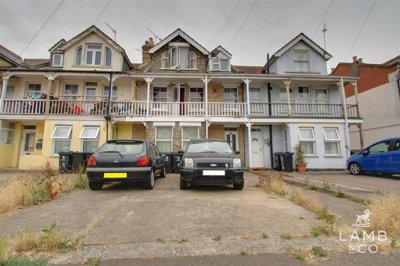
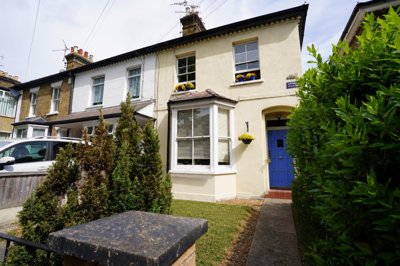
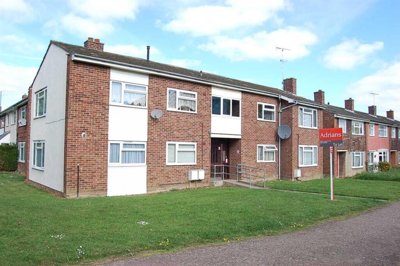
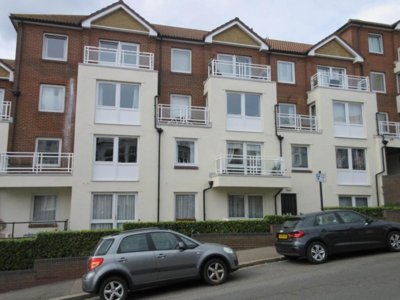
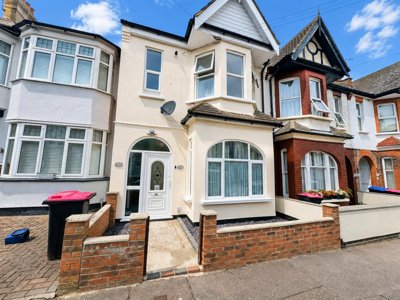
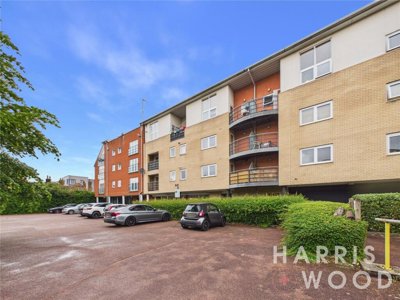
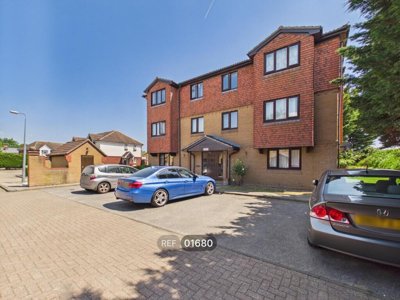
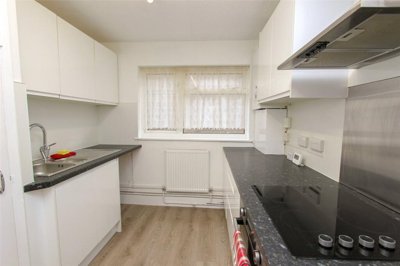
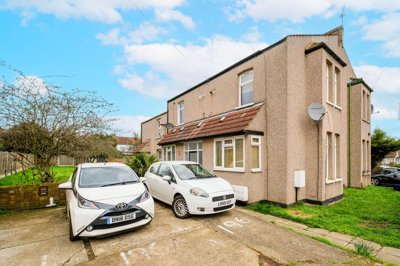
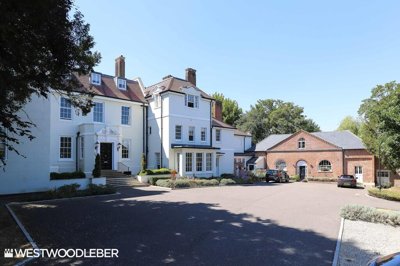
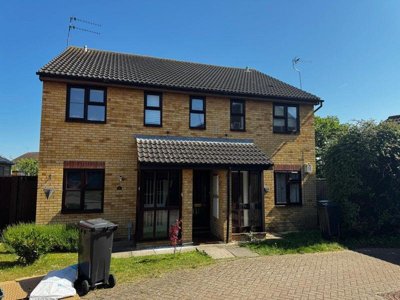
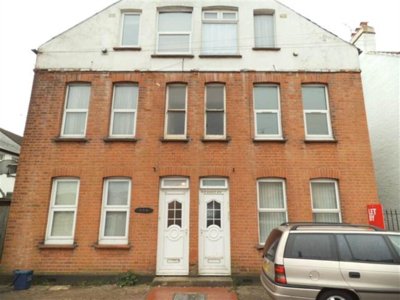
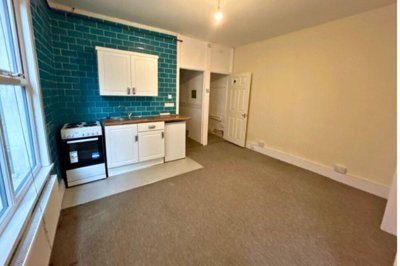
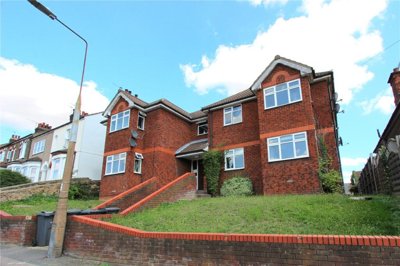
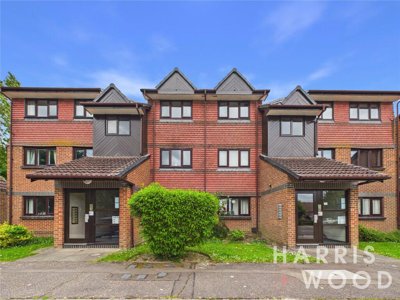
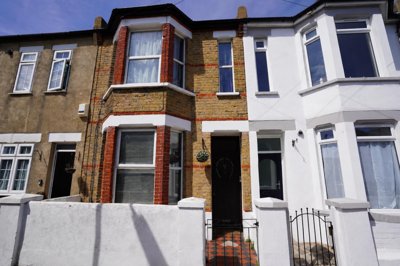
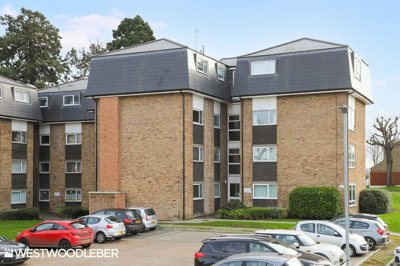
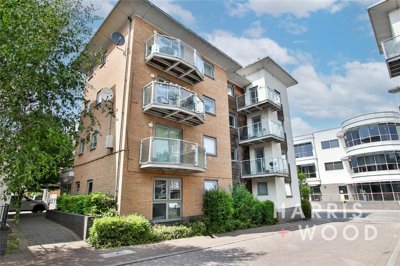
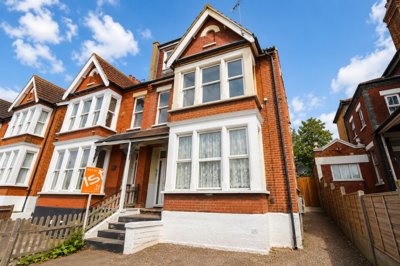
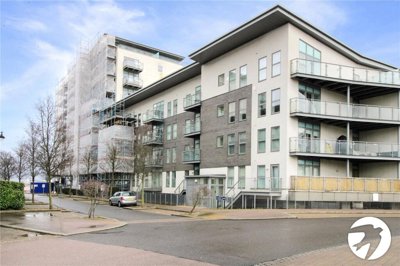
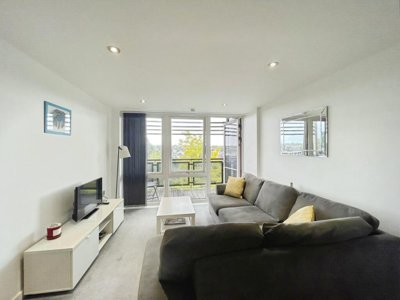
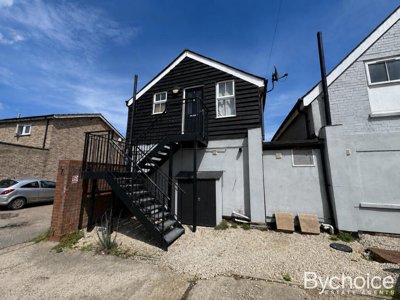
Browse 652 rental homes to rent in Essex, England from local letting agents.
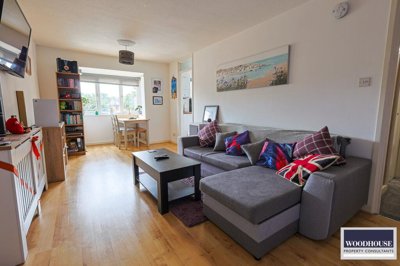
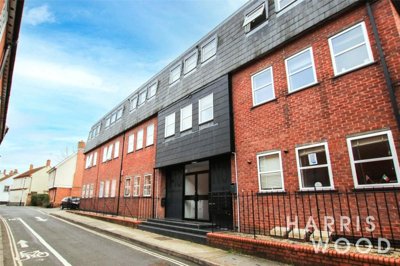
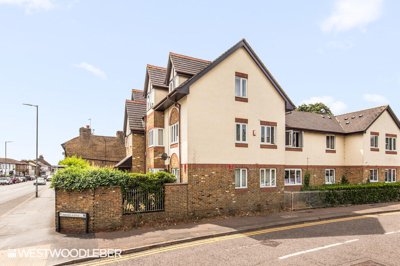
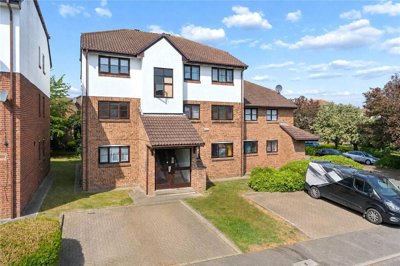
One bed apartments provide a separate bedroom alongside distinct living space, bathroom, and kitchen areas. Properties in Essex are available in various building types including mansion blocks, contemporary developments, and house conversions.
£995/m
155
2
65
Source: home.co.uk
Showing 155 results for 1 Bedroom Flats to rent in Essex, England. 2 new listings added this week. The median asking price is £995/month.
Source: home.co.uk
Flat
155 listings
Avg £1,004
Source: home.co.uk
Source: home.co.uk
Essex is still one of the South East's most mixed county markets, and that works for renters as much as buyers. homedata.co.uk records show 22,600 property sales across the county between January and December 2025, a level of churn that points to a busy market with homes moving regularly. Over the last year, detached homes averaged £590,200, semi-detached homes £438,827 and terraced homes £386,441, so the range runs from premium family stock to more affordable starter homes. For renters, that often translates into better choice in the towns where turnover is strongest.
Fresh supply is coming through as well. home.co.uk listings show schemes including The Foxgloves in Silver End from £395,000 to £475,000, Millview Park in Braintree from £350,000 to £740,000, and Mandeville Crescent in Saffron Walden from £690,000 to £980,000. Current developments also include Beaulieu in Chelmsford, Westley Green in Langdon Hills, and Trinity Fields in Clacton-on-Sea, which underlines just how wide Essex stretches, from coastal spots to long-established inland communities. For renters, that matters because newer neighbourhoods often mean better insulation, off-street parking and a broader mix of nearby property types.

One county, but not one feel. In 2024 Essex was estimated to have 1.9 million residents, a density of 526 residents per square kilometre, and population growth of 18.7% since 2002, which shows how demand has built over time. The split is close, with 51% female residents and 49% male residents, reflecting a wide mix of households, from young professionals to long-settled families. In the supplied data, Colchester is the largest population centre, followed by Basildon and Chelmsford, and those places often anchor local rental demand.
For day-to-day living, renters in Essex can choose between the coast, market towns and straightforward commuter access. Maldon, Rochford, Saffron Walden, Witham and Braintree tend to appeal to people after a more local feel, while Chelmsford and Basildon draw renters who need quicker links and a stronger town-centre offer. The housing stock backs that up, with semi-detached and detached homes leading sales and flats still accounting for nearly a fifth of transactions. More outdoor space is usually easier to find in suburban and village settings, while apartment searches often centre on station districts and regenerating town centres.
The supplied research pack does not include verified school league tables, so we will not invent rankings for Essex. What it does show is a county with a large, varied population, which means education options can differ sharply by town, catchment and district. Families usually weigh up primary admissions, secondary intake areas, sixth-form provision and local college access before choosing where to rent. So this is really an address-by-address check, not a county-wide shortcut.
For renters with children, the practical question is often how to keep the school run simple without making the commute awkward. That can mean looking for a home near the right bus route, a train station or a road that avoids peak-time bottlenecks. Chelmsford, Colchester, Basildon and Harlow are regularly searched because they combine transport, services and a broader choice of schools and colleges. Where education is a priority, we would always check Ofsted reports, catchment maps and admissions policies for the exact street before committing to a tenancy.

Transport is a big reason many renters pick Essex. The research highlights investment in the A12, A127 and local rail services, all helping commuter efficiency and regional connectivity. Stansted Airport is another major factor, both as an employer and as a driver of investment in nearby places such as Uttlesford and Harlow, so the county benefits from a network that supports aviation, logistics, hospitality and office-based work. Useful if you are trying to balance travel time against rent and property size.
Rail tends to be strongest in the commuter towns and along the main corridors. Bus services do more of the work linking villages to larger centres. Around older town centres and near stations, parking can be tight, so off-street parking or a decent permit setup is often worth the extra cost. Cyclists may find the flatter parts of Essex easier than the hillier inland villages, though route quality varies by district. If a move is work-led, we would check the exact station, road junction or bus corridor first, because 2 Essex addresses only a few miles apart can produce very different journeys.
We would start with a clear budget and a sensible shortlist of areas. Essex rewards renters who look at more than one town, because the county combines coastal, suburban and rural settings with very different price points and travel patterns. A rental budget agreement in principle can help you move quickly when the right home appears, and it keeps attention on places that fit your monthly costs. After that, it is easier to sort priorities such as parking, garden space, station access or a quieter street.
Book viewings early, especially for homes near stations, schools or busy town centres. We would go in with questions on council tax band, broadband, tenancy length, pets, parking and the condition of the heating system, because those points shape the real monthly cost. It also helps to prepare referencing documents in advance, including proof of income, employment and previous landlord details. In the stronger commuter pockets of Essex, homes can move fast, so being ready to apply on the same day can make all the difference.
Before signing anything, we would read the tenancy agreement line by line and pin down exactly what the rent includes. With flats, ask who manages the building, how repairs are handled and whether the landlord has already allowed for service charges. With houses, check who deals with garden maintenance, gutters, appliances and any outbuildings. A careful look now can save trouble later, especially in older homes or converted properties.

Postcode alone never tells the full story in Essex. The county has plenty of older streets, conservation areas and converted buildings, so the internal finish of a home matters just as much. Chelmsford on its own has 26 conservation areas, including Chelmer and Blackwater Navigation, Chelmsford Central and Moulsham Street, and those can bring restrictions on external changes and sometimes on how buildings are managed. When renting in a historic part of town, we would ask about windows, access, parking and any permissions that affect alterations. Those details matter if you want to personalise the place or make small changes during the tenancy.
Flood history is another sensible point to check, especially in coastal or estuary-facing parts of Essex and near rivers or surface-water hotspots. The supplied research does not verify specific flood-risk streets, so the safest approach is to ask the agent or landlord directly and review the property information before making an offer. For flats, we would also look closely at service charges, block maintenance, lifts, entry systems and heating arrangements, because all of those affect day-to-day life. Leasehold homes can carry ground rent and management costs behind the scenes, and that can sometimes show up in the standard of maintenance provided by a landlord.
Small practical details are easy to miss when a place looks good on first viewing. We would check storage, water pressure, heating controls, ventilation and whether there is enough room for bins, bikes or a pushchair where needed. In Essex station towns, parking is often the main compromise for convenience. In quieter rural spots, the bigger issue is more likely to be broadband, bus links or road access in bad weather. A solid viewing checklist keeps the focus on everyday liveability, not just the décor.
Renting costs usually begin with 3 upfront items, a holding deposit, a tenancy deposit and the first month's rent. Under current England rules, most tenant fees are banned, so it is worth asking the agent for a full breakdown before paying anything beyond the permitted upfront amounts. A tenancy deposit is usually capped at five weeks' rent for most assured shorthold tenancies, or six weeks' rent where annual rent is above £50,000. In other words, the real budget issue is not only the advertised rent, but how much cash is needed on day one.
Anyone weighing up renting now against buying later should keep the current stamp duty thresholds in mind. They sit at 0% up to £250,000, 5% from £250,000 to £925,000, 10% from £925,000 to £1.5 million and 12% above £1.5 million. First-time buyer relief is 0% up to £425,000 and 5% from £425,000 to £625,000, with no relief above that level. Essex's average sold price of £425,476 is close to that first-time buyer threshold, which gives a useful read on the county's wider affordability position. Even if renting is the immediate plan, those figures help us judge how realistic a future move from tenancy to ownership might be in different parts of Essex.

The supplied research does not include a verified county-wide rental median, so we cannot quote a rental average without guessing. For market context, homedata.co.uk records show an average sold price of £425,476 over the last year, while home.co.uk data puts average asking prices at £478,438. That points to a broad, active Essex market with clear variation between commuter towns, coastal locations and rural villages. For live rental pricing, we would compare current homes in the exact town you want, rather than rely on a county-wide figure.
There is no single Essex-wide council tax answer. Bands vary by district council, property type and valuation band, so a flat in Chelmsford can fall into a different band from a similar place in Basildon, Colchester or Harlow. Before committing, we would ask the agent for the current band and annual charge, then check what the local authority applies to that address. It is one of the quickest ways to get a proper view of the true monthly cost of a tenancy.
We cannot name the best schools from the supplied research because the pack does not include verified school ratings or Ofsted data. In practice, families usually focus on catchments, admissions rules, sixth-form links and travel time rather than any county-wide ranking. In Essex, those details can change from one street to the next, especially in larger towns such as Chelmsford, Colchester and Basildon. If schooling is a deciding factor, the exact address needs checking before an offer goes in.
Well-connected parts of Essex tend to be the ones feeding commuter routes and main roads. The research highlights local rail services, the A12, the A127 and Stansted Airport as major transport drivers, which helps explain why so many renters focus on towns along those corridors. Bus services are useful for linking villages to larger centres, though they are usually less frequent than rail-led commuter routes. Parking, station access and the precise bus stop location can all make a noticeable difference to everyday convenience.
For renters who want choice, Essex is a strong market. The county brings together coastal, suburban, commuter and rural options in one area, and the housing mix is broad, with semi-detached homes, detached homes, terraced houses and flats all well represented in the sales data. That range suits very different needs, from a starter flat to a family house or a home with easier access to London and other key employment centres. Demand is often strongest near rail stations and in well-connected towns, so speed matters.
Most renters should plan for 3 upfront costs, a holding deposit, a tenancy deposit and the first month’s rent. In England, tenant fees are banned in most cases, so admin-style extras should not be added just for applying. A tenancy deposit is usually capped at five weeks' rent, or six weeks where annual rent is above £50,000. We would always ask for the full cost breakdown before reserving a home.
The research points to strong activity in Chelmsford, Basildon, Colchester, Braintree, Saffron Walden, Witham, Maldon, Rochford and Clacton-on-Sea. Together, those places show a useful spread of new-build and established stock, from apartments to larger family homes. For commuter convenience, it makes sense to start with the rail and road corridors. For more space or a quieter setting, market towns and the surrounding villages often offer better value for money.
From 4.5%
Compare monthly affordability before you book viewings
From £499
Check your documents and strengthen your application
From £350
Useful if you are weighing up renting now and buying later
We would set the monthly ceiling first, then get a rental budget agreement in principle so you know what can be afforded comfortably.
It is worth comparing commuter towns, coastal spots and village locations, because the same budget can buy very different lifestyles across Essex.
Homes near stations, schools and popular town centres can go quickly, so we would arrange viewings as soon as the right listing appears.
Ask for the council tax band, tenancy length, deposit details, EPC information and any building charges that change the total cost.
Have proof of income, ID, employment details and previous landlord references ready, so an application can go in without delays.
Read the tenancy agreement carefully, confirm what is included, and on moving day make a note of meter readings, keys and inventory details.
Properties to Rent In London

Properties to Rent In Plymouth

Properties to Rent In Liverpool

Properties to Rent In Glasgow

Properties to Rent In Sheffield

Properties to Rent In Edinburgh

Properties to Rent In Coventry

Properties to Rent In Bradford

Properties to Rent In Manchester

Properties to Rent In Birmingham

Properties to Rent In Bristol

Properties to Rent In Oxford

Properties to Rent In Leicester

Properties to Rent In Newcastle

Properties to Rent In Leeds

Properties to Rent In Southampton

Properties to Rent In Cardiff

Properties to Rent In Nottingham

Properties to Rent In Norwich

Properties to Rent In Brighton

Properties to Rent In Derby

Properties to Rent In Portsmouth

Properties to Rent In Northampton

Properties to Rent In Milton Keynes

Properties to Rent In Bournemouth

Properties to Rent In Bolton

Properties to Rent In Swansea

Properties to Rent In Swindon

Properties to Rent In Peterborough

Properties to Rent In Wolverhampton

Enter your details to see if this property is within your budget.
Loans, cards, car finance
Estimated property budget
Borrowing + deposit
You could borrow between
Typical borrowing
Monthly repayment
Est. at 4.5%
Loan-to-value
This is an estimate only. Your actual budget may vary depending on interest rates, credit history, and personal circumstances. For an accurate affordability assessment, speak to one of our free mortgage advisors.
This calculator provides estimates for illustrative purposes only and does not constitute financial advice. Your home may be repossessed if you do not keep up repayments on your mortgage. Estimates based on 4.5% interest rate, repayment mortgage. Actual rates depend on your circumstances.
Homemove is a trading name of HM Haus Group Ltd (Company No. 13873779, registered in England & Wales). Homemove Mortgages Ltd (Company No. 15947693) is an Appointed Representative of TMG Direct Limited, trading as TMG Mortgage Network, which is authorised and regulated by the Financial Conduct Authority (FRN 786245). Homemove Mortgages Ltd is entered on the FCA Register as an Appointed Representative (FRN 1022429). You can check registrations at NewRegister or by calling 0800 111 6768.

We use cookies to show you personalised content and improve your experience of our website. Find out more in our Privacy policy and Cookie policy.