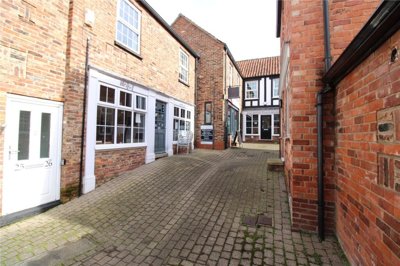
Browse 1 rental home to rent in Epworth, North Lincolnshire from local letting agents.
Studio apartments feature open-plan living spaces without separate bedrooms, incorporating sleeping, living, kitchen, and bathroom facilities. The Epworth studio market includes properties in modern apartment complexes, converted Victorian and Georgian buildings, and purpose-built developments.
£0/m
0
0
0
Source: home.co.uk
Showing 0 results for Studio Flats to rent in Epworth, North Lincolnshire.
The rental market in Epworth offers a broad mix of homes that mirrors the town’s varied housing stock. On current market figures, rental prices average around £5,308 pcm, while median rents sit at £550 pcm. Detached homes sit at the top end with average prices around £315,000, semi-detached properties are usually around £195,000, terraced homes come in at approximately £160,000, and flats generally begin from around £105,000. That pricing pattern leaves a market where tenants can choose between larger family houses with median rents at £550 and smaller starter properties or apartments for individuals and couples alike. Over the last twelve months, the market has eased by 1%, so conditions remain fairly balanced and renters may still find room to negotiate. Two newer schemes also widen the choice in Epworth. The Croft, developed by Lind
Epworth’s housing mix is dominated by 40.2% detached properties, followed by 30.1% semi-detached homes, 19.5% terraced properties, and 9.2% flats and apartments. For renters, that means a larger share of family-sized houses than is common in many similarly sized towns, which suits households wanting space both indoors and out. The age profile is just as telling, with around 25-30% built before 1919, 15-20% dating from 1919 to 1945, 30-35% from the post-war years of 1945 to 1980, and the remaining 15-20% made up of newer construction, including current new-build schemes.
Two new-build developments add further choice for renters and buyers in Epworth. The Croft, developed by Lindum Homes off Burnham Road, includes 3 and 4 bedroom detached and semi-detached homes priced from £219,950 to £349,950. Barratt Homes' Epworth Fields development off Belton Road brings another set of 3 and 4 bedroom options, with prices from £229,995 to £359,995. Both developments bring modern build standards and stronger energy efficiency into the local market, giving people the chance to buy homes finished to contemporary specifications. Put alongside the historic stock already in the town, these schemes give Epworth a market that answers to very different needs.

Epworth’s day-to-day character comes from its strong community feel and the landscape around it. The town sits in the Isle of Axholme, a distinctive area shaped by ancient river systems and fertile agricultural land. Brick is the main building material here, usually in warm red or brown tones, and it gives the town its familiar look while linking newer homes with the older built environment. Many properties date from before 1919, making up approximately 25-30% of the stock, while a substantial share was built between 1945 and 1980, the period when the area expanded and attracted families looking for homes away from larger industrial towns.
The way homes were built in Epworth varies quite a bit by period. Properties from before 1945 are usually solid brick, with timber floors and slate or clay tile roofs, set on shallow brick footings that can be more prone to movement in certain ground conditions. Homes from 1945 to 1980 generally use cavity wall brickwork, pitched timber roofs and concrete ground floors, a clear step up in thermal performance and structural stability. Newer houses benefit from modern cavity wall systems and better insulation throughout. Knowing which construction type you are dealing with can help when weighing up maintenance issues or any renovation potential.
Epworth’s local economy still has agriculture at its core, especially in the surrounding rural area, while services, retail and hospitality all play an important part in the town centre. Wider employment is boosted by manufacturing and logistics work in Scunthorpe, retail and service jobs in Doncaster, and agricultural businesses across the Isle of Axholme. For many residents, commuting to larger centres is part of daily life, particularly for roles in manufacturing, logistics or professional services. Independent shops, traditional pubs and community facilities mean most everyday needs can be met without a long trip, and the countryside around the town brings plenty of walking routes, cycling paths and chances to enjoy the landscape. Seasonal markets and community gatherings run through the year, helping to keep the neighbourly atmosphere that long-term residents value and newcomers quickly notice.

For families looking to rent in Epworth, schooling is centred mainly within the town itself, with primary provision available locally and secondary choices within a reasonable daily commute. Over many years the Isle of Axholme has built its own educational network, serving pupils from Epworth as well as nearby villages such as Haxey, Westwoodside and Crowle. Because the community is close-knit, parents often build good relationships with teachers and support staff, and school events create regular chances for families to get involved with one another. Smaller class sizes and individual attention are common strengths in the schools serving the area, which suits families wanting a supportive setting for children’s progress.
Beyond primary and secondary stage, sixth form and further education options sit in nearby market towns, and students often travel to Scunthorpe, Gainsborough or Doncaster for higher qualifications. North Lincolnshire College in Scunthorpe provides a wide spread of vocational courses, while the University of Sheffield and Sheffield Hallam University are within reach for degree-level study. The area also offers plenty of clubs and activities that sit alongside formal education, from sports teams and music lessons to youth groups, including Scouting and Guiding at the local scout hut on Manor Lane.
We would advise parents to check school catchments and admission rules directly with North Lincolnshire Council, since boundaries and policies can shift. Local primary schools usually serve specific parts of Epworth and the surrounding area, so it is worth confirming which school a rental address falls into before committing to a tenancy. Open days and individual visits can give a clear sense of a school’s ethos, facilities and how well it suits a child’s interests. Ofsted reports are also useful when comparing schools across the district.

Epworth’s transport links reflect its role as a market town serving a rural hinterland rather than a major urban hub. The town sits off the A161, which gives routes to Gainsborough to the south and Scunthorpe to the north. For commuters, driving remains the main way to get to work, with Scunthorpe usually taking around 20-30 minutes depending on traffic. Doncaster is normally about 40-50 minutes away, so living here can still work for people employed in the city who prefer a rural base. The M180 is also within reasonable driving distance, opening up the wider motorway network and making trips towards Leeds, Sheffield and beyond more straightforward.
Bus services provide the main public transport link from Epworth, connecting the town with surrounding villages and larger settlements, although timetables tend to suit school journeys and market day travel more than peak-time commuting. Stagecoach runs routes to Scunthorpe and Doncaster, but current timings should always be checked because some days have limited frequency. The closest rail stations are in Scunthorpe and Gainsborough, with services on to Sheffield, Lincoln and Doncaster. For anyone using trains on a regular basis, easy access to those stations is an important part of choosing where to rent in Epworth.
Short local journeys can often be done by bike, and the flat Isle of Axholme terrain makes cycling workable for most fitness levels, even if longer trips into larger towns are less realistic for everyday commuting. The landscape, shaped by ancient river systems leaving behind alluvial soils, gives good conditions for leisure cycling along country lanes and marked routes. Plenty of residents cycle to shops in Epworth or across to nearby villages for social visits and errands. For commuters, secure bicycle storage at home and at work is something we would factor into the move.

A rental budget agreement in principle should come first, so the monthly figure and the deposit requirement are clear before any viewings begin. We work with rental budget specialists who can turn quotes around quickly, which helps people feel more certain about their finances when putting forward an offer. Having that agreement ready also shows landlords and letting agents that the applicant is serious and financially prepared.
Spend some time in Epworth and across the Isle of Axholme before settling on a tenancy. Visit at different times of day, look at the shops on the High Street, take note of any flood risk areas linked to the River Idle, and talk to residents about what it is like to live on particular streets or in certain developments. Schools matter if children are involved, and public transport links matter too if buses or trains are part of the commute.
Once suitable properties are on the shortlist, we would book viewings to check the home’s condition, ask about the landlord’s background and how the property is managed, and take measurements for furniture. With approximately 70-75% of properties in Epworth built before 1980, older homes can have hidden problems such as damp, outdated electrics or plumbing that no longer meets current standards. A RICS Level 2 survey is often sensible for older rental properties, and typical costs run from £400 to £700 depending on property size.
Before signing a rental agreement, read the terms closely and know exactly what is expected from the tenancy. Points to pin down include the length of the tenancy, notice periods, rent review clauses, who handles maintenance and repairs, and any limits on pets or changes to the property. If the home sits within the Conservation Area or is listed, there may be extra rules about what can and cannot be altered during the tenancy.
Landlords and letting agents usually ask for referencing checks that cover credit history, employment status and references from previous landlords. Having payslips, bank statements and identification ready can speed up the process. Our tenant referencing service starts from £49, and it can take some of the pressure out of the application while giving landlords reassurance about suitability.
On moving day, carry out a full inventory with the landlord or agent and record the condition of every room, along with any existing marks or damage, using photographs. That record protects tenants when they move out and helps with the return of the deposit. Under the Tenant Fees Act 2019, the deposit must be protected in a government-approved scheme within 30 days of receipt.
Renting in Epworth means paying close attention to a few issues that matter locally. The geology brings a shrink-swell risk because clay is present in the superficial deposits, and that can lead to ground movement affecting foundations, especially in extreme weather. Prospective tenants should look for warning signs of subsidence or structural movement, such as cracking in walls, doors or windows that stick, and any signs of previous repairs that might point to foundation problems. Older foundations are common, with approximately 70-75% of homes built before 1980, so a careful inspection before committing is a sensible step.
Older Epworth homes need a close look during viewings. Pre-1945 properties with solid brick walls and timber floors may show damp penetration, especially at ground floor level where original damp-proof courses may have deteriorated over time. Roofs also deserve attention on period houses, since slipped tiles, damaged flashing or failing roof felt can bring in water and cause timber decay. Many older homes still have original electrics and plumbing that may fall short of current safety standards, so it is sensible to ask when upgrades were last carried out and when systems were last inspected.
Flood risk is another point to weigh up carefully in Epworth. The town sits in an area with some risk from rivers and surface water, and the River Idle plus local drainage channels contribute to that exposure. Homes near watercourses or in lower-lying parts of town may be at higher risk, so tenants should ask landlords about any history of flooding and what resilience measures are already in place. Looking at the Environment Agency flood maps for the specific address before committing gives useful baseline information on the flood risk profile of different parts of Epworth.
Homes within the Conservation Area can come with planning limits on the changes tenants are allowed to make, and anyone taking a listed property should understand the extra responsibilities that come with a heritage building. The Grade I listed Old Rectory and St Andrew's Church sit within the Conservation Area, alongside many Grade II listed residential properties. Renting a listed building can be rewarding, but certain alterations may need consent and the maintenance expectations are often higher than for standard homes.

Although the research data here is based on sale prices rather than rent, it still gives useful context for relative values. Detached properties average around £315,000, semi-detached homes around £195,000, terraced properties around £160,000, and flats from approximately £105,000. Monthly rents usually track those values, with the final figure depending on size, condition, where the property sits in Epworth and what demand looks like at the time. With around 40% of properties in the town being detached, the rental market does offer a stronger supply of larger family homes than many similar-sized places. We update rental listings regularly, so checking our current search results gives the clearest snapshot of what is available and what each home is asking.
For council tax, properties in Epworth fall under North Lincolnshire Council. Bands run from A to H, and the exact band depends on the assessed value set by the Valuation Office Agency. Band A homes, usually valued at under £40,000, carry the lowest charge, while Band H homes attract the highest. Because Epworth includes everything from period cottages to modern detached family houses, the council tax bands vary widely across the town. The band for any individual property can be checked by searching the Valuation Office Agency website with the address, or by contacting North Lincolnshire Council directly. Council tax is normally paid monthly and needs to sit alongside rent, utilities and the rest of the household budget.
Epworth and the wider Isle of Axholme are served by primary schools that take children from the town and nearby villages including Haxey, Westwoodside and Belton. Secondary education is available in nearby market towns such as Scunthorpe, where several schools serve the wider area, along with Gainsborough and Crowle. Families should look at Ofsted reports and school websites, visit open days, and check current catchment arrangements with North Lincolnshire Council, since those can change and are reviewed from time to time. The close-knit feel in Epworth often means schools benefit from strong parental involvement and steady community support, which helps create a positive environment for learning and personal growth.
Public transport from Epworth is more limited than in larger towns, with buses carrying most of the load and rail travel needing a trip out to nearby places. Stagecoach routes link Epworth with surrounding villages and market towns, though the service is better for occasional travel than for daily commuting, and evenings and weekends usually have fewer buses. Scunthorpe and Gainsborough are the nearest rail stations, with trains on to Sheffield, Lincoln and Doncaster. Anyone relying on public transport for work should think carefully about bus stops and station access when choosing where to rent. It is wise to check the current bus timetable properly before committing to a tenancy if regular travel will depend on public transport.
Epworth offers a strong quality of life for renters who like rural character, community spirit and open countryside. The town has a rich heritage, with a Conservation Area covering the historic High Street and Market Place, good local amenities including independent shops and traditional pubs, and community events running through the year. Around 4,321 people live here, which gives the place a close-knit feel where neighbours tend to know one another and newcomers are usually welcomed quickly. For people working locally in agriculture, local services or retail, or commuting by car to Scunthorpe or Doncaster, Epworth can offer better value than larger towns while still feeling distinctive. The main thing to weigh up is the practical side of rural living, especially transport and day-to-day access to services.
In England, rental deposits are capped at five weeks rent when annual rent is below £50,000, as set out in the Tenant Fees Act 2019. Most landlords in Epworth ask for a deposit equal to one month’s rent as security against damage or unpaid rent, and that money is held in a government-approved deposit protection scheme for the duration of the tenancy. Other costs to plan for include referencing fees, administration charges from letting agents and inventory check costs at the start and end of the tenancy. Some landlords also ask for the first month’s rent upfront as well as the deposit. Before viewings begin, getting a rental budget agreement in principle helps clarify affordability and shows financial credibility during what can be a competitive application process.
Epworth sits in an area with some flood risk from rivers and surface water, mainly linked to the River Idle and the drainage channels across the Isle of Axholme. The landscape, shaped by ancient river systems, means that certain parts of the town, especially low-lying areas or places near watercourses, can face higher flood risk, particularly after heavy rain or when river levels rise. Before committing to a rental, ask the landlord or agent about any past flooding, check the Environment Agency flood risk maps for the exact location, and look at what resilience measures are already in place, such as property-level flood barriers or raised electrical outlets. Once moved in, contents insurance that covers flood damage is worth arranging, since standard policies can carry flood exclusions that need to be checked closely.
Epworth has a Conservation Area covering the historic core of the town, including the High Street, Market Place and nearby streets, along with a notable concentration of listed buildings. Key examples include the Grade I listed Epworth Old Rectory and St Andrew's Church, as well as many Grade II listed residential and commercial buildings that shape the town’s character. Renting a listed home can be appealing, but changes may be restricted and maintenance can be more involved than with a standard property. Living in a listed building means taking care to preserve its heritage value, and landlords of such homes often have specific expectations about how tenants look after them.
With approximately 70-75% of Epworth’s properties built before 1980, it helps to know the common defects in older housing stock. Damp is frequent in period homes, whether it is rising damp from a failed damp-proof course, penetrating damp from damaged pointing or rendering, or condensation caused by poor ventilation. Roof issues such as slipped tiles, damaged flashing and general wear are common on houses over 50 years old. The local clay geology creates a shrink-swell risk that can lead to subsidence or heave, particularly in older homes with shallower foundations. Many pre-1980s properties still have original or partly updated wiring and plumbing that may not meet current standards, and timber elements can suffer from woodworm or rot where ventilation is poor. Asking about recent surveys, electrical inspections and any past repairs gives a clearer picture of the condition of any property under consideration.
From 4.5%
We start with a rental budget agreement in principle before the property search begins.
From £49
We carry out the referencing checks that landlords and letting agents require.
From £85
Energy Performance Certificate for your rental property.
From £400
We suggest a detailed survey for older properties and the common local defects.
Budgeting for a rental home in Epworth means looking well beyond the monthly rent. The security deposit, capped at five weeks rent under the Tenant Fees Act 2019, is usually paid at the start of the tenancy and held in a government-approved deposit protection scheme for the duration of the occupation. At the end of the tenancy, that deposit is returned subject to any deductions for damage beyond normal wear and tear or unpaid rent. Factoring that upfront cost in alongside the first month’s rent means savings equivalent to around two months rent are usually needed to move in comfortably. The main government-approved schemes are the Deposit Protection Service, MyDeposits and the Tenancy Deposit Scheme.
Other costs to include in the budget are referencing fees, which cover credit checks, employment verification and previous landlord references. Inventory check fees, paid at both the start and end of the tenancy, cover the detailed condition report that protects both tenant and landlord. Some letting agents still charge administration fees, though these were largely banned for new tenancies under the Tenant Fees Act. If the home is older, and given that approximately 70-75% of properties in Epworth were built before 1980, a professional survey may be worth considering to pick up any issues before a commitment is made. RICS Level 2 surveys in Epworth typically range from £400 to £700 depending on property size and type, with flats and smaller terraced houses at the lower end and larger detached properties at the higher end.
Seen over the longer term, paying for a survey before committing to a tenancy can be a sensible outlay if it spots problems early. That matters here because of the local clay geology and flood risk in the Isle of Axholme, together with the number of older homes built in solid brick and the damp issues that can come with them. A careful inspection can save a great deal of expense and hassle by flagging issues that might otherwise fall to the tenant, or by giving useful leverage when discussing terms with the landlord. Our platform offers RICS Level 2 surveys in Epworth from £400, carried out by qualified surveyors with local knowledge of the area’s common property defects.
Properties to Rent In London

Properties to Rent In Plymouth

Properties to Rent In Liverpool

Properties to Rent In Glasgow

Properties to Rent In Sheffield

Properties to Rent In Edinburgh

Properties to Rent In Coventry

Properties to Rent In Bradford

Properties to Rent In Manchester

Properties to Rent In Birmingham

Properties to Rent In Bristol

Properties to Rent In Oxford

Properties to Rent In Leicester

Properties to Rent In Newcastle

Properties to Rent In Leeds

Properties to Rent In Southampton

Properties to Rent In Cardiff

Properties to Rent In Nottingham

Properties to Rent In Norwich

Properties to Rent In Brighton

Properties to Rent In Derby

Properties to Rent In Portsmouth

Properties to Rent In Northampton

Properties to Rent In Milton Keynes

Properties to Rent In Bournemouth

Properties to Rent In Bolton

Properties to Rent In Swansea

Properties to Rent In Swindon

Properties to Rent In Peterborough

Properties to Rent In Wolverhampton

Enter your details to see if this property is within your budget.
Loans, cards, car finance
Estimated property budget
Borrowing + deposit
You could borrow between
Typical borrowing
Monthly repayment
Est. at 4.5%
Loan-to-value
This is an estimate only. Your actual budget may vary depending on interest rates, credit history, and personal circumstances. For an accurate affordability assessment, speak to one of our free mortgage advisors.
This calculator provides estimates for illustrative purposes only and does not constitute financial advice. Your home may be repossessed if you do not keep up repayments on your mortgage. Estimates based on 4.5% interest rate, repayment mortgage. Actual rates depend on your circumstances.
Homemove is a trading name of HM Haus Group Ltd (Company No. 13873779, registered in England & Wales). Homemove Mortgages Ltd (Company No. 15947693) is an Appointed Representative of TMG Direct Limited, trading as TMG Mortgage Network, which is authorised and regulated by the Financial Conduct Authority (FRN 786245). Homemove Mortgages Ltd is entered on the FCA Register as an Appointed Representative (FRN 1022429). You can check registrations at NewRegister or by calling 0800 111 6768.

We use cookies to show you personalised content and improve your experience of our website. Find out more in our Privacy policy and Cookie policy.