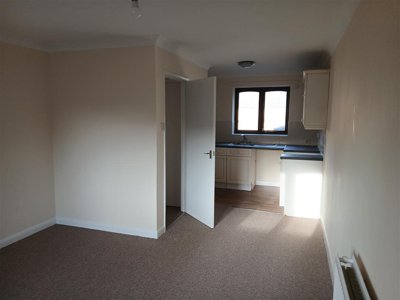
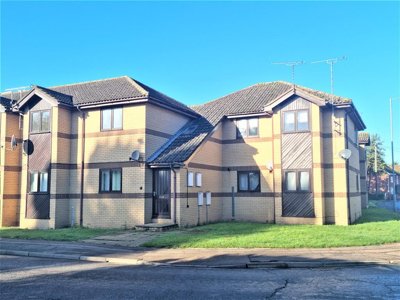
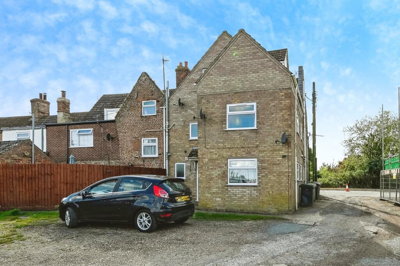
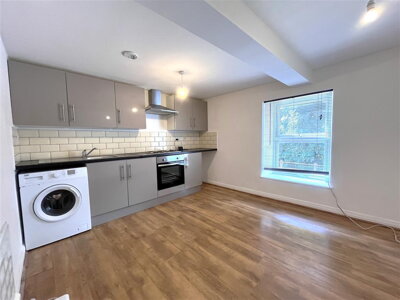
Browse 5 rental homes to rent in Elm, Fenland from local letting agents.
Studio apartments feature open-plan living spaces without separate bedrooms, incorporating sleeping, living, kitchen, and bathroom facilities. The Elm studio market includes properties in modern apartment complexes, converted Victorian and Georgian buildings, and purpose-built developments.
£0/m
0
0
0
Source: home.co.uk
Showing 0 results for Studio Flats to rent in Elm, Fenland.
Elm and the wider Fenland area usually offer sharper rents than many other parts of Cambridgeshire and the wider East of England region. Tenants can find a mix of property types, from traditional terraced cottages to semi-detached family homes, and sometimes larger detached houses with generous gardens. Supply in the village is limited at any one time, so anyone waiting for the right place needs to move fast once something suitable comes up. Rural lettings also follow the seasons, and agricultural work can shape demand at different points in the year.
On the whole, homes to rent in Elm sit in the more affordable part of the Cambridgeshire market. A typical three-bedroom family home in the village or nearby parishes may come with competitive monthly rents, which suits people looking for space and a rural way of life. Rental values across Fenland have edged up gradually in recent years as more tenants discover the value and quality of life on offer in places like Elm. New build development around here has been limited, so most rental stock is older, built using traditional methods and worth checking carefully before any tenancy is agreed.

Elm is a village and civil parish in the Fenland district of Cambridgeshire, set approximately four miles northeast of the market town of Wisbech. It lies on the northern edge of the Cambridgeshire Fens, a vast expanse of reclaimed marshland and one of the most striking landscape changes in English history. The Fens are famous for their flatness, with ground in places lying barely above sea level, and the view can run for miles in every direction, a scale of openness many city dwellers find refreshing. The village name most likely comes from the elm trees that once lined the watercourses and hedgerows across this part of Cambridgeshire, although modern farming has altered the old landscape quite a bit.
The surrounding fenland villages, Elm included, tend to feel close-knit, with people often knowing one another through work, school links or village life. There is a traditional public house in the village, and it plays an important part as a meeting point for the local community. Seasonal events, local celebrations and community projects bring residents together through the year, which is part of the appeal for many renters. Life here moves at an unhurried pace. It gives a break from urban pressure, while still leaving enough contact with larger towns for those who need it.
For anyone who likes the outdoors, the land around Elm has plenty to offer. The drained fen fields support intensive agriculture, yet the area also includes important nature reserves and drainage channels, known locally as drains, which support birdlife and wetland species. Walking and cycling work well on this flat ground, with quiet lanes and public footpaths linking the scattered villages of the area. With Norfolk and Lincolnshire both nearby, coastlines and heather-covered heathland are within reasonable driving distance for days out and weekend trips.

Families thinking about renting in Elm will find primary education available through a network of schools in the surrounding villages and market towns. The village sits within catchment for primary schools in nearby settlements, and children usually travel by school transport to reach their allocated primary school. Pupils from Elm and the surrounding fenland villages often go to primary schools in places such as Friday Bridge, Elm or other nearby communities, where class sizes can be smaller than in towns and teachers often build strong links with pupils and families over several years of continuous education.
For secondary education, children from Elm usually attend schools in the nearby market towns, most often Wisbech or March, the main towns serving Fenland district. These schools provide both academic and vocational routes, and transport arrangements are in place for students living in the outlying villages. It is worth checking catchment areas and admission policies carefully before deciding where to rent, as school choice can shape day-to-day routines and family logistics. There has been continued investment in school facilities across the fenland area, although some parents still look to independent schooling elsewhere in Cambridgeshire if they want alternatives to the state system.
Young families, and those planning ahead, should also think about early years provision before moving to Elm. Village playgroups and preschool facilities cover the immediate community, while nearby towns add extra childcare options for working parents. The Cambridgeshire County Council education website gives useful detail on school performance data, Ofsted inspection reports and admission arrangements, and these are all things prospective tenant families ought to review before committing to a rental property in the area.

Elm’s transport links reflect its rural setting in the Cambridgeshire Fens, so private vehicles do most of the heavy lifting for everyday travel. The village is close to the A47, an important east-west route linking Wisbech to Peterborough and Norwich. The A1101 and other local roads connect Elm to nearby villages and market towns, although journey times to larger centres can be longer because many fenland roads are single carriageway. Anyone working in Cambridge or Peterborough will need to accept some commuting, though the lower rents in Elm can help balance the travel costs.
Bus services do run through Elm and the surrounding fenland villages, linking to Wisbech, March and other local towns, but the frequencies are modest and do not suit every office pattern. The nearest railway stations are in March and Peterborough, with links to London, Birmingham and other major destinations. March station offers services to Cambridge and Peterborough, while Peterborough has faster trains to London, taking around 45 minutes to the capital. For commuters who can work from home on some days, Elm can still work as a practical base that combines rural living with reasonable connectivity.
Cycling is a sensible choice for shorter trips across the flat fenland landscape, with quiet lanes and dedicated cycle routes linking Elm to nearby villages and towns. The National Cycle Network runs through the fenland area too, giving recreational and commuting cyclists some traffic-free options. Anyone hoping to rent in Elm without a car should check bus timetables closely and think through whether cycling covers daily needs before signing up. The village location does mean transport needs careful planning, especially for people who rely on regular access to larger towns for specialist appointments, shopping or entertainment.

Renting in the Cambridgeshire Fens means paying attention to a few local issues that are different from those in other parts of the country. The fenland geology, with its deep layers of peat and alluvial soils, can affect the foundations and stability of older properties, especially buildings put up before modern building regulations came in. Homes in Elm and the surrounding villages may show settlement or movement linked to historic drainage works, changing groundwater levels or the natural consolidation of fenland soils. A proper survey before committing to a tenancy can highlight problems that might otherwise become costly or awkward during the rental period.
Flood risk deserves careful thought in the fenland area, because the low-lying landscape means drainage and water management are constant concerns for residents and property owners. Extensive drainage systems protect the area from the catastrophic flooding that once affected the Fens, yet surface water flooding and extreme weather can still create problems in some spots. Anyone considering a property should check the specific flood risk, look at Environment Agency flood maps and speak to current or previous occupiers about any flooding history. Insurance matters should also be discussed with landlords before a tenancy agreement is signed.
The age and build of rental homes in Elm should be looked at closely, since many were built in the Victorian or Edwardian periods when standards were very different from those used today. Traditional fenland cottages often have solid walls, limited insulation and construction methods suited to local materials and conditions. They can have real character and charm, but they may also bring issues such as energy inefficiency, damp penetration or outdated services. Anyone considering a rental here needs to understand the property condition, the landlord’s approach to maintenance and improvements, and the likely cost of heating an older house through Cambridgeshire winters.

Renting a property in Elm, Fenland comes with several upfront costs, so it is wise to budget properly before the search begins. The standard deposit requirement for rental properties in England is equivalent to five weeks' rent, and this is held by the landlord or their agent in a government-approved tenancy deposit scheme for the duration of the tenancy. It is returned at the end, subject to deductions for damage beyond normal wear and tear or unpaid rent. On top of that, tenants usually pay the first month's rent in advance, which, together with other moving costs, can mean a sizeable commitment before moving in.
Reference checks and administration fees are part of the renting process, and most landlords or letting agents ask for tenant referencing that confirms identity, right to rent in the UK, employment status and previous rental history. Some letting agents still charge administration fees for handling applications, although rules introduced in recent years have limited the fees that can be charged to tenants. Credit checks and employment verification are standard parts of the process, and prospective tenants should have the right documents ready to speed things along. Where rental histories are more complex, or employment is not standard, extra references or guarantees may be needed to secure a tenancy.
Beyond the monthly rent, there are ongoing costs to keep in mind, starting with council tax, which is charged by Fenland District Council and South Holland District Council depending on the specific location of the property within the civil parish boundaries. Utility bills, including gas, electricity, water and telecommunications services, usually fall to the tenant unless the tenancy agreement says otherwise. Energy costs can be higher in older homes with solid walls and limited insulation, so EPC ratings matter when comparing properties. Budgeting for these outgoings alongside the rent helps prospective tenants see whether Elm really fits comfortably within their means before they commit to a tenancy agreement.
Before we start looking seriously, it helps to have a clear picture of the finances. A rental budget agreement in principle from a lender can strengthen an application where properties are in demand and competition is tight. We would also set aside money for the deposit, first month's rent, referencing fees and moving expenses, alongside the regular monthly commitments that come with the tenancy.
A bit of time spent in Elm and the surrounding fenland villages can tell us a lot about day-to-day life there. It is worth visiting the local amenities, walking the neighbourhood at different times of day and speaking to people who already live there about their experiences. Getting a feel for the practical side of rural village living, including transport options and how easy it is to reach services, makes for a better informed decision.
Homemove is the place to browse currently available properties to rent in Elm and to set alerts for new listings. Rural villages like this rarely have lots of stock, and good homes can be snapped up fast, so it pays to move quickly when the right property appears. We would arrange viewings without delay and come prepared with questions about the property condition, landlord expectations and any local factors that could affect the tenancy.
After the right property has been found, the landlord or letting agent will ask for referencing to confirm identity, right to rent and financial reliability. Send the requested documents promptly and have references from previous landlords or employers ready to support the application. Self-employed applicants, or anyone with a more complicated rental history, may need to gather extra paperwork in advance to keep the process moving.
Take time to read the tenancy agreement properly before signing, and make sure the rights and responsibilities as a tenant are clear. Check the term of the tenancy, notice periods, rent amount and payment dates, deposit arrangements and any clauses that relate specifically to the property. If anything is unclear, ask for it to be explained, and make sure we receive a copy of the signed agreement for the records.
Once referencing is finished and the tenancy agreement has been signed, the move into the property can be organised. Photograph the condition of the property carefully and keep the landlord’s inventory check-in report too. Set up utility accounts, council tax and any other ongoing services in our name from the tenancy commencement date. Welcome to your new home in the Cambridgeshire Fens.
Specific rental price data for Elm village itself is limited because there are so few properties available at any one time. Even so, rental homes across the Fenland area of Cambridgeshire generally provide more affordable options than Cambridge city and the surrounding commuter villages. A typical three-bedroom family home in the wider Wisbech or March rental market might sit in the range of £800 to £1,100 per month, while smaller homes such as two-bedroom cottages could be available from around £600 to £800 monthly. The rent achieved in Elm will still depend on condition, size and the exact location within the village.
Properties in Elm, Fenland are subject to council tax levied by the appropriate local authority, which depends on the civil parish boundaries in question. For most local services Elm falls within the Fenland District Council area, while Cambridgeshire County Council provides education and other upper-tier services. Council tax bands run from A to H according to property valuation, and in rural fenland villages there are often large numbers of lower-band homes because the housing stock is generally more modestly valued than in urban areas.
Primary school provision for Elm includes facilities in the village itself or nearby Friday Bridge, and children are generally offered places based on catchment area proximity. Secondary education choices include schools in Wisbech and March, with Thomas Clarkson Academy in Wisbech and Neale-Wade Academy in March serving the wider fenland community. Parents should check Ofsted ratings and admission policies directly through the Cambridgeshire County Council school admissions portal, as school performance data and catchment boundaries can change over time.
Public transport from Elm is limited, which is exactly what we would expect from a rural village location. Bus services run between Wisbech and the surrounding villages, but the frequencies are much lower than those in urban areas. The nearest railway stations are in March and Peterborough, giving access to Cambridge, London and other major destinations. Without a private vehicle, it makes sense to study the bus timetables carefully and decide whether the available transport meets day-to-day commuting and service needs before committing to a rental property in Elm.
Elm gives tenants a distinctive lifestyle opportunity, especially for those who want the peace and community spirit of a rural Cambridgeshire village. The benefits include affordable rents, strong local connections, attractive fenland landscapes and easy access to nature reserves and outdoor pursuits. The downsides are just as real, limited public transport, reliance on nearby towns for many services and the practical realities of rural living, with longer journeys for work and amenities. Whether Elm is the right place to rent depends on individual circumstances, priorities and how well village life fits with them.
Standard deposits for rental properties in Elm are five weeks' rent, held in a government-approved deposit protection scheme throughout the tenancy. Extra upfront costs include the first month's rent, tenant referencing fees and, sometimes, small administration charges from letting agents. A rental budget agreement in principle is a sensible step before the property search starts, because it shows landlords that finances are in order. The total upfront cost of renting a property worth £800 per month would usually be around £5,200, including deposit, first month rent and referencing costs.
New build developments within Elm village itself are limited, since the rural settlement has constrained development opportunities and planning policies aim to preserve the character of fenland villages. The wider Fenland area has seen some new housing in nearby towns and larger villages, though, which may suit tenants who want modern rental options and do not mind travelling a little further for improved property specifications. Modern homes often bring better energy efficiency, contemporary fittings and warranties that can give tenants added peace of mind.
From 4.5%
Get your rental budget in principle before searching for properties
From £60
Complete your referencing checks quickly and efficiently
From £100
Professional check-in and check-out reports for your tenancy
From £80
Energy performance certificate for your rental property
Properties to Rent In London

Properties to Rent In Plymouth

Properties to Rent In Liverpool

Properties to Rent In Glasgow

Properties to Rent In Sheffield

Properties to Rent In Edinburgh

Properties to Rent In Coventry

Properties to Rent In Bradford

Properties to Rent In Manchester

Properties to Rent In Birmingham

Properties to Rent In Bristol

Properties to Rent In Oxford

Properties to Rent In Leicester

Properties to Rent In Newcastle

Properties to Rent In Leeds

Properties to Rent In Southampton

Properties to Rent In Cardiff

Properties to Rent In Nottingham

Properties to Rent In Norwich

Properties to Rent In Brighton

Properties to Rent In Derby

Properties to Rent In Portsmouth

Properties to Rent In Northampton

Properties to Rent In Milton Keynes

Properties to Rent In Bournemouth

Properties to Rent In Bolton

Properties to Rent In Swansea

Properties to Rent In Swindon

Properties to Rent In Peterborough

Properties to Rent In Wolverhampton

Enter your details to see if this property is within your budget.
Loans, cards, car finance
Estimated property budget
Borrowing + deposit
You could borrow between
Typical borrowing
Monthly repayment
Est. at 4.5%
Loan-to-value
This is an estimate only. Your actual budget may vary depending on interest rates, credit history, and personal circumstances. For an accurate affordability assessment, speak to one of our free mortgage advisors.
This calculator provides estimates for illustrative purposes only and does not constitute financial advice. Your home may be repossessed if you do not keep up repayments on your mortgage. Estimates based on 4.5% interest rate, repayment mortgage. Actual rates depend on your circumstances.
Homemove is a trading name of HM Haus Group Ltd (Company No. 13873779, registered in England & Wales). Homemove Mortgages Ltd (Company No. 15947693) is an Appointed Representative of TMG Direct Limited, trading as TMG Mortgage Network, which is authorised and regulated by the Financial Conduct Authority (FRN 786245). Homemove Mortgages Ltd is entered on the FCA Register as an Appointed Representative (FRN 1022429). You can check registrations at NewRegister or by calling 0800 111 6768.

We use cookies to show you personalised content and improve your experience of our website. Find out more in our Privacy policy and Cookie policy.