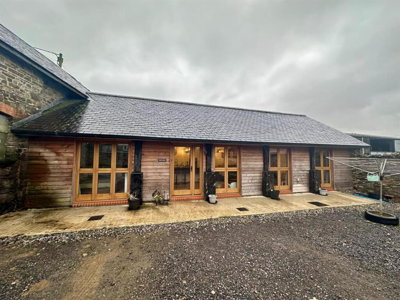
Browse 1 rental home to rent in East and West Buckland from local letting agents.
The 2 bed house market features detached, semi-detached, and terraced properties with two separate bedrooms plus living spaces. Properties in East And West Buckland range from Victorian and Edwardian period homes to modern new builds, with pricing varying across different neighbourhoods.
East and West Buckland sit within a market where the wider West Buckland area posts an overall average property price of £435,000 according to recent data. Detached homes sit at around £485,000, while semi-detached properties are valued at approximately £423,333, which gives a useful frame for local rents and stock. Because this is a rural parish dominated by detached and semi-detached housing, rentals usually come with decent space, gardens, and countryside views that draw people after a quieter way of life. Terraced homes are less common, but they do appear at around £320,000 on average, so there is at least some lower-cost entry into the market.
In the EX32 postcode area, prices have held up well, rising 6% over the past year even though they remain 1% below the 2022 peak of £441,000. That sort of performance points to a steady market, and it helps explain why buyers and renters keep looking here, with the parish offering natural beauty alongside a strong sense of community. For tenants, it suggests decent value compared with similar rural spots in the South West. New build development is absent within the immediate parish, so most available homes are character properties, many likely to pre-date 1919 because of the villages' medieval roots and old church buildings.
Community life in East and West Buckland moves with the rhythm of rural Devon. With around 505 residents, the parish feels small and familiar, and local events tend to pull people together rather than send them off in different directions. Farmland still shapes the area, and working farms keep the landscape firmly pastoral. Day to day, it is all Devon lanes, rolling hills, and a slower pace than most urban areas. For families and anyone wanting distance from noise and congestion, this part of North Devon offers a genuine taste of country living.
A mix of farming, West Buckland School, and smaller businesses forms the local economy, including garden centres, farms, and specialist firms. Residents rely on the village filling station for essentials, while South Molton nearby brings larger shops, amenities, and weekly markets. There is also a care home in the area, which says something about how the community supports people at different stages of life. Joineries, builders, plant and tree nurseries, and a veterinary clinic all help meet everyday needs without a long trip to a bigger town. Taken together, those services and jobs make East and West Buckland a sensible choice for renters who want peace without losing practicality.

West Buckland School is the main educational anchor here, a respected independent day and boarding school founded in 1858 and serving families from across North Devon and farther afield. It offers education from primary through sixth form, so children can follow a full pathway without leaving the local area. Its boarding provision and academic reputation make it appealing to families looking for high-quality independent schooling, and that inevitably affects property demand and the rental market. For parents renting in the parish, being close to the school is a major plus, although admissions and waiting lists are decided by the school itself.
Families in the parish are not limited to West Buckland School alone. Nearby villages and towns provide state primary schools, while secondary education is available in places such as South Molton, where older pupils also benefit from added facilities and support. Colleges in Barnstaple and Exeter open up further and higher education routes, and the transport links make those realistic options for older students. Anyone looking at rentals should check catchment areas and admission arrangements carefully, because these vary and can affect which year groups can be offered places. For households prioritising schooling, having West Buckland School inside the parish gives East and West Buckland a clear edge over many other rural North Devon locations.
Travel from East and West Buckland reflects the realities of rural North Devon, so commuting and access to services need a bit of thought. The parish lies in the EX32 postcode area, and the nearest main road link is the A361 through South Molton, which connects west to Barnstaple and east towards the M5 motorway beyond Tiverton. That route is the key line for regional travel, but it does mean longer journeys to Exeter, Bristol, or Plymouth than most urban commuters would expect. For renters who work from home or have flexible hours, the travel distances may matter less than the benefits of village life.
Public transport is limited in East and West Buckland, as you would expect in a small rural parish. Bus services do link the villages to nearby towns such as South Molton, where shoppers can pick up markets, shops, and rail connections at Tiverton Parkway or Barnstaple. From there, rail journeys continue to Exeter, Bristol, and London Paddington, though the time involved means daily city commuting is usually unrealistic for most workers. A car is generally essential for day-to-day living, from school runs to errands and appointments. Cycling provision is sparse, although the quiet lanes are pleasant for leisure rides and short local trips. Parking is usually simpler than in busier places, with most homes offering off-street spaces.

Renting in East and West Buckland calls for close attention to the realities of rural housing and older buildings. With medieval churches and historic buildings in the villages, many homes are likely to pre-date 1919, which can bring familiar issues such as damp, outdated electrics, and concerns about the roof. Before signing anything, prospective tenants should look carefully for damp, especially in ground floor rooms and bathrooms, check any visible roof condition, and ask how old the electrical system and heating set-up are. In rural properties, maintenance standards can vary quite a lot from one landlord to another, so those checks matter.
The parish's medieval churches and the historic West Buckland School campus suggest that some homes may be listed, with the usual restrictions on alteration and improvement. Anyone considering a property should ask whether it is listed and what that means in practice during the tenancy. Flood risk ought to be checked through the Environment Agency's flood mapping service, since specific parish-level flood data was not readily available in research. It is also sensible to ask about conservation area rules or planning limits, so there are no surprises about what can and cannot be changed.
For rural Devon rentals, it also pays to understand how shared spaces, access rights, and drainage arrangements work before moving in. If a home is not on mains drainage, it may depend on a septic tank or treatment plant, and that can mean regular upkeep as well as shared responsibility with neighbouring properties. Heating deserves a close look too, because older rural homes often use oil-fired boilers, bottled gas, or solid fuel rather than mains gas. Our inspectors often come across properties with weak maintenance history or insulation that falls below modern standards, which can translate into high energy bills through Devon winters.
Start by spending time in East and West Buckland itself. That gives a better feel for the village atmosphere, the local services, and practical matters such as school catchments and transport links. Visit at different times of day and on different days of the week, then judge for yourself whether the pace of rural life suits the routine you have in mind.
Before viewing homes, get a rental budget agreement in principle from a lender so you know what you can afford. It also shows landlords that you are serious, which can matter a great deal where available properties are limited and competition is tight.
Line up viewings for any rental properties available in the parish. Take your time over the condition of the house, look for damp or repair issues, and talk through lease terms with the landlord or letting agent. In older East and West Buckland properties, the roof, windows, and heating system deserve special attention.
We would suggest booking a survey if a property is high on your list, especially where the home is older and likely to need more care. A RICS Level 2 Survey can flag issues before you commit, giving you leverage to discuss repairs or at least a clearer picture of maintenance duties during the tenancy.
Once a property is agreed, tenant referencing comes next, along with identification, proof of income, and the tenancy agreement. Read every term before signing. That includes repair responsibilities, notice periods, and any rules about pets or alterations.
Before you take the keys, carry out a detailed inventory check and record the condition of the property and its contents. That helps protect your deposit when you move out and leaves no doubt about responsibilities during the tenancy. Photographs and copies of the paperwork are worth keeping.
Knowing how buildings in East and West Buckland are constructed helps tenants spot possible issues before they commit. This is a rural North Devon parish with medieval origins, so the housing stock is largely made up of traditional buildings rather than modern ones. Homes built before 1919 often have solid walls instead of cavity insulation, lime-based mortars and renders, and traditional timber roof structures with slate or stone tile coverings. Those methods need a different approach to maintenance, and tenants should understand how the age and type of property may shape their responsibilities.
Because traditional materials are common here, issues such as rising damp, penetrating damp through worn pointing, and timber decay in roof structures crop up more often than in newer homes. Our surveyors regularly spot outdated electrics in older rural properties, where fuse boards, wiring, and socket outlets may not meet current standards even if they still work. Solid-wall homes can also be poorly insulated, which means higher heating bills and less comfortable rooms in cold weather. When viewing in the parish, ask about recent electrical upgrades, heating performance, and any damp or structural repairs already carried out.
The surrounding farmland and Devon hedgerows have shaped how homes are placed and built, with many positioned to make the most of countryside views. Detached properties are especially common, and they often come with generous gardens that need attention all year round. Winter can make access tricky on rural lanes, while homes in higher spots may feel windier and more exposed than those tucked into sheltered valleys. Those local conditions are worth keeping in mind when choosing a property that suits daily life as well as the season.

We could not find specific rental price data for East and West Buckland in research, but the sales market still gives a good benchmark, with the overall average property price in West Buckland at £435,000. Rent levels here usually track size, condition, and property type, and detached homes command the highest rents because they are scarce and much sought after. With no new build developments, the rental stock is mostly made up of character homes, and those tend to command prices that reflect both their individuality and the appeal of rural Devon living.
For council tax, properties in East and West Buckland fall under North Devon District Council. The band will depend on the valuation, from Band A through to Band H, though many traditional rural homes in the parish sit in the middle bands. Ask about the band when viewing a property, because it is part of the overall monthly cost alongside rent and utilities. North Devon District Council provides online checks for council tax bands and estimated annual charges, which helps with budgeting.
West Buckland School is the parish's standout educational asset, an independent day and boarding school founded in 1858 that teaches from primary through sixth form. It shapes both the feel of the community and local demand for homes, with many families looking first at properties close to the school. For state education, parents should look at primary options in nearby villages and secondary provision in places such as South Molton, and they should check catchments and admission rules because these can change and affect eligibility.
Transport links in East and West Buckland are limited, which is part of living in a rural parish. Bus services do run to nearby towns such as South Molton, giving access to extra facilities and services, though the frequency is usually lower than on urban routes. The nearest rail stations are Barnstaple and Tiverton Parkway, and journeys to major cities need planning, so daily commuting is rarely practical for most workers. Most residents find that a vehicle is essential for errands, school runs, and getting around, so prospective tenants should think through the costs and logistics of car ownership before settling here.
For anyone after peaceful rural living in North Devon, East and West Buckland offer a very good quality of life. The small village community, lovely countryside, and presence of West Buckland School make the parish particularly appealing to families and to people who value local connections and outdoor space. The rental market is modest, so choice can be limited, but the homes that do come up usually offer character and room that compare well with urban alternatives. If limited public transport and the need for personal transport are manageable, the parish is an attractive place to rent in one of England's most scenic counties.
In England, standard rental deposits are capped at five weeks rent where the annual rent is below £50,000, and the money must be held in a government-approved scheme for the duration of the tenancy before being returned at the end, minus any legitimate deductions for damage or unpaid rent. First-month rent is normally paid in advance as well, so tenants should plan for two months rent plus deposit when moving into a new property. There can also be referencing fees, administration charges from letting agents, and the cost of inventory checks, which can add several hundred pounds to the initial outlay.
The medieval churches in both East Buckland and West Buckland point to a parish full of historic, and possibly listed, buildings. St Michael's Church in East Buckland and St Peter's Church in West Buckland are medieval structures that have stood for centuries, which shows the area has heritage assets protected by listing. Any rental property that is listed, or sits within a conservation area, will carry restrictions on alteration and may need specialist surveys or consent for certain works. Tenants should ask about the heritage status of any home they are considering and understand how that affects both the tenancy and any changes they want to make while living there.
From 4.5%
Get your rental budget agreed in principle before you start searching, so you know what is realistic and can approach landlords with confidence.
From £29
Most landlords will ask for tenant referencing to confirm identity, income, and rental history before they offer a tenancy.
From £350
A professional survey can pick up defects in a rental property before you commit, which is especially useful with older character homes.
From £85
Energy Performance Certificates are a legal requirement for rental properties and give useful information about heating costs and efficiency.
Thinking through the full cost of renting in East and West Buckland means looking well beyond the monthly rent. Standard practice in England is for tenants to pay a deposit equal to five weeks rent where the annual rent is below £50,000, held in a government-approved scheme throughout the tenancy and returned at the end minus any legitimate deductions for damage or unpaid rent. First-month rent is usually due in advance too, so tenants should budget for two months rent plus deposit when moving into a new property. There may also be referencing fees charged by letting agents, administration charges for setting up the tenancy, and inventory check fees, all of which can add several hundred pounds to the initial outlay.
Alongside the upfront moving costs, tenants also need to plan for council tax, utility bills, contents insurance, and internet access. Rural homes in East and West Buckland can be expensive to heat because of their age and size, and properties that run on oil or bottled gas will see costs move with global energy prices. Contents insurance is sensible whatever the house type, because landlord insurance normally covers the building, not the tenant's belongings. Before committing to a property, ask the landlord or letting agent for a full breakdown of the likely costs, and make sure you have enough savings to cover the early weeks if you are starting a new job at the same time as the move.
The Tenancy Deposit Protection scheme means a deposit must be protected in a government-approved custodial scheme or insurance-based scheme within 30 days of receipt. Landlords who do not protect deposits correctly can face financial penalties, so tenants should check that the money has been registered properly. At the end of the tenancy, the deposit should be returned within 10 days of both parties agreeing the amount, with any deductions itemised clearly. Our team can talk you through the inventory process and explain your rights around deposit returns when you eventually move on from your rental property in East and West Buckland.

Properties to Rent In London

Properties to Rent In Plymouth

Properties to Rent In Liverpool

Properties to Rent In Glasgow

Properties to Rent In Sheffield

Properties to Rent In Edinburgh

Properties to Rent In Coventry

Properties to Rent In Bradford

Properties to Rent In Manchester

Properties to Rent In Birmingham

Properties to Rent In Bristol

Properties to Rent In Oxford

Properties to Rent In Leicester

Properties to Rent In Newcastle

Properties to Rent In Leeds

Properties to Rent In Southampton

Properties to Rent In Cardiff

Properties to Rent In Nottingham

Properties to Rent In Norwich

Properties to Rent In Brighton

Properties to Rent In Derby

Properties to Rent In Portsmouth

Properties to Rent In Northampton

Properties to Rent In Milton Keynes

Properties to Rent In Bournemouth

Properties to Rent In Bolton

Properties to Rent In Swansea

Properties to Rent In Swindon

Properties to Rent In Peterborough

Properties to Rent In Wolverhampton

Enter your details to see if this property is within your budget.
Loans, cards, car finance
Estimated property budget
Borrowing + deposit
You could borrow between
Typical borrowing
Monthly repayment
Est. at 4.5%
Loan-to-value
This is an estimate only. Your actual budget may vary depending on interest rates, credit history, and personal circumstances. For an accurate affordability assessment, speak to one of our free mortgage advisors.
This calculator provides estimates for illustrative purposes only and does not constitute financial advice. Your home may be repossessed if you do not keep up repayments on your mortgage. Estimates based on 4.5% interest rate, repayment mortgage. Actual rates depend on your circumstances.
Homemove is a trading name of HM Haus Group Ltd (Company No. 13873779, registered in England & Wales). Homemove Mortgages Ltd (Company No. 15947693) is an Appointed Representative of TMG Direct Limited, trading as TMG Mortgage Network, which is authorised and regulated by the Financial Conduct Authority (FRN 786245). Homemove Mortgages Ltd is entered on the FCA Register as an Appointed Representative (FRN 1022429). You can check registrations at NewRegister or by calling 0800 111 6768.

We use cookies to show you personalised content and improve your experience of our website. Find out more in our Privacy policy and Cookie policy.