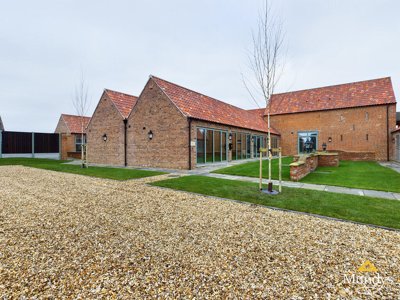
Browse 1 rental home to rent in Eagle and Swinethorpe from local letting agents.
The Eagle And Swinethorpe property market offers detached, semi-detached, and terraced houses spanning various price ranges and neighbourhoods. Each listing includes detailed property information, photographs, and direct contact with the marketing agent.
Eagle and Swinethorpe’s rental market mirrors the village’s wider housing stock. Available homes usually mean traditional detached and semi-detached houses, the sort that work well for families and professionals. The stock is dominated by generous family homes on roomy plots. Lincoln is close enough for an easy commute, so demand stays steady across the year, helped by excellent schools, a safe setting, and a straightforward run into the city. In similar Lincolnshire villages, rents tend to sit between £800 and £1,400 per month depending on size and condition, although actual availability in this parish rises and falls with the turnover of the existing housing stock.
Sold data gives a helpful backdrop here. Recent transactions put median prices for detached homes at around £240,000, and some reports point to rises of 5% to 15.7% over the past twelve months, which suggests demand has held up well. New build schemes around Lincoln, especially energy-efficient homes with ground source heat pumps and modern insulation standards, have also nudged tenant expectations towards better energy performance and build quality. For first-time renters, Lincolnshire still looks competitive beside major UK cities, so the area offers value without asking people to give up quality of life.
Fledgling Close on Thorpe Lane, Eagle, is a good example of the newer end of the local market. The scheme has eight new-build homes, finished with reclaimed brick, triple glazing, and ground source heat pump systems. They were marketed for sale from £220,000 for a two-bedroom bungalow to £450,000 for a four-bedroom house, and those same energy-conscious standards shape what tenants now expect from running costs and environmental performance. Properties built to modern insulation standards usually mean lower heating bills, which matters for anyone budgeting long-term rental costs in a village setting.

Life in Eagle and Swinethorpe feels properly rural, yet Lincolnshire is still within easy reach. The civil parish, made up of the villages of Eagle and Swinethorpe, sits in a landscape formed by centuries of farming and traditional building methods. Local geology plays its part too, with Lias Limestone in the west and clay-rich deposits across Eagle Moor helping to create the red brick and stone houses seen along the lanes. With open farmland, public footpaths, and the quiet pace of village life on the doorstep, it appeals to families, retirees, and people working from home who want space and tranquillity.
There is plenty of built heritage packed into the parish, with 18 listed buildings helping to hold on to its historic feel. The Grade II listed Church of All Saints dates from the 13th century and has been carefully rebuilt over later phases, so it remains a real community focal point. A Grade II* listed folly facade to The Jungle adds another layer of interest. The approved Neighbourhood Plan keeps new development in step with the village’s traditional character while still leaving room for careful growth, which supports property values and the quality of the residential setting. Nearby villages supply everyday amenities, and Lincoln adds the cultural side of things.
Village life here is shaped as much by people as by place. Parish council work and local initiatives give Eagle and Swinethorpe a practical sense of community, while low crime rates, typical of rural Lincolnshire, are another draw. There are walking routes across farmland and along quiet country lanes, so getting out on foot is part of the appeal. Saxilby, not far away, covers the basics with a village shop, primary school, and public house, meaning day-to-day errands do not always need a trip into Lincoln. Farmers markets and local events in nearby villages bring in fresh Lincolnshire produce and a bit of social life too.

Families looking to rent often focus on schooling first, and this area has a lot going for it. Primary education is available through village schools in the surrounding area, with several good and outstanding-rated primaries within a short drive of the parish. These smaller schools tend to offer a supportive atmosphere and close community links, so children can settle locally before moving on to secondary education. Lincolnshire’s school transport network also helps, making it practical to reach schools across a wider area without relying only on being right next door.
Secondary choices are strong as well. Several Academy and non-selective schools serve the north Lincolnshire catchment around Lincoln, while grammar school options in nearby Grantham and Lincoln give academically focused families a selective route. The King’s School and Queen Elizabeth’s Grammar School are regular names among the county’s top-performing secondary schools, and students travel in from across Lincolnshire for the competitive entrance exams. Post-16 study is easy to access through Lincoln College and the University of Lincoln, both offering further and higher education options without the need to move to a larger city.
Put together, those schools and the calm setting of village life make Eagle and Swinethorpe a strong fit for renters with school-age children, or for families thinking about growing. Before committing to a property, it is sensible to check admissions arrangements and catchment boundaries with Lincolnshire County Council, because they can affect school place allocations. There is also help with travel, as school transport subsidies are available for pupils living beyond certain distances from their nearest appropriate school, which makes rural addresses more workable.

Getting around from Eagle and Swinethorpe is fairly straightforward. The village is close to the A46 Lincoln bypass, which links north to Newark and south to Leicester, while the A57 heads east towards Gainsborough and the M180 motorway corridor beyond. From Lincoln’s central railway station, regular trains run to Nottingham, around 45 minutes, Sheffield, about 1 hour 15 minutes, and London St Pancras, roughly 2 hours via Newark North Gate. Those links make the village workable for East Midlands commuters who still want a rural base.
Buses also play a part. Stagecoach and other operators connect Eagle and Swinethorpe with Lincoln city centre and nearby villages, giving non-drivers access to the Brayford Waterfront campus area, major supermarkets, and Lincoln County Hospital. Cycling is another option, helped by Lincolnshire’s generally flat terrain, with dedicated routes and quiet country lanes available for both day-to-day journeys and leisure rides. Being in North Kesteven also keeps wider destinations, including Nottingham, Grantham, and Skegness, within easy driving range, which suits active households and a range of jobs.
Commuting needs a little planning at peak times. The A46 can clog up, especially in school term time when traffic rises sharply. Saxilby and Gainsborough offer alternative routes if the main roads are slow. At Lincoln railway station, there are long-stay and short-stay parking options, and season tickets can make regular train travel cheaper. East Midlands Airport is around 50 miles away too, handy for tenants who travel abroad for work or leisure.

The local housing stock tells its own story. Eagle and Swinethorpe are still dominated by older homes built in the traditional Lincolnshire way, often using red brick, handmade brick, and Lias Limestone for walls and outbuildings. That gives the village much of its character, though it also means maintenance can differ from what you would expect in a newer development. Tenants in period properties should be ready for solid walls, original timber windows, and character details that need a bit of care during the tenancy.
Foundation issues are worth understanding before you commit. Across Eagle Moor, clay-rich, poorly sorted sands and gravels can shift, and properties with shallow foundations may move during dry spells or heavy rainfall. That shrink-swell movement is estimated to cost the UK economy £400 million annually, with projections rising to over £600 million by 2050 because of climate change, and older houses in the village are the most likely to feel it. When viewing, look out for cracked plaster, doors or windows that stick, and uneven floor levels, then raise anything concerning with the landlord before signing the tenancy agreement.
Newer homes in the wider Lincoln area show how building standards have moved on. Schemes such as Fledgling Close in nearby Eagle use reclaimed brick aesthetics, triple glazing, and ground source heat pump heating systems, all of which help cut energy use and utility bills compared with older period homes. They are not as common to rent in Eagle and Swinethorpe itself, though. By contrast, properties with solid walls need a different heating approach from cavity-walled houses, and the higher heat retention means thermostat management matters if winter bills are to stay under control.
Renting here does come with some local checks that do not crop up in urban markets. Flood risk is the big one, because parts of the civil parish sit within Flood Zone 2 and Flood Zone 3, especially around Eagle Hall Farm and the Eagle Lane areas. It is sensible to check Environment Agency flood maps for the exact address and look into the history of the property. Homes near water courses or in low-lying spots can face higher insurance premiums and disruption during heavy rainfall, so this is one factor that deserves proper attention.
Clay-rich soils in parts of Eagle and Swinethorpe also bring shrink-swell movement into the picture for longer stays. Older houses with shallower foundations are more vulnerable during dry periods and after heavy rain, even if modern building standards have dealt with those issues much better. For period homes, any subsidence cracks or signs of structural movement mentioned in property surveys should be taken seriously. The village’s Neighbourhood Plan also affects planning decisions, so nearby development activity should be checked for any effect on day-to-day enjoyment of the property during the tenancy.
The Environment Agency has online tools for checking long-term flood risk at specific addresses, covering river flooding, surface water, and groundwater hazards. Tenants should also look at whether a property is exposed to surface water flooding during heavy rainfall, because low-lying parts of the village can be affected even when they are not next to a main river. Buildings insurance may cost more in designated flood zones, although landlords normally handle the insurance for the structure while tenants sort out contents cover separately.

Before you start viewing, get a rental budget agreement in principle so there is a clear idea of what is affordable each month. Rent, council tax, insurance, and utility costs all need to sit in the same calculation. It saves time on properties that are out of reach and shows landlords and letting agents that you are serious. Our team also recommends adding energy bills to the totals, because older period homes may need more heating than modern ones.
A proper look around Eagle and Swinethorpe is time well spent before making a decision. Visit at different times of day, check the transport links, nearest schools, local amenities, and the state of nearby properties. That kind of checking helps you see whether the village fits your daily routine and wider lifestyle. Flood risk deserves particular attention, especially near Eagle Hall Farm or along Eagle Lane, and transport options matter too if public services are part of the plan.
Local letting agents are the next stop. Register interest in properties that match the search, then view a mix of homes in Eagle and Swinethorpe and in nearby villages so you can compare what is on offer. Make notes on condition, storage space, garden access, and any maintenance points that would need the landlord’s attention. Because rental availability is limited in such a small village, being on the books with several agents gives you a better chance of finding somewhere suitable quickly.
Once a suitable property comes up, move through the application stage quickly. Usually that means proof of identity, employment references, previous landlord references, and permission for credit checks. Having the paperwork ready saves time in competitive situations. Our team suggests keeping certified copies of identification and employment contracts ready in advance, which makes the referencing process far quicker.
Before a tenancy can go ahead, the property will need to pass tenant referencing. That checks income, employment status, and rental history. Take time over the tenancy agreement as well, especially the length of term, rent amount, deposit amount, and any conditions attached to the property. Maintenance responsibilities, permitted occupancy, and the process for reporting repairs all deserve a close read.
Settling into Eagle and Swinethorpe starts with an inventory check at the beginning of the tenancy, so the condition of the property and any existing damage are properly recorded. After that, move the utilities and council tax into the new tenant’s name, arrange contents insurance, and note down the emergency contacts and local services you might need. Our team recommends taking meter readings on moving day and asking the landlord for copies of any existing property surveys or certificates where they are available.
There is not much specific rental price data for Eagle and Swinethorpe itself, mainly because the village is small and turnover is low. Comparable homes in nearby North Kesteven villages usually rent for between £800 and £1,400 per month depending on size, condition, and specification. Detached family houses with gardens sit at the higher end, while smaller cottages and bungalows are more reachable. The broader Lincoln area gives a useful guide, with city centre rentals generally starting around £650 per month for one-bedroom flats and rising to over £1,800 for larger family houses in sought-after areas. Registering with several local letting agents is the best way for first-time renters to hear about new availability in this popular village location.
For council tax, Eagle and Swinethorpe falls under North Kesteven District Council. The village includes properties across a range of bands, which reflects the mix of historic cottages, modern developments, and larger period houses. Most detached family homes are usually in Bands C through E, while smaller properties and bungalows may sit in Bands A or B. The exact band for any address can be checked on the North Kesteven District Council website or through the Valuation Office Agency listing. Compared with metropolitan areas, council tax in Lincolnshire remains competitive, which helps the overall affordability of village living.
School-aged children from Eagle and Swinethorpe usually attend village primaries in the surrounding area, and several good and outstanding-rated schools are within a reasonable drive. Secondary options include well-liked Academy schools in Lincoln and nearby market towns, with grammar school routes available for students who are more academically focused. The King’s School and Queen Elizabeth’s Grammar School are regular names among the county’s top-performing schools and draw pupils from across Lincolnshire through competitive exams. Older students also have strong further and higher education choices through the University of Lincoln and Lincoln College, so there is no need to move to a larger city for post-16 study. Before choosing a property, families should check current admissions arrangements and catchment boundaries with Lincolnshire County Council, as these can affect school place allocations.
Local bus routes link Eagle and Swinethorpe with Lincoln city centre and the surrounding villages, giving people without a car a way to get around. Stagecoach runs services along key routes, usually at hourly intervals through the daytime, although weekend timetables are less frequent than in the city. Lincoln railway station is around six miles away and has direct services to Nottingham, Sheffield, and London, which keeps regional and national travel practical for commuters. Rural Lincolnshire does mean public transport is thinner than in urban areas, so a private car or a bike is a real advantage for getting the most out of village life.
For renters after countryside living within easy reach of Lincoln, Eagle and Swinethorpe has a lot to offer. The village feels safe and welcoming, with strong community links, good schools, and plenty of rural scenery. Homes often provide more space and garden access than urban alternatives for similar rents, which adds to the appeal. The approved Neighbourhood Plan helps keep property values and the character of the area steady, giving tenants some confidence in the long-term setting. The main drawback is supply, because the village is small and the housing stock is mostly owner-occupied, so it pays to register interest with local agents before starting the search in earnest.
Deposits for rental homes in England are capped at five weeks’ rent when the annual rent is below £50,000, so most family homes in Eagle and Swinethorpe need around £1,000 to £3,000 upfront. Tenant referencing fees are no longer allowed under the Tenant Fees Act 2019, although some agents may still charge for extras such as guarantor arrangements. Inventory check fees, usually £100 to £300, are also banned for tenants under current law. Renters should still plan for the deposit plus one month’s rent in advance, and set aside money for moving costs and the set-up of utilities and council tax accounts in their name.
Parts of Eagle and Swinethorpe show up in Flood Zone 2 and Flood Zone 3 on Environment Agency maps, especially around Eagle Hall Farm and Eagle Lane where proximity to Main Rivers raises flood risk from surface water and groundwater sources. Properties in those spots may face higher insurance premiums and interruptions during heavy rainfall or flooding. Before committing to a tenancy, it is wise to check the Environment Agency’s online flood risk checker for the exact address. The parish also benefits from its generally elevated position on the Lincolnshire limestone ridge, which means many homes sit outside the designated flood zones.
By car, commuting from Eagle and Swinethorpe to Lincoln is easy enough via the A46 Lincoln bypass, and the journey usually takes 15-20 minutes depending on traffic and the time of day. Stagecoach bus services connect the village with Lincoln city centre at regular intervals through the day, giving a workable public transport option. Lincoln railway station runs direct trains to Nottingham, 45 minutes, Sheffield, 75 minutes, and London St Pancras, 2 hours via Newark North Gate, so the village remains practical for people working further afield. Cyclists benefit from the flat Lincolnshire landscape and the quiet country lanes, with dedicated routes available for commuting.
Renting in Eagle and Swinethorpe is easier to budget for once the upfront costs are clear. The deposit, capped at five weeks’ rent under the Tenant Fees Act 2019, is the biggest initial outlay. On a typical family home at £1,000 per month, that comes to roughly £1,150, held in a government-approved deposit protection scheme throughout the tenancy and returned at the end minus any legitimate deductions for damage or unpaid rent. First-time renters also need to allow for rent in advance, so two months’ rent may be payable before moving day.
Although most tenant fees were banned by the 2019 legislation, a few costs still sit with the tenant. Changing locks if keys are lost usually costs £100 to £200, and any damage beyond normal wear and tear is also the tenant’s responsibility. Contents insurance is sensible even though it is not a legal requirement, with policies usually costing £100 to £300 a year depending on the value of belongings. Council tax, set by North Kesteven District Council, is paid monthly and varies by property band, typically coming in at £1,200 to £2,000 annually for Band C to E homes.
Energy bills should be worked out from the size of the property, the insulation standard, and the heating system in place. Older period homes in Eagle and Swinethorpe may have solid wall construction without cavity insulation, so heating costs can be higher than in newer places. Homes with ground source heat pumps or modern central heating systems usually perform better, but since tenants pay the utility bills, the energy performance rating still matters when planning a budget. Landlords should provide an EPC certificate showing the property’s energy efficiency from A, the most efficient, to G, the least efficient.
From 4.5%
Our team can carry out a professional budget assessment to help work out what you can afford.
From £30
Complete referencing checks for landlords
From £80
Document property condition at start and end of tenancy
From £80
Energy performance certificate for rental properties
Properties to Rent In London

Properties to Rent In Plymouth

Properties to Rent In Liverpool

Properties to Rent In Glasgow

Properties to Rent In Sheffield

Properties to Rent In Edinburgh

Properties to Rent In Coventry

Properties to Rent In Bradford

Properties to Rent In Manchester

Properties to Rent In Birmingham

Properties to Rent In Bristol

Properties to Rent In Oxford

Properties to Rent In Leicester

Properties to Rent In Newcastle

Properties to Rent In Leeds

Properties to Rent In Southampton

Properties to Rent In Cardiff

Properties to Rent In Nottingham

Properties to Rent In Norwich

Properties to Rent In Brighton

Properties to Rent In Derby

Properties to Rent In Portsmouth

Properties to Rent In Northampton

Properties to Rent In Milton Keynes

Properties to Rent In Bournemouth

Properties to Rent In Bolton

Properties to Rent In Swansea

Properties to Rent In Swindon

Properties to Rent In Peterborough

Properties to Rent In Wolverhampton

Enter your details to see if this property is within your budget.
Loans, cards, car finance
Estimated property budget
Borrowing + deposit
You could borrow between
Typical borrowing
Monthly repayment
Est. at 4.5%
Loan-to-value
This is an estimate only. Your actual budget may vary depending on interest rates, credit history, and personal circumstances. For an accurate affordability assessment, speak to one of our free mortgage advisors.
This calculator provides estimates for illustrative purposes only and does not constitute financial advice. Your home may be repossessed if you do not keep up repayments on your mortgage. Estimates based on 4.5% interest rate, repayment mortgage. Actual rates depend on your circumstances.
Homemove is a trading name of HM Haus Group Ltd (Company No. 13873779, registered in England & Wales). Homemove Mortgages Ltd (Company No. 15947693) is an Appointed Representative of TMG Direct Limited, trading as TMG Mortgage Network, which is authorised and regulated by the Financial Conduct Authority (FRN 786245). Homemove Mortgages Ltd is entered on the FCA Register as an Appointed Representative (FRN 1022429). You can check registrations at NewRegister or by calling 0800 111 6768.

We use cookies to show you personalised content and improve your experience of our website. Find out more in our Privacy policy and Cookie policy.