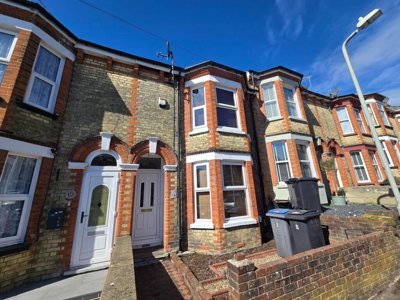
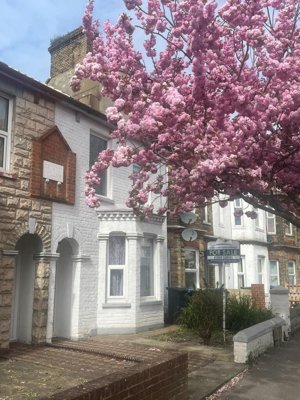
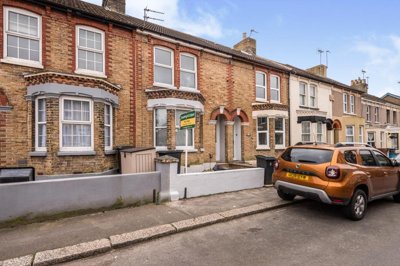
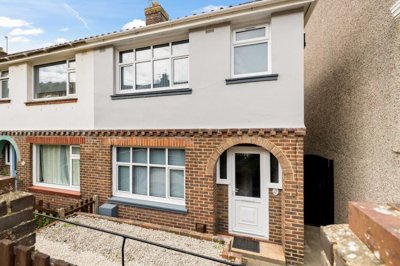
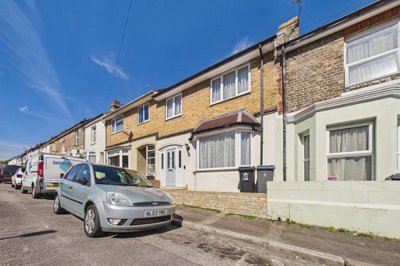
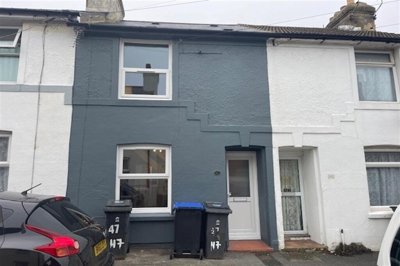
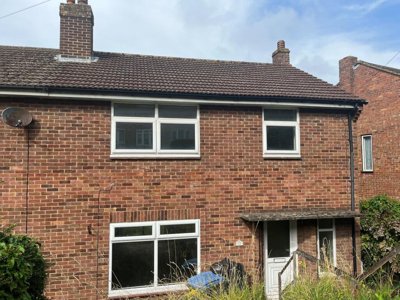
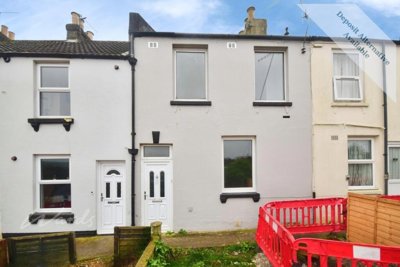
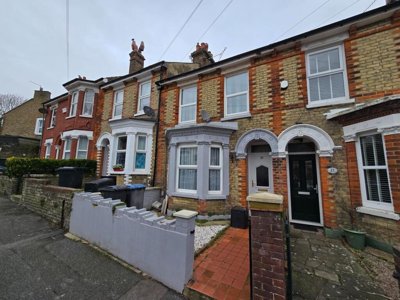
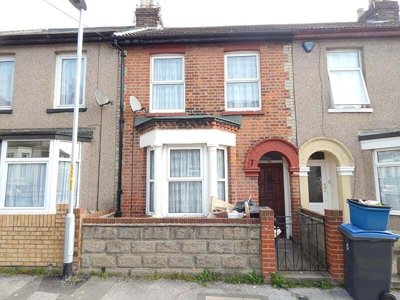
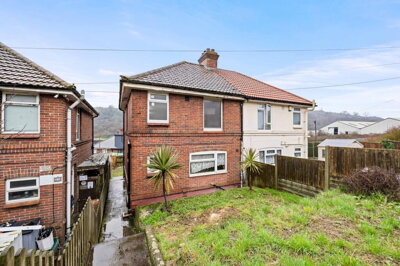
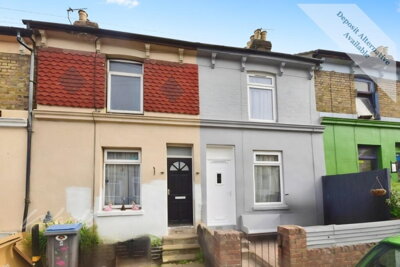
Browse 12 rental homes to rent in Dover from local letting agents.
Three bedroom properties represent a significant portion of the Dover housing market, offering space for families with multiple reception rooms and gardens in many cases. Browse detached, semi-detached, and terraced options ranging from period character homes to contemporary developments.
Dover’s rental picture is tied closely to the coast, the port, and the town’s mix of older streets and newer pockets of housing. homedata.co.uk puts the average sold house price at £236,085 over the last 12 months, alongside a wider provisional average of £294,000 in December 2025 and a 3.6% year-on-year rise. That gap is not just statistical noise. It points to big differences between one street, condition, view and property type and the next, so renters are usually better served by looking at the exact patch rather than treating Dover as one single market. Landlords watch those sales values too, as they feed into replacement cost, likely yield and the kind of homes that are offered to rent.
Terraces still make up a large slice of Dover housing. In CT16, they were the most commonly sold property type last year, with an average of £245,722. Semi-detached homes in CT16 averaged £309,269 and were up 5.0% across the year, while detached homes averaged £396,323, or £442,520 in CT16. Flats were calmer by comparison, with Dover prices broadly holding level over the year, while East Cliff flats in CT16 averaged £330,000. Newer supply adds another layer, from last-home-remaining plots at Primrose Road and affordable homes at Napchester Road to retirement schemes including Elkington House and White Fields Court.
Not every part of the wider Dover market has followed the town average. East Cliff in CT16 was 25% down on the previous year and 25% down on the 2023 peak of £340,000, which shows how quickly sea views, building type and a single street can alter values. Renters looking around those areas often see more flats and converted homes, while the surrounding villages tend to bring more semi-detached and detached choices into play. A broad postcode search can miss those differences.

The town has a proper coastal feel, not just a postcard one. Chalk geology gives Dover’s cliffs their familiar pale face, and the River Dour cuts a greener line through the centre before meeting the sea. Chalk bedrock usually carries a low shrink-swell risk, which can be good news for older properties, although small pockets of clay can still affect individual plots. Flood information is also worth checking carefully, particularly around lower-lying streets near the harbour and along the river corridor.
Everyday Dover is fairly compact. Dover Castle, the seafront, the port and the town centre all draw people into the same general area, so many errands can be done without crossing half of Kent. Cafes, shops and day-to-day services sit mainly around central Dover, with the older streets giving the town a character that renters often notice straight away. For a quieter base, people tend to look out towards Whitfield, Temple Ewell or Kearsney, where the setting feels more suburban but still connected to Dover.
A lot of the published housing evidence relates to Dover town and CT16, which lies close to the centre of the local boundary. Kearsney, Temple Ewell and Whitfield often appear in the same conversation, but they are better treated as wider local context rather than the core town. That matters on the ground. A flat near Dover Priory is a very different rental from a house on a newer estate or a terrace close to the port. Most renters end up weighing views, parking, schools and commuting before choosing one street over another.
For families, the search often starts with schools rather than square footage. Dover sits within Kent’s selective-school system, so catchment, journey time and grammar options all play a part. Parents usually compare local primaries and non-selective secondaries as well before they settle on a tenancy. Boundaries and admissions rules can move, which means a promising address may not be the safe bet it first appears. Renting can give families room to move earlier, before the key deadlines arrive.
Dover Grammar School for Boys and Dover Grammar School for Girls are familiar names to many local parents, and they shape a lot of school-led searches in the town. Around them are primaries in Dover itself and nearby areas such as Whitfield, Temple Ewell and Kearsney, which can change the school run completely. Parking, bus access and safe walking routes matter just as much as the number of bedrooms when childcare and commuting have to work together. A focused search usually beats grabbing the first available terrace or flat.
Post-16 options should not be left until later, especially for households already thinking about sixth form or further education. The wider Dover area offers a mix of academic and vocational routes, which helps older children stay local rather than travel long distances each day. Before signing, check current admissions rules, transport links and Ofsted information directly, as performance and catchment coverage can change. The right rental location can take a surprising amount of pressure out of exam years and application season.

Dover Priory is the main rail point for most commuters. From there, the town connects into Canterbury, Ashford and London routes through the wider Kent network, which helps keep demand steady around central Dover and the streets within a realistic walk of the station. For some tenants, being near the rail line matters more than the postcode on the listing. It affects the morning routine, the weekly travel cost and how much space people are willing to trade for convenience.
Drivers have a strong position too. Dover sits beside the A20 corridor, with port traffic and ferry movements keeping the town linked to continental travel as well as the wider Kent road network. Buses cover the town, though journeys from the outer edges and nearby villages can be easier by car. In the historic core and around the seafront, parking can be limited, so it is sensible to check spaces, permits and visitor arrangements before agreeing to rent.
Short trips by bike are becoming more workable, especially between the centre, the seafront and the residential edges. Still, Dover is not flat everywhere, and busy roads near the port mean the route can matter more than the distance on a map. Regular commuters often do a trial walk from the front door to Dover Priory, the nearest bus stop or the parking bay before offering. It is a small check, but it can spare a lot of irritation once the tenancy has started.
Flood risk needs more than a quick glance in Dover. The town is coastal, and the River Dour runs through the centre, so coastal flooding, river flooding and surface water can affect nearby streets in different ways. Viewing a home near the harbour, the seafront or lower-lying roads? Ask what happened during heavy rain or stormy periods. A good landlord or agent should know the local history, not just the headline map rating.
Older homes deserve a slower viewing. Terraces and converted flats can hide damp, tired roofs or dated electrics, and those issues become awkward once you have moved in. Dover’s historic fabric also means some homes are in conservation areas or close to listed buildings, which can restrict alterations and influence how repairs are handled. Leasehold flats may bring service arrangements, building rules and maintenance timetables. Renters are not paying the freehold bill, but they still live with the response times, noise rules and shared hallways.
Newer developments can look easier at first because they often need less immediate upkeep. They still need checking. Ask about insulation, heating controls, bin stores, cycle space, parking and visitor access. Dover has many mixed-age streets, so look at the roofline, windows and shared entrances rather than relying on the agent’s description. Mobile signal, water pressure and exposure to coastal wind should be on the viewing list as well.

Most Dover tenants need to plan for the tenancy deposit, the first month’s rent and any holding or referencing arrangements used by the landlord or agent. In England, most tenant fees are banned, so the upfront cost is usually centred on rent and deposit rather than a long menu of extras. A rental budget agreement in principle can still help before viewings, because it shows landlords that the monthly rent is affordable. In the better-located parts of town, being prepared can make a real difference.
Renting first and buying later is common, so the 2024-25 stamp duty thresholds are useful background: 0% up to £250,000, 5% from £250,000 to £925,000, 10% from £925,000 to £1.5 million and 12% above £1.5 million. First-time buyer relief is 0% up to £425,000 and 5% from £425,000 to £625,000, with no relief above £625,000. Those figures do not apply to a tenancy, but they matter if Dover is a stepping stone towards ownership. Many families and professionals keep monthly rent in view while also watching the point where buying becomes realistic.
A proper monthly budget should include more than the rent. Council tax, utilities, broadband, contents insurance and commuting all need space in the figures. Dover District Council bills council tax locally, and the band is based on the property rather than the street name, so a flat and a family house can be in very different brackets. EPC rating matters too, especially in a coastal home with older windows or greater wind exposure, where winter bills can feel very different from the advertised rent.
We do not have a verified live average rent in the research pack, so current asking rents are best checked through home.co.uk. For wider market context, homedata.co.uk records an average house price of £294,000 in December 2025 and £236,085 over the last 12 months, with CT16 at £296,253. Those sale prices help explain why rents can vary so much between flats, terraces and newer homes. Street, condition and parking can carry as much weight as the town name.
Council tax in the area is billed by Dover District Council, with the band tied to the individual property valuation rather than location alone. Dover homes can fall from Band A to Band H, depending on size, age and assessed value. A one-bedroom flat close to the centre is unlikely to match the band of a larger detached house on the edge of town. Check the listing, or ask the council, before signing the tenancy.
School-led searches often begin with Dover Grammar School for Boys and Dover Grammar School for Girls, because Kent’s selective system gives grammar catchment real weight. Local primaries and non-selective secondaries in Dover, Whitfield, Temple Ewell and Kearsney should be compared against the daily journey as well. The best fit is usually shaped by transport, catchment and the age of your children, not one well-known name. Current Ofsted reports and admissions rules are worth checking before you commit.
Dover Priory gives the town its main rail link, with services towards Canterbury, Ashford and London routes through the Kent network. Buses serve Dover and the nearby neighbourhoods, while the port and A20 keep road connections strong for drivers. Parking can be tight around the historic centre and seafront, so commuters should test the actual route from the front door to the car or station. The street-level journey can matter as much as the journey from Dover itself.
Dover suits renters who want the coast, a historic town and practical daily services in one place. The market includes terraces, flats, semi-detached homes and new-build options, with affordable schemes and retirement developments in the wider area. homedata.co.uk shows overall house prices up 3.6% over the year to December 2025, which points to steady underlying demand. For renters, that depth means more choice and stronger local services than a smaller coastal market might offer.
Upfront costs are usually the tenancy deposit, the first month’s rent and any permitted holding deposit or referencing charge. In England, most tenant fees are banned, so the list should be shorter than some renters expect. If you later buy in Dover, the 2024-25 stamp duty thresholds are 0% up to £250,000, 5% from £250,000 to £925,000, 10% from £925,000 to £1.5 million and 12% above £1.5 million, with first-time buyer relief up to £625,000. For renting, read the agreement closely and compare the full monthly cost, not just the rent on the advert.
From 4.5%
Compare rental budget rates before arranging Dover viewings, so you know where the best deal sits.
From £499
Get help from our team with referencing checks, affordability paperwork and getting tenancy documents in order.
Price on request
Check the EPC rating, heating set-up and likely running costs before choosing a Dover rental.
From £350
Useful if you are weighing up older Dover homes, or thinking about buying after a period of renting.
Start with the part of Dover that fits your commute, school plans and parking needs, then treat central CT16, East Cliff, Whitfield, Temple Ewell and Kearsney as separate search areas.
Get a rental budget agreement in principle before booking viewings, then pull together ID, payslips, bank statements and employer details so you are ready when the right home appears.
Do not stop at the paintwork. Test the route, water pressure, heating, window seals and any signs of damp, particularly in older terraces or exposed coastal streets.
Ask about the deposit, inventory, EPC rating, repair process and any rules covering pets, parking or communal areas.
Once the terms work for you, complete referencing, confirm the tenancy, pay the required deposit and first month’s rent, then keep copies of every document.
Set up council tax, utilities and broadband as soon as you move in, and note meter readings, bin days and transport routines so the new home starts to feel manageable quickly.
Properties to Rent In London

Properties to Rent In Plymouth

Properties to Rent In Liverpool

Properties to Rent In Glasgow

Properties to Rent In Sheffield

Properties to Rent In Edinburgh

Properties to Rent In Coventry

Properties to Rent In Bradford

Properties to Rent In Manchester

Properties to Rent In Birmingham

Properties to Rent In Bristol

Properties to Rent In Oxford

Properties to Rent In Leicester

Properties to Rent In Newcastle

Properties to Rent In Leeds

Properties to Rent In Southampton

Properties to Rent In Cardiff

Properties to Rent In Nottingham

Properties to Rent In Norwich

Properties to Rent In Brighton

Properties to Rent In Derby

Properties to Rent In Portsmouth

Properties to Rent In Northampton

Properties to Rent In Milton Keynes

Properties to Rent In Bournemouth

Properties to Rent In Bolton

Properties to Rent In Swansea

Properties to Rent In Swindon

Properties to Rent In Peterborough

Properties to Rent In Wolverhampton

Enter your details to see if this property is within your budget.
Loans, cards, car finance
Estimated property budget
Borrowing + deposit
You could borrow between
Typical borrowing
Monthly repayment
Est. at 4.5%
Loan-to-value
This is an estimate only. Your actual budget may vary depending on interest rates, credit history, and personal circumstances. For an accurate affordability assessment, speak to one of our free mortgage advisors.
This calculator provides estimates for illustrative purposes only and does not constitute financial advice. Your home may be repossessed if you do not keep up repayments on your mortgage. Estimates based on 4.5% interest rate, repayment mortgage. Actual rates depend on your circumstances.
Homemove is a trading name of HM Haus Group Ltd (Company No. 13873779, registered in England & Wales). Homemove Mortgages Ltd (Company No. 15947693) is an Appointed Representative of TMG Direct Limited, trading as TMG Mortgage Network, which is authorised and regulated by the Financial Conduct Authority (FRN 786245). Homemove Mortgages Ltd is entered on the FCA Register as an Appointed Representative (FRN 1022429). You can check registrations at NewRegister or by calling 0800 111 6768.

We use cookies to show you personalised content and improve your experience of our website. Find out more in our Privacy policy and Cookie policy.