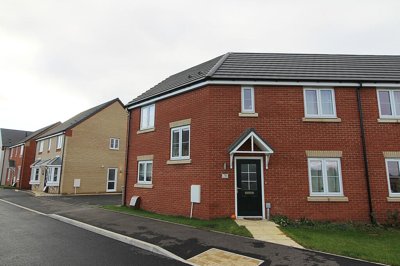
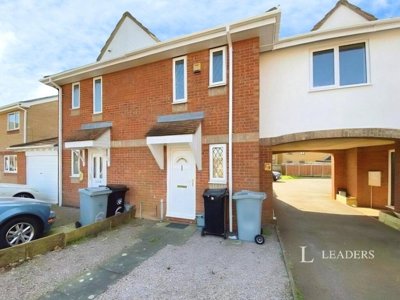
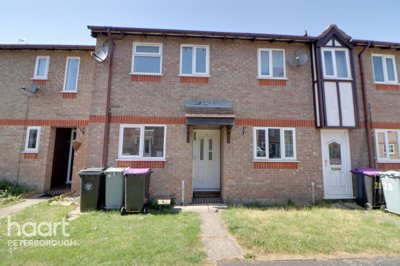
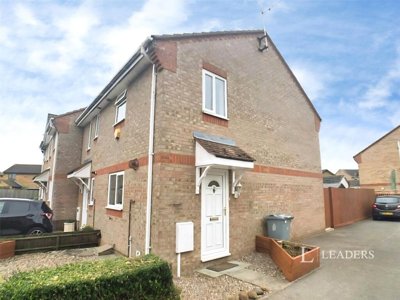
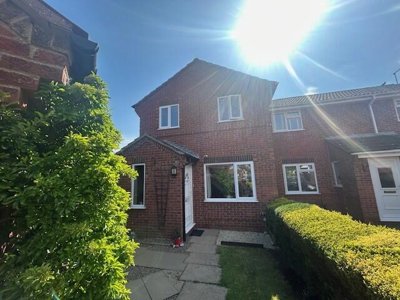
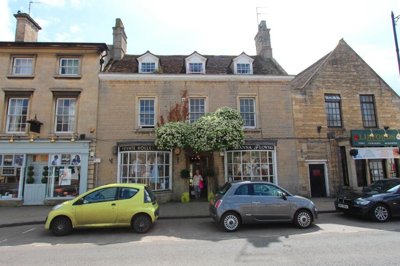
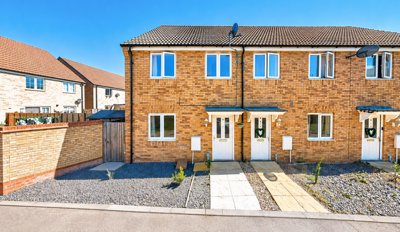
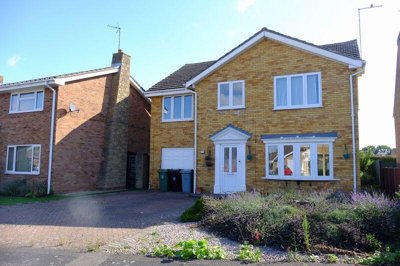
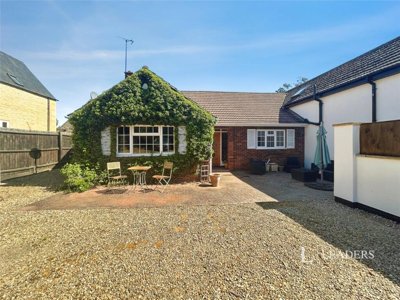
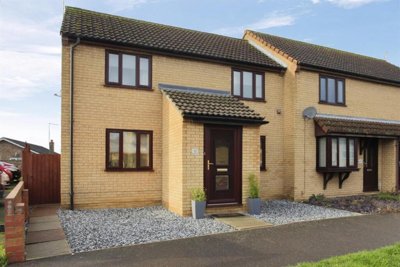
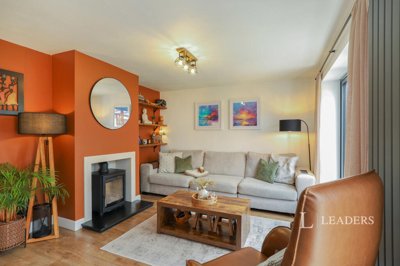
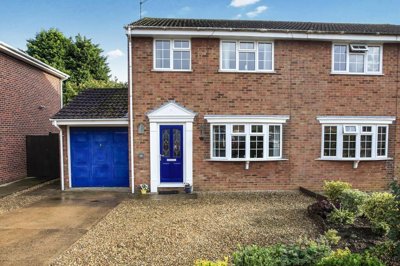
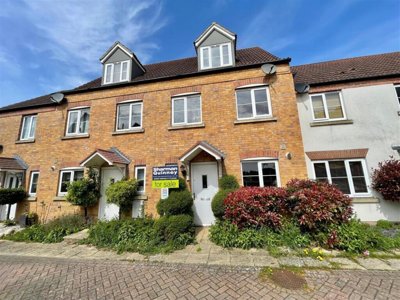
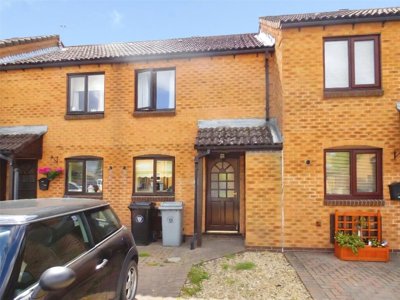
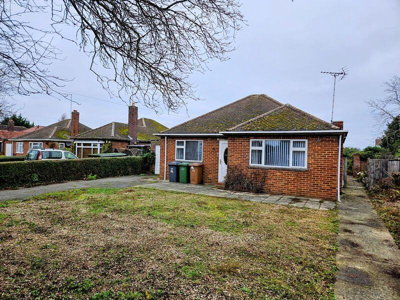
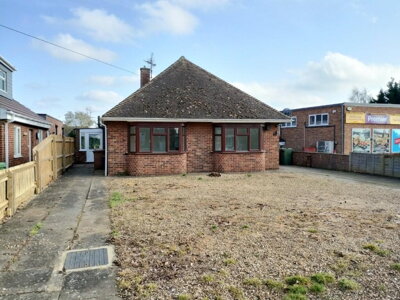
Browse 18 rental homes to rent in Deeping St. James from local letting agents.
Deeping St. James has a rental market that mirrors wider South Kesteven trends, with steady demand backed by its commuter-friendly setting and a strong sense of community. Average property prices sit at around £290,000, up 2% over the past year and 10% above the 2021 peak of £264,000, which shows the area has kept moving forward in value. In rental terms, semi-detached homes draw plenty of interest from young families, while terraced properties tend to appeal to first-time renters who want character without a high price tag.
New build homes have added more choice to both sales and rental stock in Deeping St. James. Off Broadgate Lane, PE6 8NT, The Willows offers two to five bedrooms at prices from about £250,000 to over £500,000, while The Brambles on Stowgate provides two to four-bedroom homes from around £220,000 to £400,000. Larkfleet Homes and Ashwood Homes have widened the options for renters after modern layouts and energy-efficient living, though the historic village core still holds real appeal thanks to its traditional architecture and central setting.
Housing age in the village is nicely mixed. Around 15-20% of homes date from the pre-1919 period and are concentrated in the historic core around Church Street and The Green. Post-war building between 1945 and 1980 makes up about 30-35% of the stock, while homes built since 1980 account for the remaining 30-40%. For renters, that means a choice between period properties with original character and newer homes with more contemporary comforts, often at rates that compare well with nearby Peterborough or Stamford.

Deeping St. James has a character all of its own, shaped by its fen-edge position and a long history. The village sits on geology that includes the Oxford Clay Formation alongside superficial alluvial deposits, and that combination has helped create the fertile farmland around it. It also means prospective renters should think about foundation conditions and moisture management when looking at properties, because the ground beneath can influence how a home performs over time.
Church Street, The Green, and Eastgate form the heart of the village centre. Within the designated Conservation Area, the historic character is protected, and that includes a number of Listed Buildings, among them the notable Priory Church of St James. Older homes are often built in traditional brick, usually red brick with the odd touch of render or local stone, while community life is supported by local amenities, traditional pubs, and village groups. Beyond that, the wider Deeping area brings extra shops and services within walking distance or a short drive.
More than 7,000 people live in the village, which gives it a busy community feel and plenty of regular events. Pubs near the village green act as social anchors, and clubs and societies cover a wide spread of interests and age groups. For daily shopping, the village centre handles the essentials, while bigger supermarkets and specialist retailers are easy to reach in nearby Market Deeping.

Families in Deeping St. James have access to several schools in the village and the surrounding area. Primary provision is available locally, with schools across the Deeping area serving younger pupils and keeping education close to home. For secondary education, there are options in nearby towns reached by regular bus services, and many families compare academic performance, extracurricular activities, and curriculum strengths before making a choice.
With a population of over 7,000 and a notable number of family households, demand is strong for larger rental homes, especially semi-detached and detached houses with gardens. Parents looking to rent in Deeping St. James should check school catchment areas and admission policies directly with Lincolnshire County Council, as these can make a real difference to which properties work best. Older children heading towards further education can look to Stamford and Peterborough, where sixth form colleges and further education institutions offer a wide mix of academic and vocational courses.
Homes in newer areas such as The Willows and The Brambles often sit within catchment areas for well-liked local primary schools, which makes them especially attractive to families searching for rental accommodation. Deeping St. James also benefits from access to good secondary schools in surrounding towns, so it works for renters at different stages of life, from young couples to established families needing more space as children grow.

Transport links are one of Deeping St. James’s strongest points for renters who commute or need to travel further afield. The village is within easy reach of major road networks, giving straightforward access to Peterborough, Stamford, and the wider East Midlands. The A15 and A16 act as the main routes, connecting residents with jobs, shops, and leisure destinations across South Kesteven and beyond.
For people using public transport, local bus services link Deeping St. James with nearby towns and villages, although evening and weekend services can be limited. Peterborough railway station, reached by road or bus, offers direct trains to London, Birmingham, the North, and East Anglia, which makes the village a sensible base for commuters working in the capital or other major cities. Cyclists have the benefit of quiet rural lanes and designated routes to neighbouring settlements, and the flat fenland landscape keeps cycling manageable for most fitness levels.
From Deeping St. James, Peterborough city centre is about 20-25 minutes away by car, while London King’s Cross can be reached from Peterborough by direct train in around 45 minutes to an hour. Stamford is roughly 15 minutes away, so it suits people working in the town’s boutique shops, restaurants, or professional services. Being on the fen edge means road links north and south are well established, which suits residents commuting across the region.

Renting here calls for a close look at a few local issues tied to the village’s geography and housing mix. Flood risk is one of the main ones, because Deeping St. James sits within the Fens and near the River Welland and its tributaries, and some areas close to watercourses and drainage channels are designated as flood risk zones. That can affect insurance, so it is sensible to ask for flood history and details of any protective measures before agreeing a tenancy.
Clay geology across the area brings the risk of foundation movement, with shrink-swell behaviour possible during prolonged dry spells or periods of excess moisture. Because the village sits on the Oxford Clay Formation, older properties, especially those built before modern foundation standards, may need closer scrutiny for structural movement, damp penetration, or timber defects. Properties in the Conservation Area, or those with Listed Building status, also come with restrictions on alterations and maintenance responsibilities, so those points should be clear before any agreement is signed.
Local housing stock can throw up a few familiar problems. Older homes may suffer from damp, including rising damp or penetrating damp, especially where materials are aged and modern damp-proof courses are missing. Roofs on period properties can also show wear, from slipped tiles to failing felt. Homes built before the 1980s may still have wiring and plumbing that no longer meet current standards, and timber defects such as woodworm or rot can appear in roof timbers, floor joists, or window frames. Asbestos-containing materials may also be present in properties built before 2000, especially in outbuildings, garage roofs, or pipe insulation.

It helps to understand the financial side of renting in Deeping St. James before you start viewing. The biggest upfront cost is usually the security deposit, and under current legislation this cannot exceed five weeks rent for properties with annual rental values under £50,000. That deposit must then be protected in a government-approved tenancy deposit scheme within 30 days of receipt, which gives some protection if there is a dispute at the end of the tenancy over damage or unpaid rent.
There may be a few extra costs as well. Referencing fees, used to check identity, credit history, employment status, and previous landlord references, usually sit between £50 and £150 depending on the letting agent or landlord. An inventory check, carried out before move-in to record the property condition, normally costs between £100 and £200. Some landlords also ask for the first month rent in advance with the deposit, so it is possible to need two months rent plus deposit at the start of the tenancy.
First-time renters should be aware that immigration check fees cannot be charged by landlords or agents under the Tenant Fees Act, and a number of other charges that used to be common are now banned. Holding deposits can still be taken to reserve a property while references are processed, but they should be credited towards move-in costs if the tenancy goes ahead. We always recommend asking for a full fee breakdown before making an application, and it is wise to include moving costs, contents insurance, and any initial utility connection charges in the budget too.
Before viewing homes in Deeping St. James, it is sensible to arrange a rental budget agreement in principle so that affordability is clear and landlords or letting agents can see you are ready to proceed. Our team can help calculate realistic monthly costs, including council tax, utilities, and insurance, so the budget is properly set out. That preparation can make a real difference in a competitive market and usually makes the application process smoother.
We always advise spending time in Deeping St. James at different times of day and across the week, because traffic, noise, and the feel of the place can change quite a bit. Stop by local shops, pubs, and amenities around Church Street and The Green to see whether the village matches your lifestyle before committing to a tenancy. It is also worth thinking about the journey to work, school catchment areas if they matter, and how easy it is to reach public transport.
Book viewings through Homemove so we can inspect available rentals across the village, with close attention to condition, maintenance quality, and any signs of damp, structural movement, or flood risk. Take photographs and notes so you can compare homes afterwards. In older properties, look carefully at roofs, windows, and any original features that may need maintenance during the tenancy.
Read the tenancy agreement with care, checking the rent, the deposit amount capped at five weeks rent, the lease length, maintenance responsibilities, and any limits on pets or alterations. Ask about council tax band and utility arrangements before you sign. If the property is a Listed Building or within the Conservation Area, make sure the restrictions on decoration or changes are clear.
Once an application is accepted, the letting agent or landlord will carry out referencing checks, including credit verification, employment confirmation, and previous landlord references. It is sensible to budget for referencing fees, inventory check fees, and any rent in advance that may be required at the start. Our team can guide you through the process and help keep the paperwork in order for a smooth move-in.
Rental prices in Deeping St. James vary depending on property type, size, condition, and where the home sits in the village. On the sales side, average prices are around £290,000, with detached properties at £375,000, semi-detached homes at £245,000, terraced properties at £200,000, and flats at £130,000, but rental values follow different patterns because demand and tenant needs are different. Two and three-bedroom terraced or semi-detached homes usually achieve the most competitive rents, often between £700 and £950 per month depending on condition and location. Larger detached family homes with gardens can command more, often in the £1,100 to £1,500 per month range or beyond. Contact Homemove for current specific rental listings and up-to-date pricing for homes that match your requirements.
Deeping St. James falls under South Kesteven District Council, and council tax bands run from A through to H depending on value and property type. Most standard homes in the village sit in bands A through D, while newer detached houses and larger properties may fall into higher bands. A typical three-bedroom semi-detached home is likely to be band B or C, while larger detached properties may be in band D or above. Tenants should confirm the exact band with the landlord or letting agent, since council tax is the tenant’s responsibility during occupation and is based on the property’s assessed value.
For primary-age children, Deeping St. James has local schools in the Deeping area, and many families focus on catchment zones and admission criteria when choosing where to rent. Primary schools in the village and nearby Market Deeping serve the local community, while secondary choices include well-regarded schools in Stamford and Peterborough, reachable by school bus services. Lincolnshire County Council manages admissions, so parents should check current catchment areas and application deadlines directly on the council website or by contacting schools themselves. Homes on newer developments such as The Willows and The Brambles may sit within specific catchment allocations, so those should be confirmed before any tenancy is agreed.
Local bus services connect Deeping St. James with nearby market towns including Stamford, Spalding, and Peterborough. Service levels vary, with more frequent journeys at weekday peak times and fewer buses on evenings and weekends, so prospective tenants should check the timetable against their own travel needs. Peterborough railway station offers broad national rail links and is about 20 minutes away by road, or reachable through combined bus and rail journeys. For London commuters, direct trains from Peterborough take around 45 minutes to an hour to London King’s Cross, which makes Deeping St. James a workable base for those wanting rental accommodation that is more affordable than the capital.
Deeping St. James offers renters a strong quality of life, with village character and practical links to work and services. A population of over 7,000 supports shops, pubs, and community facilities, while the conservation area and historic buildings keep the village identity intact. Good road connections to Peterborough, Stamford, and nearby market towns make it popular with commuters, and the mix of property types, from period cottages to modern family homes, gives options across a range of rental budgets. Flood risk in some areas, together with the fenland location and clay geology, needs to be thought about, but many renters feel the benefits, including a strong community spirit, good schools, and open countryside, outweigh those concerns.
Under the Tenant Fees Act 2019, deposits on rental homes are capped at five weeks rent where annual rent is below £50,000. That deposit must be protected in a government-approved scheme within 30 days and returned when the tenancy ends, minus any legitimate deductions for damage or unpaid rent. First-time renters benefit from relief on immigration checks and may avoid some prohibited fees that were common before the law changed. Other costs to plan for include referencing fees, usually between £50 and £150, an inventory check at check-in, usually £100 to £200, and possibly a holding deposit while references are processed. Always ask for a full fee breakdown before making an application, and budget for the first month’s rent in advance as well as the deposit.
Flood risk is one of the things to think about when renting in Deeping St. James, because the village lies within the Fens and close to the River Welland and its tributaries. Some areas, especially those nearer the river and drainage channels, are designated as flood risk zones. Homes in those spots may bring insurance implications, so tenants should ask for the property’s flood history and details of any protective measures already in place. The underlying clay geology can also affect foundations, with shrink-swell behaviour possible during prolonged dry or wet periods. Our team can help identify properties in lower-risk areas and talk through the questions worth asking before a tenancy is agreed.
From 4.5%
We can help calculate your rental affordability through our budget planning service
From £50
We complete reference checks to support your rental application
From £450
Professional survey for your potential new home
From £85
Energy performance certificate for your rental property
Properties to Rent In London

Properties to Rent In Plymouth

Properties to Rent In Liverpool

Properties to Rent In Glasgow

Properties to Rent In Sheffield

Properties to Rent In Edinburgh

Properties to Rent In Coventry

Properties to Rent In Bradford

Properties to Rent In Manchester

Properties to Rent In Birmingham

Properties to Rent In Bristol

Properties to Rent In Oxford

Properties to Rent In Leicester

Properties to Rent In Newcastle

Properties to Rent In Leeds

Properties to Rent In Southampton

Properties to Rent In Cardiff

Properties to Rent In Nottingham

Properties to Rent In Norwich

Properties to Rent In Brighton

Properties to Rent In Derby

Properties to Rent In Portsmouth

Properties to Rent In Northampton

Properties to Rent In Milton Keynes

Properties to Rent In Bournemouth

Properties to Rent In Bolton

Properties to Rent In Swansea

Properties to Rent In Swindon

Properties to Rent In Peterborough

Properties to Rent In Wolverhampton

Enter your details to see if this property is within your budget.
Loans, cards, car finance
Estimated property budget
Borrowing + deposit
You could borrow between
Typical borrowing
Monthly repayment
Est. at 4.5%
Loan-to-value
This is an estimate only. Your actual budget may vary depending on interest rates, credit history, and personal circumstances. For an accurate affordability assessment, speak to one of our free mortgage advisors.
This calculator provides estimates for illustrative purposes only and does not constitute financial advice. Your home may be repossessed if you do not keep up repayments on your mortgage. Estimates based on 4.5% interest rate, repayment mortgage. Actual rates depend on your circumstances.
Homemove is a trading name of HM Haus Group Ltd (Company No. 13873779, registered in England & Wales). Homemove Mortgages Ltd (Company No. 15947693) is an Appointed Representative of TMG Direct Limited, trading as TMG Mortgage Network, which is authorised and regulated by the Financial Conduct Authority (FRN 786245). Homemove Mortgages Ltd is entered on the FCA Register as an Appointed Representative (FRN 1022429). You can check registrations at NewRegister or by calling 0800 111 6768.

We use cookies to show you personalised content and improve your experience of our website. Find out more in our Privacy policy and Cookie policy.