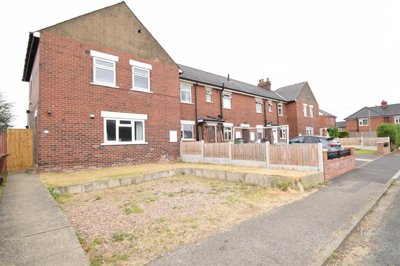
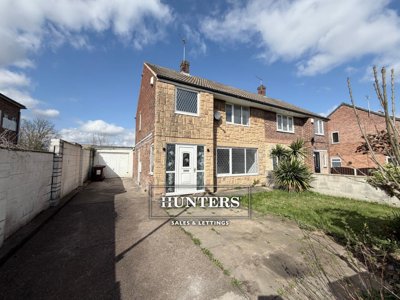
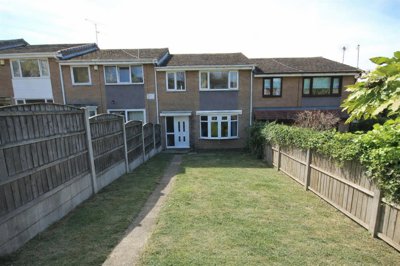
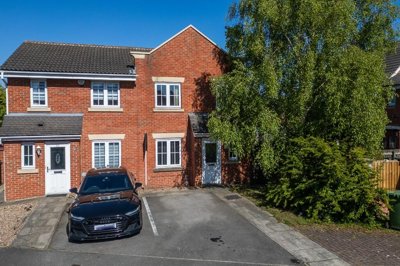
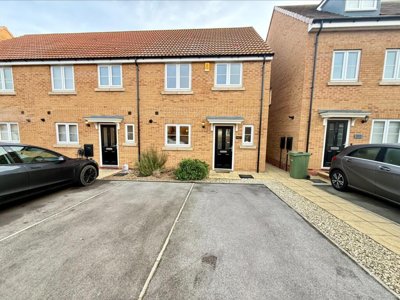
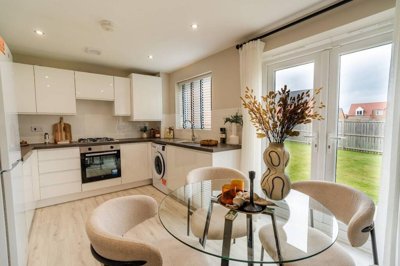
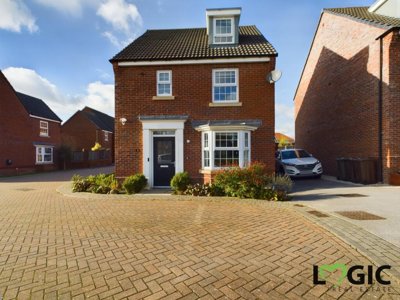
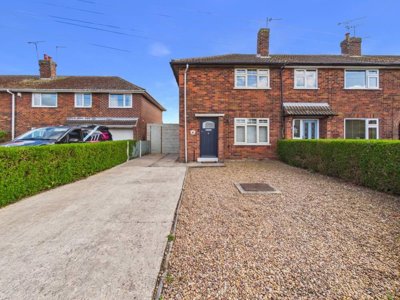
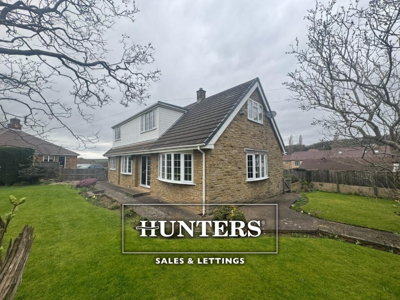
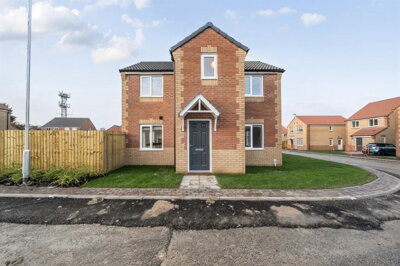
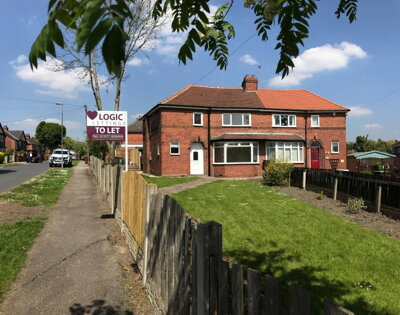
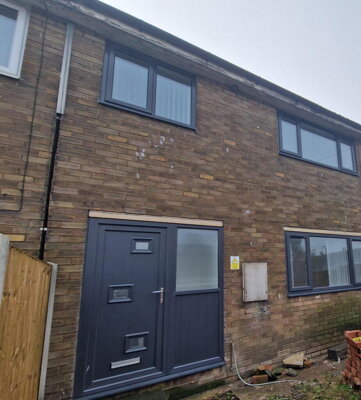
Browse 12 rental homes to rent in Darrington, Wakefield from local letting agents.
The Darrington property market offers detached, semi-detached, and terraced houses spanning various price ranges and neighbourhoods. Each listing includes detailed property information, photographs, and direct contact with the marketing agent.
£0/m
0
0
0
Source: home.co.uk
Showing 0 results for Houses to rent in Darrington, Wakefield.
homedata.co.uk shows that Darrington’s sold market has eased over the past year. Prices are reported as 15% below the previous year and 10% below the 2022 peak of £463,529. In the WF8 3 postcode sector, which covers Darrington, values slipped by 1.2% in nominal terms over the last year and by 5.0% after inflation. We would not read that as a weak village market, but buyers and renters are plainly more price-conscious than they were at the peak. For tenants, slower price growth can help keep some landlords realistic on rents.
Property type makes a big difference here, and size still drives the figures. On homedata.co.uk, detached homes sit around £547,708, semis around £241,438, terraces around £273,000, and flats at £120,000, so Darrington covers everything from smaller homes to substantial family houses. WF8 3 recorded 179 sales over the last 24 months, while the wider WF8 district saw 393 residential sales in the last 12 months, down 22.65% on the year before. In a slower sales market, careful renters sometimes get a bit more room to think, although well-presented homes still move quickly.
New-build stock changes the picture again. home.co.uk currently lists Stones Mews, Darrington WF8, as a small scheme of detached, three-storey homes, including a 6-bedroom property with 4 bathrooms and 3 receptions at offers over £700,000. That points to parts of the village moving towards larger, higher-value housing, even if we are looking at the area from a rental angle rather than a buying one. For renters who want a modern interior, parking, and less immediate maintenance, similar stock is worth watching when it appears.

Darrington reads as a true village parish, not a built-up suburb, and that feel comes partly from its older building materials. The research highlights magnesian limestone, brick, render, slate, and tile, all of which give many homes a traditional West Yorkshire character. There are 16 listed buildings recorded in the parish, so the historic fabric is easy to notice even where properties have been modernised. For renters, that matters, charm often comes with a few quirks.
Stone walls, tiled roofs, and older joinery can make day-to-day living feel quite different from life in a modern estate house. Some homes will feel cooler in winter, while others have thicker walls, smaller openings, or unusual layouts that suit one household better than another. The report does not identify a specific shrink-swell issue for Darrington, so we would not assume one, but the building still needs a careful look during viewings. Damp patches, mortar wear, roof upkeep, and the state of windows and gutters are all worth checking.
For renters who want character before pace, Darrington has a lot going for it. It sits close enough to the wider WF8 area for shops, services, and commuting routes, yet the everyday atmosphere should feel calmer than a major town centre. We see that as a practical fit for couples, small families, and professionals who want more room without losing touch with West Yorkshire. Personality is one of the area’s clear strengths.
School research needs to be checked directly here. The material supplied for Darrington does not set out local schools, catchment maps, or Ofsted grades, so we would verify those points before making an application. Wakefield Council admissions information will show which primary and secondary schools relate to a specific address, and that can affect how attractive a tenancy feels to family renters. It is also sensible to check nursery provision and wraparound care against the working day, not just the headline school name. A property can look ideal on paper and still be awkward once the school run starts.
Families renting in a village parish usually need to think past the classroom itself. An extra bedroom, safe garden space, and off-street parking can make mornings much easier, especially where school drop-off forms part of the commute. Older houses in Darrington can have plenty of charm in the layout, but not every period home offers the same storage or utility space as a newer build. If we were weighing up 2 similar rentals, the one with better access to preferred schools could easily justify a slightly higher rent.
Longer-term planning matters as well. Parents should look at the full education route, including secondary school admissions, sixth form choices, and any further education travel once children are older. Because Darrington has a village setting, some households will want a home that keeps them flexible between village life and nearby town services. Renting with children tends to run more smoothly once the school plan is settled before the tenancy is signed.
Transport is one of the checks we would leave to the viewing stage, because the research we have for Darrington does not give exact rail times, bus frequencies, or motorway journey figures. Its position within the WF8 3 postcode sector is still a useful clue, placing it in the wider Pontefract and Wakefield travel pattern rather than as an isolated hamlet. Before committing, map the exact route to work, school, and regular shops. A home can seem affordable at first, then daily mileage shifts the calculation.
For many households, driving is likely to be the easiest option. That makes access and parking more important than they might be in a city flat. Older village streets can be tighter than estate roads, and a lovely stone cottage quickly loses appeal if visitor parking becomes a weekly problem. When viewing, we would check how many vehicles can really be parked without blocking neighbours or relying on permits. Small point, big difference.
Anyone relying on public transport should build in a bit of slack and test the route at the times they would actually travel. Evening services, school-run timings, and wet-weather days matter far more than one straightforward daytime trip. Cyclists and walkers should also check lighting, pavement quality, and safe links to nearby services, because village roads vary a lot. Darrington can work very well in the right spot, but it depends on how the household moves day to day.
We suggest getting a rental budget agreement in principle before viewing homes in Darrington, so the upper limit is clear and there is room to move quickly when the right property comes up.
It helps to decide early between a period cottage, a semi-detached family house, and newer detached stock, because the village market includes all 3.
Try visiting at different times of day. We would test parking, noise, and access, then compare the layout with the daily routine.
In older limestone, brick, or rendered homes, we would look closely for damp, roof wear, draughts, and signs of previous maintenance.
Before signing, ask for the EPC, tenancy terms, deposit details, inventory, and any notes covering listed features or repairs.
On day one, photograph the condition, meter readings, and key fixtures, so there is less room for dispute when the tenancy ends.
Older housing in Darrington needs a careful check. The research identifies magnesian limestone, brick, render, slate, and tile as the usual local materials, and one house can weather very differently from the next. We would pay particular attention to pointing, roof coverings, chimney stacks, and moisture control, especially where a property has been altered over time. A smart decorative finish can hide maintenance trouble, and it is far easier to spot that before moving day.
Heritage is part of the picture too, with 16 listed buildings in the parish. If a rental has period features, ask which parts of the structure are protected and whether earlier changes were properly approved. Window replacement, fireplaces, doors, and external paintwork can all be sensitive points in older homes, so the landlord should be clear about future maintenance responsibilities. It is a useful conversation to have early.
The report does not pinpoint a specific flood hotspot or a confirmed shrink-swell warning for Darrington, but we would not treat that as a substitute for checking the property itself. Ask about previous water ingress, drainage performance, gutter clearing, and any ground or garden issues that have affected the building. In flats or converted buildings, also ask about service charges, insurance arrangements, and shared maintenance responsibilities. Those points can alter the true monthly cost of a tenancy more than the headline rent.

We would not guess at a live average rent for Darrington because the supplied research does not provide a verified figure. For context, homedata.co.uk shows an average sold price of £365,000, with detached homes at £547,708 and terraces at £273,000, which goes some way to explaining why local rents can vary so widely. If a real-time rent figure is needed, check live listings on home.co.uk and have a rental budget agreement in principle ready before viewing.
Council tax depends on the individual property and Wakefield local authority, not simply on the village name. Older stone houses and larger detached homes may sit in different bands from smaller terraces or flats. We would always ask the agent for the exact band before an application goes in, because it changes monthly outgoings.
The research pack does not set out schools or Ofsted grades for Darrington. Because of that, we would verify current catchments with Wakefield Council and read the latest Ofsted reports for any school under consideration. For family renters, the best-fit school is often the one that works with the daily route, childcare arrangements, and the likely tenancy length.
Precise rail and bus timings were not part of the research, so transport needs checking from the exact address. Darrington tends to function as part of the wider WF8 travel pattern, and many renters will want to try the commute at the time they normally travel. If public transport is central to the routine, compare the route, parking, and evening service choices before making an offer.
Yes, it can be a very good place to rent if village character matters and a varied housing stock appeals. The parish contains 16 listed buildings and a strong traditional palette of limestone, brick, slate, and tile, which gives Darrington a distinct identity. The trade-off is simple, older homes need a closer inspection, so the strongest tenancy choice is usually the one we have checked most carefully.
Expect the usual tenancy deposit, first month’s rent, and any referencing or inventory fees applied by the agent. In most standard tenancies, the deposit is capped by law, so ask for a written breakdown before committing and check exactly what is included. If the plan is to buy later rather than rent for the long term, keep the 2024-25 threshold rules in mind as well: 0% up to £250,000, 5% from £250,000 to £925,000, 10% from £925,000 to £1.5 million, and 12% above that.
Yes, period property is very much part of the local market, as the parish includes 16 listed buildings. Many homes are built in magnesian limestone and brick, with slate or tile roofs, which usually brings character and often older internal layouts. Attractive, certainly, but we would still inspect damp, insulation, and maintenance history with care.
From 4.5%
Compare rental budget rates and find the best deal before viewing.
From £499
Speed up your application with professional tenant checks
From £59
Check energy performance in older village homes
From £350
Spot structural issues in period and newer homes
Rental costs in Darrington will usually include the tenancy deposit, the first month’s rent, and any referencing or inventory charges the agent applies. Because the parish has older homes alongside larger newer properties, the total can vary more than expected from one street to the next. We would ask for a full breakdown before making an offer, especially where the landlord wants upfront payment for furnishings, pets, or a shorter tenancy. A clear cost sheet makes the move much easier to manage.
If the plan is to buy later, the 2024-25 threshold rules are 0% up to £250,000, 5% from £250,000 to £925,000, 10% from £925,000 to £1.5 million, and 12% above £1.5 million. First-time buyer relief is 0% up to £425,000 and 5% from £425,000 to £625,000, with no relief above £625,000. That is not a rental cost, but it still matters if Darrington is a stepping stone rather than a forever home. Plenty of movers keep renting and buying under review at the same time, so it helps to know those numbers early.
One final practical point, budget for moving costs as well as the tenancy itself. Deposit protection, utility setup, insurance, and replacing any furniture needed can all put more pressure on the first month than the rent alone. We find that a good rental budget agreement in principle gives a realistic ceiling, which is especially helpful in a village where the best homes can be traditional, spacious, and more expensive to run. Keep a little money back for small repairs, blinds, or white goods if the property is let unfurnished.
Properties to Rent In London

Properties to Rent In Plymouth

Properties to Rent In Liverpool

Properties to Rent In Glasgow

Properties to Rent In Sheffield

Properties to Rent In Edinburgh

Properties to Rent In Coventry

Properties to Rent In Bradford

Properties to Rent In Manchester

Properties to Rent In Birmingham

Properties to Rent In Bristol

Properties to Rent In Oxford

Properties to Rent In Leicester

Properties to Rent In Newcastle

Properties to Rent In Leeds

Properties to Rent In Southampton

Properties to Rent In Cardiff

Properties to Rent In Nottingham

Properties to Rent In Norwich

Properties to Rent In Brighton

Properties to Rent In Derby

Properties to Rent In Portsmouth

Properties to Rent In Northampton

Properties to Rent In Milton Keynes

Properties to Rent In Bournemouth

Properties to Rent In Bolton

Properties to Rent In Swansea

Properties to Rent In Swindon

Properties to Rent In Peterborough

Properties to Rent In Wolverhampton

Enter your details to see if this property is within your budget.
Loans, cards, car finance
Estimated property budget
Borrowing + deposit
You could borrow between
Typical borrowing
Monthly repayment
Est. at 4.5%
Loan-to-value
This is an estimate only. Your actual budget may vary depending on interest rates, credit history, and personal circumstances. For an accurate affordability assessment, speak to one of our free mortgage advisors.
This calculator provides estimates for illustrative purposes only and does not constitute financial advice. Your home may be repossessed if you do not keep up repayments on your mortgage. Estimates based on 4.5% interest rate, repayment mortgage. Actual rates depend on your circumstances.
Homemove is a trading name of HM Haus Group Ltd (Company No. 13873779, registered in England & Wales). Homemove Mortgages Ltd (Company No. 15947693) is an Appointed Representative of TMG Direct Limited, trading as TMG Mortgage Network, which is authorised and regulated by the Financial Conduct Authority (FRN 786245). Homemove Mortgages Ltd is entered on the FCA Register as an Appointed Representative (FRN 1022429). You can check registrations at NewRegister or by calling 0800 111 6768.

We use cookies to show you personalised content and improve your experience of our website. Find out more in our Privacy policy and Cookie policy.