Browse 16 rental homes to rent in Darran Valley from local letting agents.
The Darran Valley property market offers detached, semi-detached, and terraced houses spanning various price ranges and neighbourhoods. Each listing includes detailed property information, photographs, and direct contact with the marketing agent.
Start with the wider sales picture if you want a sensible view of renting in Darran Valley, because it sets the tone for local pricing. As of February 2026, the average house price in Darran Valley stands at £197,975, and values have risen by 1.05% over the past twelve months. That steady lift points to ongoing demand across the South Wales Valleys, with commuters still drawn to more affordable homes while keeping access to larger urban job centres. The area recorded 19 property sales in the past year, so even at this smaller scale the market has not been standing still.
Housing in Darran Valley follows the familiar pattern of South Wales valley settlements. Detached homes sit at the top of the range, averaging about £289,333, and they are often the ones with more space and the better views from higher ground. Semi-detached properties average £182,500, which keeps them in a useful middle ground for families. Terraced houses make up a big share of the stock and come in at around £150,000, while flats average approximately £95,000, although there is usually less to choose from in that category.
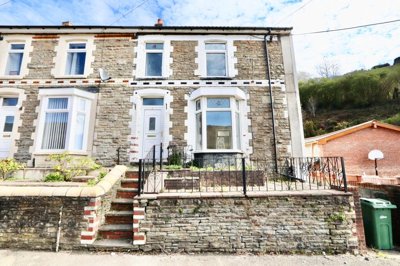
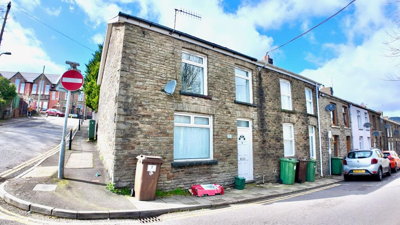
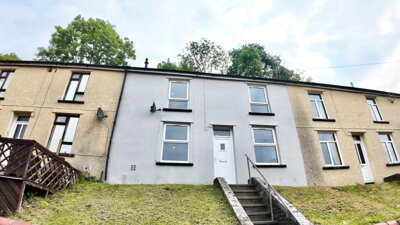
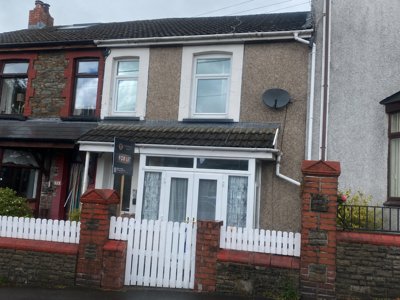
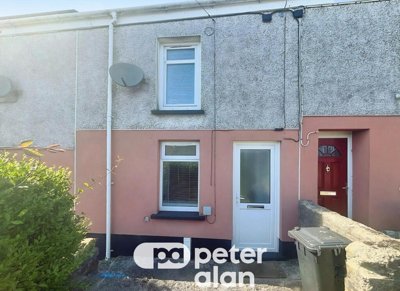
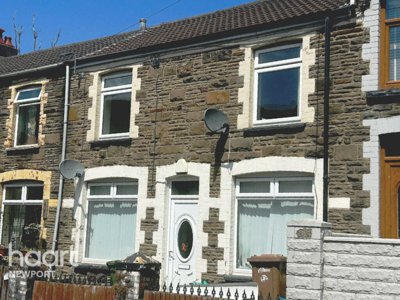
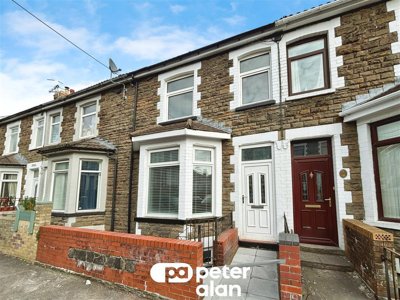
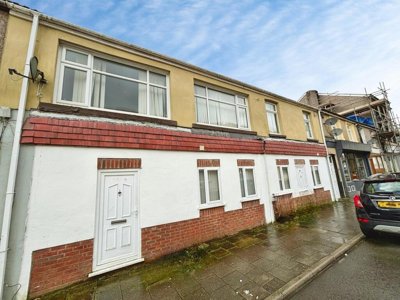
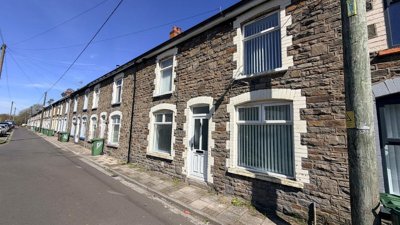
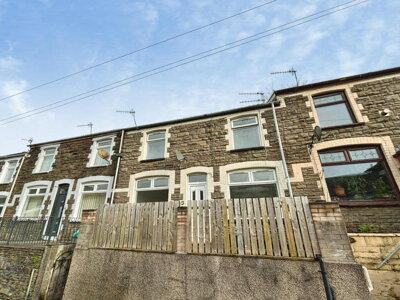
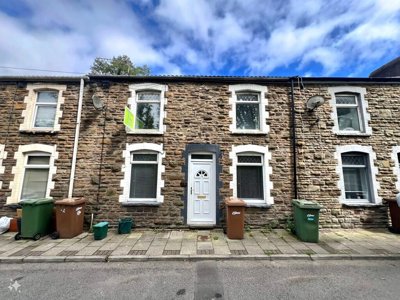
Most properties here were built in the old valley style, with solid stone or red brick walls and, in many cases, rendered frontages. A good number date from the late 19th and early 20th centuries, when homes were put up for workers in the coal mining industry that shaped South Wales. Pitched roofs finished in slate or tile are common, and shallow foundations often reflect the period. For renters, knowing that background helps explain the character of the houses, as well as heating bills that can be higher than in newer, better insulated homes.
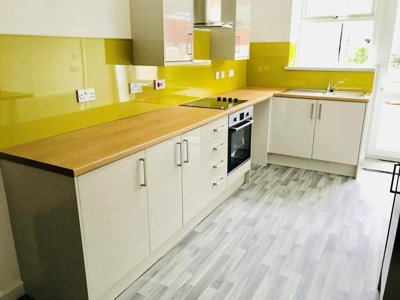
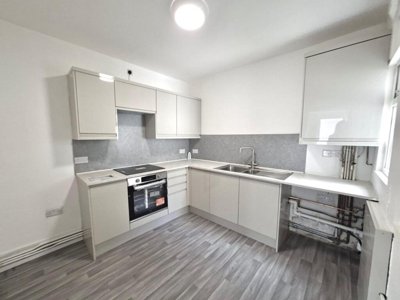
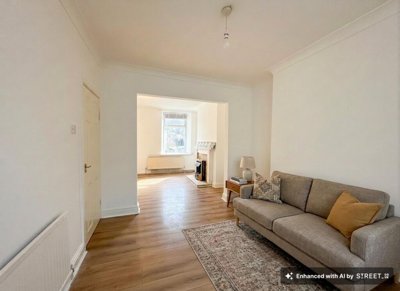
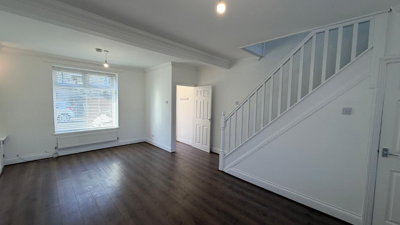
In letting terms, Darran Valley sits within the wider Rhondda Cynon Taf area, where agents and property management firms handle rental stock actively. Homes usually appear in decent condition, and many landlords have already refreshed kitchens and bathrooms to keep them competitive. That period construction, with solid walls and older features, adds appeal, but it also means tenants should think about the extra heating costs that can come with older properties.

Darran Valley suits renters who want a semi-rural setting without losing day-to-day convenience. The community grew over generations, first to house workers from the coal mining industry that shaped South Wales, and that history still gives it a distinct identity. Local events, community centres and traditional pubs continue to act as meeting points. Life moves at a gentler pace than in the nearby cities, which is exactly what many people are after.
Down in the valley, the Afon Darran river and the steep sides of the landscape define the setting. Grassland and woodland cover much of the surrounding hills, so walking, hiking and cycling are all easy to fit into ordinary life, whether along the valley floor or up the hillside paths. The main road network ties the valley floor to nearby amenities, and the geology sits within the South Wales Coalfield on Carboniferous rocks, including sandstones and mudstones, so some homes are on or near former mining land. That history is part of the place, and many residents find it adds interest to the built environment.
Clay-rich superficial deposits can sit in valley bottoms and on the lower slopes across Darran Valley, and that can create a shrink-swell risk for properties with shallow foundations during very wet or very dry spells. Not every house is affected, but tenants in older homes should be aware of it. Parts of South Wales are also designated radon affected areas, which means there is a greater chance of radon gas exceeding action levels. Landlords should have testing and mitigation in place, yet we would still advise asking about it before signing a tenancy.
For day-to-day living, the local offer covers convenience shops, pubs serving traditional Welsh food and a few useful community facilities. Bigger shopping and leisure trips usually mean heading to Pontypridd or Caerphilly, where there are larger retail centres, supermarkets and entertainment venues. The wider Rhondda Cynon Taf area also supports jobs in the public sector, retail, healthcare and education, and many residents commute to Cardiff. Affordable homes, a strong community feel and access to open countryside give Darran Valley a lot of appeal for renters who want value without giving up quality of life.

Families looking at Darran Valley will find schools serving both the valley itself and the surrounding area. Primary provision is available in the valley or in neighbouring communities, usually from Reception through to Year 6. These schools tend to be closely linked to local secondary schools, which helps the move between stages feel smoother for pupils. Class sizes are often smaller than in larger towns, so children can get more individual attention in a more supportive setting.
Across the wider Caerphilly and Rhondda Cynon Taf areas, secondary choices include comprehensive schools and, in some cases, grammar schools that can be reached through the catchment system. We would always suggest checking catchments before agreeing to a rental, since boundaries can affect school eligibility. Many schools in the region also have Sixth Form provision, giving students the chance to stay local for A-levels or equivalent courses. For post-16 study, nearby colleges in Pontypridd and Caerphilly offer a broader mix of vocational and academic options.
Estyn, the Welsh education inspectorate, assesses schools in the area, and parents can read performance data and inspection reports on the Estyn website. Primary schools serving Darran Valley and the surrounding villages generally provide a solid start, and many benefit from strong parental involvement and local support. Good schools often influence where families decide to rent, so this is worth weighing up early in the search.
Support for additional learning needs is well established across the wider region, with specialist provision available for children who need more help or have particular educational requirements. Before choosing a rental property, parents are best served by visiting schools, speaking to staff and getting a clear picture of the support on offer. Across the South Wales Valleys, the commitment to education shows in school facilities that are maintained to a good standard and backed by community investment.

Getting around from Darran Valley is straightforward enough for local residents and for anyone commuting to bigger employment centres across South Wales. The valley links into the wider road network through the A472 and other local roads, which connect to major routes including the M4 motorway. By car, Cardiff is usually a 30 to 45 minutes journey, depending on traffic and where in the city you are headed. The M4 corridor also opens up Newport, Swansea and the rest of the motorway network, so the area works for people employed in several parts of the region.
Bus services connect Darran Valley with nearby towns and villages, giving people without a car a useful way to get about. They are an important thread through the South Wales Valleys, linking communities that would otherwise feel far more isolated. Commuters heading to Cardiff or other major centres can sometimes use park and ride sites in nearby towns, which helps avoid city centre parking charges while keeping rail travel practical. Recent investment across the public transport network has improved reliability and frequency on key routes.
Rail travel is available from stations in the surrounding area, with services to Cardiff Central, Cardiff Queen Street and other destinations along the South Wales Main Line. Anyone renting in Darran Valley should think about the time it takes to reach the nearest station, because that can add noticeably to the daily commute. Cyclists will find the valley terrain both challenging and rewarding, with some routes offering very scenic links between communities. Walking is popular too, especially for short trips, because it keeps costs down and is better for health and the environment.
For people working in Cardiff or along the M4 corridor, Darran Valley offers a strong mix of lower housing costs and workable commute times. A common pattern is to drive to a nearby rail station and then continue by train, which gives a good balance between car flexibility and the convenience of rail for longer journeys. That combination, along with the chance to live in the valley, is a major part of the area's appeal to renters.

Before viewing properties in Darran Valley, it helps to have a rental budget agreement in principle. Lenders use this to show the maximum monthly rent affordability, typically ranging from 25-30 times your monthly income. It also tells landlords and agents that you are serious, and it keeps your search focused on places that fit the numbers. Monthly rents in the Darran Valley area typically range from £500-800 for terraced properties, so knowing your borrowing capacity makes the shortlist far more manageable.
Take time to look around the community before you commit to a rental. Visit local shops, cafes and amenities, and get a feel for the route to work, schools if they matter to you, and the general atmosphere in the valley. The Afon Darran river and the surrounding hillsides make for attractive scenery, but homes closer to the valley floor may need a closer look for flood risk. The South Wales Coalfield geology also means some areas may have mining legacy issues that are worth raising with local agents.
Search listings on Homemove and speak to local letting agents active in Darran Valley and the wider Caerphilly area. Viewing several properties side by side makes it easier to compare condition, parking and general upkeep. Ask about the age of the property, any recent renovations and how the landlord has managed it over time. Many rentals here are traditional stone or brick homes from the late 19th or early 20th century, so a clear maintenance history matters.
Before you sign anything, read the tenancy agreement properly, including the length of the lease, usually 6 or 12 months, the rent amount and payment schedule, the deposit amount and protection scheme, and the notice periods for both sides. Check any rules on pets, smoking or changes to the property. In Wales, landlords must provide the How to Rent guide and, if they manage the property themselves, register with Rent Smart Wales.
Once an offer has been accepted, tenant referencing comes next, with checks on credit history, employment and landlord references if you have rented before. You should also budget for the upfront costs, including a deposit, typically 5 weeks rent, the first month's rent and any admin fees charged by the letting agent. Under the Tenant Fees Act 2019, most fees charged to tenants have been banned, although referencing costs may still apply.
Before collecting the keys, carry out a detailed inventory check and note any existing damage, meter readings and the condition of fixtures and fittings. That record protects you if there is a dispute later about damage that was already there. In older Darran Valley properties, we would pay particular attention to damp, period features and any wear that matches the age of the house.
Renting in Darran Valley does mean thinking about a few things that are less of a concern in urban areas. A lot of the local housing dates from the late 19th or early 20th century, so damp, outdated electrics and older plumbing are more common than in newer builds. When viewing, look carefully for damp, especially in ground floor rooms and in homes with solid walls. Ask how old the wiring is and whether it has been upgraded recently. Older houses may also be less well insulated, which can push heating costs up in the Welsh winter months.
Older properties in Darran Valley often show the same set of defects, including rising damp, penetrating damp and condensation, especially in solid-walled homes where ventilation is poor. Roofs need checking too, since slate or tile coverings can show deterioration, sagging structure or defective flashings. Timber problems such as woodworm and wet or dry rot can affect structural timbers and floorboards, particularly where damp has been left unchecked or maintenance has lagged.
Because Darran Valley sits within the South Wales Coalfield, we would ask about any history of ground movement or mining-related issues before renting. Homes built on or near former mining land may need attention to foundations and to ground gas risks, including radon and methane. Not every property is affected, but it is wise to understand the history, and to see any surveys or reports that are available. A quick conversation with the landlord or letting agent before you commit can save trouble later.
Flood risk also deserves a proper look in Darran Valley, especially for homes near the Afon Darran river or in lower-lying parts of the valley floor. Fluvial flooding can affect properties close to the river and its flood plain, while surface water flooding can happen on steep ground during heavy rainfall. Ask about any previous flooding, the home's position relative to the river and whether any prevention measures are already in place. Knowing those local conditions helps renters make better decisions and plan ahead.
Leasehold homes, especially flats in Darran Valley, bring their own set of checks. Service charges, ground rent terms and the management of communal areas can all affect the real cost of renting, sometimes quite significantly. Ask about planned major works, any service charge increases and request recent service charge accounts so you can see how well the property is maintained. If the building is listed or lies within a conservation area, extra rules may apply to alterations and maintenance.

Monthly rents in the Darran Valley area typically sit at £500-800 per month for standard terraced properties, while semi-detached homes usually command £650-950 depending on condition and location within the valley. Larger detached properties with gardens and off-street parking can reach £1,000-1,200 per month. That still compares well with Cardiff and the M4 corridor, where similar homes often cost 30-50% more. We always suggest checking current listings on Homemove, because the rental market shifts with the seasons and with wider economic conditions.
For council tax, properties in Darran Valley come under Rhondda Cynon Taf County Borough Council. Bands in the area run from A to H, and most traditional terraced and semi-detached valley homes usually fall within bands A to C. Band A properties, generally the lowest valued homes, attract the smallest annual charge, while band D is often used as a standard reference point. Before you agree to a tenancy, ask for the council tax band, since it sits alongside rent as part of the regular monthly outgoings.
The Darran Valley and the wider Caerphilly area give families a broad spread of education choices. Primary schools in the community and nearby villages take children from Reception through to Year 6, and they are typically assessed by Estyn, the Welsh education inspectorate. Parents can use Estyn inspection reports and performance data to compare schools before settling on a rental. Secondary places are available at comprehensive schools across the wider area, with some grammar schools accessible through catchment allocation. School proximity can make a real difference to which part of the valley feels right for a family.
Bus services in Darran Valley link the community with neighbouring towns such as Pontypridd and Caerphilly, which is important for residents without a private car. Because the valley sits on local bus routes, journey times to larger towns can vary, so it is wise to check the specific timetable if you rely on public transport. Rail links are available from nearby stations, with services to Cardiff and other places on the South Wales rail network. Road access is also good, with the M4 reachable via the A472 and other local roads, giving routes to major employment centres across South Wales, including Newport and Swansea.
Darran Valley gives renters a mix of affordable homes, a strong community spirit and access to the wider amenities of South Wales. Its historic character and attractive natural setting suit people who want a quieter way of life while staying within practical reach of urban jobs. Compared with Cardiff and the M4 corridor, the properties here offer good value, which is why commuters and families both look here. The Afon Darran river, the hillside paths, local pubs and community facilities all help preserve the traditional Welsh valley feel. For people who like the character of South Wales valley communities, it is a rewarding place to live.
Standard deposit requirements in Darran Valley usually come to five weeks' rent, capped by law at five weeks' rent where the annual rent is less than £50,000. The deposit has to be protected in a government-approved tenancy deposit scheme (TDP) within 30 days of receipt, and you should be given prescribed information about which scheme is being used. You will also need to allow for the first month's rent in advance and any referencing fees charged by the letting agent, although many fees were banned under the Tenant Fees Act 2019. If the landlord asks for a rental budget in principle to show affordability, that may be another item to prepare. We would always ask for a full breakdown of costs before agreeing to anything.
Because Darran Valley sits within the South Wales Coalfield, some properties may be on or near former mining land, which brings the risk of ground instability, subsidence or ground gas emissions including radon and methane. Parts of South Wales are classified as radon affected areas, where testing and mitigation may be needed. Homes near the Afon Darran river can face fluvial flooding risk, especially on the valley floor, while steep ground can lead to surface water flooding in heavy rain. Clay-rich soils in valley bottoms may also cause shrink-swell movement that affects shallow foundations. Speaking through these issues with the landlord or letting agent before you commit gives a clearer picture of any extra considerations for a potential new home.
Many Darran Valley rentals are traditional homes from the late 19th or early 20th century, built in solid stone or brick and often still carrying period details. They usually need more upkeep than modern houses, and less effective insulation can mean higher heating costs. Common issues include damp, whether rising, penetrating or condensation, along with outdated electrical systems, older plumbing and timber defects such as woodworm or rot. When viewing, check the roof, walls and windows, and ask the landlord about any recent upgrades or maintenance. Knowing the maintenance history makes it easier to predict repair needs during your tenancy.
From 4.5% APR
Get a rental budget in principle to strengthen your application
From £30
Complete referencing checks required by landlords
From £80
Energy performance certificates for rental properties
From £350
Detailed survey for properties you plan to buy
Properties to Rent In London

Properties to Rent In Plymouth

Properties to Rent In Liverpool

Properties to Rent In Glasgow

Properties to Rent In Sheffield

Properties to Rent In Edinburgh

Properties to Rent In Coventry

Properties to Rent In Bradford

Properties to Rent In Manchester

Properties to Rent In Birmingham

Properties to Rent In Bristol

Properties to Rent In Oxford

Properties to Rent In Leicester

Properties to Rent In Newcastle

Properties to Rent In Leeds

Properties to Rent In Southampton

Properties to Rent In Cardiff

Properties to Rent In Nottingham

Properties to Rent In Norwich

Properties to Rent In Brighton

Properties to Rent In Derby

Properties to Rent In Portsmouth

Properties to Rent In Northampton

Properties to Rent In Milton Keynes

Properties to Rent In Bournemouth

Properties to Rent In Bolton

Properties to Rent In Swansea

Properties to Rent In Swindon

Properties to Rent In Peterborough

Properties to Rent In Wolverhampton

Enter your details to see if this property is within your budget.
Loans, cards, car finance
Estimated property budget
Borrowing + deposit
You could borrow between
Typical borrowing
Monthly repayment
Est. at 4.5%
Loan-to-value
This is an estimate only. Your actual budget may vary depending on interest rates, credit history, and personal circumstances. For an accurate affordability assessment, speak to one of our free mortgage advisors.
This calculator provides estimates for illustrative purposes only and does not constitute financial advice. Your home may be repossessed if you do not keep up repayments on your mortgage. Estimates based on 4.5% interest rate, repayment mortgage. Actual rates depend on your circumstances.
Homemove is a trading name of HM Haus Group Ltd (Company No. 13873779, registered in England & Wales). Homemove Mortgages Ltd (Company No. 15947693) is an Appointed Representative of TMG Direct Limited, trading as TMG Mortgage Network, which is authorised and regulated by the Financial Conduct Authority (FRN 786245). Homemove Mortgages Ltd is entered on the FCA Register as an Appointed Representative (FRN 1022429). You can check registrations at NewRegister or by calling 0800 111 6768.

We use cookies to show you personalised content and improve your experience of our website. Find out more in our Privacy policy and Cookie policy.