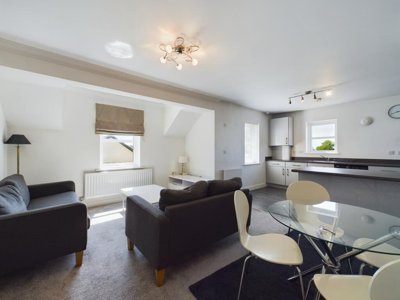
Browse 1 rental home to rent in Dalston, Cumberland from local letting agents.
Studio apartments feature open-plan living spaces without separate bedrooms, incorporating sleeping, living, kitchen, and bathroom facilities. The Dalston studio market includes properties in modern apartment complexes, converted Victorian and Georgian buildings, and purpose-built developments.
£925/m
1
0
48
Source: home.co.uk
Showing 1 results for Studio Flats to rent in Dalston, Cumberland. The median asking price is £925/month.
Source: home.co.uk
Flat
1 listings
Avg £925
Source: home.co.uk
Source: home.co.uk
Dalston’s rental market has a lively mix of homes, from purpose-built flats to older terraced houses with a bit more character. Flats and apartments make up the bulk of the stock at around 82.7%, terraced properties sit at approximately 14.4%, semi-detached homes account for about 2.8%, and detached houses are very scarce at just 0.2% of the rental stock. That pattern fits an inner-London district where apartments have long been the main answer to city demand.
Prices in Dalston move around quite a bit, depending on type, size and exact position. Recent market data puts flats at roughly £569,000 to £570,000, while terraced homes tend to sit higher, averaging about £1.1 million to £1.2 million. In rental terms, places close to Dalston Junction and Dalston Kingsland Overground stations usually attract stronger rents because the transport links are so handy. A one-bedroom flat within walking distance of those stations can be priced very differently from a similar home on the quieter streets further east, so the precise spot matters.
Recent price movement has not been especially steady, with home.co.uk data showing some segments around 12% down on the previous year and roughly 11% down from the 2022 peak. Even so, demand for rentals stays firm, especially where the transport is good and the specification is modern. We always suggest checking live listings for the exact property type and part of Dalston you have in mind, because availability changes through the year and prices do too.

Dalston has become one of Hackney’s most energetic and culturally layered neighbourhoods, with Victorian and Edwardian buildings, independent shops and a strong sense of local life. A large share of the area’s homes were built before 1919, often in London stock brick with the yellow-brown colouring and slate or tiled roofs that were common at the time. Those older buildings give Dalston much of its look and feel, particularly along Kingsland Road where many of the original commercial and residential properties are still standing.
Independent retail, hospitality and cultural venues keep the local economy busy, especially along Kingsland Road and Dalston Lane. Living here also gives good access to Central London and the City, which is a big draw for people working in finance, technology and creative roles. Ridley Road Market, Dalston Curve Garden and a long list of cafes, bars and restaurants add plenty of everyday variety, while Dalston Square has seen substantial regeneration in recent years, with new schemes sitting alongside the older streets.
What brings many people to Dalston is the community feel, along with the easy social life that comes with it. Street markets, art shows and live music at places like the Rio Cinema and local pubs and clubs keep the calendar busy all year. Families often like the mix of amenities, the nearby Clissold Park, and the range of schools available in and around the area. A healthy local economy and steady development continue to strengthen Dalston’s pull as somewhere to live and rent.

For families looking at rentals in Dalston, there is a solid spread of schools for different ages and priorities. Primary choices include St. Mary's and St. John's Primary School, which serves the Catholic community, and Sir Thomas Abery Primary School. The area sits within Hackney’s school admissions system, where catchment areas play a major part. That means the exact boundary can matter just as much as the distance, and in some cases more so, when a place is offered.
Secondary education for Dalston includes Hackney Downs School, a well-known mixed secondary, and The Dalston School. We would always advise checking current Ofsted ratings and performance information directly, because both can shift over time as provision changes. A number of schools in and around Dalston have gained positive recognition, but the latest figures are the ones that count. In Hackney, the admissions window usually opens in the autumn for the following September intake, so it pays to start looking early.
There are further education options within reasonable commuting distance too, including Hackney Community College and a number of sixth form colleges across the wider area. Before committing to a rental property in a particular catchment zone, it makes sense to visit schools and get a proper feel for the admissions process. Homes near well-regarded schools often draw more interest, which can push up demand and affect both availability and pricing in those parts of Dalston.

Dalston is one of the stronger spots for transport in east London, which is why so many commuters keep it on their shortlist. Dalston Junction and Dalston Kingsland Overground stations both offer excellent links across the London Overground network. From Dalston Junction, the East London line gives direct routes to Whitechapel, Canada Water and the south London Overground network. Dalston Kingsland connects via the North London line, with services towards Stratford, Camden Road and Richmond.
Buses add another useful layer of travel here, with several routes running along Kingsland Road, Dalston Lane and the surrounding streets. That network makes it simple to reach Hackney Central, Islington and Central London without needing to use rail. The road connections are decent too, with the A10 Kingsland Road giving direct access to the City, although parking can be tight in the busier parts of Dalston, especially near the main commercial areas and Overground stations.
Cycling has become easier in the area as well, thanks to dedicated lanes and bike-sharing schemes that support everyday commuting. Santander Cycles docking stations are available locally, and the fairly flat terrain helps make short journeys practical by bike. With several transport options close at hand, many residents find they rely less on car ownership in this well-linked urban part of Hackney.

A good first step is to look at the different parts of Dalston and decide which streets suit your routine best. If commuting is important, being close to an Overground station may matter most, while quieter residential roads will appeal more if you want to be away from the busiest commercial strips. We also recommend setting a clear budget from the start, with rent, council tax, utility bills, internet and moving costs all included. Having a rental budget agreement in principle before you start viewing can help when it comes to applying.
Use Homemove and other listing platforms to see what is actually available in Dalston at your price point. Once a few homes stand out, book viewings and check them properly in person. During visits, pay attention to the condition of the property, the transport nearby, local amenities and the general feel of the streets outside. Taking notes and photographs at each viewing makes later comparisons much easier.
It helps to get familiar with the range of homes Dalston offers, from Victorian conversions with period detail to modern purpose-built apartments. We suggest thinking about age, construction materials and any features that matter most to you. Many properties still use London stock brick with slate or tiled roofs, while newer developments tend to come with more contemporary specifications and better energy performance. In conservation areas, there may also be rules that affect alterations or renovation work.
Although a survey is not always required for a rental, a professional inspection can flag maintenance issues or defects before you sign a tenancy agreement. In Dalston, where older housing is common, this can highlight problems such as damp, roof condition, subsidence risk linked to underlying London Clay, or structural concerns. A RICS Level 2 Survey typically starts from around £400 for smaller properties, with larger or more valuable homes costing more. That sort of detail can be useful when discussing terms or planning for future upkeep.
After your application is accepted, referencing checks normally follow, covering credit history, employment verification and rental history. It is sensible to have payslips, bank statements and references from previous landlords ready before you apply, as that can speed things along. Read the tenancy agreement carefully before signing so you know exactly what the terms, obligations and tenant rights are. The deposit, usually five weeks' rent, will be protected in a government-approved deposit scheme within 30 days of the tenancy start date.
Anyone looking for a rental in Dalston should get to grips with the area’s housing stock before making a decision. There is a mix of Victorian and Edwardian buildings alongside modern schemes, and each comes with different traits and maintenance needs. Older homes may have original fireplaces, cornicing and high ceilings, but their age can mean more upkeep. In the pre-1919 housing stock, solid brick walls and timber suspended floors were common, and those materials behave differently from modern construction in terms of insulation and sound transmission.
Dalston also includes conservation areas such as the Dalston Lane and Kingsland Road Conservation Area, together with parts of the De Beauvoir Town Conservation Area extending into the area, where planning controls are in place to protect the architectural character. Listed buildings need particular care, since alterations usually require Listed Building Consent from Hackney Council, and the process can be more involved than a standard planning application. Knowing about these designations helps set realistic expectations about changes during a tenancy.
Because Dalston sits on London Clay geology, there is a known subsidence risk linked to shrink-swell clay soils. Properties with mature trees nearby, shallow foundations or poor drainage can be more exposed to movement over time. A professional survey may show signs of historic movement or point to conditions that could create future problems. The age of many homes also means electrical and plumbing systems may need updating, and energy efficiency ratings are worth checking because they can have a big effect on running costs.

Rental values in Dalston depend heavily on property type, size and where the home sits within the area. Flats and apartments dominate the rental market, and prices are shaped by how near they are to transport and local facilities. Homes close to Dalston Junction and Dalston Kingsland Overground stations generally attract higher rents because those links are so useful. At present, the market runs from more affordable studio flats through to premium apartments in modern developments, with prices moving with the seasons and wider demand.
Council tax in Dalston is set by the London Borough of Hackney and depends on the property’s assessed value. The bands run from A through to H, and most homes fall somewhere within that range. Specific band details for any address can be checked on the Hackney Council website or by contacting the council directly. Council tax is usually paid monthly, and it should be built into the wider rental budget alongside rent, utilities and the other day-to-day costs.
Families in Dalston and the wider Hackney area can choose from several schools across different age groups. Local options include St. Mary's and St. John's Primary School, Sir Thomas Abery Primary School and secondary provision such as Hackney Downs School. We advise checking school performance and Ofsted ratings directly, as they change over time. Catchment areas matter when choosing a rental home, since admissions often give priority to children living within set geographic boundaries, and applications need to go in during the designated admissions period.
Public transport is one of Dalston’s major strengths, with Overground stations at Dalston Junction and Dalston Kingsland giving the area a very good link to the rest of London. Those stations provide regular services on the East London line and North London line, with connections to Stratford, Whitechapel, Camden Road and Richmond. Buses add extra options across the local area and beyond, including routes to Hackney Central, Islington and Central London. Those links play a large part in Dalston’s appeal, especially for people commuting into central areas.
Dalston remains appealing to renters because it combines a lively community, strong transport and a wide spread of property styles. Ridley Road Market, Dalston Curve Garden and the mix of shops, cafes and restaurants along Kingsland Road and Dalston Lane all add to the day-to-day convenience. Its closeness to Central London and major employment centres keeps it popular with people working in finance, technology and creative industries. The local economy is steady, and development continues to add to the area’s appeal for a connected urban lifestyle.
When renting in Dalston, a security deposit is normally required, usually equal to five weeks' rent, and by law it must be protected in a government-approved scheme. Referencing fees may also come up for credit checks and employment verification, often between £100 and £200 or more depending on the letting agent. Other possible charges include admin fees from agents and the first month’s rent in advance. Before you commit, ask for a full breakdown of every cost and keep copies of all the paperwork.
Dalston is not beside a major river or the coast, so the risk of river flooding is much lower than in many other places. Even so, like plenty of built-up urban areas with lots of hard surfaces, it can still be vulnerable to surface water flooding when heavy rain overwhelms drainage systems. London Clay also sits beneath the area, and its shrink-swell behaviour can affect foundations over time, particularly where mature trees or poor drainage are involved. We would always look at drainage and the property’s maintenance history before settling on a home.
Most of Dalston’s rental market is made up of flats and apartments, which account for approximately 82.7% of available properties in recent data. Terraced houses make up around 14.4% of the market, while semi-detached homes and detached houses are smaller slices at about 2.8% and 0.2% respectively. The stock ranges from Victorian and Edwardian conversions with period detail to purpose-built blocks and modern developments around Dalston Square, so there is a fair spread of choices for different tastes and budgets.
Get pre-approved for your rental budget before searching for properties
From 4.5%
Complete your referencing checks quickly with our trusted partners
From £150
Identify property defects before committing to your rental
From £400
Check energy efficiency ratings to understand potential utility costs
From £85
Budgeting properly matters when renting in Dalston, because the monthly rent is only part of the picture. Council tax, utility bills, internet and phone services, contents insurance and any maintenance costs all need to be allowed for. Homes with weaker energy efficiency ratings may cost more to heat, which makes an EPC assessment useful before a tenancy begins. Older Victorian and Edwardian properties in Dalston can have higher heating needs than modern developments because solid brick walls insulate less effectively.
The usual upfront rental costs include the first month’s rent in advance, a security deposit equal to five weeks' rent, referencing fees and, in some cases, admin charges from letting agents. You should also allow for moving costs such as removals, professional cleaning and any furniture or equipment you need. Getting a rental budget agreement in principle before you start searching can help you set clear limits and show landlords that you are financially ready, which can be useful when several people want the same property.
Getting the full picture of costs from the outset helps avoid financial strain and makes renting in Dalston much smoother. Our platform includes tools for working out total rental costs, including estimated council tax based on Hackney banding data and typical utility costs for homes in the area. With the budget mapped out before the search begins, we can focus on properties that genuinely fit the numbers.
Properties to Rent In London

Properties to Rent In Plymouth

Properties to Rent In Liverpool

Properties to Rent In Glasgow

Properties to Rent In Sheffield

Properties to Rent In Edinburgh

Properties to Rent In Coventry

Properties to Rent In Bradford

Properties to Rent In Manchester

Properties to Rent In Birmingham

Properties to Rent In Bristol

Properties to Rent In Oxford

Properties to Rent In Leicester

Properties to Rent In Newcastle

Properties to Rent In Leeds

Properties to Rent In Southampton

Properties to Rent In Cardiff

Properties to Rent In Nottingham

Properties to Rent In Norwich

Properties to Rent In Brighton

Properties to Rent In Derby

Properties to Rent In Portsmouth

Properties to Rent In Northampton

Properties to Rent In Milton Keynes

Properties to Rent In Bournemouth

Properties to Rent In Bolton

Properties to Rent In Swansea

Properties to Rent In Swindon

Properties to Rent In Peterborough

Properties to Rent In Wolverhampton

Enter your details to see if this property is within your budget.
Loans, cards, car finance
Estimated property budget
Borrowing + deposit
You could borrow between
Typical borrowing
Monthly repayment
Est. at 4.5%
Loan-to-value
This is an estimate only. Your actual budget may vary depending on interest rates, credit history, and personal circumstances. For an accurate affordability assessment, speak to one of our free mortgage advisors.
This calculator provides estimates for illustrative purposes only and does not constitute financial advice. Your home may be repossessed if you do not keep up repayments on your mortgage. Estimates based on 4.5% interest rate, repayment mortgage. Actual rates depend on your circumstances.
Homemove is a trading name of HM Haus Group Ltd (Company No. 13873779, registered in England & Wales). Homemove Mortgages Ltd (Company No. 15947693) is an Appointed Representative of TMG Direct Limited, trading as TMG Mortgage Network, which is authorised and regulated by the Financial Conduct Authority (FRN 786245). Homemove Mortgages Ltd is entered on the FCA Register as an Appointed Representative (FRN 1022429). You can check registrations at NewRegister or by calling 0800 111 6768.

We use cookies to show you personalised content and improve your experience of our website. Find out more in our Privacy policy and Cookie policy.