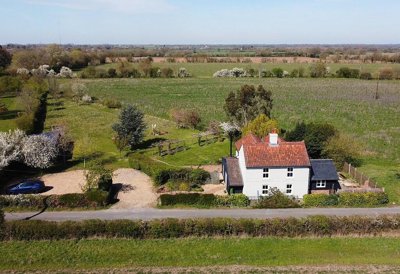
Browse 1 rental home to rent in Crowfield, Mid Suffolk from local letting agents.
The larger property sector typically features multiple bathrooms, substantial reception space, and private gardens or off-street parking. Four bedroom houses in Crowfield span detached, semi-detached, and occasionally terraced configurations, with styles ranging from period properties to modern executive homes.
£0/m
0
0
0
Source: home.co.uk
Showing 0 results for 4 Bedroom Houses to rent in Crowfield, Mid Suffolk.
home.co.uk is the place to watch for live rentals in Crowfield because stock is small and changes are worth catching early. On the sales side, homedata.co.uk records a median village price of £315,000, while a 2025 locality sample shows four sales at a median of £437,500, all of them detached homes. That detached profile points to a market shaped more by houses than flats. For renters, that usually means fewer purpose-built apartment choices and more period or family-style homes.
Price signals in the research are mixed, which is normal for a small village where a few transactions can move the averages sharply. The local evidence suggests a market that has cooled from stronger recent highs, but the important point for tenants is supply rather than a headline average. New-build activity looks very limited locally, so most homes are likely to be established properties rather than fresh estates. If you want the best chance of finding something suitable, keep your shortlist flexible and check live availability often.

Crowfield is a small Suffolk village with a 2021 population of 375 and 166 households, so daily life feels intimate rather than suburban. Homes are mostly detached, and the postcode data points to houses and bungalows rather than dense blocks of flats. That can suit renters who like privacy, off-road space and a calmer setting. It also means the rental pool is naturally narrow, so a suitable property may not stay available for long.
Heritage is part of the appeal here. All Saints' Church carries Grade II* status, and the village also includes a Grade II listed house described as timber-framed with rendered elevations and a thatched roof. Those details tell you a lot about the local building tradition, where older materials and character features still shape the look of the place. Renters who love Suffolk cottages, period detailing and a more traditional streetscape often find Crowfield especially attractive.
The wider setting is countryside-led, so the pace is quieter than in the surrounding market towns. That suits people who value walks, open views and a village feel, but it can also mean fewer doorstep amenities than larger centres. Everyday life is usually a blend of local village routines and trips out for bigger shops, services and evening plans. For many tenants, that trade-off is exactly what makes Crowfield worth considering.
The research pack does not name specific schools in Crowfield, which is common for a village of this size. Families should check Suffolk County Council admissions and the latest catchment maps before they commit to a tenancy, because a small change in address can affect school access. As a rule, village renters here are best served by looking at the nearest primary and secondary options in the surrounding Mid Suffolk area. That extra checking is worth doing early, especially if term-time travel matters.
Crowfield's low household count means school-run routines are usually built around nearby roads rather than walkable urban catchments. If you are moving with children, ask about transport times, breakfast clubs and after-school wraparound care as part of the viewing process. Also ask landlords about internet speeds and workspace, since home study is a bigger factor in rural homes. The best school for one family may not be the nearest one, so your shortlist should balance admissions, travel and daily practicality.

Crowfield is more car-led than rail-led, so transport planning matters before you choose a home. The research pack does not give station timings, but the village sits in inland Suffolk rather than on a major rail corridor, which means most commuters will rely on nearby roads and stations in larger settlements. Bus availability can be patchier in small villages, so it pays to check current timetables before you view. If you work flexible hours, the setting is easier to manage than if you need a precise daily train.
Parking is usually a bigger consideration here than it would be in town, particularly around older cottages and listed homes where plots can be tighter. Cycling can work well for local trips, although narrow lanes and darker winter evenings mean you should plan routes carefully. For longer journeys, the key question is not just distance but reliability, because a rural commute often depends on road conditions and seasonal traffic. Renters who value quiet over speed tend to feel most at home in Crowfield.
Get a rental budget agreement in principle before you view, so you know your monthly ceiling, move-in cash and whether the village stock fits your target.
Compare Crowfield's quiet rural setting with your commute, school needs and local amenities, because the right home here is often about lifestyle as much as price.
With limited supply, contact landlords or agents as soon as a suitable home appears on home.co.uk and be ready with dates that work.
Ask about heating, damp, roof repairs, parking, broadband and any heritage restrictions if the home is older or listed.
Prepare ID, income evidence, employer details and landlord references early, so your application can move fast.
Check the inventory, deposit protection, maintenance responsibilities and break clause before you move in.
Older homes are a big part of Crowfield's character, so the first thing to check is how the property has been maintained rather than how new it looks. Traditional timber framing, rendered walls and thatched roofs can be beautiful, but they also need careful upkeep and clear agreements about repairs. Ask who is responsible for guttering, chimney stacks, heating service history and any specialist materials. In a village with listed buildings, that detail matters more than in a standard estate house.
Flood risk could not be verified in the supplied research pack, so you should check the exact postcode before committing to a tenancy. That is especially sensible for ground-floor homes, older plots and properties close to drainage channels or low-lying land. Planning restrictions also deserve attention, because heritage homes can limit external alterations, satellite dishes, window replacements and even certain types of fencing. If you plan to work from home or store a car charger, make sure the landlord can actually support that use.
Leasehold and service charges are less relevant to most rentals, but they still matter if the home is part of a managed block or a converted building. Ask what is included in the rent, because gardening, bin storage, parking permits and communal maintenance can all affect your monthly costs. A character property can feel affordable at first glance, yet extra heating, insurance or upkeep expectations can change the picture quickly. Reading the tenancy details line by line is the best way to avoid surprises.
The supplied research pack does not include a reliable live rental average for Crowfield, and that is common in a village with a small rental pool. What we do know is that homedata.co.uk records a median sold price of £315,000, with a 2025 locality sample at £437,500 for detached homes. That sales picture suggests the local rental market is likely to be narrow and highly property-specific. On home.co.uk, the best way to judge rent is by live availability rather than by a broad village average.
Council tax bands in England run from A to H, and a village like Crowfield can have several different bands depending on size, age and house type. The research pack does not give a single universal band for the parish, so check the exact postcode and property with Mid Suffolk District Council before you apply. Detached village houses and character homes often sit in higher bands than smaller cottages or bungalows. Your monthly budget should include council tax alongside rent, utilities and broadband.
The supplied research does not name a specific school within Crowfield, which is typical for a small village. Families usually check the nearest primary and secondary catchments in Mid Suffolk and the latest Suffolk County Council admissions information before they sign. That matters because a rural address can change the schools available to you more than it would in a town. If education is a priority, keep your search broad enough to include transport and after-school care.
Crowfield is more car-led than rail-led, so public transport options are usually more limited than in a larger town. The research pack does not give rail times, and that itself is a clue that commuters should check nearby station access and local bus timetables before they choose a home. Rural transport can work well if your hours are flexible and your trips are planned, but it is less forgiving if you need a fast daily connection. For many tenants, the trade-off is quieter living in exchange for a more complicated commute.
Yes, if you want a quiet Suffolk setting and can live with limited local stock. Crowfield has 375 residents and 166 households, which keeps the market small and often more owner-occupied than rental-led. The village's historic fabric, including All Saints' Church and listed character homes, gives it plenty of appeal for tenants who prefer charm over bustle. It suits renters who are organised, flexible and happy to travel for some services.
For a tenancy, expect a holding deposit of up to one week's rent and a tenancy deposit usually capped at five weeks' rent for most assured shorthold tenancies. You may also need to budget for referencing, moving costs, inventory check fees where applicable and the first month's rent in advance. If you are also comparing a purchase in Crowfield, the current stamp duty thresholds are 0% up to £250,000, 5% from £250,000 to £925,000, 10% from £925,000 to £1.5 million and 12% above that, with first-time buyer relief up to £425,000 and reduced relief to £625,000.
Crowfield is not a flat-heavy market. The postcode data says residential buildings are primarily detached, with houses and bungalows making up most domestic properties. The 2025 locality sales sample was also entirely detached, so renters should expect a stronger cottage and house market than apartment stock. If you need a flat, check live availability frequently because choice is likely to be limited.
From £0
Check what you can afford before you start viewing homes in Crowfield
From £499
Prepare the checks landlords usually ask for when you apply
From £350
Understand the energy rating of the property you plan to rent
From £350
Useful on older or character homes if you are also comparing a purchase
Crowfield's move-in costs are best planned well before you pick a property, because small villages often have a tight handover window. A rental budget agreement in principle helps you prove affordability to a landlord and stops you overcommitting when the right home appears. On the tenancy side, you should be ready for a holding deposit, the first month's rent and a tenancy deposit capped by tenancy rules. That up-front clarity matters even more when homes are scarce.
Character houses can also carry extra running costs that do not always show up in the rent itself. Heating bills may be higher in older homes, broadband may vary by exact location and parking can be an added cost if the property uses permits or shared spaces. If the home is listed or contains specialist materials, ask how maintenance is handled and whether any upkeep is shared with the landlord or managing agent. A careful monthly budget is the easiest way to avoid a good-looking property becoming expensive later.
For anyone who is comparing renting with buying in Crowfield, the current stamp duty thresholds are 0% up to £250,000, 5% from £250,000 to £925,000, 10% from £925,000 to £1.5 million and 12% above that. First-time buyer relief runs at 0% up to £425,000 and 5% from £425,000 to £625,000, with no relief above £625,000. Those figures are only relevant if you decide to purchase later, but they are useful when you are weighing the long-term cost of staying in a village home. For now, the smartest move is to match your rental budget to the specific property rather than to a broad village average.
Properties to Rent In London

Properties to Rent In Plymouth

Properties to Rent In Liverpool

Properties to Rent In Glasgow

Properties to Rent In Sheffield

Properties to Rent In Edinburgh

Properties to Rent In Coventry

Properties to Rent In Bradford

Properties to Rent In Manchester

Properties to Rent In Birmingham

Properties to Rent In Bristol

Properties to Rent In Oxford

Properties to Rent In Leicester

Properties to Rent In Newcastle

Properties to Rent In Leeds

Properties to Rent In Southampton

Properties to Rent In Cardiff

Properties to Rent In Nottingham

Properties to Rent In Norwich

Properties to Rent In Brighton

Properties to Rent In Derby

Properties to Rent In Portsmouth

Properties to Rent In Northampton

Properties to Rent In Milton Keynes

Properties to Rent In Bournemouth

Properties to Rent In Bolton

Properties to Rent In Swansea

Properties to Rent In Swindon

Properties to Rent In Peterborough

Properties to Rent In Wolverhampton

Enter your details to see if this property is within your budget.
Loans, cards, car finance
Estimated property budget
Borrowing + deposit
You could borrow between
Typical borrowing
Monthly repayment
Est. at 4.5%
Loan-to-value
This is an estimate only. Your actual budget may vary depending on interest rates, credit history, and personal circumstances. For an accurate affordability assessment, speak to one of our free mortgage advisors.
This calculator provides estimates for illustrative purposes only and does not constitute financial advice. Your home may be repossessed if you do not keep up repayments on your mortgage. Estimates based on 4.5% interest rate, repayment mortgage. Actual rates depend on your circumstances.
Homemove is a trading name of HM Haus Group Ltd (Company No. 13873779, registered in England & Wales). Homemove Mortgages Ltd (Company No. 15947693) is an Appointed Representative of TMG Direct Limited, trading as TMG Mortgage Network, which is authorised and regulated by the Financial Conduct Authority (FRN 786245). Homemove Mortgages Ltd is entered on the FCA Register as an Appointed Representative (FRN 1022429). You can check registrations at NewRegister or by calling 0800 111 6768.

We use cookies to show you personalised content and improve your experience of our website. Find out more in our Privacy policy and Cookie policy.