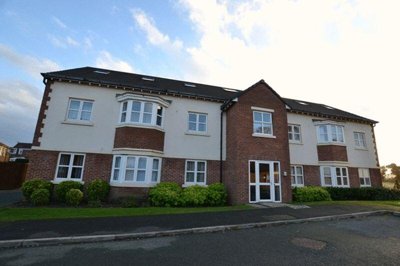
Browse 1 rental home to rent in Croston, Chorley from local letting agents.
One bed apartments provide a separate bedroom alongside distinct living space, bathroom, and kitchen areas. Properties in Croston are available in various building types including mansion blocks, contemporary developments, and house conversions.
£0/m
0
0
0
Source: home.co.uk
Showing 0 results for 1 Bedroom Flats to rent in Croston, Chorley.
Croston’s rental market mirrors the wider property picture in this attractive village. House prices average around £278,672 according to home.co.uk listings data, while homedata.co.uk sales data shows terraced properties made up the majority of sales in Croston over the last year. That pattern tells us a lot about the housing mix. Expect terraced homes, semi-detached houses, and the odd detached property, which can suit families or anyone needing a bit more room than the usual village rental.
Recent analysis from homedata.co.uk puts average sold prices at approximately £253,000 as of early 2026, with the PR26 9 postcode area recording a 5.5% fall over the last year. For renters, that can mean landlords are slightly more open to negotiation on terms. Croston’s stock is still dominated by terraced homes, though semi-detached houses also play a big part. Detached properties sit at the top end, with average sales around £466,250, which reflects the extra space and privacy they tend to offer.
Type matters here. Detached homes average £466,250, terraced properties come in at around £252,553, and semi-detached homes sit at approximately £239,600. We did not find current rental price data in our research, but those sale values still give a clear feel for where each property type sits in the market. Speaking to local letting agents is the best way to get today’s rental figures, as the Lancashire market shifts with demand and the wider economy.
A small new-build scheme by Lanley Homes on Station Road has added four semi-detached homes to the market, giving renters a newer option in the village. There are also planning applications for further schemes of 9-12 properties on a 0.78 hectare site, so the stock could grow again. For people looking to rent, that blend of older village houses and newer builds means Croston offers choices at several price points and in different styles, from first-time renters to growing families.

Croston still feels like a proper Lancashire village. Its historic centre is anchored by the Parish Church of St Michael and All Angels, a Grade II* listed building that sits at the spiritual and geographical core of the community. The conservation area covers the old centre, where brick, sandstone and other local materials give the streets their distinctive look. Croston Town Bridge is also designated as a Scheduled Monument, underlining the archaeological interest of river crossings in the area.
Slate and tile roofs are common, and a few converted farmhouses keep traces of their original thatched roofing, now covered with asbestos tiles, which says plenty about the area’s agricultural past. Local buildings also show rock-faced sandstone in chapel work, rendered brick with stone dressings on public houses, and brick with partial rendering and roughcast on residential conversions. Those materials are usually solid, though age can bring wear, so tenants should look closely at condition before signing up.
With 3,272 residents living in 1,366 households, the village has a close-knit feel, and local events tend to draw people together through the year. The average household size is 2.36 persons, which suits both families and individuals after a quieter pace than city life. In the Croston, Mawdesley and Euxton South ward, the average household size rises to 3.0 persons, hinting at a stronger family presence there and, in turn, possible pressure on schools and services.
The River Yarrow gives Croston much of its scenery, and it makes for pleasant walks along the banks. It also brings flood considerations. Grape Lane, Town Road, Yarrow Close, Back Drinkhouse Lane, Drinkhouse Lane, the junction of Westhead Road and Riverside Crescent, Lonsdale Drive, Langdale Avenue, Coniston Way, and homes near the Croston sewage works are all identified as higher risk areas. Any specific property should be checked carefully, and local estate agents are worth speaking to if you are looking at lower-lying parts of the village.

Families thinking about a move to Croston will find the local school and Croston Library important parts of daily life. Primary provision has traditionally been available within the village for younger children, while secondary schools in nearby towns broaden the options further afield. Anyone renting here should look at current admission rules and catchment areas with Chorley Council, as those details can affect schooling choices and the practicalities of travel for older children.
The civil parish of Croston contains 47 listed buildings recorded in the National Heritage List for England, among them St Michael and All Angels Church (Grade II*), farmhouses, former farm buildings, houses that began life as farmhouses, almshouses, a village cross, public houses, a school, bridges and a former rectory. That heritage shapes the village’s character and is a big part of its appeal. For families, it means children grow up in a place with plenty of history on the doorstep, plus a strong sense of community around it.
Secondary education is usually accessed in nearby Chorley and Leyland, where families can choose between state and independent provision depending on admission criteria and personal preference. Sixth form and further education options sit in the surrounding towns too, with Preston offering especially broad choices for older students. The Croston, Mawdesley and Euxton South ward, which includes the village, has an average household size of 3.0 persons, compared with 2.36 in the parish overall, so there is a noticeable family presence that can feed into school demand and local services. Check catchment boundaries and admission policies with Chorley Council before you commit to an address.

Croston has practical transport links, which is one reason commuters look at the village in the first place. Croston railway station provides direct services to Preston and Manchester, opening up a wider range of jobs across the North West. That makes village living far easier for people who still need city access, with journeys to Preston typically under 20 minutes and Manchester usually reachable within approximately an hour by train.
By road, the A59 runs through Croston and gives access north to Preston and west towards Ormskirk and Southport. From there, the M6 is within reach, so Liverpool, Manchester and the wider motorway network are all accessible for drivers. Lancashire County Council bus services also connect the village with neighbouring settlements, which matters if you do not have a car.
Cyclists and walkers have plenty to work with here. Croston sits in open Lancashire countryside, so there are good routes for both leisure cycling and walking, and the village centre itself is easy to get around on foot. Parking is more mixed, with some homes offering off-street space and others relying on street parking. If you are viewing a property, ask about parking and any permits or costs that Chorley Council may require.

Knowing the local building types helps set expectations before you rent in Croston. The housing stock reflects centuries of construction, and the 47 listed buildings in the civil parish include some of the oldest properties alongside newer additions. homedata.co.uk sales data shows terraced properties were the majority of recent sales in Croston, which is a good clue that this style is prominent in both the sales and rental markets.
Brick is the main material in Croston, often paired with partial rendering or roughcast finishes. Public houses tend to appear in rendered brick with stone dressings, while some residential conversions began as farmhouses and still show brickwork with asbestos tile coverings over former thatched roofs. Rock-faced sandstone crops up in certain buildings too, especially ecclesiastical ones, reflecting the local stone supply. Those traditional materials are durable, though they do need maintenance, so condition should not be taken for granted.
Roofs in Croston are usually slate or tile, and a few older properties still keep original features. With terraced housing so common, many homes share walls with neighbours, which can affect sound insulation and maintenance responsibilities. Semi-detached and detached homes are less common, but they give more space and privacy, so rents can be higher because they are harder to find. The small Lanley Homes development on Station Road is a neat example of newer construction for anyone after a more modern build.

Take time to walk the village before you commit. Think about how close you are to the River Yarrow if flood risk matters to you, check how long the commute really is, and look at the amenities you use day to day. Grape Lane, Town Road, Yarrow Close, Back Drinkhouse Lane, Drinkhouse Lane, Westhead Road, Riverside Crescent, Lonsdale Drive, Langdale Avenue and Coniston Way have all been identified as higher flood risk locations. Each listing includes council tax bands and estimated energy costs, which makes comparison much easier.
Before you start viewing, line up a rental budget agreement in principle from a financial provider. It shows landlords and letting agents that you can afford the rent, which can put you ahead of other applicants. In a place like Croston, where demand can be strong, that extra proof matters. A typical agreement costs from 4.5% APR and helps you work out exactly what you can borrow before the search gets serious.
Once you have a few properties in mind, book viewings through local letting agents or directly with landlords. Use the appointment to look beyond décor and focus on flood risk, conservation area restrictions and any planning issues that could affect how you live in the home. A RICS Level 2 survey usually costs between £400 and £600 for properties in this price range and can pick up defects before you sign, which is especially helpful for older homes with listed status or traditional Croston construction.
The tenancy agreement should spell out the rent, deposit protection details and your rights as a tenant. In England, deposits have to be protected in a government-approved scheme within 30 days of receipt. The landlord must also provide an EPC certificate and meet the Homes (Fitness for Human Habitation) Act. If the property sits in Croston conservation area, any planned changes may need planning permission from Chorley Council.
After your application is accepted and references are checked, you will sign the tenancy agreement and pay the deposit plus the first month’s rent. Deposits are usually capped at five weeks rent where annual rent is above £50,000, or four weeks rent for lower amounts. At this point, arrange a proper inventory check so the condition is recorded and you are protected from unfair deductions when you move out. Then the move into your Croston home can begin.
Renting in Croston does involve a few location-specific checks that urban renters might not always face. The River Yarrow means flood risk needs close attention for any property near watercourses or in low-lying spots. Homes on Grape Lane, Town Road, Yarrow Close, Back Drinkhouse Lane, Drinkhouse Lane, the junction of Westhead Road and Riverside Crescent, Lonsdale Drive, Langdale Avenue, Coniston Way and close to the Croston sewage works have all been identified as potentially at risk during flood events, so talk flood resilience through with the landlord and check insurance arrangements before you commit.
Many properties in Croston sit within the conservation area, so external alterations, renovations and other changes can be restricted. If you are planning to alter a rented home in any way, Chorley Council may require planning permission, which can limit how much you can personalise the property. The 47 listed buildings in the civil parish include homes that may also be subject to listed building controls, affecting landlords and tenants alike. Original features such as thatched roofing, now often covered with asbestos tiles, traditional brickwork and sandstone construction can all call for specialist maintenance.
Because so much of the housing stock is older, many homes in Croston need extra attention to condition. Traditional brick, render and natural stone are generally solid, though damp, roof wear and outdated electrical or plumbing systems are all possible. A survey may pick up penetrating damp, rising damp, condensation, roof issues such as poor ventilation or blocked gutters, and sometimes foundation settlement or wall movement. Before you rent, a RICS Level 2 survey usually costs between £400 and £600 depending on property size and complexity. For older homes pre-1900 or those with non-standard construction, additional costs of 20-40% may apply, but that spend can save you from nasty repair bills during the tenancy.
Our research did not find rental price data for Croston, though homedata.co.uk puts average sold prices at approximately £253,000 to £278,672 depending on the source consulted. Sale figures do not give a direct rent, but they do help frame how values compare across the different house types. Terraced homes will usually rent for less than semi-detached properties, and both should sit below detached homes, given the sales differences of £252,553, £239,600 and £466,250 respectively. Local letting agents are the best source for current rental levels, as the Lancashire market moves with demand and the wider economy.
Croston falls under Chorley Council, and council tax bands vary from property to property according to the valuation band set by the Valuation Office Agency. In Lancashire, bands run from A through H, with band A attracting the lowest annual charge and the higher bands paying proportionally more. Before you rent, ask the letting agent or landlord for the exact band, because it becomes part of your monthly outgoings alongside the rent. You can also check Croston bands on the Valuation Office Agency website.
There is local primary provision for younger children in Croston, while secondary education usually means looking to schools in nearby towns. Ofsted ratings and performance data should be checked directly on the Ofsted website, because those figures can change after each inspection. The Croston, Mawdesley and Euxton South ward has an average household size of 3.0 persons, which suggests a fairly high family presence and may affect school demand locally. Families should check catchment areas with Chorley Council, as those rules decide which schools your children would have priority for from a Croston address.
Croston railway station makes commuting by train perfectly practical for people working in Preston or Manchester. The trip to Preston is roughly 20 minutes, while Manchester is usually around an hour away by rail. Lancashire County Council bus services also link Croston with nearby villages and towns, which helps if you do not drive. The A59 runs through the village and connects to the M6, so road travel across the region is straightforward. For many commuters, that mix of transport options is a big part of the appeal.
For renters after a traditional village setting without giving up transport links, Croston offers a strong quality of life. The village has about 3,272 residents across 1,366 households, so it feels friendly rather than anonymous. Its conservation area and 47 listed buildings highlight the architectural heritage, while the River Yarrow brings scenery and flood awareness in equal measure. Local schools, village amenities and the Lancashire countryside all add to the appeal, though the river means the exact property location still matters a great deal.
In England, standard deposits are capped at five weeks rent where annual rent is above £50,000, or four weeks rent for lower rental amounts. On top of that, you will usually pay a holding deposit to reserve a home, capped at one weeks rent, plus referencing fees for credit checks and landlord references, which often range from £50 to £200, and possibly inventory check costs. The deposit must be protected in a government-approved scheme within 30 days, and you should be told which one. First-time renters do not get a break from these costs, though a rental budget agreement can still help you show affordability and give you confidence in a busy market.
Croston is a flood warning area because of the River Yarrow, and a number of locations have been flagged for higher risk. These include Grape Lane, Town Road, Yarrow Close, Back Drinkhouse Lane, Drinkhouse Lane, the junction of Westhead Road and Riverside Crescent, Lonsdale Drive, Langdale Avenue, Coniston Way and properties near the Croston sewage works. If you are renting in any of those spots, talk through flood resilience with the landlord and check that suitable buildings insurance is in place. The Gov.uk flood warning service can also provide live alerts and historical flood data for specific parts of Croston.
From 4.5% APR
Get a rental budget agreement in principle so landlords and letting agents can see you can afford the rent.
From £99
Use full referencing services covering credit checks and employment verification.
From £350
Book a professional survey to pick up defects in older Croston properties before you commit.
From £85
An Energy Performance Certificate is required by law for every rental property.
Planning the full cost of renting in Croston means looking well beyond the monthly rent. Your upfront spend will usually include a security deposit, generally equal to four or five weeks rent depending on the annual rental amount, and it must sit in a government-approved scheme such as the Deposit Protection Service, MyDeposits or the Tenancy Deposit Scheme. You will also pay a holding deposit once your application is accepted, usually capped at one weeks rent and often taken off the final deposit.
There are other upfront costs too. Referencing fees for credit checks, employment verification and previous landlord references usually land somewhere between £50 and £200, depending on the letting agent and how deep the checks go. Some agents still charge administrative fees, though regulation has reduced the worst of them, and inventory check costs cover the detailed condition report that protects both sides at the start and end of the tenancy. You may also need to budget for removals, utility and internet connection fees, and perhaps a bit of redecoration if you want the place to feel like home.
Ongoing costs will include the monthly rent, paid on the agreed date, council tax charged by Chorley Council according to your property’s valuation band, utility bills for gas, electricity and water, plus internet and phone services. Contents insurance is sensible for tenants, and some maintenance costs may still land with you depending on the tenancy agreement. A rental budget agreement in principle helps you work out what you can realistically afford in rent and related costs, so you can view properties and apply with more confidence in Croston. With house prices having fallen 21% over the previous year according to home.co.uk listings data, some landlords may be more flexible on rental terms, which could make this a good moment to secure favourable tenancy conditions.
Properties to Rent In London

Properties to Rent In Plymouth

Properties to Rent In Liverpool

Properties to Rent In Glasgow

Properties to Rent In Sheffield

Properties to Rent In Edinburgh

Properties to Rent In Coventry

Properties to Rent In Bradford

Properties to Rent In Manchester

Properties to Rent In Birmingham

Properties to Rent In Bristol

Properties to Rent In Oxford

Properties to Rent In Leicester

Properties to Rent In Newcastle

Properties to Rent In Leeds

Properties to Rent In Southampton

Properties to Rent In Cardiff

Properties to Rent In Nottingham

Properties to Rent In Norwich

Properties to Rent In Brighton

Properties to Rent In Derby

Properties to Rent In Portsmouth

Properties to Rent In Northampton

Properties to Rent In Milton Keynes

Properties to Rent In Bournemouth

Properties to Rent In Bolton

Properties to Rent In Swansea

Properties to Rent In Swindon

Properties to Rent In Peterborough

Properties to Rent In Wolverhampton

Enter your details to see if this property is within your budget.
Loans, cards, car finance
Estimated property budget
Borrowing + deposit
You could borrow between
Typical borrowing
Monthly repayment
Est. at 4.5%
Loan-to-value
This is an estimate only. Your actual budget may vary depending on interest rates, credit history, and personal circumstances. For an accurate affordability assessment, speak to one of our free mortgage advisors.
This calculator provides estimates for illustrative purposes only and does not constitute financial advice. Your home may be repossessed if you do not keep up repayments on your mortgage. Estimates based on 4.5% interest rate, repayment mortgage. Actual rates depend on your circumstances.
Homemove is a trading name of HM Haus Group Ltd (Company No. 13873779, registered in England & Wales). Homemove Mortgages Ltd (Company No. 15947693) is an Appointed Representative of TMG Direct Limited, trading as TMG Mortgage Network, which is authorised and regulated by the Financial Conduct Authority (FRN 786245). Homemove Mortgages Ltd is entered on the FCA Register as an Appointed Representative (FRN 1022429). You can check registrations at NewRegister or by calling 0800 111 6768.

We use cookies to show you personalised content and improve your experience of our website. Find out more in our Privacy policy and Cookie policy.