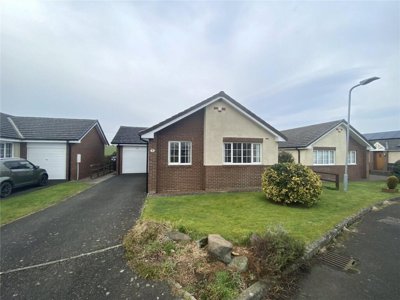
Browse 1 rental home to rent in Craster, Northumberland from local letting agents.
The Craster property market offers detached, semi-detached, and terraced houses spanning various price ranges and neighbourhoods. Each listing includes detailed property information, photographs, and direct contact with the marketing agent.
£0/m
0
0
0
Source: home.co.uk
Showing 0 results for Houses to rent in Craster, Northumberland.
Craster’s rental market is small, tight and expensive, largely because this is a sought-after coastal village with very little housing stock. Dedicated rental listing data for Craster itself is thin on the ground, but the wider market still gives a clear steer. The average sold price in Craster reached £775,000 over the past year, with homedata.co.uk and home.co.uk putting averages at around £920,000 as of early 2026. Values are up 19% over the last year and now sit 53% above the 2022 peak of £506,250, which points to demand carrying through into lettings as well. Recent sales underline that premium, with a detached home on Haven Hill selling for £1,065,000 in March 2025 and another on South Acres reaching £775,000 in the same month.
What comes up in Craster tends to be traditional stone terraced cottages, semi-detached houses and larger detached homes. Recent sales show terraced properties changing hands at about £320,000 to £475,000, while detached houses have sold for between £712,000 and £1,065,000. A semi-detached property at 4 West End sold for £650,000 in January 2024. With values at that level, rents are usually higher than you would expect in bigger nearby towns, especially for two-bedroom cottages that appeal to people after a weekend retreat or full-time coastal living.

Along the Northumberland coast, Craster remains one of those villages that is instantly recognisable. Much of that comes from the traditional stone buildings made from local Craster Whinstone, a dark volcanic basalt quarried here since the 18th century. It gives the place its severe, sturdy look. The village grew up around the harbour, and that working focus is still there today, with fishing boats landing catches for the well-known smokehouses that produce Craster kippers. Set in a small cove edged by whinstone cliffs, the harbour has shaped village life for centuries.
Small village, plenty going on. Craster has the Jolly Fisherman overlooking the harbour, plus galleries and artisan shops that reflect the creative side of this stretch of coast. Just 1 mile to the north, Dunstanburgh Castle fills the skyline and gives residents a walk that is as famous as it is easy to reach from the village itself. The coastal path network is one of the area’s real strengths, with wide North Sea views and long runs along the Heritage Coast. Tourism matters here, and many homes switch into holiday-let use in peak season, although quieter periods can open up options for longer-term renters.

Families looking at Craster for a rental need to plan schooling around the wider area rather than the village itself. Local primary provision is in surrounding villages, and Craster generally falls within catchment arrangements linked to schools in the Alnwick area. We always suggest checking the current position directly with Northumberland County Council, because rural admissions can be competitive, school rolls are smaller, and transport can become part of the decision, particularly for older children. Before taking on a tenancy, it is sensible to confirm how school travel would work in practice.
For secondary education, most routes lead inland to Alnwick, around 8 miles from Craster. The town has several secondary schools serving the wider district, and some include specialist subjects and sixth-form provision. If schooling is central to the move, we recommend visiting likely schools and checking current Ofsted ratings before committing to a rental in such a rural spot. Some families also look at private options elsewhere in Northumberland. For older students, further education colleges in both Alnwick and Morpeth offer A-levels and vocational courses.

Getting in and out of Craster is straightforward once you know the geography, but it is still a rural coastal village. The B1339 coast road places it about 8 miles north of Alnwick. Alnmouth has the nearest railway station, roughly 10 miles away, and from there the East Coast Main Line gives access to Newcastle, Edinburgh and London. That makes longer-distance commuting or day trips possible while living by the sea. Typical rail times are around 45 minutes to Newcastle and about 90 minutes to Edinburgh.
Most residents depend on the car. Craster is reached from the A1 trunk road running through Northumberland, linking south to Newcastle and north to Edinburgh, but parking in the village itself is limited and that matters if daily commuting or school runs are part of the plan. Buses do serve the coast and connect Craster with Alnwick and other villages, though the timetable is limited, as you would expect in a rural area. There is no motorway access, and the coastal roads can be slow and winding, so journey times need a realistic look. By car, Alnwick is about 20 minutes away and Newcastle is around an hour.

Craster’s buildings make sense once you look at the place through its geology and maritime history. Local architecture is dominated by Craster Whinstone, an igneous rock of volcanic origin, which gives houses and walls that dark blue-grey tone. It is an exceptionally hard stone and has been built into everything from simple village cottages to Craster Tower. That tower is particularly interesting, bringing together a 14th-century pele tower with Georgian mansion additions from the 17th and 18th centuries. You can read changing needs in the building itself, defence first, then domestic comfort.
The historic core sits around the harbour, where the link between sea and settlement is clearest. Craster has a notable group of listed buildings, including Craster Tower (Grade II*), Dunstan Hall (Grade II*), and nearby Dunstanburgh Castle (Grade I), which dominates the coast to the north. The village is also being assessed for possible conservation area designation by the Northumberland Coast AONB Partnership, in recognition of its special architectural and historic character. Many properties here rely on traditional construction, especially solid stone walls, and that often calls for a different maintenance approach from modern cavity-wall homes. Dunstan Hall, with fabric dating to pre-1300, is among the oldest domestic buildings in the region.
Local geology matters in Craster, particularly when we are looking at how buildings perform. The Great Whin Sill, which includes Craster Whinstone, is a 300-million-year-old igneous formation responsible for some of Northumberland’s most striking coastal scenery. As a building base, this volcanic basalt is usually a positive, with generally stable ground and low shrink-swell risk. Conditions are not identical everywhere, though. Around it sit superficial deposits that include parts of the Stainmore Formation, made up of sandstones, siltstones and mudstones, and these can bring more localised concerns about ground movement in some spots.
Quarrying shaped the village for a long time, running from 1772 until the 1950s, and the former quarry now forms the village car park. Even though the Whin Sill itself is typically stable, any property close to historic quarrying areas deserves careful checking during a pre-tenancy survey. Beneath superficial layers, the Stainmore Formation includes mudstone and siltstone deposits, so drainage can be important, especially with older buildings where moisture movement may affect performance. Our team regularly inspects stone-built homes along the Northumberland coast and understands how the local geology feeds into condition and maintenance.
Anyone renting in Craster should go in with a clear picture of what coastal housing can involve. Salt air and weather exposure can wear down outside surfaces more quickly than they do inland, and that often shows up on windows, doors and other exposed elements. Older stone cottages have plenty of character, but they can also come with more maintenance, including penetrating damp, ageing heating systems and historic electrical installations. Being close to the North Sea tends to speed up deterioration in external timber and render.
Solid stone walls are common in Craster, and many older houses do not have modern cavity insulation. That can make condensation more of an issue if ventilation has been reduced in the course of energy efficiency upgrades. Roofs are another area worth close attention, because traditional pitches and coverings often need specialist care rather than routine modern repairs. Before signing, we advise asking for records of recent maintenance and clarifying how the landlord deals with repairs. On longer lets in older homes, a professional inventory check can protect both sides.
Sea air is part of the appeal here, but it comes with a cost to the building fabric. In Craster, the North Sea exposure means regular maintenance is not optional for many properties, particularly where salt-laden wind hits the most exposed elevations. Windows, doors and other external joinery usually need attention more often than similar homes further inland. Paint finishes can break down faster, and unprotected timber is more vulnerable to rot. It is all manageable, but it needs to be understood from the outset.
Flood risk in Craster is mostly tied to the coast, although the natural whinstone formations give the harbour and nearby areas a fair degree of protection. Homes set above the harbour on the surrounding whinstone cliffs benefit from that elevated position, while lower ground nearer the shoreline may need closer scrutiny. We suggest raising any flood risk questions with the landlord and checking the available Environment Agency information before agreeing a tenancy. In coastal locations, insurance costs can also run higher, so it is worth understanding how that may feed into overall rental outgoings.
We can help you get a rental budget agreement in principle before you start viewings. Knowing exactly what you can cover, including rent, deposit and associated costs, makes the search far more focused. In a village as small as Craster, where available stock is limited, having finances lined up early can put you in a stronger position as soon as the right place appears.
Start by tracking the rental listings that do appear for Craster, then book viewings with local agents or landlords as quickly as you can. Stock is thin in a village of this size, so it often helps to widen the search to nearby coastal villages as well. The market here is premium, and the best homes can attract multiple enquiries in a short space of time.
In England, standard deposits are capped at five weeks' rent where annual rent exceeds £50,000. It is sensible to have the deposit and first month's rent ready upfront, along with any referencing fees the landlord requires. In a premium coastal market, some properties may still bring added financial expectations, so it helps to budget beyond the standard five-week cap.
Most tenants should expect referencing as part of the process, usually covering credit checks, employment verification and previous landlord references. In Craster, some landlords at the top end of the market may also look for extra guarantees or higher deposit levels before granting a tenancy on their most desirable homes. Having references and employment paperwork ready can save time.
Before you sign anything, ask for the EPC, the gas safety certificate and the electrical condition report. If the property is older and the let is likely to be longer term, a professional inventory check is often worth arranging as well. That creates a clear record of condition at the start and gives both parties better protection.
Read the tenancy agreement properly. The key points are the term length, any rent review clauses and who is responsible for maintenance. Once you are happy, sign and return it with the deposit and first month's rent to secure the property in Craster. With coastal homes, it is especially important to understand any clauses dealing with external upkeep or other sea-related maintenance issues.
Renting in Craster feels very different from renting in a town or city. Scenic coastal homes are highly prized, so landlords can receive strong interest whenever a good one comes up. It helps if tenants can show they understand rural living, including fewer local amenities and the need to travel for routine shopping and services. The flip side is the village atmosphere. Neighbours generally know one another, and for many people that creates exactly the sort of welcoming, grounded community they were hoping to find.
Holiday lets take up a sizeable share of Craster’s housing market, and that can occasionally work in favour of longer-term renters, particularly outside the busiest tourist periods. Some homes become available then which might otherwise be used only seasonally, including properties in especially attractive spots. The Northumberland Coast AONB keeps development tightly controlled, which helps protect the character that draws people here in the first place. Renting in Craster means living within an Area of Outstanding Natural Beauty, with coastal walks, striking landscapes and a slower rhythm of life close at hand. It also means joining a very small community where people are likely to know their neighbours and where local relationships count.

There is not a great deal of rental listing data that is specific to Craster, but sale values still offer a useful guide to likely rents. Over the past year, average sold prices have reached £775,000, and homedata.co.uk shows figures around £920,000 as of early 2026. Because rents usually track underlying property values to some extent, Craster is likely to carry a premium, reflecting both its coastal setting and the limited stock within the Northumberland Coast AONB. A two-bedroom traditional cottage here would usually sit above comparable homes in Alnwick and other nearby towns.
For council tax, Craster falls within Northumberland County Council. Bands vary with property type and valuation, but traditional stone cottages and historic houses often sit in bands C through E, with some homes reaching higher bands because of the premium local market. We recommend checking each address on the Valuation Office Agency website before setting a budget, so you have the exact banding for the property in question. As a rule, higher rateable values mean higher council tax charges.
Schooling nearby includes primary options in surrounding villages, among them Broughton Primary School and Embleton Primary School, both serving coastal communities in the area. For secondary education, most families look towards Alnwick, about 8 miles away, where options include The Duchess's Community High School and other local schools with sixth-form provision. Catchment areas should always be confirmed with Northumberland County Council, and it is worth checking current Ofsted ratings for each school you are considering. Further education colleges in Alnwick and Morpeth provide A-levels and vocational courses.
Public transport exists, but it is limited. Craster sits on the B1339 coast road, and bus services link the village with Alnwick and other coastal communities, although the frequency is lower than in urban areas. The nearest railway station is at Alnmouth, approximately 10 miles away, with East Coast Main Line services to Newcastle, Edinburgh and London. In day-to-day terms, most residents rely on private vehicles for work, school and services, so having a car is strongly recommended if you are thinking about renting in Craster.
For the right renter, Craster offers something very specific and very hard to replicate. Life here centres on coastal village living within an Area of Outstanding Natural Beauty, with direct access to the coastal path, Dunstanburgh Castle and broad North Sea views. The Jolly Fisherman pub, local galleries and the kipper smokehouses bring their own texture to everyday life. That said, this is not a place for anyone who wants urban convenience on the doorstep. Amenities are limited, shopping and services usually mean travelling, and rental supply can be tight. Peace, scenery and quiet tend to be the trade-off.
Upfront costs need careful planning. In England, standard deposits are capped at five weeks' rent where annual rent exceeds £50,000. On top of that, tenants will usually need the first month's rent, and there may also be referencing fees, inventory check costs and administrative charges. Because Craster sits at the premium end of the local rental market, some landlords may ask for extra guarantees or higher deposits on their most sought-after homes. As a working guide, budget for around five to six weeks' rent plus the first month, although exceptional properties can ask more.
From 4.5%
Get a mortgage in principle for your rental budget
From £499
Verify your tenant credentials for landlords
From £85
Energy Performance Certificate for your rental property
From £150
Professional inventory documentation for your tenancy
Moving to Craster is less about a standard rental move and more about choosing a different way of living. This part of Northumberland combines dramatic coastline, strong architectural identity and a real sense of shared place. Some people come looking for a permanent home by the sea, others for a longer-term base from which to explore the coast, and Craster suits both. What sets it apart is the mix of Craster Whinstone buildings, the working harbour and the close presence of Dunstanburgh Castle. There is nowhere else in the region that feels quite the same.
Before committing, spend time getting to know the practical side of life here. Visit in different seasons, drive the local roads, and work out where shopping, healthcare and employment would fit into your routine. Rental supply is limited, so finding the right place can take patience. Still, the payoff can be considerable, waking up in Craster with Dunstanburgh Castle to the north and the coastal path just outside. We are here to support the search, help you track available rentals and guide the move to this distinctive coastal village.
Properties to Rent In London

Properties to Rent In Plymouth

Properties to Rent In Liverpool

Properties to Rent In Glasgow

Properties to Rent In Sheffield

Properties to Rent In Edinburgh

Properties to Rent In Coventry

Properties to Rent In Bradford

Properties to Rent In Manchester

Properties to Rent In Birmingham

Properties to Rent In Bristol

Properties to Rent In Oxford

Properties to Rent In Leicester

Properties to Rent In Newcastle

Properties to Rent In Leeds

Properties to Rent In Southampton

Properties to Rent In Cardiff

Properties to Rent In Nottingham

Properties to Rent In Norwich

Properties to Rent In Brighton

Properties to Rent In Derby

Properties to Rent In Portsmouth

Properties to Rent In Northampton

Properties to Rent In Milton Keynes

Properties to Rent In Bournemouth

Properties to Rent In Bolton

Properties to Rent In Swansea

Properties to Rent In Swindon

Properties to Rent In Peterborough

Properties to Rent In Wolverhampton

Enter your details to see if this property is within your budget.
Loans, cards, car finance
Estimated property budget
Borrowing + deposit
You could borrow between
Typical borrowing
Monthly repayment
Est. at 4.5%
Loan-to-value
This is an estimate only. Your actual budget may vary depending on interest rates, credit history, and personal circumstances. For an accurate affordability assessment, speak to one of our free mortgage advisors.
This calculator provides estimates for illustrative purposes only and does not constitute financial advice. Your home may be repossessed if you do not keep up repayments on your mortgage. Estimates based on 4.5% interest rate, repayment mortgage. Actual rates depend on your circumstances.
Homemove is a trading name of HM Haus Group Ltd (Company No. 13873779, registered in England & Wales). Homemove Mortgages Ltd (Company No. 15947693) is an Appointed Representative of TMG Direct Limited, trading as TMG Mortgage Network, which is authorised and regulated by the Financial Conduct Authority (FRN 786245). Homemove Mortgages Ltd is entered on the FCA Register as an Appointed Representative (FRN 1022429). You can check registrations at NewRegister or by calling 0800 111 6768.

We use cookies to show you personalised content and improve your experience of our website. Find out more in our Privacy policy and Cookie policy.