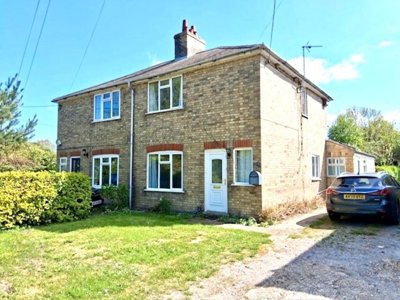
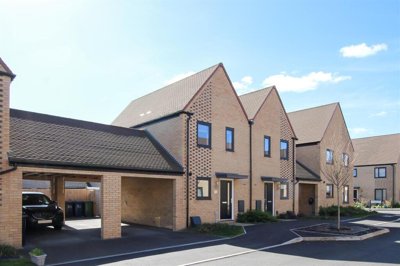
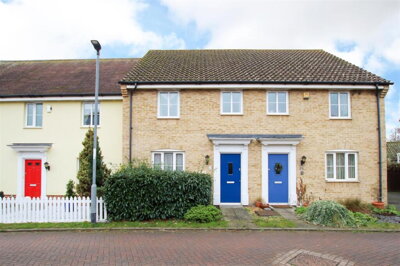
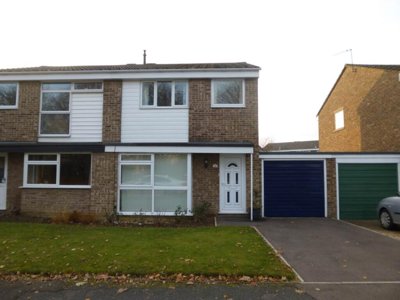
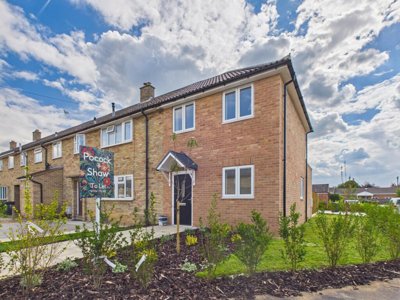
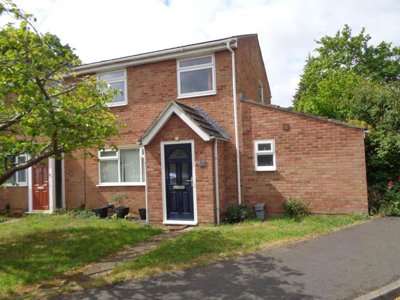
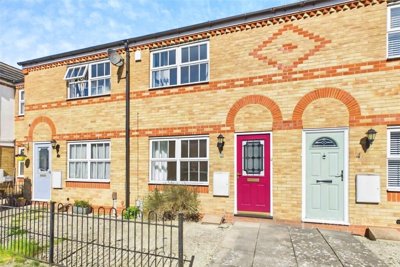
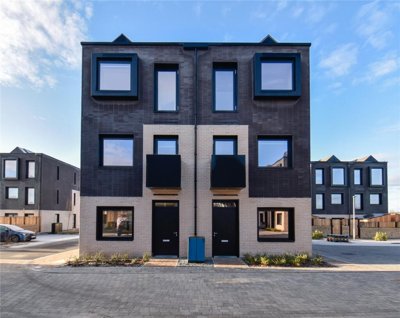
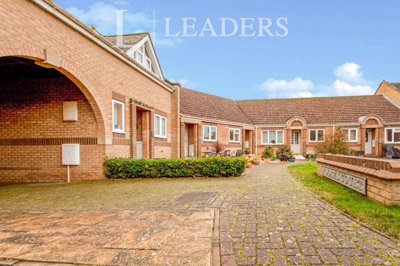
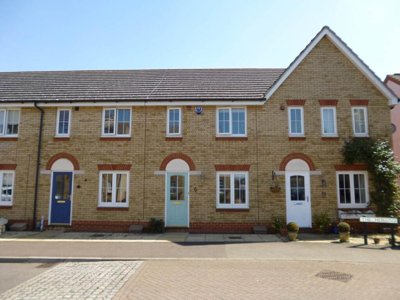
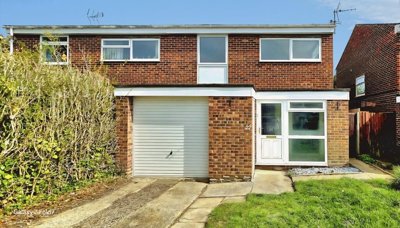
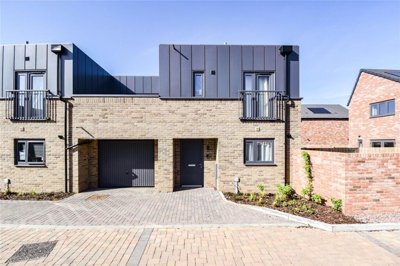
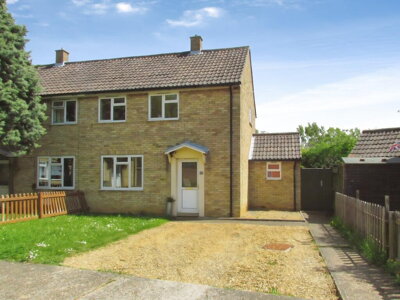
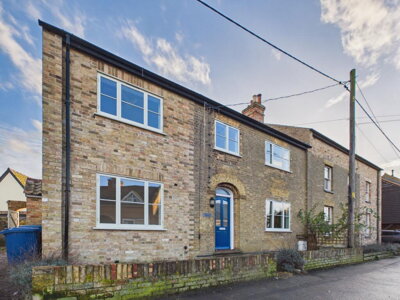
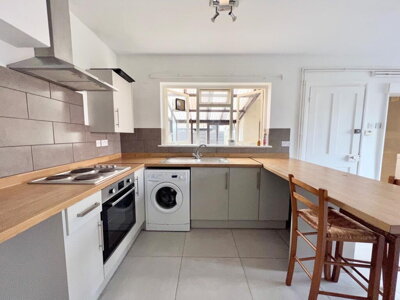
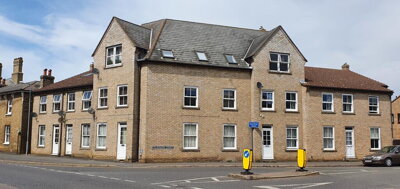
Browse 20 rental homes to rent in Cottenham, South Cambridgeshire from local letting agents.
£1,250/m
3
0
86
Source: home.co.uk
Source: home.co.uk
Flat
1 listings
Avg £900
Not Specified
1 listings
Avg £1,250
Semi-Detached
1 listings
Avg £2,500
Source: home.co.uk
Source: home.co.uk
Cottenham's housing market has kept moving steadily, with the overall average house price now £458,958 according to recent data from home.co.uk. That is a 1.1% rise over the past twelve months, which points to a stable local market that still draws both buyers and renters. Detached homes sit at the top end at £627,750 on average, while semi-detached properties average £400,000, terraced homes are £355,000, and flats are around £200,000. Those price points give useful context for renters, even though exact rents still need a direct conversation with local letting agents.
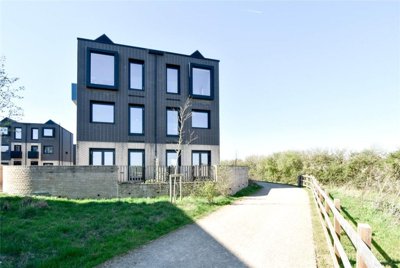
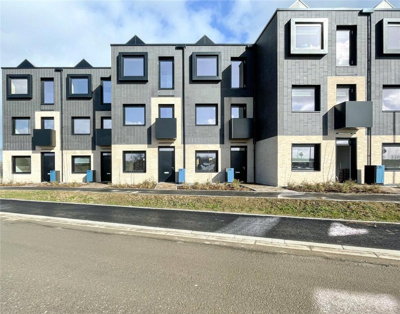
We can see two active new-build developments in Cottenham, each adding a different option to the local stock. The Limes by Davidsons Homes offers 2, 3, 4, and 5 bedroom homes, priced from £379,995 to £799,995, in the CB24 8UA area. There is also a development on Broad Lane by Laragh Homes, which brings a further mix of property sizes, although pricing needs direct enquiry. New schemes like these widen choice, and they may also feed the rental market as investors buy to let. Over the past twelve months, the market recorded 54 property sales, a sign of steady activity in this sought-after Fenland village.
House types have not all risen at the same pace over the last year. Detached homes are up by 0.8%, semi-detached properties by 1.3%, and terraced homes have seen the strongest growth at 1.4%. For renters, those shifts hint at where demand is strongest and where supply may loosen as owners decide to sell or let. With Cambridge commuters continuing to look this way, Cottenham stays competitive, and well-kept rental homes often draw several enquiries very quickly.

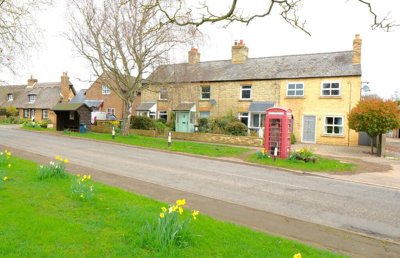
Cottenham feels unmistakably Fenland, set in a low-lying landscape of flat ground and drainage channels that are part of the historic water management system of the Fens. We see the village centre gather around the historic High Street and All Saints' Church, a Grade I listed building that dates back centuries and sits at the heart of the Conservation Area. Building styles vary too, from older brick and rendered homes made in the local tradition to newer developments that have pushed the village outward. Day to day, residents still have the basics close at hand, shops, pubs, and recreation spaces that serve the village well.
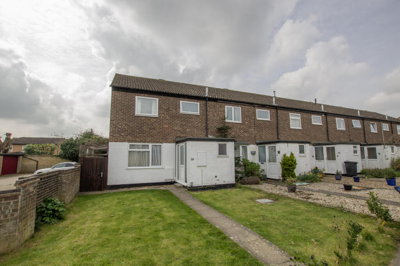
Census 2021 data shows Cottenham's housing stock at 39.1% detached properties, 33% semi-detached homes, 18% terraced houses, and 9.9% flats and apartments. The age profile is mixed as well, with 43.1% of homes built after 1980, 31% dating from the post-war period through to 1980, and the remaining quarter made up of properties built before 1945. That spread gives renters a good range, from characterful older homes to more modern accommodation. The population of 6,095 gives the village a familiar feel, where people tend to know one another, while Cambridge remains close enough for those working in technology, research, and healthcare.
Agriculture shaped the local economy for years, but now most residents head into Cambridge for work in technology, education, biotechnology, and healthcare. The University of Cambridge and its research institutions still pull in a large number of professionals, and employers on Cambridge Science Park and Cambridge Biomedical Campus rely on workers living in surrounding villages like Cottenham. There is also local work in retail, services, and light industry, which suits anyone wanting a shorter commute or part-time hours.

Families looking to rent in Cottenham will find a primary school in the village, with other primary choices in neighbouring villages. Secondary education usually means travelling to nearby towns, so transport to school is something we would plan for early. South Cambridgeshire gives access to a network of well-regarded schools, but catchment areas and admission arrangements need checking before a tenancy is agreed. It pays to look closely at the detail.
For older students, Cambridge and the surrounding area open up strong further and higher education options. The University of Cambridge and its colleges are world-renowned, while regional further education colleges offer vocational routes and A-level programmes. Many families come to Cottenham for exactly that reason, access to Cambridge's educational strengths without city-centre property costs. We would still confirm current school allocations with South Cambridgeshire local authority and think ahead to transport needs as children move through school.
Secondary school places can be competitive this close to Cambridge. Catchment areas matter, so the exact street where you rent will affect which schools your children can access. We always suggest visiting schools before you commit to a tenancy and reading the admissions criteria carefully, since some schools give priority to siblings of current pupils or follow faith-based rules.

Commuting from Cottenham is one of the village's strongest points. The A10 corridor sits nearby, giving direct road access to Cambridge city centre and north towards Ely and the wider Cambridgeshire area. Cambridge North railway station, with links to London Liverpool Street and Cambridge itself, is within reasonable reach, so rail travel stays practical for people working in the capital or elsewhere in the region. That position on key routes has played a big part in Cottenham's appeal to renters who want village life with city access.
Local bus services link Cottenham with Cambridge and the nearby villages, which gives people without cars a workable public transport option. Cycling is easier here too, thanks to the flat Fenland landscape, and more cycle routes now connect villages with Cambridge. Parking varies by property type, newer developments usually include allocated spaces, while older homes may depend on on-street parking. We would always weigh those commuting details against the way you actually live and work.
The flat ground of the Fens makes cycling to Cambridge far less punishing than a hilly route would be. Plenty of residents choose to cycle, especially in summer, and the village is tied into the wider Cambridgeshire cycle network. Drivers can use the A10 for fairly quick access to Cambridge city centre, though the approach roads can clog up at peak times. The A14 is close enough as well, which opens up travel to other employment centres in the region.

Before you start viewing, we recommend getting a rental budget agreement in principle from a financial provider. It shows letting agents that you can afford the rent and gives you a clear ceiling for monthly spending, usually worked out as your gross annual income divided by 40 for most rental scenarios.
A bit of time spent exploring the village is well worth it before you settle on a street or property type. Think about how close you need to be to schools, transport links, and local amenities. The flat Fenland terrain is worth seeing for yourself, as is the community feel, which can change from one part of the village to another.
Once you have a shortlist, we arrange viewings through local letting agents. It helps to see a property at different times of day, so you can judge noise, light, and the feel of the street. Ask about tenure too, because some homes are leasehold and may carry extra costs.
For older homes, or any property that gives cause for concern, a RICS Level 2 Survey is often a sensible step before you commit. In Cottenham, these usually cost between £400 and £700 depending on property size and complexity. Given that a large share of homes were built before 1980, a survey can pick up issues linked to the local geology, construction methods, and age-related defects.
After you have chosen a property, the letting agent will ask for references, proof of identity, and right to rent paperwork. We would allow time for that, as the process normally includes credit checks, employment verification, and landlord references from previous tenancies.
Once referencing is complete, you sign the tenancy agreement, pay your deposit, typically five weeks' rent capped at five weeks' rent under the Tenant Fees Act 2019, and collect the keys to your new home. At that point, we would also go through a detailed inventory check.
Cottenham's ground conditions matter as much as the house itself. The village sits on clay-rich alluvial deposits, so there is a shrink-swell risk for property foundations. Homes built before 1980 may have shallower foundations that can be affected by extreme weather conditions, whether prolonged wet periods or drought. When we look at older properties, we check for cracking, damp, or movement that could point to foundation issues, and we would not hesitate to ask for a RICS Level 2 Survey where a home is old or shows signs of concern.
Our surveyors often find foundation movement in Cottenham properties, especially those built before 1980 when construction standards were different from today. The clay soils below expand and contract as moisture levels change, and older homes with shallower footings are more vulnerable to that movement. We recommend checking internal walls for diagonal cracking, or cracking that starts from door frames, since those patterns can point to subsidence or heave. External brickwork should be inspected for step cracking too, particularly above door and window openings where stress tends to gather.
Surface water flooding is another point we look at in the Fenland landscape. Because Cottenham is low-lying, some parts of the village face higher flood risk, especially during heavy rainfall when the drainage systems come under pressure. Check the Environment Agency flood maps for the exact area and ask letting agents or landlords about any flood history. Newer developments may have better drainage, while older homes in certain locations need closer attention. That is not a reason to rule Cottenham out, just a prompt to judge each property on its own risk profile.
In a period home inside or near the Conservation Area, planning restrictions can come into play. Listed buildings need special permissions for works that could affect their character. These homes have real charm, but they can also bring higher maintenance costs and fewer options for tenant changes. Knowing that before you sign keeps misunderstandings at bay and helps you pick a home that fits your needs.
Older Cottenham properties often bring the same set of issues, damp, outdated electrics, and plumbing, and our surveyors see them regularly. Homes built before the 1980s may still have electrical systems that fall short of current standards, with wiring that is worn or not up to modern demand. Check that the consumer unit is modern and clearly labelled, and look for signs of rewiring, such as new socket positions or pendant light fittings. Plumbing may also involve galvanised steel or lead pipes, both of which can corrode and leak. You would not always spot that on a viewing, which is why a RICS Level 2 Survey is so useful before you commit.

Exact rental prices need direct enquiry with local letting agents, because they move with property type, condition, and demand. Even so, the sales market gives a useful guide, with average prices ranging from £200,000 for flats to £627,750 for detached homes. Rents in Cottenham usually sit below those purchase figures, with monthly amounts generally starting around £900 for one-bedroom flats and rising to over £2,000 for larger family homes. Strong commuter demand from Cambridge workers keeps rental values competitive, and we recommend checking current listings on home.co.uk for the clearest picture of available rental homes and their asking prices.
Council tax in Cottenham is handled by South Cambridgeshire District Council. Bands vary by property according to its assessed value, so we would always check the exact band for any home you are considering. The council provides online tools that let you search by address. Council tax needs to sit in your budget alongside rent, and some homes will fall into higher bands because of their size and value. For current bandings, discounts, or exemptions, contact South Cambridgeshire District Council directly.
Cottenham has a primary school serving the local community, and the exact one depends on your home address and catchment area. For secondary education, families usually travel to schools in nearby villages or Cambridge itself, so it is essential to check current admission arrangements with South Cambridgeshire local authority. The village's proximity to Cambridge gives access to well-regarded secondary schools and sixth form colleges, although travel needs to be planned around that. We would research individual school performance, Ofsted ratings, and admission policies before settling on a rental property, because places are allocated by address and catchment areas.
Public transport, road links, and cycling all give Cottenham plenty of choice. Local bus routes connect the village with Cambridge and the surrounding settlements, which helps residents without cars. By road, the A10 gives easy access to Cambridge city centre and north towards Ely. Cambridge North railway station, with regular services to Cambridge, London Liverpool Street, and Birmingham, is accessible from Cottenham. The flat Fenland terrain also keeps cycling viable for many residents, with the ride to Cambridge relatively straightforward. Anyone relying entirely on buses should check exact times and routes, though, because services can be more limited than in urban areas.
Cottenham offers a strong mix of village character, community atmosphere, and easy access, which is why it stays popular with renters, especially people working in Cambridge or nearby. The population of around 6,095 gives it a village feel, while local amenities and transport links remain solid. Housing ranges from period homes to modern builds, so different budgets and tastes are covered. Cambridge's economic pull keeps demand for Cottenham rentals high, and that can mean a competitive market for the better properties. For anyone wanting quieter village living without losing access to urban jobs and amenities, Cottenham is a very good fit within South Cambridgeshire.
Under the Tenant Fees Act 2019, deposits for rental properties are capped at five weeks' rent where the annual rent is less than £50,000. For most Cottenham homes, that means a deposit of roughly £1,000 to £2,500 depending on the monthly rent. Permitted fees are limited to rent, deposit, utilities, and certain other specified costs. Holding deposits are capped at one week's rent and are refundable against your tenancy deposit or rent. We would budget for the first month's rent in advance, the deposit, and any costs for referencing checks and an inventory report. Always ask your letting agent for a full cost breakdown before you commit.
Cottenham's low-lying Fenland position means surface water flood risk matters in some streets, especially in periods of heavy rainfall when drainage systems face extra demand. The village is not exposed to coastal flooding, but it does sit within the historic drainage system of the Fens. Check Environment Agency flood maps for the exact area you are considering and ask landlords or agents about any flooding history. Newer developments may benefit from improved drainage, while lower-lying spots near drainage channels deserve particular care. Insurance can be more expensive in flood-risk areas, and your landlord should tell you about any known flood risk.
Because more than half of Cottenham's homes were built before 1980, issues such as damp, outdated electrics, and plumbing turn up quite often in older properties. We would look for damp, especially on ground floors and in basements, check the condition of roofs on period homes, and inspect window frames and doors for timber decay. Electrical consumer units should have recent certification. The local clay geology also means looking for cracking that could point to subsidence or heave, especially where older properties may have shallower foundations. A RICS Level 2 Survey can pick up these issues before you commit, which may save substantial costs and give you useful negotiating points with landlords.
Cottenham's housing stock reflects several different building eras. Older homes built before 1945 often have solid brick walls with lime mortar, clay tile or slate roofs, and timber floor structures. Properties from the post-war period through 1980 usually use cavity wall construction with brick outer leaves and concrete tile roofs, which insulates better than the older methods. Homes built after 1980 tend to follow modern standards, with improved insulation, uPVC windows, and stronger foundations designed to cope with the local clay soils. Each type brings different maintenance points, and a professional survey can pick them out before you commit to a tenancy.
Cottenham gives a far more affordable entry point to the South Cambridgeshire property market than Cambridge itself, where average prices routinely exceed £500,000 for any reasonable family home. It still offers similar access to Cambridge employment and amenities, but at lower rental values, which is exactly why it appeals to renters who might otherwise struggle with city-centre rents. That gap in cost has kept demand strong, particularly among commuters working in Cambridge's technology and research sectors. The village has also seen steady price growth of around 1.1% annually, so the market has stayed stable rather than swinging sharply the way some urban areas do.
We always advise looking beyond the headline rent when budgeting for a Cottenham home. Your deposit, capped at five weeks' rent under the Tenant Fees Act 2019 for properties with annual rent below £50,000, must be paid before or at the start of the tenancy. That deposit is protected in a government-approved scheme within 30 days of receipt, and you should be given the protection details as a tenant. Other upfront costs can include the first month's rent, any holding deposit already paid, and fees for referencing checks and credit reports. Some agents may charge for inventory reports, although those charges are limited under tenant fee rules.
Once you move in, the bills begin to matter just as much as the rent. Council tax, utility bills, and internet services all become your responsibility as a tenant. Homes with stronger energy efficiency ratings cost less to heat, so the Energy Performance Certificate (EPC) is worth checking at viewings. In older Cottenham properties, particularly those built before 1980, heating bills may be higher because insulation is less effective. Leasehold homes such as apartments may also carry service charges and ground rent, so we would ask about those before you commit. A sensible rental budget needs to cover all of that, not just the monthly rent.
Energy performance varies a lot across Cottenham's mixed housing stock, with older period homes often scoring lower EPC ratings than modern developments. The Limes development and other newer builds usually achieve better ratings thanks to modern insulation standards and efficient heating systems. If you are looking at a period property, especially one built before 1945 with solid walls, we would think about the cost of supplementary heating and whether loft or wall insulation is available. Those details affect monthly bills, day-to-day comfort, and the environmental impact of the home.
Properties to Rent In London

Properties to Rent In Plymouth

Properties to Rent In Liverpool

Properties to Rent In Glasgow

Properties to Rent In Sheffield

Properties to Rent In Edinburgh

Properties to Rent In Coventry

Properties to Rent In Bradford

Properties to Rent In Manchester

Properties to Rent In Birmingham

Properties to Rent In Bristol

Properties to Rent In Oxford

Properties to Rent In Leicester

Properties to Rent In Newcastle

Properties to Rent In Leeds

Properties to Rent In Southampton

Properties to Rent In Cardiff

Properties to Rent In Nottingham

Properties to Rent In Norwich

Properties to Rent In Brighton

Properties to Rent In Derby

Properties to Rent In Portsmouth

Properties to Rent In Northampton

Properties to Rent In Milton Keynes

Properties to Rent In Bournemouth

Properties to Rent In Bolton

Properties to Rent In Swansea

Properties to Rent In Swindon

Properties to Rent In Peterborough

Properties to Rent In Wolverhampton

Enter your details to see if this property is within your budget.
Loans, cards, car finance
Estimated property budget
Borrowing + deposit
You could borrow between
Typical borrowing
Monthly repayment
Est. at 4.5%
Loan-to-value
This is an estimate only. Your actual budget may vary depending on interest rates, credit history, and personal circumstances. For an accurate affordability assessment, speak to one of our free mortgage advisors.
This calculator provides estimates for illustrative purposes only and does not constitute financial advice. Your home may be repossessed if you do not keep up repayments on your mortgage. Estimates based on 4.5% interest rate, repayment mortgage. Actual rates depend on your circumstances.
Homemove is a trading name of HM Haus Group Ltd (Company No. 13873779, registered in England & Wales). Homemove Mortgages Ltd (Company No. 15947693) is an Appointed Representative of TMG Direct Limited, trading as TMG Mortgage Network, which is authorised and regulated by the Financial Conduct Authority (FRN 786245). Homemove Mortgages Ltd is entered on the FCA Register as an Appointed Representative (FRN 1022429). You can check registrations at NewRegister or by calling 0800 111 6768.

We use cookies to show you personalised content and improve your experience of our website. Find out more in our Privacy policy and Cookie policy.