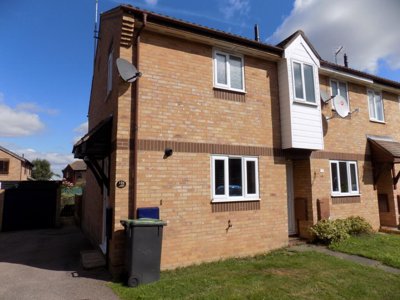
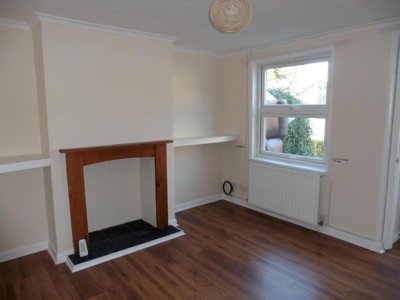
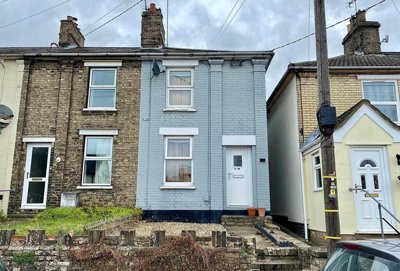
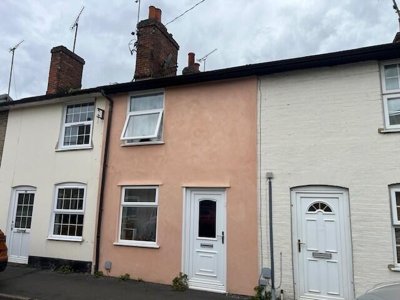
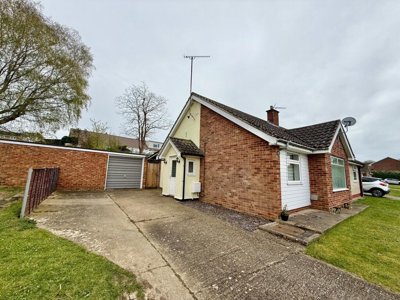
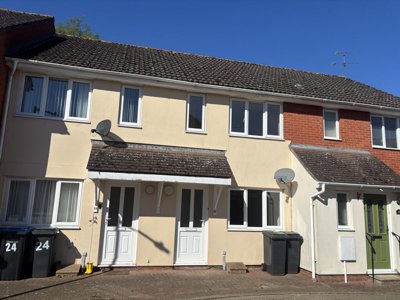
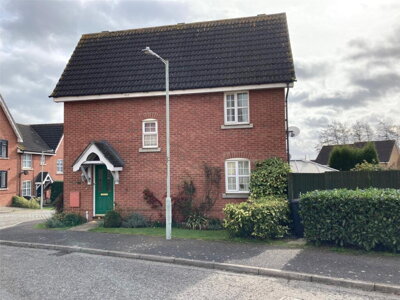
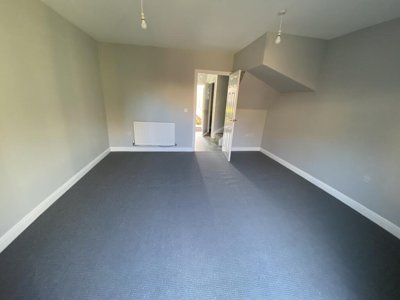
Browse 8 rental homes to rent in Combs, Mid Suffolk from local letting agents.
The 2 bed house market features detached, semi-detached, and terraced properties with two separate bedrooms plus living spaces. Properties in Combs range from Victorian and Edwardian period homes to modern new builds, with pricing varying across different neighbourhoods.
£0/m
0
0
0
Source: home.co.uk
Showing 0 results for 2 Bedroom Houses to rent in Combs, Mid Suffolk.
Combs in Mid Suffolk has a rental mix that feels surprisingly broad for a village of its size. Semi-detached homes form the mainstay of what is available, with recent sales data putting this type at around £261,875. Detached family houses sit higher, often at £510,000 or more, which hints at the sort of premium that comes with extra space and bigger gardens. Then there are the terraced cottages, some with thatched roofs and a history reaching back to around 1880, giving renters a proper slice of traditional Suffolk architecture at a more accessible level. In practice, that means there is room here for compact starter homes as well as substantial period places, depending on budget and how much space is needed.
Recent market trends in the Combs, Stowmarket IP14 postcode show prices have settled by approximately 32% against the previous year, and they are also 28% below the 2023 peak of £480,750. That shift has opened up a little more flexibility in the local rental scene, as some landlords look harder for reliable tenants. Hubbards Close is the standout new-build scheme, with contemporary semi-detached homes finished to a high standard and laid out with a modern feel. Across Combs, houses usually sit under traditional brick walls and tiled roofs, while older cottages may bring in reclaimed materials that add their own character. It pays to weigh up parking, garden size and how close a place is to village amenities before deciding between properties.
There is often decent value here for tenants prepared to stay put for longer. Landlords in Combs tend to prefer stable, long-term occupiers who look after the property, so that can work in favour of applicants who want to settle. Moats Tye and the surrounding lanes are full of period touches that appeal to people after genuine Suffolk countryside living, not a polished imitation. Because semi-detached homes outnumber detached ones, families can sometimes secure a larger house at a rate that still compares well with more urban parts of Suffolk.

Combs, Mid Suffolk, has the feel of a classic English village, with a close community and Suffolk countryside rolling away around it. Its character comes from a mix of historic homes, including Grade II listed buildings and period cottages along quiet lanes. You can see layers of development everywhere, from Victorian farmhouses to thatched cottages built in the old way with reclaimed materials. Families, professionals and retirees are all drawn here, helped by the peaceful setting, good schools and that strong local network people talk about. Everyday life is covered too, with pubs, village shops and recreational facilities all on hand without needing a trip into a larger town.
The wider Mid Suffolk landscape is ideal for getting out and about, with footpaths, bridleways and public rights of way threading through the countryside. Residents can follow trails linking Combs with Great Finborough and Beyton, taking in working farmland and long-established hedgerows on the way. The Suffolk Heritage Coast is within reach, although the village is far enough inland to avoid the coastal flooding worries that affect some nearby places. Village life tends to revolve around events, clubs and social gatherings, which keeps people connected. Stowmarket is close enough for larger shops, healthcare and entertainment, yet Combs still keeps that quieter pace that makes village living attractive.
Combs also benefits from its place in the Stowmarket commuter catchment, so the local economy is tied into retail, manufacturing and service work. Home-based businesses and artisan enterprises add to the mix, giving the village a balanced feel where professionals and tradespeople live alongside one another without much fuss. Weekend markets in Stowmarket bring in local produce and crafts, while the town’s regular events attract visitors from across Mid Suffolk. Back in the village, the public house, community hall and playing fields give residents somewhere to gather, join activities and follow local sports teams and youth groups through the year.

For families with children, education is a major consideration in Combs, Mid Suffolk, and the surrounding area has options across every age group. Primary schooling in the village and nearby communities is well regarded, with good Ofsted ratings giving parents confidence in the early years. Most children living in Combs attend schools within a three-mile radius of the village centre, which keeps the school run manageable. Families also speak well of primaries in Stowupland, Great Finborough and Woolpit, where early years assessments and key stage one results have stayed consistently positive.
Secondary education comes from schools across the wider Mid Suffolk area, and several are within a reasonable commute of Combs. Most students head to Stowmarket for this stage, where Stowmarket High School and county lines provide comprehensive education pathways. For those who pass the selection process, grammar schools in neighbouring Bury St Edmunds open up academic routes, with regular bus services linking Combs to those schools. Comprehensive schools in Stowmarket and Ipswich offer broad curricula for all abilities and interests, including specialist units for students with particular learning needs or talent in specific subjects.
If a move to Combs is being considered with children in mind, school catchment areas deserve close attention, since admission policies usually favour pupils living inside set zones. Parents should also check current school performance data, including GCSE results and progress measures, on the Ofsted website before making decisions. Sixth form and further education in nearby Stowmarket and Bury St Edmunds widen the choice for older students, with A-levels, vocational courses and apprenticeship options available. Early years childcare in Combs and the surrounding villages supports working families too, with breakfast clubs, after-school care and holiday schemes to suit different patterns of work.

Combs, Mid Suffolk, has a rural setting, but the transport links are better than many people expect. Stowmarket railway station is close enough to be practical, and it offers regular trains to Cambridge, Ipswich and London Liverpool Street on the Ipswich to Cambridge line. London journey times are usually around 90 minutes to two hours, which keeps the village in play for people who work in the capital but want to live in the countryside. Trains to Ipswich take approximately 20 minutes, opening up the county town’s jobs, shops and cultural life. Cambridge is around an hour away, which suits commuters working in technology, academia or research.
Road travel is straightforward too, with the A14 trunk road giving access to Felixstowe port, Ipswich, Bury St Edmunds and the wider motorway network across East Anglia. The road passes north of Stowmarket and provides dual carriageway links to Felixstowe and the industrial areas of Haughley and Beyton. From the village, the A1120 is the route out to the A14, and it is a scenic run through the Suffolk countryside that avoids the busiest stretches of the main road. For flights, Norwich Airport is about an hour away for domestic and European routes, while Stansted Airport can usually be reached in around 90 minutes via the M11 motorway.
Local bus services link Combs with Stowmarket, which is useful for residents without cars who still need town centre shops, larger supermarkets and onward transport. The 88 bus service runs regular journeys between the village and Stowmarket, calling at important stops such as the railway station and the town centre. Weekends and school holidays can mean fewer buses, so a car is helpful for people with irregular schedules or family commitments. Parking also varies from property to property, with houses often offering off-street spaces and flats sometimes relying on communal or limited parking. As you compare rentals, think about how you actually travel and build journey time and cost into the wider budget, particularly for commuting to London or Cambridge.

Before viewing properties in Combs, we advise getting a rental budget agreement in principle from a lender or mortgage broker. It shows landlords and letting agents that the monthly rent is affordable, and it normally involves proof of income plus credit checks. Having that in place marks an applicant out as serious and can speed the process along quite a bit. These agreements usually stay valid for 60 to 90 days, so timing matters when starting the search.
Take time to explore Combs, Mid Suffolk, before making a decision, so the village’s character, amenities and transport links are clear in your mind. A stop at The Crown gives a feel for village social life, and it is worth checking the nearby schools and walking the streets to see whether the setting suits your routine. Council tax bands can be checked through Mid Suffolk District Council, which helps with working out monthly outgoings beyond rent. It is also sensible to drive the local roads at rush hour, just to see what commuting really looks like in practice.
We use Homemove to browse available rentals in Combs and arrange viewings with listed agents. Go to each viewing with the budget agreement paperwork ready, and bring questions about the property’s condition, tenancy terms and any other requirements that matter. Photos help when comparing places later, especially if several homes start to blur together. Ask directly about the boiler age, recent repairs and any problems the current tenants have had during their stay.
Once a property has been chosen, the letting agent will usually ask for tenant referencing, which includes credit checks, employment verification and landlord references if there have been previous rentals. Some homes may also need a guarantor or a larger security deposit, depending on circumstances. It is sensible to read the fees carefully before moving ahead. References normally take five to ten working days, and during that period it is best not to commit to anything else.
Before moving in, ask for a professional inventory check so the property’s condition is recorded and the deposit is protected. Read the tenancy agreement closely, paying attention to the deposit protection scheme, notice periods and any special conditions. Sign and return all required paperwork to secure the rental in Combs. On the day you move in, take meter readings straight away and pass them to the utility providers immediately, so you are not billed for the previous tenant’s usage.
Renting in Combs, Mid Suffolk, calls for a bit of attention to details that matter more in a rural village than they might in a town. Many homes are period properties, so they come with older construction methods, solid walls and traditional features that need a different approach to maintenance from modern buildings. Thatched cottages and Victorian farmhouses have plenty of character, but they can also bring higher heating bills and more frequent upkeep than newer homes. Knowing the construction materials, roof type and insulation standards helps renters plan for running costs and anticipate possible repairs during the tenancy. Older houses here often have reclaimed brickwork, original floorboards and sash windows, all of which need careful upkeep and add a good deal to the charm of the place.
Certain properties in Combs are affected by conservation area restrictions and listed building status, which limits what tenants can change while living there. Grade II listed homes like those in Moats Tye have lovely period features, but landlord approval is needed before alterations, even down to picture hanging in some locations. Any planned decoration or minor change is best discussed before the tenancy agreement is signed, otherwise it can cause arguments later. Mid Suffolk District Council, as the local planning authority, keeps records of listed buildings and conservation area boundaries, and those can be checked before committing to a property.
Flood risk in Combs is relatively low compared with coastal parts of Suffolk, although it is still wise to check exact locations and drainage patterns for each home. The village sits on slightly higher ground than the surrounding countryside, which gives it some natural protection from flooding by watercourses. Ground conditions across Mid Suffolk generally involve chalk, clay and sand geology, all of which can affect foundations and subsidence risk in older properties. Homes built on clay soils may show movement during dry spells or after tree root activity, so a ground conditions report is worth asking for with older stock. An Energy Performance Certificate is also useful, since it shows insulation standards and likely energy costs before a tenancy begins, and older period properties are often rated D or E because of their solid wall construction.

Knowing the main property types in Combs makes the search much easier to narrow down. The housing stock is roughly split between semi-detached homes, which make up the bulk of residential property, detached family houses with larger gardens, and terraced cottages, including several thatched properties along the historic lanes. Semi-detached homes here usually date from the interwar period through to newer construction, and many offer two to four bedrooms with practical layouts that suit families well. Traditional brick elevations beneath clay tile roofs are common, and the better-kept examples often still have fireplaces, picture rails and built-in cupboards that add real character.
Detached homes in Combs sit at the top end of the village for value and rent, and many of them date from the Victorian and Edwardian periods when larger houses were in fashion. These are usually substantial properties with four or more bedrooms, generous reception rooms and wide gardens, which is why they appeal to families who need space outdoors. A good number occupy prominent spots with countryside views, giving them a rural setting that is hard to copy in a town. There are also several unusual homes here, from converted farm buildings to distinctive designs that reflect the taste of the original owners.
Thatched cottages are among the most desirable rentals in Combs, and their roofs need specialist maintenance that landlords usually arrange through experienced contractors. Houses dating to around 1880 often use local materials and have thick walls, which gives them strong thermal mass and helps regulate indoor temperatures through the year. Low ceilings, exposed beams and inglenook fireplaces are common, and they create compact living spaces with plenty of atmosphere. Prospective tenants should also bear in mind that thatched properties can carry higher insurance premiums and need more regular maintenance than standard homes, and that may be reflected in the rent.
We did not find specific rental price data for Combs in our research, but the broader Combs, Stowmarket IP14 area shows average sold prices of approximately £344,583, with semi-detached homes averaging £261,875 and detached houses around £510,000. Annual rental costs often sit between 0.8% and 1.2% of value, so semi-detached homes might come in at £1,750-£2,600 per month, while detached homes could ask £3,400-£5,100. Actual rent depends on condition, location and how competitive the market is at the time, with village centre homes usually fetching more than those on the edge. For accurate up-to-date figures on specific homes currently available in Combs, contact local letting agents.
Homes in Combs sit under Mid Suffolk District Council, and council tax bands run from A through to H depending on the property’s value and type. Band A properties usually pay around £1,200-£1,400 a year, while Band D homes may sit at £1,600-£1,900 annually, with higher bands rising proportionately. Most period cottages and smaller semi-detached homes in Combs fall into bands A to C, whereas the larger detached houses are more often rated in bands D through F. Specific band details can be checked on the Valuation Office Agency website or on the tenancy agreement. Council tax normally rises each year in line with inflation and local authority funding needs.
Several well-regarded primary schools are within easy reach of Combs and the surrounding part of Mid Suffolk, including schools in Stowupland, Great Finborough and Woolpit. Current Ofsted ratings and school performance data should always be checked directly on the Ofsted website, since a new inspection can change things quickly. Secondary education options include Stowmarket High School, which serves the main town and nearby villages such as Combs, and there are additional schools across the wider area. In Bury St Edmunds, King Edward VI School and St Mary’s give grammar school routes for pupils who pass the selection process, with dedicated school bus services running from Combs. Parents should also look at the latest catchment areas through Suffolk County Council’s school admissions portal, because boundaries can shift each year and affect the offer made.
Public transport from Combs is mainly built around bus services into Stowmarket, where residents can use the railway station for direct trains to Ipswich, Cambridge and London Liverpool Street. The 88 bus route is the main public link, running between Combs, Stowmarket town centre and the railway station at regular points through the day. Services can be thinner on weekends and in the evenings, so owning a car is helpful if the aim is to make the most of rural living and keep family routines flexible. The nearby A14 trunk road gives road access to Felixstowe port, Ipswich and Bury St Edmunds, and the junctions nearby make the national motorway network fairly easy to reach. By car, Cambridge is usually about one hour away, while London can be reached in approximately two hours via the M11.
For renters after countryside living with sensible links to bigger towns and cities, Combs offers a strong quality of life. It combines historic character with a lively community spirit, access to good schools and some very attractive countryside, which makes it a natural fit for families and anyone wanting peace away from urban congestion. The recent price adjustments across the broader IP14 postcode area have created steadier market conditions, and that may open up more rental opportunities as landlords respond to the changing picture. Stowmarket is close enough to cover the essentials, with supermarkets, healthcare and rail connections on hand, while Combs still keeps the calm, rural Suffolk feel that makes village life so appealing.
In England, standard deposits for rental homes equal five weeks' rent, capped at five weeks' rent where the annual rent goes above £50,000. For a property at £1,800 per month, expect a deposit of roughly £4,150-£5,000, held in a government-approved deposit protection scheme for the duration of the tenancy. Most tenant fees were banned for AST tenancies after the Tenant Fees Act 2019, though reasonable costs can still apply for referencing, guarantor arrangements or early termination where the tenancy agreement allows it. Other costs to factor in include council tax, utility bills, internet connection fees and contents insurance, which together can add £200-£400 a month depending on the size of the property and how it is used. Before signing anything, ask for a full breakdown of all likely costs and check which deposit protection scheme the landlord is using.
The Hubbards Close development is the most notable new-build scheme in Combs, with contemporary semi-detached homes finished in a modern style and to a high standard. These properties offer an alternative to the village’s older housing stock, and they tend to appeal to renters who want modern specifications without the upkeep that comes with period homes. Most rentals in Combs are still drawn from existing stock, including Victorian and Edwardian houses, interwar semi-detached homes and character cottages around the village centre. New development has been limited in recent years, which has helped preserve the village’s character and support property values despite broader swings in the IP14 postcode area.
From 4.5%
Start by understanding your borrowing capacity.
From £75
Credit checks and employment verification for tenants
From £95
Professional condition report to protect your deposit
From £85
Energy performance certificate for rental properties
Sorting out the full cost of renting in Combs, Mid Suffolk, means looking beyond the monthly rent and planning for deposits, fees and everyday expenses that affect affordability. The usual deposit equals five weeks' rent for homes with annual rents below £50,000, and that is also the legal cap for higher-value rentals. It must be protected in a government-approved scheme within 30 days of receipt, and you should be given the prescribed information about the scheme used. At a monthly rent of £2,000, the deposit would be about £4,300, held during the tenancy and returned at the end minus any legitimate deductions.
Renting in Combs also means allowing for council tax payable to Mid Suffolk District Council, together with gas, electricity and water bills, plus internet and phone services. Energy bills vary a lot from one home to another, and older period cottages usually cost more to heat than modern semi-detached houses because of their solid wall construction and less comprehensive insulation. Contents insurance is well worth having to protect belongings, and it usually costs £10-£25 per month depending on cover and the value of the items insured. Setting aside a contingency fund equal to two months' rent gives a useful buffer for anything unexpected during a tenancy in Combs.
Moving costs are a one-off expense and can range from £300 to £2,000 depending on how much needs to be moved and the distance involved, with local removal firms serving the Stowmarket area offering competitive rates for village moves. If a self-move is better, van hire in Stowmarket starts at around £50 per day, with mileage charges added on top. Utility connection fees for broadband and electricity can add another £50-£100 to the first bill, although some providers do offer free installation or activation deals for new customers. Planning for those extra costs means the move into a Combs rental is less stressful, and it is easier to settle into village life from the start.
Properties to Rent In London

Properties to Rent In Plymouth

Properties to Rent In Liverpool

Properties to Rent In Glasgow

Properties to Rent In Sheffield

Properties to Rent In Edinburgh

Properties to Rent In Coventry

Properties to Rent In Bradford

Properties to Rent In Manchester

Properties to Rent In Birmingham

Properties to Rent In Bristol

Properties to Rent In Oxford

Properties to Rent In Leicester

Properties to Rent In Newcastle

Properties to Rent In Leeds

Properties to Rent In Southampton

Properties to Rent In Cardiff

Properties to Rent In Nottingham

Properties to Rent In Norwich

Properties to Rent In Brighton

Properties to Rent In Derby

Properties to Rent In Portsmouth

Properties to Rent In Northampton

Properties to Rent In Milton Keynes

Properties to Rent In Bournemouth

Properties to Rent In Bolton

Properties to Rent In Swansea

Properties to Rent In Swindon

Properties to Rent In Peterborough

Properties to Rent In Wolverhampton

Enter your details to see if this property is within your budget.
Loans, cards, car finance
Estimated property budget
Borrowing + deposit
You could borrow between
Typical borrowing
Monthly repayment
Est. at 4.5%
Loan-to-value
This is an estimate only. Your actual budget may vary depending on interest rates, credit history, and personal circumstances. For an accurate affordability assessment, speak to one of our free mortgage advisors.
This calculator provides estimates for illustrative purposes only and does not constitute financial advice. Your home may be repossessed if you do not keep up repayments on your mortgage. Estimates based on 4.5% interest rate, repayment mortgage. Actual rates depend on your circumstances.
Homemove is a trading name of HM Haus Group Ltd (Company No. 13873779, registered in England & Wales). Homemove Mortgages Ltd (Company No. 15947693) is an Appointed Representative of TMG Direct Limited, trading as TMG Mortgage Network, which is authorised and regulated by the Financial Conduct Authority (FRN 786245). Homemove Mortgages Ltd is entered on the FCA Register as an Appointed Representative (FRN 1022429). You can check registrations at NewRegister or by calling 0800 111 6768.

We use cookies to show you personalised content and improve your experience of our website. Find out more in our Privacy policy and Cookie policy.