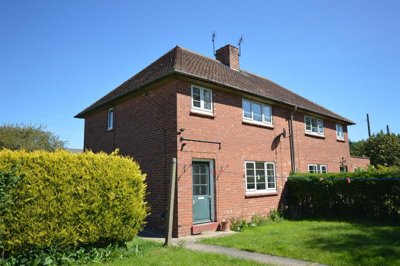
Browse 1 rental home to rent in Coleby, North Kesteven from local letting agents.
Three bedroom properties represent a significant portion of the Coleby housing market, offering space for families with multiple reception rooms and gardens in many cases. Browse detached, semi-detached, and terraced options ranging from period character homes to contemporary developments.
£0/m
0
0
0
Source: home.co.uk
Showing 0 results for 3 Bedroom Houses to rent in Coleby, North Kesteven.
LN5
Postcode
North Kesteven
District
Lincoln (10 miles)
Nearby City
Detached & Semi-Detached
Housing Type
£364,000 - £430,000
Average Property Value
Coleby’s rental market mirrors the feel of this small Lincolnshire village, with traditional detached and semi-detached homes far more common than modern flats. Average house prices sit around £364,000 according to home.co.uk listings data, although homedata.co.uk puts the figure at £430,000. Values have moved around too, with prices up 1% year-on-year but still 28% below the 2022 peak of £503,095, so long-term renters may find the future purchase picture quite interesting.
We see a mix of detached homes averaging £430,000, semi-detached properties around £298,000, and terraced houses at roughly £335,000. Converted barns and old farm buildings add real character to the local stock, including one notable 17th-century converted farm building currently listed in the area. Grade II Listed homes, among them those linked to the Coleby Hall Estate, deepen the village’s architectural appeal for anyone drawn to period features and original details. Rents here usually buy more space than you’d get in town, with gardens and rural outlooks helping to justify the premium over a city-centre flat.
Detailed rental figures for Coleby are thin on the ground, but the market does point to a familiar pattern, smaller terraced homes and compact properties sit at the more accessible end, while larger detached houses command the higher rents. Many homes use the stone and brick construction you’d expect in historic Lincolnshire villages, and that older fabric often comes with fireplaces, exposed beams, and mature gardens. For the latest figures, we would still check Coleby, Lincolnshire listings on property portals, as they give the clearest live picture of what is available and what it costs.
Coleby has a history-rich, green setting that makes it attractive to renters who want a quieter corner of the English countryside. Part of Lincolnshire’s North Kesteven district, it brings together rolling farmland, traditional stone cottages, and the kind of close-knit community feel that newcomers tend to notice quickly. There is a traditional public house at the centre of village life, and the historic church adds to the sense of permanence. For many residents, the appeal lies in the everyday rhythm of a place where local events and long-standing traditions still matter.
As a small Cliff village, Coleby stays intimate in scale, and its homes reflect traditional Lincolnshire building methods, with local stone and brick used throughout. Barn conversions and Listed properties sit alongside the older cottages, so the village keeps much of its architectural heritage intact. The flat countryside makes walking and cycling especially popular, with easy routes for short hops and longer leisure rides across the farmland. We could not verify exact population figures for Coleby, but the scale of the place suggests a community where people know one another and where local events bring everyone together across the year.
Living here does involve a few compromises compared with town life. For everyday shopping, a trip to a nearby town is usually needed, and entertainment is limited to what the village itself can offer. What residents get in return is cleaner air, lighter traffic, darker skies, and a slower pace that many people find far healthier. Lincoln is only about 10 miles away, so restaurants, cinema trips, and specialist shops remain within easy reach when you need them.

Even with its modest size, Coleby covers some of the basics well. The village primary school serves younger children locally, and the traditional pub gives people somewhere to meet over food, drinks, and community occasions. The historic church works both as a place of worship and as a local landmark, with services and events that continue to draw residents together. Those amenities give the village a useful degree of self-sufficiency, along with a strong sense of community.
For bigger shops and a wider choice of services, residents tend to head to Lincoln, Sleaford, or Newark. In Lincoln city centre, you’ll find major supermarkets, high street chains, restaurants, and leisure facilities such as a cinema, theatre, and sports centres. By car, the trip usually takes 20-30 minutes, which keeps day-to-day life manageable when the village itself does not have what you need. Many people settle into weekly shops and accept the arrangement because the lifestyle benefits are hard to ignore.
The surrounding Cliff Villages give residents a little extra scope too, with nearby settlements offering their own pubs, churches, and the odd event. That network broadens the social scene without losing the feel of small, individual villages. Seasonal fetes, church gatherings, and pub quizzes come round regularly, and they give new residents a straightforward way to join in and get to know neighbours.
Families renting in Coleby have a local primary school within the village, so younger children do not need long journeys each day. That fits with the village’s self-reliant feel, where essential services are still within reach for local people. Places can be competitive in popular villages, so parents should contact the school directly to confirm catchment arrangements and admissions criteria before committing to a property. A visit, and a chance to speak to staff, can also tell you a lot about the setting your children would be joining.
For secondary education, families usually look to schools in nearby towns, with North Kesteven offering a range of options for different age groups. Lincoln and surrounding towns are served by bus, although we would always check journey times and timetables before fixing on a rental. North Kesteven and the wider Lincolnshire area include several well-regarded schools, and parents can use Ofsted ratings and exam results on government websites to compare what is available.
Sixth form and further education options are available in the larger nearby towns, so older students can continue locally without having to move away from home. Lincoln college and other further education providers offer a broad spread of courses, while the University of Lincoln gives those staying on a higher education route another option. From Coleby, the path from primary school through to university is workable, though transport planning matters, especially once teenage commutes start to stretch out.

Being in the Cliff Villages puts Coleby within reach of the wider Lincolnshire road network, even though the village itself stays quiet and low-traffic. The nearby A46 and other regional roads link residents to Lincoln, around 10 miles away, where rail services open up a wider set of connections. From Lincoln station, journeys to Peterborough, Nottingham, and London are straightforward enough for people commuting from a rural base several days a week.
For day-to-day commuting, private cars are the norm, which is typical for a rural village of this size. The run into Lincoln takes around 20-30 minutes by car, while trips to other regional centres need more planning and, often, a longer drive. Bus services do run here, though they are generally geared towards occasional use rather than a daily commute. Anyone without a car should think carefully about how travel would work in practice, because the limited public transport can make regular commuting difficult.
Walkers and cyclists tend to get the best out of the Lincolnshire countryside, especially since the flat terrain suits most abilities. The Lincolnshire Wolds stretch away to the east, giving miles of quiet lanes and signed routes for riding and walking. We often see residents using bikes for local trips to nearby villages as well as for leisure, with the health and environmental benefits adding to the appeal. Summer evenings are especially good for longer rides, while winter brings darkness and weather that call for proper clothing and equipment.

Take time to look closely at Coleby’s character, its local amenities, and how close it feels to schools and transport links. A visit at different times of day can be useful, because the atmosphere shifts and you get a better sense of what daily life in North Kesteven is actually like. If you can, speak to people who already live here, and ask about practical matters such as broadband speeds, mobile reception, and access to services.
Before you book viewings, get a rental budget agreement in principle from a financial provider. It shows landlords that the rent is affordable and can improve your position in a village market where there may not be loads of competition. Having your finances in order before you start looking also tells landlords that you are a serious applicant, which matters even more for sought-after barn conversions or period cottages.
Speak to local letting agents or browse available properties through Homemove. In a village like Coleby, an in-person viewing helps you judge the condition of the house, the setting, and any rural considerations such as maintenance duties or access arrangements. While you are there, look beyond the front door and check the road surface, nearby traffic, and how far you’d travel to essential services like shops and schools.
Once you have found a property that fits, you will need to go through tenant referencing and supply the usual paperwork, including proof of identity, income verification, and references. Landlords in small villages often look for stability and a longer-term approach, so it helps to explain your circumstances and why village living suits you. Extra references from previous landlords or employers can also give your application more weight.
Read the tenancy terms properly, and pay close attention to maintenance, utilities, and any rural-specific requirements. With historic homes such as barn conversions or Listed buildings, there may be extra restrictions or special conditions. Garden upkeep, heating in older properties, and permission for any alterations are all worth checking before you sign.
Plan the move and carry out a detailed inventory check so the property’s condition is properly recorded. For older homes, we would also suggest a professional survey, as it can flag maintenance issues before you commit fully to the tenancy. Photograph every room, make a note of any wear or damage, and have the landlord acknowledge it before you sign the inventory. That record helps protect your deposit when you move out.
Renting in Coleby comes with a few extra points to watch because the village is rural and its housing stock is so historic. Converted barns, period cottages, and Listed buildings are all common enough to need careful inspection before you sign anything. Roof condition deserves particular attention, as older houses can go for long stretches with limited maintenance. Damp and outdated electrics are also frequent concerns in historic properties, so it is sensible to check walls for moisture, test sockets, and look at the roof from inside and out. Those checks can save a lot of trouble later.
Grade II Listed homes can carry restrictions on changes or alterations during the tenancy. If you are looking at a Listed property, or one that may sit within a conservation area, we would ask the landlord to spell out the limits before you commit. Service charges and maintenance responsibilities can vary a lot, especially with converted buildings or homes with shared facilities. A clear breakdown of what is included in the rent, and what costs sit outside it, helps avoid surprises later on.
Older homes often cost more to heat, especially where solid walls and weaker insulation have replaced modern standards. Original fireplaces or older heating systems can push energy bills up, particularly through Lincolnshire’s cold winters. Ask for the energy performance certificate rating and any recent bills if they are available. It is also worth finding out whether insulation has been improved recently, or whether draught-proofing could be discussed with the landlord. Those details can make a real difference to monthly outgoings.
Broadband and mobile reception need proper attention in rural villages. Check whether the property has fibre broadband or a slower line, and test the signal strength for your mobile network. With more people working from home, internet reliability matters more than ever. Some rural homes have had upgrades, but others still struggle, so it is wise to investigate before you commit.
Renting a home in Coleby brings a few upfront costs that first-time renters should plan for carefully. The security deposit, usually capped at 5 weeks’ rent under the Tenant Fees Act 2019, must be protected in a government-approved scheme within 30 days of being received. You get it back at the end of the tenancy, minus any deductions for damage or unpaid rent. For a property at £1,000 per month, the deposit would be about £1,150, so it is a sizeable sum to set aside alongside the other moving expenses.
There are extra costs too, including the first month’s rent, which is usually due before you move in, and any referencing fees charged by a landlord or letting agent. Some landlords may also ask for a guarantor, especially if you are new to the area or do not have much rental history. Getting a rental budget agreement in principle before you start looking gives you a clearer picture of what you can afford and shows landlords that you are financially organised. It also helps you focus on properties that sit comfortably within budget.
For council tax, properties in Coleby sit under North Kesteven District Council. The village has a mix of historic and modern homes across a range of council tax bands, with larger detached houses and converted barns usually appearing higher up the scale, and smaller period cottages often in the lower bands. To check the exact band for any address, use the North Kesteven District Council website or the government council tax enquiry service, which keeps budgeting straightforward.

Detailed rental figures for Coleby are limited, but the housing market gives us a useful guide, average property values are around £364,000 according to home.co.uk listings data, while homedata.co.uk reports £430,000. Rents usually move in step with those values, with terraced homes and smaller properties providing the more affordable entry points and larger detached houses attracting the higher rents. For live pricing, Coleby, Lincolnshire listings on property portals remain the best source, and homes here often offer more room and character than their urban equivalents, which helps explain the higher rents compared with similar-sized town properties.
For council tax, Coleby properties sit under North Kesteven District Council. The village includes historic and modern homes across a range of bands, with larger detached properties and converted barns usually higher up, while smaller period cottages tend to fall lower down. You can check the exact band for any address through the North Kesteven District Council website or the government council tax enquiry service. Payments are normally made monthly with the rent, and the bands run from A through to H depending on value.
Coleby has a local primary school for younger children within the village. For secondary education, families usually look to schools in nearby towns, and the wider North Kesteven area gives several choices, including schools in Lincoln, Sleaford, and the surrounding towns. The “best” school depends on family circumstances, Ofsted ratings, and catchment areas, so parents should look at current performance and admissions policies before settling on a rental. Bus services to secondary schools in Lincoln and nearby towns are available, although we would still check the timings before making a decision.
As a small rural village, Coleby has far fewer public transport options than an urban area. Buses do operate, but the timetable is aimed more at occasional use than at a daily commuter pattern. Lincoln, roughly 10 miles away, has the nearest major rail station, with links to London, Nottingham, and other major cities, including direct trains to London in around two hours. Most residents depend on private vehicles, so anyone without a car should think carefully about day-to-day travel. The village’s position near the A46 gives those with access to a car reasonable road links to nearby towns and cities.
Coleby gives residents a strong quality of life if they are after a peaceful rural setting within reach of town and city amenities. Its historic feel, including barn conversions and Listed properties, suits renters who like traditional English architecture and countryside living. Community life is still very much in place, with the pub and church acting as regular social anchors. The compromise is limited local provision and, for most daily trips, the need for a vehicle, but many people decide the lifestyle is worth it.
Standard renting costs in England include a security deposit of up to 5 weeks’ rent, which must be held in a government-approved deposit protection scheme within 30 days of receipt. Tenant referencing fees can still crop up for credit checks and reference verification, although many landlords now absorb those charges into their service. You may also need to pay the first month’s rent upfront as well as the deposit, so the total starting outlay can come to around two months’ rent plus any extra fees. A rental budget agreement in principle before you start house-hunting helps you work out what you can afford and shows landlords you are prepared.
The rental market in Coleby includes converted barns and historic farm buildings that suit people looking for character homes in a rural setting. One notable 17th-century converted farm building is currently listed in the area, which gives a good sense of the type of property on offer. Barn conversions often come with generous ceiling heights, exposed beams, and original features that set them apart from standard houses. It can be a very distinctive way to rent, though heating bills and maintenance duties can be more demanding in older character properties.
For older Coleby properties, we would look hard at the roof, damp, electrics, and heating equipment. Historic buildings can have solid walls with less insulation than modern homes, and that often means higher heating costs during Lincolnshire’s cold winters. Check for a valid energy performance certificate and think about what it means for comfort and running costs. Where original features are part of the appeal, it is still important to understand the maintenance responsibilities during the tenancy and any rules that apply to Listed buildings.
From 4.5% APR
A mortgage in principle can strengthen a rental application in Coleby’s village market.
From £75
Complete referencing checks so landlords can see you are a suitable tenant.
From £350
We would recommend a professional survey for older Coleby homes, including barn conversions and Listed buildings.
From £75
Check the energy performance before you commit to renting an older property.
Properties to Rent In London

Properties to Rent In Plymouth

Properties to Rent In Liverpool

Properties to Rent In Glasgow

Properties to Rent In Sheffield

Properties to Rent In Edinburgh

Properties to Rent In Coventry

Properties to Rent In Bradford

Properties to Rent In Manchester

Properties to Rent In Birmingham

Properties to Rent In Bristol

Properties to Rent In Oxford

Properties to Rent In Leicester

Properties to Rent In Newcastle

Properties to Rent In Leeds

Properties to Rent In Southampton

Properties to Rent In Cardiff

Properties to Rent In Nottingham

Properties to Rent In Norwich

Properties to Rent In Brighton

Properties to Rent In Derby

Properties to Rent In Portsmouth

Properties to Rent In Northampton

Properties to Rent In Milton Keynes

Properties to Rent In Bournemouth

Properties to Rent In Bolton

Properties to Rent In Swansea

Properties to Rent In Swindon

Properties to Rent In Peterborough

Properties to Rent In Wolverhampton

Enter your details to see if this property is within your budget.
Loans, cards, car finance
Estimated property budget
Borrowing + deposit
You could borrow between
Typical borrowing
Monthly repayment
Est. at 4.5%
Loan-to-value
This is an estimate only. Your actual budget may vary depending on interest rates, credit history, and personal circumstances. For an accurate affordability assessment, speak to one of our free mortgage advisors.
This calculator provides estimates for illustrative purposes only and does not constitute financial advice. Your home may be repossessed if you do not keep up repayments on your mortgage. Estimates based on 4.5% interest rate, repayment mortgage. Actual rates depend on your circumstances.
Homemove is a trading name of HM Haus Group Ltd (Company No. 13873779, registered in England & Wales). Homemove Mortgages Ltd (Company No. 15947693) is an Appointed Representative of TMG Direct Limited, trading as TMG Mortgage Network, which is authorised and regulated by the Financial Conduct Authority (FRN 786245). Homemove Mortgages Ltd is entered on the FCA Register as an Appointed Representative (FRN 1022429). You can check registrations at NewRegister or by calling 0800 111 6768.

We use cookies to show you personalised content and improve your experience of our website. Find out more in our Privacy policy and Cookie policy.