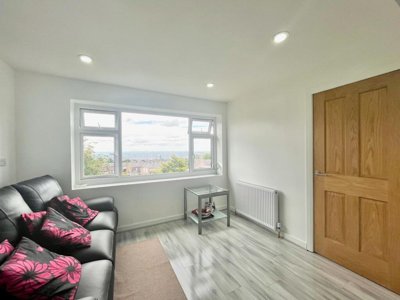
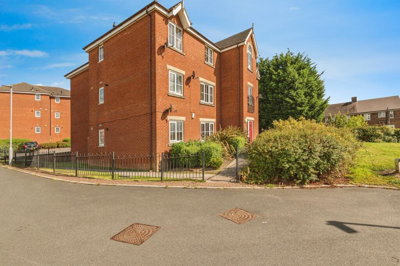
Browse 3 rental homes to rent in Clayton, Bradford from local letting agents.
One bed apartments provide a separate bedroom alongside distinct living space, bathroom, and kitchen areas. Properties in Clayton are available in various building types including mansion blocks, contemporary developments, and house conversions.
£0/m
0
0
0
Source: home.co.uk
Showing 0 results for 1 Bedroom Flats to rent in Clayton, Bradford.
Clayton’s market is best understood as a neighbourhood with steady demand rather than a place dominated by constant churn. homedata.co.uk records for Clayton, Bradford show an average sale value of £199,686, and that price context usually feeds through into local rental expectations for terraces, semis and larger detached homes. The housing mix is broad enough to suit singles, couples and families, with terraces at £148,302 on the sold side giving a clue to the more affordable end of the market. If you are comparing homes, the streets around the conservation area often feel different from the newer edges of the ward.
Newer supply can appear in and around Clayton Lane and Clayton Heights, where planning has supported extra homes, while established streets provide the historic character many renters want. That mix matters because older stone homes tend to offer a different feel from newer-build stock, especially for insulation, parking and layout. The local price trend of 2% up on the year suggests an area that remains resilient rather than overheated. If you want a clear view of value, compare live listings against the sold-price backdrop and check what similar homes are actually achieving locally.

Clayton, Bradford is a compact, established community with a strong residential identity. Local area research shows a population of 18,320 across 6,637 households, and the housing stock leans towards semi-detached homes at 48.6%, with terraces at 25.5%, detached homes at 13.7% and flats at 10.5%. That mix creates a settled neighbourhood feel, and it also explains why the area works for households at different stages of life. Around 62.7% of homes are owner-occupied, while 21.9% are privately rented and 15.4% are socially rented, so renters are part of the local fabric rather than a side market.
The Clayton Conservation Area gives the place much of its character, with designation dating back to 1977 and a review in 2005. The area contains 68 Grade II listed buildings, including houses, cottages, farm buildings, churches, a public house, a former workhouse, schools, a village hall and even a factory chimney, which tells you how layered the local story is. Traditional stone roofs remain a notable feature, and the streets feel more village-like than many parts of urban Bradford. Retail, health and education are the main employment sectors for local residents, so the neighbourhood has a practical everyday rhythm as well as historic appeal.
Local renters often choose Clayton because it offers a quieter base with familiar amenities close by. The ward continues to function as a commuter settlement, which makes it attractive for people who want access to Bradford without living in a fully city-centre setting. That village character is one of its strongest selling points, especially for households that value a neighbourly feel and traditional building styles. If you are moving from outside Bradford, Clayton is the kind of place that can feel settled quickly.
Families looking at Clayton usually want a school plan before they move, and that means checking the exact address rather than relying on the area name alone. The research set does not give a verified school shortlist for this boundary, so the safest approach is to compare Bradford Council admissions information, catchment maps and current Ofsted reports before you commit. That is especially true in neighbourhoods with a mixed housing mix, because intake patterns can shift from one street to the next. A short viewing list can look very different once school access becomes part of the decision.
The wider Bradford education network gives renters a choice of primary schools, secondary schools, sixth forms and further education options, but the best fit depends on your household priorities. Parents often check travel time to school, breakfast club availability and how easy the route is in winter, not just the headline inspection result. If you are moving as a family, bring education into the budget discussion early, because a cheaper rent can lose value if it creates a difficult daily journey. Clayton works best for households that are comfortable taking a street-by-street view of school access.
Clayton sits within Bradford’s everyday commuter pattern, so most journeys start with the city’s wider road and bus network. For rail travel, Bradford’s main stations are the natural gateways, giving you onward connections to regional destinations and longer-distance routes, while bus links remain the most practical option for many local trips. Car owners will find that access into Bradford is generally straightforward, but parking can be tighter on older residential streets where on-street space is limited. If you rely on a car, look carefully at driveways, permit rules and whether visitors can park easily near the property.
Cycling can work for shorter local trips, although Bradford’s slopes mean route choice matters more than it would on flatter ground. People who commute daily often like Clayton because they can keep a quieter home base while still reaching the city for work, shopping or evening plans. The area’s commuter-settlement character also means that timing is important, especially if you need to arrive early or pick up children on the way back. When you shortlist homes, test the actual route at the same time of day you plan to travel.
Compared with more remote villages, Clayton gives renters a sensible balance of neighbourhood calm and city access. That balance is one reason the area stays appealing to households who want more space than a pure city-centre flat can offer. The practical advice is simple: check bus stops, walking routes, street lighting and parking before you sign. A good tenancy in Clayton is often about how the home fits your daily routine as much as the rent itself.
Older homes in Clayton deserve a careful look because the local housing stock includes traditional stone buildings, historic streets and properties inside or near the conservation area. Damp, roof condition and pointing can matter more here than in newer suburbs, especially where traditional materials and older roofs have been retained. Ask which parts of the building are original, which have been repaired and whether any recent work needed listed-building or conservation consent. A property can look charming on a viewing and still need a closer inspection of maintenance history.
Conservation-area rules can affect external changes, so tenants should ask about window replacements, roof repairs, satellite dishes and any future plans the landlord might have. That is particularly relevant in streets with a high concentration of listed buildings, because even minor updates can take longer where controls are tighter. Flats may also come with service charges built into the landlord’s costs, and those charges can influence both rent and maintenance standards. Ground rent is less of a tenant issue directly, but leasehold structure still matters because it affects building management and repair decisions.
Flood risk and local ground conditions are worth checking too, even when a property is inland and does not sit beside a major river. A sensible viewing checklist includes drainage, cellar condition, any signs of historic water ingress and whether the property has had repeated insurance claims. Clay-rich ground can create movement issues in some places, so structural cracks should always be taken seriously rather than dismissed as cosmetic. If a landlord cannot explain the history of a repair clearly, that is usually a sign to ask more questions before you commit.
Get a rental budget agreement in principle before you arrange viewings, then decide your maximum monthly rent, deposit and moving costs.
Look at the difference between the conservation area, older residential lanes and any newer pockets of development so you know what kind of home suits you.
Visit at different times of day to check parking, traffic noise, bus access and how the street feels in the evening.
Ask about tenancy length, deposit protection, referencing, EPC rating, maintenance responsibilities and any restrictions on pets or alterations.
Inspect walls, roofs, windows, heating, ventilation and storage carefully, especially in older stone homes where upkeep history matters.
Once the tenancy is agreed, pay the required deposit, complete references, confirm the inventory and note meter readings on day one.
We do not have a verified live average rent figure in this research set, so the best guide is the wider market context. homedata.co.uk records for Clayton, Bradford show an average sale price of £199,686, with terraced homes at £148,302, semi-detached homes at £202,323 and detached homes at £302,409. That spread helps explain why rents vary between compact terraces, family semis and larger houses. For a current rental figure, compare live listings and use a rental budget agreement in principle before you book viewings.
Clayton sits within Bradford Metropolitan District, and council tax bands are set by the individual property rather than by the neighbourhood name alone. Older terraces, semi-detached homes and larger detached houses can fall into different bands depending on size and historic valuation. The exact band should always be checked against the full address before you sign a tenancy. If you are comparing two homes with similar rent, the council tax band can make a meaningful difference to monthly outgoings.
The best school for your household depends on the exact street, year group and admission rules, so there is not a single universal answer for Clayton. Families usually compare Bradford Council catchment information, Ofsted reports, transport routes and sixth-form options before they decide. The local research set does not provide a verified school shortlist for this boundary, which is why postcode-level checking matters. If education is a priority, ask the letting agent which schools local tenants commonly target.
Clayton benefits from Bradford’s wider bus and rail network, which makes it practical for commuting into the city and beyond. Bradford’s main rail stations are the key hubs for longer journeys, while local buses are often the easiest way to handle day-to-day travel. Parking can be tighter in older streets, so off-street space can be a real advantage. If you commute regularly, test your route at the time of day you would normally travel.
For many renters, yes, because Clayton combines a settled village feel with access to Bradford’s services and jobs. The area has a strong residential base, a conservation area, 68 Grade II listed buildings and a housing mix that includes terraces, semis and some flats. That gives you character and choice, although older homes can need more attention to maintenance. It suits renters who like a neighbourhood with identity rather than a purely transient rental scene.
In England, the holding deposit is usually capped at one week’s rent, and the security deposit is usually capped at five weeks’ rent if the annual rent is under £50,000. If the annual rent is above £50,000, the cap rises to six weeks’ rent. You may also need to budget for referencing, moving costs, utilities and any early costs such as rent paid in advance. A rental budget agreement in principle helps you judge all of that before you start viewing.
Yes, especially in and around the Clayton Conservation Area where older stone buildings and listed properties are common. Ask about roof repairs, window condition, damp treatment and whether any external changes needed consent. Stone homes can be attractive and solid, but they need proper upkeep to stay comfortable and dry. A careful viewing checklist is especially important if the property has been extended or altered over time.
The biggest upfront cost for most renters is the security deposit, followed by the first month’s rent and any holding deposit requested at the start of the application. In England, holding deposits are generally capped at one week’s rent, which makes it easier to compare different homes before you commit. If the property is in a well-kept older terrace or a larger semi, the monthly rent can change quickly once size, parking and location are factored in. That is why a proper rental budget, rather than a headline rent alone, gives you the clearest picture.
Other moving costs can include referencing, an inventory check, utility setup, broadband activation and transport on moving day. Some landlords ask for rent in advance if your application needs extra reassurance, and furnished homes can also require a more detailed inventory because there is more to document at check-in. If you are moving into an older Clayton property, allow a little extra for minor furnishings, curtains or draught-proofing so the home feels ready from day one. A realistic budget usually prevents the stress that can appear after the keys are handed over.
Monthly cost planning matters just as much as the rent figure because houses in Clayton often come with different heating demands, parking arrangements and maintenance expectations. Stone-built homes can be characterful, but they may also cost more to keep warm than a modern apartment, especially in colder months. Tenants who check the EPC rating, council tax band and commute costs before they apply usually make better long-term decisions. If you want a smoother move, compare the rent, the deposit and the running costs together rather than separately.
Properties to Rent In London

Properties to Rent In Plymouth

Properties to Rent In Liverpool

Properties to Rent In Glasgow

Properties to Rent In Sheffield

Properties to Rent In Edinburgh

Properties to Rent In Coventry

Properties to Rent In Bradford

Properties to Rent In Manchester

Properties to Rent In Birmingham

Properties to Rent In Bristol

Properties to Rent In Oxford

Properties to Rent In Leicester

Properties to Rent In Newcastle

Properties to Rent In Leeds

Properties to Rent In Southampton

Properties to Rent In Cardiff

Properties to Rent In Nottingham

Properties to Rent In Norwich

Properties to Rent In Brighton

Properties to Rent In Derby

Properties to Rent In Portsmouth

Properties to Rent In Northampton

Properties to Rent In Milton Keynes

Properties to Rent In Bournemouth

Properties to Rent In Bolton

Properties to Rent In Swansea

Properties to Rent In Swindon

Properties to Rent In Peterborough

Properties to Rent In Wolverhampton

Enter your details to see if this property is within your budget.
Loans, cards, car finance
Estimated property budget
Borrowing + deposit
You could borrow between
Typical borrowing
Monthly repayment
Est. at 4.5%
Loan-to-value
This is an estimate only. Your actual budget may vary depending on interest rates, credit history, and personal circumstances. For an accurate affordability assessment, speak to one of our free mortgage advisors.
This calculator provides estimates for illustrative purposes only and does not constitute financial advice. Your home may be repossessed if you do not keep up repayments on your mortgage. Estimates based on 4.5% interest rate, repayment mortgage. Actual rates depend on your circumstances.
Homemove is a trading name of HM Haus Group Ltd (Company No. 13873779, registered in England & Wales). Homemove Mortgages Ltd (Company No. 15947693) is an Appointed Representative of TMG Direct Limited, trading as TMG Mortgage Network, which is authorised and regulated by the Financial Conduct Authority (FRN 786245). Homemove Mortgages Ltd is entered on the FCA Register as an Appointed Representative (FRN 1022429). You can check registrations at NewRegister or by calling 0800 111 6768.

We use cookies to show you personalised content and improve your experience of our website. Find out more in our Privacy policy and Cookie policy.