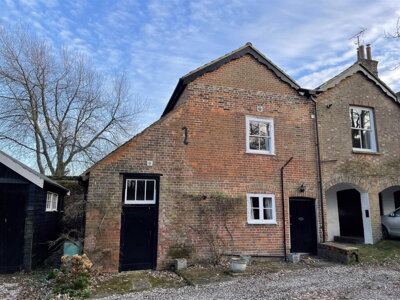
Browse 1 rental home to rent in Chilham, Ashford from local letting agents.
The Chilham property market offers detached, semi-detached, and terraced houses spanning various price ranges and neighbourhoods. Each listing includes detailed property information, photographs, and direct contact with the marketing agent.
£0/m
0
0
0
Source: home.co.uk
Showing 0 results for Houses to rent in Chilham, Ashford.
Chilham's rental market sits firmly in the premium rural bracket, helped by the village's position within easy reach of major Kent towns. Based on limited available rental data, the median rent is £1,030 pcm. That level points to quality homes costing more than the regional average, which is hardly surprising in a small, sought-after village with tight rental supply. On the sales side, homedata.co.uk shows house prices in Chilham have risen by 36.2% over the past 12 months, a clear sign that demand remains strong here.
Along the edge of the village, a few new schemes are beginning to widen the rental choice for people after modern homes in a Chilham setting. Chilham Place is the largest, with 40 one, two, and three-bedroom homes built by Orbit Homes on the village fringe near the A28, close to its junction with the A252. Off Branch Road, there are properties in a 10-unit scheme by Murston Group, mostly four and five-bedroom detached houses. In the village centre, The Bothy adds four new dwellings beside the Grade 1 Listed Church of St Mary. For something more distinctive, Mulberry Hill offers two highly sustainable dwellings with living roofs and contemporary gabled designs.

Day to day, Chilham is shaped by community life and the countryside around it. The village has a primary school, a post office and newsagents, three traditional inns including one with a restaurant, a doctor's surgery, and village halls with recreational grounds. A seasonal fruit stall brings out its agricultural side, which fits a parish that is still mostly agricultural. Chilham Park provides equestrian activities, while the castle grounds and the surrounding countryside open up plenty of walking routes on designated public rights of way. Set within the Kent Downs AONB, the village gives residents protected landscapes, chalk downland, and woodland walks almost outside the front door.
Chilham's architecture gives the place a look that film and television crews have long found attractive. The medieval and Jacobean half-timbered buildings in the Square, with their black and white facades, are fine examples of traditional Kentish building. Many have warm orange Kent peg tiles on the roofs, and some still show decorative fish tail tiling patterns. Red brick, flint, and local stone also run through the village, which helps tie everything together visually. The Chilham Conservation Area, formally designated and managed under a plan adopted by Ashford Borough Council in July 2020, protects that heritage while keeping the village lived in. It covers the hilltop core as well as the parks and gardens of Chilham Castle.
Below the village, the Great Stour River winds through the valley and gives the setting its picture-postcard feel, although it also means flood risk has to be taken seriously. Parts of Chilham sit within the Wye, Godmersham and Chilham flood warning area, so some property flooding is expected during major weather events. Anyone renting here should factor that in and check that insurance cover is suitable. The chalk geology of the Kent Downs usually drains well, though gardens still need a look after heavy rain. In some places, overlying silty and sandy clays bring clay shrink-swell risks too, especially for older homes with shallow foundations after a dry spell followed by wet weather.

To understand Chilham homes properly, it helps to know how they were built in the first place. The village's historic buildings are mostly timber-framed with infill panels, which is where the black and white look of the medieval and Jacobean houses in the Square and along the High Street comes from. Many of those half-timbered buildings were later faced with brick in the 18th and 19th centuries, so a single property can show several layers of architectural history at once.
By the 19th century, red brick had become the common choice, and workers' cottages on Mountain Street and Hambrook Lane were built to house estate workers. These usually have red tiled roofs made with Kent peg tiles, the warm orange clay product handmade in Kent that still defines much of the roofscape. The church tower shows decorative fish tail tiling patterns, a good example of the craft used in traditional Kentish roofing. Local flint also appears in the Norman keep of Chilham Castle and in the 13th-century Parish Church of St Mary, where chequered flint and local stone create a striking exterior.
From the 1740s onwards, Chilham properties increasingly used more refined forms of construction, with solid brick walls, original timber sash windows, and Georgian proportions. Many period homes still hold on to fireplaces, staircases, and floorboards that sit right at the centre of the village's architectural story. For renters, that means character, but also a different approach to maintenance from a modern build. Newer schemes, including Chilham Place by Orbit Homes, bring in materials such as charred timber cladding and black aluminium windows, which make a clear contrast with the older stock while still sitting comfortably within the local vernacular.

Families looking to rent in Chilham will find schooling focused on Chilham Primary School, a community school serving the village and the nearby rural area. It takes children from early years through to Key Stage 2, and its size creates a close class environment with strong teacher-pupil relationships. Because the village is small, many families also look to Canterbury and Ashford for wider educational choice. For secondary school, commuting is the norm, and several schools in Canterbury serve the Chilham catchment area, alongside grammar schools for academically able pupils.
Canterbury is close enough to open up a good range of secondary and grammar schools, including The King's School, Canterbury Girls' Grammar School, and St Anselm's Catholic School. Parents should check the latest catchment arrangements with Kent County Council, as places can be competitive in popular rural areas. For sixth form, Canterbury offers options such as The King's School, Simon Langton Girls' Grammar School, and Canterbury College, so both academic and vocational routes are available for older students. The University of Kent campus in Canterbury also gives families a local higher education option, which can reduce the need for relocation later on.
Kent's selective grammar school system gives academically able pupils access to some very well regarded secondary education. In Year 6, the Kent Test decides eligibility for grammar school places, with schools such as The King's School and Canterbury Girls' Grammar School taking students from Chilham and the surrounding villages. Getting there usually means family transport or a school bus, and the roughly 6 miles to Canterbury has to be built into the daily routine. For many families, that school access is one of the real advantages of renting in this village.

Chilham manages to combine rural living with decent access to larger centres. The A28 runs through the village, giving direct links to Canterbury, around 6 miles to the southwest, and Ashford, around 7 miles to the northeast. Nearby, the A252 junction ties into the wider Kent road network. For rail users, the mainline stations in Canterbury and Ashford give access to high-speed services. From Ashford International Station, regular trains reach London St Pancras in approximately 35 minutes, while Canterbury station serves London Victoria and the Kent coast.
Bus services link Chilham with nearby villages and towns, though the timetable is not generous by urban standards. On some days, services run hourly or less often, so journeys usually need a bit of planning rather than being left to chance. Anyone relying on public transport should check the current timetables with Kent County Council. Cycling is possible on the rural lanes and public rights of way through the Kent Downs, though the hilly terrain calls for a fair level of fitness. For people working locally, Chilham sits between Canterbury and Ashford, which gives access to jobs in both towns, with Ashford especially strong in manufacturing and human health and social work sectors.
Parking in the village reflects Chilham's historic layout, with only limited public spaces in the village square and the streets around it. So a property with dedicated parking is a real asset here, and we would always ask renters to clarify the arrangement before they commit to a tenancy. The A28 can also get congested at peak visitor times, as Chilham's appeal as a tourist destination sends extra traffic through the narrow streets. For those commuting to London every day, the high-speed rail link from Ashford International is a major plus, since it keeps metropolitan work within reach without the cost of living in the capital.

We would suggest speaking to lenders or brokers first, so an agreement in principle is in place for the rental budget before the search even starts. Knowing the affordability ceiling narrows the field and shows you're serious when the right property appears. In a village like Chilham, where rental stock is tight, having the finances ready before viewings can make all the difference.
It helps to look at Chilham's different parts, from the historic Square to the newer developments near the A28. We would also weigh up commute times to Canterbury or Ashford, school catchments for children, and how close the property sits to the post office, doctor's surgery, and village pubs. Viewing at different times of day is useful too, because it gives a better feel for noise from the A28 and from visitor traffic through the centre.
Once suitable properties appear, we would contact letting agents straight away to arrange viewings. In a small place like Chilham, availability can be sparse, so hesitation is rarely helpful. Take photographs during the visit and note the condition carefully, especially with period homes where some wear may already be there. A second look, including in the evening and after rain, can reveal damp problems or lighting issues that a first visit misses.
For rental homes in Chilham, an independent condition report is a sensible way to protect the deposit when the tenancy ends. The village's historic housing stock means professional surveys often pick up issues common in older homes, such as damp, roof condition, timber defects, and structural concerns. A RICS Level 2 survey typically costs from £375 and suits many period properties, while the more complex historic buildings may be better served by a detailed RICS Level 3 Building Survey.
We would usually ask for references, proof of income, and right to rent documentation as part of the application process. Strong references from previous landlords can make a real difference in a competitive rental market. For properties in Chilham's Conservation Area, landlords may also want to know a little about lifestyle and plans for the home, particularly where respect for the historic fabric matters.
Contents insurance should be arranged from the start of the tenancy, and utility accounts need setting up as well. In flood risk areas, we would check that insurance cover is available before anything is signed. Under the Tenant Fees Act 2019, holding deposits are typically one week's rent, while security deposits are capped at five weeks' rent and protected in a government-approved scheme.
Renting in Chilham means taking account of the special rules that come with a historic village. Homes within the Conservation Area may face planning restrictions on alterations, renovations, and outside changes, so tenants should ask landlords what is and is not allowed during the tenancy. In some cases, planning consent may be needed for certain works. With so many listed buildings in the village, some properties also carry extra obligations around maintenance standards and heritage considerations. Knowing all this before committing helps avoid headaches later and keeps expectations realistic about what can be changed.
Flood risk needs proper attention in Chilham. Homes in the Great Stour valley and within the flood warning area call for a close look at flood history and any mitigation in place. We would ask for details of past flooding, check the property level against the surrounding ground, and confirm that suitable insurance is available. Higher ground in the village may bring lower flood risk while still keeping the village centre close by. The underlying chalk geology usually drains well, but gardens still need checking after heavy rain so surface water does not gather near the foundations.
Because Chilham's housing stock is so varied in age, condition can differ sharply between modern conversions and older buildings. Traditional features such as solid walls, original timber frames, and period details need a different maintenance approach from a modern property. Renting a period home also means living with some of the quirks of older construction, such as uneven floors, smaller rooms by today's standards, and possibly higher heating costs because of limited insulation. Before committing, prospective tenants should view a property more than once, ideally in different weather and at different times of day, to get a proper sense of light, dampness, and the general atmosphere.
In Chilham's older homes, the usual defects include damp in solid-walled buildings where modern damp-proof courses were never fitted, roof deterioration with missing or slipped tiles that need regular attention, and timber defects such as wet and dry rot where ventilation is poor. Electrical systems may predate current safety standards, and plumbing can still include original lead or galvanised steel pipework. A professional property condition survey helps identify these problems before commitment, so tenants can make an informed choice and keep evidence for deposit protection at the end of the tenancy.
There is only limited rental price data for Chilham, simply because the village has so few homes available to let at any one time. Even so, the premium setting within the Kent Downs AONB, together with easy access to Canterbury and Ashford, means rents track the area's desirability. Detached family homes with period features usually command the highest rents, while cottages and terraced houses offer a more accessible route into village life. With median property sale prices above £500,000 and detached homes averaging over £624,000, quality family rentals typically sit around £1,030 pcm depending on size, condition, and outdoor space. We would recommend checking current listings for the latest figures on homes that fit the brief.
For council tax, properties in Chilham come under Ashford Borough Council. Most homes in the village, especially period cottages and older houses, usually sit in bands C through E, although the exact band depends on the Valuation Office Agency assessment. Band D is the median position for many Kent villages, while larger detached homes or those with sizeable extensions may fall higher. Before committing to a tenancy, tenants should check the band for the specific property, since council tax has a direct effect on monthly housing costs. Ashford Borough Council also offers online searches by property address, and the current Band D rates can be checked on the council website.
Chilham Primary School serves the village directly, taking children from early years through to age 11 in a setting that benefits from close community ties. For secondary school, families usually look towards Canterbury, around 6 miles away, with The King's School, Canterbury Girls' Grammar School, and St Anselm's Catholic School all reachable by school transport or family transport. Because Kent has a grammar school system, academically able pupils may gain places at selective schools, with the Kent Test taken during Year 6 to decide eligibility. The University of Kent campus in Canterbury gives older pupils a nearby route into higher education, together with access to campus facilities and student services.
Public transport in Chilham is fairly limited, which is part of village life here. Bus services to Canterbury and Ashford usually run hourly or less often on certain days, and the nearest mainline railway stations are in Canterbury and Wye, while Ashford International offers high-speed trains to London St Pancras in approximately 35 minutes. For commuters who rely on public transport, living here means planning routes carefully and sometimes being flexible with working hours to fit the service pattern. Car ownership is still useful for anyone who needs regular access to shops, work, or schools beyond walking distance, and a property with dedicated parking is a valuable thing in this setting.
For renters who want rural Kent without losing touch with urban amenities, Chilham offers a strong quality of life. The village blends remarkable architectural heritage, with over 80 listed buildings including four Grade I structures, with the landscape of the Kent Downs AONB and a real sense of community. Families get Chilham Primary School, village halls, equestrian opportunities at Chilham Park, and countryside that feels safe and open for children. That said, anyone moving here should think about the limited local employment, which means commuting to Canterbury or Ashford, the dependence on private transport for most everyday needs, and the restrictions that come with living in a Conservation Area filled with listed buildings. For people who value heritage, landscape, and community over urban convenience, Chilham can be very rewarding.
Under the Tenant Fees Act 2019, standard deposits in England are five weeks' rent, capped at five weeks' rent where annual rent exceeds £50,000. Holding deposits are typically one week's rent, and they are either refunded against the security deposit or kept if we withdraw or provide false information during referencing. Other costs can include referencing fees, admin charges, and inventory check fees. For a property at £1,030 pcm, we would expect a deposit of about £2,377, plus perhaps £200-400 in assorted fees. Someone renting for the first time may qualify for deposit-free schemes from some landlords, although that may be less common in this rural market. We would always ask for a full breakdown of costs before committing to any property, and an independent inventory at check-in can help protect the deposit at the end of the tenancy.
Rental availability in Chilham is thin on the ground because the village is small and demand for rural Kent living stays high. Unlike a larger town, there are often only a handful of homes to rent at any one time, so anyone searching needs to move quickly when something suitable appears. Chilham's popularity as a filming location and tourist draw also means some landlords choose holiday lets as well as residential tenancies, which cuts the long-term rental pool further. Newer schemes such as Chilham Place add modern homes with better energy efficiency, while period properties in the historic Square appeal to people happy to live with traditional maintenance needs.
From 4.5%
Professional rental affordability checks and budget planning services
From £49
Comprehensive tenant referencing and background checks
From £85
Energy Performance Certificate for rental properties
From £375
Professional condition survey for period properties
Budgeting for a tenancy in Chilham means looking beyond the monthly rent. Security deposits are typically capped at five weeks' rent under the Tenant Fees Act 2019, so for a home at £1,030 pcm the deposit would be about £2,377. That sum must be protected in a government-approved scheme within 30 days of receipt and returned within 10 days of the tenancy ending, subject to any valid deductions for damage or unpaid rent. Holding deposits, often one week's rent, reserve the property while referencing and paperwork are completed, and are either refunded or set against move-in costs.
There are also a few other costs to factor in. Tenant referencing fees usually range from £50 to £200, depending on the letting agent and how detailed the checks are. Inventory and check-in fees, usually handled by independent inventory clerks, commonly cost between £100 and £300, depending on the size of the property and how thorough the report is. Some landlords still charge admin fees for applications or renewals, although these are increasingly rare after legislative changes. In Chilham's historic housing stock, we would also suggest arranging a professional condition report separately, since older homes may already have issues that could otherwise be blamed on the tenancy.
Some landlords and letting agents now offer deposit-free schemes for first-time renters, where a guarantee replaces the traditional cash deposit. These schemes usually involve a smaller upfront fee, but they may change liability at the end of the tenancy, so the terms need reading carefully before anyone commits. In Chilham's flood risk areas, we would also check that the insurance cover in place is suitable, because flood damage liability needs thought. Before signing up to any property, ask for a full written breakdown of all costs, and make clear which fees are refundable and which are not.
Properties to Rent In London

Properties to Rent In Plymouth

Properties to Rent In Liverpool

Properties to Rent In Glasgow

Properties to Rent In Sheffield

Properties to Rent In Edinburgh

Properties to Rent In Coventry

Properties to Rent In Bradford

Properties to Rent In Manchester

Properties to Rent In Birmingham

Properties to Rent In Bristol

Properties to Rent In Oxford

Properties to Rent In Leicester

Properties to Rent In Newcastle

Properties to Rent In Leeds

Properties to Rent In Southampton

Properties to Rent In Cardiff

Properties to Rent In Nottingham

Properties to Rent In Norwich

Properties to Rent In Brighton

Properties to Rent In Derby

Properties to Rent In Portsmouth

Properties to Rent In Northampton

Properties to Rent In Milton Keynes

Properties to Rent In Bournemouth

Properties to Rent In Bolton

Properties to Rent In Swansea

Properties to Rent In Swindon

Properties to Rent In Peterborough

Properties to Rent In Wolverhampton

Enter your details to see if this property is within your budget.
Loans, cards, car finance
Estimated property budget
Borrowing + deposit
You could borrow between
Typical borrowing
Monthly repayment
Est. at 4.5%
Loan-to-value
This is an estimate only. Your actual budget may vary depending on interest rates, credit history, and personal circumstances. For an accurate affordability assessment, speak to one of our free mortgage advisors.
This calculator provides estimates for illustrative purposes only and does not constitute financial advice. Your home may be repossessed if you do not keep up repayments on your mortgage. Estimates based on 4.5% interest rate, repayment mortgage. Actual rates depend on your circumstances.
Homemove is a trading name of HM Haus Group Ltd (Company No. 13873779, registered in England & Wales). Homemove Mortgages Ltd (Company No. 15947693) is an Appointed Representative of TMG Direct Limited, trading as TMG Mortgage Network, which is authorised and regulated by the Financial Conduct Authority (FRN 786245). Homemove Mortgages Ltd is entered on the FCA Register as an Appointed Representative (FRN 1022429). You can check registrations at NewRegister or by calling 0800 111 6768.

We use cookies to show you personalised content and improve your experience of our website. Find out more in our Privacy policy and Cookie policy.