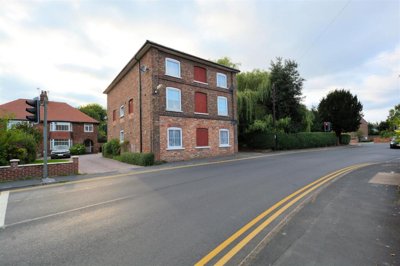
Browse 1 rental home to rent in Cawood, North Yorkshire from local letting agents.
One bed apartments provide a separate bedroom alongside distinct living space, bathroom, and kitchen areas. Properties in Cawood are available in various building types including mansion blocks, contemporary developments, and house conversions.
£0/m
0
0
0
Source: home.co.uk
Showing 0 results for 1 Bedroom Flats to rent in Cawood, North Yorkshire.
Cawood’s rental picture is led by the homes already woven into the village, not by large new-build schemes. We have not verified any active new-build rental developments in the immediate YO8 3 area, so most searches come down to established cottages, terraces, semis and detached houses. Recent sold-price data still gives useful context, with detached properties around £551,555 and semis around £250,000. In practice, that gap tends to show up in rents too, although condition, parking and period character can matter just as much as floor area.
In 2025, detached homes accounted for 47.4% of sales, which says plenty about what buyers and movers look for in Cawood. homedata.co.uk also records 176 sales across the wider YO8 3 postcode over the last 24 months, roughly 88 sales a year, while Cawood itself recorded 19 sales in 2025. The wider postcode rose by 2.7% in the last year, even though Cawood’s own pricing series is a little softer than the year before. For renters, that usually points to a fairly tight pool of homes, with well-kept properties getting noticed quickly.

This is a traditional North Yorkshire village in feel, with a historic centre, the River Ouse close by and a community that still feels quite local. The Grade II listed 17th-century Butcher’s Shop is one of the clearest reminders of that older fabric. Cottages, brick-built houses and period homes all sit within the village mix, which suits renters who would rather have character than a modern estate layout. Day to day, the compact size means local walks, village facilities and trips to larger nearby settlements for a proper shop all become part of the rhythm.
The River Ouse is not just a pretty backdrop here. Low-lying streets and riverside addresses need a closer look, particularly around flood history, drainage and any insurance notes attached to the property. Our team would also be careful with listed or heritage homes, as repairs and alterations can come with tighter rules than a newer house on an estate. Cawood gives you countryside calm and a strong village identity, but it suits renters who are prepared to read the detail.
For many families, the search starts with the village’s own primary provision before widening towards Selby and York for secondary and post-16 options. Catchment and admissions checks can therefore make a real difference, especially if you are looking for a longer tenancy rather than a short stopgap. Older children do not remove the practical questions either, as school transport, start times and parking near the school gates can shape the working week. We always suggest asking how the journey works on an ordinary wet Tuesday, not just in theory.
Education around Cawood is best understood as a village-plus-market-town choice. Younger pupils can benefit from the local feel of village schooling, while older pupils usually need a wider shortlist covering secondary and sixth-form options beyond Cawood itself. Exact catchments can change, so confirm the address rules before you sign a tenancy and book your move. If schools are high on the list, view at drop-off or pick-up time and see how the neighbourhood behaves when it is busy.

Cawood is not set up like a rail hub. Most commuters use the road network first, then pick up trains from nearby Selby or York if they need rail travel. That works well for renters with flexible jobs, hybrid weeks or a willingness to drive to a station. Buses are more limited than they would be in a town centre, so we would check the timetable before viewing, especially if late-night returns are part of normal life.
Road access is one of the practical reasons people choose the village. From Cawood, routes run out towards Selby and the wider Yorkshire road network, which helps with work trips, shopping and school runs. Parking can also be better than in many urban terraces, although lanes near the historic centre may still feel narrow. If you rely on a car, ask early whether the driveway, on-street space or access track is shared.
Short local trips by bike can be perfectly workable, but expect rural roads rather than dedicated town cycling routes. Visibility, road lighting and weather may matter more than the distance shown on a map. Anyone planning a regular commute should ride or drive the route at the time they would normally leave, then weigh that against the cost of living closer to work. A house can look ideal online and feel quite different once the daily journey is real.
Compare the river edge, the historic core and the quieter lanes first, then weigh up parking, flood exposure and the amount of driving you are happy to do each week.
Before viewings, get a rental budget agreement in principle so rent, bills and moving costs are grounded in what you can genuinely afford.
In a small village, the right home may not sit around for long. Book quickly once the space, commute and school-run details line up.
During the viewing stage, ask about the tenancy deposit, holding deposit, inventory, council tax band, EPC and any special terms linked to older or listed homes.
Have ID, proof of income, employer details and previous landlord information ready to go, as tidy paperwork can tip the balance in a competitive local market.
Agree the move-in date, meter readings and handover process before the keys change hands, then keep the paperwork together for the first week.
Older village houses often have quirks that do not show themselves in a quick walk-round. Damp, roof condition, insulation and window maintenance all deserve a proper look, particularly in cottages and period terraces where the repair history matters as much as the room sizes. If the property is listed, ask what alterations are allowed, as external changes, replacement windows and some internal works may need extra care. Décor is the easy bit, the structure tells you more.
Flood risk needs a direct conversation in Cawood because of the village’s river setting. Ask whether the landlord has had water ingress, whether the address sits in a known risk area and whether any resilience measures are already in place. For a leasehold flat, service charges and ground rent also matter, as they can change the real monthly cost even when the rent itself looks sensible. Those details make comparisons much fairer.
Conservation controls and planning restrictions can affect what you can do with a home. In older parts of Cawood, external paintwork, extensions, hard landscaping and satellite equipment may be treated more sensitively than on a newer estate. That does not make the village awkward, but it does mean assumptions can be expensive. We would rather ask the uncomfortable questions before signing than discover the limits after move-in.
We do not have a verified live rental average in the research set for Cawood. For context on pricing, homedata.co.uk gives a 12-month average sold price of £374,734. Detached homes are around £551,555, semis around £250,000 and terraced homes around £205,469, putting the village in a relatively strong rural bracket. Live asking rents will still turn on the property type, condition, parking and position in relation to the river or historic core.
Cawood sits within North Yorkshire Council for council tax, and the band is tied to the exact property rather than the village name. Smaller cottages and terraces will generally come in below larger detached houses, but the address needs checking before you set a budget. Council tax can change the monthly outlay almost as much as the advertised rent, particularly where older homes are part of the mix. Ask the agent or landlord for the band while you are still viewing.
Families often begin with the village’s own primary provision, giving younger children a local starting point. For secondary and sixth-form choices, most renters look towards Selby and York, where there are more schools and different catchments to compare. Cawood Church of England Village Primary School is the obvious local reference, although current admissions rules still need to be checked. If schools are a major factor, look at intake rules and transport links before committing to a tenancy.
Cawood is not a rail village, so residents usually head to nearby Selby or York stations for train travel. Bus services are available, but they are not as frequent or as flexible as town-centre routes, which means a car remains useful for many households. The road links are one of the village’s stronger practical points, helping with commuting, school runs and shopping trips. Test the journey you will actually make before signing, not just the neat line shown on a map.
For renters after village character, riverside surroundings and a calmer daily pace, Cawood has a lot in its favour. The market is small, so availability can be limited, but the better homes are often memorable and well looked after. Our data points to an active sales market, with 19 sales in the village in 2025 and a 12-month average sold price of £374,734. If older homes and a close-knit setting appeal, it is an easy place to understand.
Most tenants should expect a holding deposit of up to one week’s rent and, for most standard tenancies, a tenancy deposit capped at five weeks’ rent. The first month’s rent in advance may also be due, along with moving costs, cleaning charges or pet-related costs if the landlord permits them. On paper the figures look simple, but older village houses can bring higher heating or upkeep costs, so build the whole monthly budget before you agree. Anyone thinking about buying later should also keep the 2024-25 stamp duty thresholds in mind.
Because Cawood sits near the River Ouse, flood history would be one of our first viewing questions. Older cottages and listed homes also need careful checks for damp, roof wear, insulation and permitted alterations. These questions are about more than comfort, as they affect long-term cost and whether the home suits the way you live. A slower, more careful viewing can spare a lot of trouble later.
From 4.5%
Compare rental budget quotes and find the best deal
From £499
Check identity, income and affordability before you move
From £350
Check energy efficiency before you commit to a home
From £350
Spot defects in older village homes before you buy
For annual rents below £50,000, most tenancy deposits are capped at five weeks’ rent, and a holding deposit is usually one week’s rent. Beyond that, upfront costs often include the first month’s rent, removals and any optional extras agreed with the landlord. Cawood’s character housing means utility bills can vary widely with age and insulation, so the lowest rent is not always the lowest total monthly cost. Check the EPC and ask exactly how the property heats in winter.
Garden size, parking arrangements and any service-charge obligations can change the true cost of a home, so put a simple monthly budget together before you move. A slightly dearer property may still be the better choice if it is warmer or avoids daily parking problems. It is also a good point to refresh your rental budget agreement in principle, particularly if two homes are close contenders. We want the final choice to fit real spending, not just the headline rent.
Renting may only be the first stage if you plan to buy in Cawood later, so the 2024-25 stamp duty thresholds are worth keeping clear: 0% up to £250,000, 5% from £250,000 to £925,000, 10% from £925,000 to £1.5 million, and 12% above £1.5 million. First-time buyers get 0% up to £425,000 and 5% from £425,000 to £625,000, with no relief above £625,000. Those figures matter because Cawood’s sales market, with a 12-month average sold price of £374,734, sits close enough to that first threshold band to affect longer-term planning. If buying could follow renting, keep it in view from the beginning.
Properties to Rent In London

Properties to Rent In Plymouth

Properties to Rent In Liverpool

Properties to Rent In Glasgow

Properties to Rent In Sheffield

Properties to Rent In Edinburgh

Properties to Rent In Coventry

Properties to Rent In Bradford

Properties to Rent In Manchester

Properties to Rent In Birmingham

Properties to Rent In Bristol

Properties to Rent In Oxford

Properties to Rent In Leicester

Properties to Rent In Newcastle

Properties to Rent In Leeds

Properties to Rent In Southampton

Properties to Rent In Cardiff

Properties to Rent In Nottingham

Properties to Rent In Norwich

Properties to Rent In Brighton

Properties to Rent In Derby

Properties to Rent In Portsmouth

Properties to Rent In Northampton

Properties to Rent In Milton Keynes

Properties to Rent In Bournemouth

Properties to Rent In Bolton

Properties to Rent In Swansea

Properties to Rent In Swindon

Properties to Rent In Peterborough

Properties to Rent In Wolverhampton

Enter your details to see if this property is within your budget.
Loans, cards, car finance
Estimated property budget
Borrowing + deposit
You could borrow between
Typical borrowing
Monthly repayment
Est. at 4.5%
Loan-to-value
This is an estimate only. Your actual budget may vary depending on interest rates, credit history, and personal circumstances. For an accurate affordability assessment, speak to one of our free mortgage advisors.
This calculator provides estimates for illustrative purposes only and does not constitute financial advice. Your home may be repossessed if you do not keep up repayments on your mortgage. Estimates based on 4.5% interest rate, repayment mortgage. Actual rates depend on your circumstances.
Homemove is a trading name of HM Haus Group Ltd (Company No. 13873779, registered in England & Wales). Homemove Mortgages Ltd (Company No. 15947693) is an Appointed Representative of TMG Direct Limited, trading as TMG Mortgage Network, which is authorised and regulated by the Financial Conduct Authority (FRN 786245). Homemove Mortgages Ltd is entered on the FCA Register as an Appointed Representative (FRN 1022429). You can check registrations at NewRegister or by calling 0800 111 6768.

We use cookies to show you personalised content and improve your experience of our website. Find out more in our Privacy policy and Cookie policy.