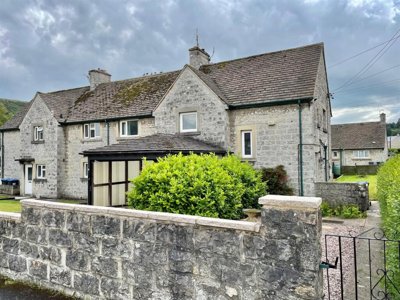
Browse 1 rental home to rent in Castleton, High Peak from local letting agents.
The 2 bed flat sector typically includes two separate bedrooms, dedicated living areas, and bathroom facilities. Properties in Castleton span purpose-built blocks, converted period houses, and modern apartment complexes on various floors.
£0/m
0
0
0
Source: home.co.uk
Showing 0 results for 2 Bedroom Flats to rent in Castleton, High Peak.
Castleton’s rental market mirrors the village’s unusual role as both a settled community and a draw for visitors. Homes tend to come up only rarely, and the stock is still led by traditional stone cottages and terraced houses. Our listings range from period places with exposed beams, flagstone floors and cast iron fireplaces to newer homes with double glazing and efficient heating systems. With conservation restrictions inside the Peak District National Park keeping new build activity to a minimum, the old character properties still make up most of what is available.
Move a little wider into the High Peak and the picture opens up. Hope, Bamford and Hathersage all add more rental choice, and the pricing is broadly similar. In the Hope Valley, a two-bedroom property usually sits between £850 and £1,100 per month, while four-bedroom family homes can reach £1,400 to £1,800 per month. A few new build schemes around the High Peak have brought in modern rentals, but Castleton village itself remains tightly controlled. The Pennine Way and the nearby caverns also mean there are jobs linked to tourism, especially in hospitality, outdoor guiding and retail.
Renting here is not like looking in a city. Places often change hands through word of mouth or through local agent links, rather than heavy online marketing. It helps to build relationships with letting agencies in Buxton, Chapel-en-le-Frith and Bakewell, because that is often where the best leads appear first. Tourism also shapes the market, and some landlords prefer shorter summer lets, so long-term availability can ebb and flow across the year.

Set in the centre of the Hope Valley, Castleton is surrounded by some of the Peak District’s most striking scenery. The village core still revolves around a traditional market square, with stone buildings, independent shops, pubs serving local ales and cafes selling homemade treats. Around 2,500 residents live here, which gives the place a small-scale feel where people recognise one another and community events matter. The annual Garland Festival in May and the Christmas lights switch-on are firm fixtures, and they give newcomers a quick route into local life.
Tourism, agriculture and outdoor recreation drive the local economy, with visitors heading for Peak Cavern, Treak Cliff Cavern, Blue John Cavern and Speedwell Cavern. Being on the Pennine Way and other well-used routes keeps walkers and cyclists coming through all year. The village also works as a base for climbing at Raven Tor and for outdoor education trips. Cave Dale and Winnats Pass begin right from the centre, so some of the Peak District’s most dramatic scenery is close at hand from the start.
Day-to-day life is well served by places like The Castle Hotel and The Old Barn, along with independent artisan shops selling Blue John jewellery and local crafts. Traditional tearooms serve afternoon tea, while the village convenience store and post office handle the basics. There is also a medical centre close by. Beyond the village, moorland, limestone dales, ancient woodland and riverside walks are all within easy reach. Ladybower, Derwent and Howden reservoirs are only a short drive away, with watersports, fishing and walking around the Upper Derwent Valley.

For families, there is schooling in Castleton itself and across the Hope Valley. Castleton Church of England Primary School takes children from reception through to Year 6 and serves the village as well as the surrounding rural area. It has a strong reputation for academic achievement and personal development, and the smaller class sizes can mean more individual attention than is usually found in larger urban schools. Parents often mention the supportive community feel and the close ties between school and families as real strengths of village education.
At secondary level, Hope Valley College in Bamford serves Castleton and the wider Hope Valley. It offers a full secondary curriculum, good examination results and a broad range of GCSE and A-Level subjects, backed by sports fields and science laboratories. Families looking for different approaches can also find primary schools in neighbouring villages and independent schools in Buxton and Chesterfield. School transport is usually by bus from Castleton to Hope Valley College and other nearby secondaries, with journey times varying according to route and pick-up points.
There are early years childcare options in the village and the surrounding area, although spaces can be tight during school holidays and term time. If childcare matters to your household, it makes sense to register interest with providers well before a rental is secured. The village community centre also hosts parent and toddler groups from time to time, as well as youth activities, which gives families with younger children another way into local life.

Castleton is rural, but it is not cut off. Regular bus services connect the village with nearby towns and cities. The 57 bus route links Castleton with Sheffield, giving direct access to the city centre for work and leisure, with journey times of roughly 45 minutes to an hour depending on traffic and time of day. Other services run to Bakewell, Buxton and Chesterfield, so regional travel is possible without a private car. Bus stops are spread through the village, and the main stops by the market square cover most services.
The Hope Valley railway line runs through nearby Hope, with trains to Sheffield, Manchester and further afield, although Castleton itself needs a short road or bus journey to reach it. Hope station is about three miles from Castleton village centre and has direct links to major cities. For commuters heading to Manchester, the trip from the Hope Valley area usually takes around an hour to ninety minutes by public transport, with bus and train connections combined. The rail journey from Hope to Manchester is about 90 minutes, while Sheffield can be reached in around 40 minutes.
Many residents work from home or run tourism businesses from the village, helped by improving telecommunications infrastructure. Road access comes via the A625 and A6187, which link into the wider Derbyshire network, and the M1 is reachable via Sheffield for longer journeys. Parking can be awkward in Castleton during peak tourist season, when day visitors use up the available spaces, though permanent residents can apply for parking permits through High Peak Borough Council. Cyclists also benefit from several well-used routes, including the Peak Loop and links to the Trans Pennine Trail.

There are a few local realities to bear in mind when renting in Castleton. Many homes in this Peak District village are built with solid stone walls, which give excellent thermal mass but often need a different heating approach from modern cavity wall properties. Older cottages may still have original windows, characterful though they are, and these can fall short of the efficiency of double glazing. Balancing traditional features against modern comfort matters here. Our inspectors often find that stone construction calls for close attention to damp courses and ventilation if the home is to stay comfortable all year.
Flood risk is worth checking carefully in the Hope Valley, because the area has seen flooding historically. Ask about the property’s flood history and any mitigation already in place. Homes near the River Peak or in lower-lying parts of the village may carry a higher risk during heavy rain. The village lies where several small watercourses run down from the surrounding hillsides, so local knowledge of earlier flood events can be useful when comparing properties. Before committing, clarify buildings insurance, maintenance responsibilities and any conservation area limits on external changes with the landlord.
Energy efficiency varies a lot across the Castleton rental market, mainly because of the age and construction of the properties. Solid wall homes usually cost more to heat than modern insulated ones, and our team always recommends asking for recent EPC certificates before signing up. Properties with solid fuel or electric heating can also have higher running costs than those with modern gas combination boilers. Many traditional homes in the village have had double glazing fitted, but some still keep original single-glazed windows, which suit the character of the property yet push up bills through colder Peak District winters.

Most rentals in Castleton are traditional stone-built cottages from the 18th and 19th centuries, and they reflect the village’s agricultural past. Thick solid walls, original fireplaces, exposed beams and stone flag floors are common, and they need a different approach to upkeep than modern construction. Many also have small private gardens, which are valuable in a village setting, although outdoor space varies from one property to another. The market does include some more updated cottages too, with contemporary kitchens and bathrooms while keeping the older character features intact.
Terraced homes on the village’s historic streets are a practical option for single tenants and small families, and they often use the same traditional building methods as detached cottages. Semi-detached and detached family houses are less common, but they do appear and usually command higher rents because of the extra space and garden provision. Flats and modern apartments are limited within Castleton itself, with most new build accommodation found in nearby towns. Some former agricultural buildings have also been converted into distinctive rentals, with vaulted ceilings and countryside views.
Much of Castleton sits within the conservation area of the Peak District National Park, so outside changes to rental homes are closely controlled. Before signing anything, tenants should check with the landlord exactly what alterations are allowed, especially on painting, hanging pictures or fitting satellite dishes. Many traditional properties are also listed buildings, which can bring further limits on alterations and maintenance responsibilities that are different from standard private lets.
Before starting a search in Castleton, it helps to have a rental budget agreed in principle so you know what is realistic. Build in monthly rent, council tax, utility bills and moving costs from the outset. That preparation also puts you in a stronger position when applying and shows agents that you are serious and ready. Do not forget that traditional construction and rural Peak District weather can push heating costs higher than in many urban homes.
Spend time in Castleton itself before making a decision, and try the village at different times of day and across the week. That gives a clearer sense of the atmosphere, traffic and the seasonal impact of tourism. Check how close you are to bus stops, the nearest train station at Hope, local shops, schools and GP services. Walk the footpaths and trails around the village to get a proper feel for the Peak District setting, and think about how different the place becomes when visitor numbers rise sharply in peak season.
Check current listings on home.co.uk and register with local letting agents who know the High Peak market well. In Castleton, homes often appear through word of mouth and local relationships, so it is sensible to build links with agencies in Buxton and Chapel-en-le-Frith. Set up alerts for new listings, because good homes in the village can go quickly when supply is limited. Social media community groups for Castleton and the Hope Valley are also worth watching, since some landlords prefer informal advertising rather than agency listings.
Arrange viewings for homes that match your search, and take time to inspect the property properly. Look for damp, the quality of the double glazing, the age and efficiency of the heating system, and any signs of disrepair. Ask how long the tenancy is available for, what the landlord prefers, and whether there are any particular conditions attached to the rental. It also helps to take photographs during the viewing, so you can compare places later and keep track of questions about maintenance history.
Once a suitable property comes up, move through the tenant application process without delay. Usually that means providing identification, proof of income, employer references and references from previous landlords. For tenants without much UK renting history, some landlords may ask for a guarantor or a larger deposit. It pays to move fast, because the more appealing Castleton homes often attract several applications, especially if they have character features, outdoor space or a good spot near village amenities.
After that, sign the tenancy agreement, pay the deposit and first month’s rent, and agree the move-in date. An inventory check should be done at handover so the condition of the property is recorded and your deposit is protected. It is also sensible to note the local bin collection days, council services and any neighbourhood guidance that applies to the area. Register with the local GP surgery and dental practice early too, because NHS availability in rural places can be limited and new patient waiting lists may apply.
Rental prices in Castleton reflect both the village’s Peak District appeal and the limited supply of homes. Two-bedroom cottages usually rent for £850-£1,100 per month, while three-bedroom family houses tend to sit at £1,100-£1,400 monthly. Smaller one-bedroom flats and studios generally start at £650-£800 per month. The final figure depends on condition, views, parking and whether there is garden space. Because tourism shapes the village, some landlords switch to short-term lets during busy periods, which affects what is available long term.
High Peak Borough Council covers Castleton, and most homes in the village fall into council tax bands A through D. Band A properties usually pay about £1,200-£1,400 a year, while Band D homes are generally around £1,800-£2,000 annually. Traditional stone cottages and converted farm buildings can sit in unusual bands because of listed status or their particular characteristics. Tenants should always add council tax to rent when working out total monthly housing costs.
Castleton Church of England Primary School serves the village and is well known for its supportive learning environment and strong community links. Hope Valley College in Bamford provides secondary education for Castleton children and has solid academic standards, along with a full GCSE and A-Level offer. Smaller class sizes in village schools are a real advantage for younger children, though families wanting a wider curriculum may look at independent schools in nearby towns. If schooling matters, confirm transport arrangements before committing to a rental property.
Bus links are good, with the 57 service offering a direct route to Sheffield and further connections to Bakewell, Buxton and Chesterfield. Hope is the nearest railway station, around three miles away, with direct trains to Sheffield, Manchester and Leeds on the Hope Valley line. Manchester Airport can be reached in 90 minutes by public transport. Services run through the day, but frequency drops in the evening and on Sundays, so a private car still helps for some households.
For renters who want countryside living inside the Peak District National Park, Castleton offers a strong quality of life. The village has a close community, remarkable scenery, excellent walking and outdoor activities, and local landmarks including four show caverns and historic Peveril Castle. The trade-off is familiar enough, limited local employment means commuting or remote work for many, public transport is less frequent than in town, and property prices are higher because demand is so strong. With stock limited, homes can be hard to secure.
Standard deposits in Castleton usually come to five weeks’ rent, depending on the annual rent level. On a property renting at £1,000 per month, the deposit would be about £1,150. A holding deposit of one week’s rent may also be asked for while referencing checks are carried out. Tenant referencing fees, right to rent checks and inventory report costs can still arise, usually coming to £150-£300. Since April 2016, the Tenant Fees Act has restricted what landlords and agents can charge renters.
Renting in Castleton means settling into village life with the Peak District right outside the door. Newcomers are usually welcomed, and village events make it easy to meet neighbours and join in. The main centre has the essentials, post office, convenience stores, pubs, cafes and artisan shops. Bigger shopping trips, hospitals and entertainment all mean travelling to Sheffield, Manchester or Chesterfield. Tourism brings a seasonal lift in visitors and activity, which some residents enjoy and others find a bit much at busy times.
Homes in lower-lying spots near the River Peak should be checked carefully for flood risk, especially if they include basements or ground-floor living space. Our records show that some Hope Valley properties have flooded during periods of exceptional rainfall, so it is wise to ask for the property’s flood history before taking a tenancy. In response to earlier incidents, many landlords have fitted flood gates or raised electrical outlets. Flood risk can also affect insurance availability and cost, so tenants should confirm that adequate cover is in place or available.
Most jobs in Castleton are tied to tourism, hospitality and outdoor recreation, with roles in pubs, cafes, shops, cavern attractions and outdoor activity businesses. There are also some healthcare and education posts through local facilities, but many residents travel to larger towns or cities for work. Remote working has become more common, helped by superfast broadband now available in most parts of the village. Being close to Sheffield and Manchester also broadens the job market for those who can commute or work flexibly.
To budget properly for renting in Castleton, the monthly rent is only part of the picture. Standard deposits in the High Peak rental market usually come to five weeks’ rent, worked out as monthly rent multiplied by 12, divided by 52, then multiplied by 5. For a typical two-bedroom cottage at £950 per month, the deposit would be about £1,096. Under the Deposit Protection regulations, that deposit must be protected in a government-approved scheme within 30 days of the tenancy start date.
Anyone renting for the first time, or without a UK renting history, should also allow for extra costs such as a guarantor arrangement or a larger deposit. Some Castleton landlords ask for six weeks’ deposit if the tenant does not have much UK credit history or clear employment references. Tenant referencing fees, identity checks and right to rent checks are controlled by the Tenant Fees Act 2019, so these charges are limited to reasonable amounts or removed altogether. Moving costs, including van hire, utility and internet connection fees, and furniture for unfurnished homes, should all be included in the budget.
Utility bills in Castleton can be higher than in newer urban homes because so many properties are traditionally built. Solid stone walls hold heat well, but they take longer to warm through, and single glazing in some older cottages will raise heating costs during Peak District winters. Our team recommends asking for Energy Performance Certificate data before you commit, so you can see the efficiency rating. Council tax, water rates and contents insurance should also sit alongside rent in your monthly budget.
From 4.5% APR
Get pre-approved for your rental budget, and the application carries more weight from the start.
From £99
Complete the referencing checks most Castleton landlords require.
From £85
Energy performance certificate for your rental property
From £75
Document property condition to protect your deposit
Properties to Rent In London

Properties to Rent In Plymouth

Properties to Rent In Liverpool

Properties to Rent In Glasgow

Properties to Rent In Sheffield

Properties to Rent In Edinburgh

Properties to Rent In Coventry

Properties to Rent In Bradford

Properties to Rent In Manchester

Properties to Rent In Birmingham

Properties to Rent In Bristol

Properties to Rent In Oxford

Properties to Rent In Leicester

Properties to Rent In Newcastle

Properties to Rent In Leeds

Properties to Rent In Southampton

Properties to Rent In Cardiff

Properties to Rent In Nottingham

Properties to Rent In Norwich

Properties to Rent In Brighton

Properties to Rent In Derby

Properties to Rent In Portsmouth

Properties to Rent In Northampton

Properties to Rent In Milton Keynes

Properties to Rent In Bournemouth

Properties to Rent In Bolton

Properties to Rent In Swansea

Properties to Rent In Swindon

Properties to Rent In Peterborough

Properties to Rent In Wolverhampton

Enter your details to see if this property is within your budget.
Loans, cards, car finance
Estimated property budget
Borrowing + deposit
You could borrow between
Typical borrowing
Monthly repayment
Est. at 4.5%
Loan-to-value
This is an estimate only. Your actual budget may vary depending on interest rates, credit history, and personal circumstances. For an accurate affordability assessment, speak to one of our free mortgage advisors.
This calculator provides estimates for illustrative purposes only and does not constitute financial advice. Your home may be repossessed if you do not keep up repayments on your mortgage. Estimates based on 4.5% interest rate, repayment mortgage. Actual rates depend on your circumstances.
Homemove is a trading name of HM Haus Group Ltd (Company No. 13873779, registered in England & Wales). Homemove Mortgages Ltd (Company No. 15947693) is an Appointed Representative of TMG Direct Limited, trading as TMG Mortgage Network, which is authorised and regulated by the Financial Conduct Authority (FRN 786245). Homemove Mortgages Ltd is entered on the FCA Register as an Appointed Representative (FRN 1022429). You can check registrations at NewRegister or by calling 0800 111 6768.

We use cookies to show you personalised content and improve your experience of our website. Find out more in our Privacy policy and Cookie policy.