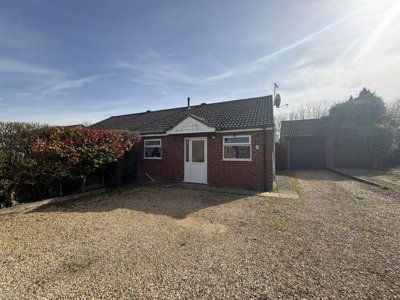
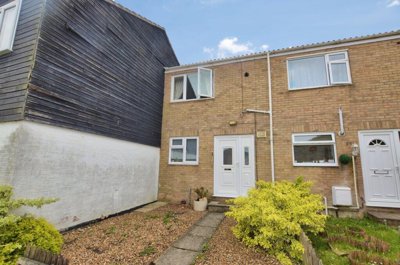
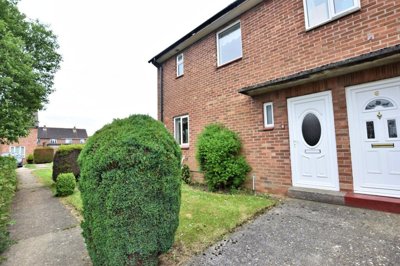
Browse 3 rental homes to rent in Carbrooke, Breckland from local letting agents.
The 2 bed house market features detached, semi-detached, and terraced properties with two separate bedrooms plus living spaces. Properties in Carbrooke range from Victorian and Edwardian period homes to modern new builds, with pricing varying across different neighbourhoods.
£875/m
1
0
20
Source: home.co.uk
Showing 1 results for 2 Bedroom Houses to rent in Carbrooke, Breckland. The median asking price is £875/month.
Source: home.co.uk
Semi-Detached
1 listings
Avg £875
Source: home.co.uk
Source: home.co.uk
Carbrooke’s rental market mirrors rural Breckland more broadly, where the number of homes available at any one time is usually thin on the ground and demand keeps ahead of supply. Our platform brings together listings from local estate agents and letting professionals, so renters can see properties that may never reach the bigger national portals. The village stock is mainly detached and semi-detached homes, with a smaller scatter of terraced houses adding some choice for different household sizes and budgets.
Looking at property values in Carbrooke gives a clear steer on rental expectations, with the average property price at £304,785 as of February 2026. Detached homes sit higher at around £352,667, semi-detached properties average £245,000, and terraced homes around £200,000. That pattern points to detached houses with gardens attracting stronger rents than smaller terraced options, while premium homes will usually sit in line with their sale values. Compared with Norfolk’s coastal towns, the village still looks relatively affordable, which is part of the appeal for renters who want value and access to the Norfolk countryside.
Recent figures suggest a steady local market, as Carbrooke property prices have slipped by only 0.5% over the last 12 months, with 12 property sales recorded in the same period. For tenants, that kind of stability usually means rental values are less likely to jump suddenly, so ongoing housing costs tend to feel more predictable. Low turnover on the sales side also means rental homes appear only occasionally, which is why it pays to register with local agents who can tip you off before new listings go public.
Flats are hard to come by in Carbrooke, and there is no meaningful data for that type of home, which reflects the village’s housing stock being built around houses rather than apartments. Most rental properties are family homes with gardens, which suits anyone looking for room for pets, children, or simply a bit of outdoor space that comes with village living.

Daily life in Carbrooke follows the quieter pace of rural Norfolk, with strong community ties and enough familiarity between neighbours to make it feel properly lived-in. The village lies on the edge of the Brecks, a landscape of heathland, pine forests and chalk grassland that supports rare species such as nightjars, woodlarks and stone curlews. Footpaths and cycle routes thread through the surrounding countryside, giving residents easy access to the outdoors without having to travel far. It is a place that tends to suit nature lovers, birdwatchers and families who want space for children to explore.
Agriculture sits at the centre of the local economy, so farms and related businesses provide work for some residents, while others travel to Watton, Thetford and Norwich for their jobs. RAF Watton, now largely redeveloped, and other Norfolk military sites have also shaped the housing mix over time, bringing a broader range of households into the area. Day-to-day amenities are fairly modest, with village hall facilities and nearby services covering basics, while Watton supplies supermarkets, independent shops, medical practices and secondary schooling within a short drive.
The Breckland landscape around Carbrooke brings its own geological character, and that feeds into the way buildings are made as well as the look of the place. Chalk underlies the area, with glacial sands, gravels and boulder clay sitting above it. Older homes often show traditional Norfolk materials, red brick, flint and rendered finishes, all of which tie neatly back to the village’s agricultural past. By contrast, newer developments, especially those built after 1980, are generally cavity wall construction, so their thermal performance differs from that of older solid wall properties.
Village life is held together by an active hall programme, with events running through the year from parish council meetings to social gatherings that draw residents in. St Peter and St Paul’s church, a Grade I listed medieval building, acts as both a place of worship and a centrepiece for traditional village occasions. For families, that smaller scale often means children can walk or cycle to local amenities, and neighbours are more likely to know one another, which helps create a safer and more connected setting than many larger towns.

For families looking at Carbrooke, the schooling picture is straightforward enough, with primary and secondary options in nearby market towns. Because the village sits within Breckland, children usually travel to schools in places such as Watton, where primary education serves the local area. The drive from Carbrooke to Watton school runs is typically around 10-15 minutes, so the morning and afternoon school run is manageable for most households with a car.
Secondary schools are found in Watton and the surrounding towns, and many parents place school catchments near the top of their checklist when choosing a rental. It is sensible to check current catchment areas and admissions arrangements directly with Norfolk County Council before committing to a property, since these boundaries can shift and may affect which school a child can attend. School transport usually comes in the form of bus services, but families should still confirm routes and timings with the local education authority.
Independent schooling is an option too, with Norfolk offering selective grammar schools in places such as Norwich and King’s Lynn, reached via the A47 and A10 road network from Carbrooke. Norwich is about 45 minutes away by car, so attendance is realistic for older pupils prepared to travel. Further education is also available at colleges in Norwich, Ely and King’s Lynn, and the transport links make daily commuting possible for older students working towards vocational or academic qualifications.
Norwich’s University of East Anglia puts higher education within reasonable reach, which makes Carbrooke a practical base for university students or academic staff who want somewhere cheaper than Norwich itself. From Carbrooke, the drive is roughly 45 minutes, or students can look at public transport, though the frequency may not suit early lectures or late library sessions.

Central Norfolk is a strong point for Carbrooke, because road links reach major employment centres without the congestion that comes with urban living. The village sits near the A1075 and A1088, giving access towards Norwich, Thetford and Cambridge. Norwich city centre is around 25 miles away, so commuting there is realistic for people who want lower housing costs than the capital can offer. In normal traffic, the journey takes about 45 minutes by car, though peak times can stretch that out.
Bus routes link Carbrooke with nearby market towns, but the service is thinner than anything you would find in a town or city, so anyone without a car should check timetables carefully before moving. Norwich and Ely are the nearest railway stations, with onward connections to London Liverpool Street and Cambridge respectively. From Norwich station, direct trains to London take roughly 90 minutes to two hours, depending on which service is chosen.
Cambridge commuting usually means heading first to Ely station, which is about 30 minutes away by car from Carbrooke. From Ely, direct trains into Cambridge take around 25 minutes, so the route can work for professionals in the technology and research sectors. The A14 trunk road, reached via the A11, gives another useful link to Cambridge and the wider eastern region motorway network. Car ownership still helps most residents in a rural setting like this, although the Norfolk road network keeps many places within sensible reach if journeys are planned well.

Before arranging viewings in Carbrooke, get a rental budget agreement from a lender in place. It shows landlords and letting agents exactly what monthly rent you can afford, which strengthens your position. It also saves time and disappointment, because you can focus on homes that sit within your real budget instead of chasing places that are out of reach.
It helps to spend time in the village and the surrounding lanes before you commit to a viewing. Visit the local amenities, check the route to work, and talk to residents so you get a feel for daily life in this part of rural Norfolk. Try to go at different times of day and on different days of the week, so you can judge noise, traffic and how well local services actually work.
Once a shortlist is in place, book viewings through our platform or directly with the local letting agents. Take notes as you go and photograph each room, because that makes comparison much easier later on. Keep an eye on the condition, the standard of maintenance, and any sign of damp, structural movement or deferred repairs that might point to landlord neglect.
As soon as the right property turns up, fill in the letting agent’s application form without delay. Have references from previous landlords and employers ready, along with credit checks. In a competitive market, being organised can make a real difference when several applicants are chasing the same home.
Once the application is approved, you will be sent a tenancy agreement to review and sign. Read the deposit amount, notice periods, and repair responsibilities carefully before you put your name to it. Our team can talk through the standard wording and highlight any unusual clauses that need a closer look before you commit.
After that, arrange contents insurance, open utility accounts, and carry out a thorough check-in inspection with clear notes on the property’s condition. Your deposit will be protected in a government-approved scheme within 30 days of the tenancy start date, and you will be told which scheme is being used when protection is set up.
Rural Norfolk renting brings a few local points that city renters may never have to think about, and flood risk is one of them in places such as Carbrooke. The village itself has very low risk from rivers and the sea, but some spots carry a low to medium risk of surface water flooding, especially near roads and in natural hollows in the landscape. Before signing up, ask about any previous flooding and check where the property sits in relation to known flood risk areas.
Geology matters here too, because parts of Breckland sit on boulder clay that can bring shrink-swell risks for foundations. That is especially relevant in older homes, so anyone renting a period property should look out for cracking or movement in walls and floors. Carbrooke’s homes range from historic listed buildings to post-1980 developments, and each comes with different upkeep needs. For older houses, it is worth asking about the landlord’s maintenance record and how repairs are handled before signing anything.
Older homes in Carbrooke, especially those built pre-1919, may still have solid wall construction without cavity insulation, original timber floor joists, and older electrical systems that fall short of current safety standards. In rural Norfolk, our inspectors often find rising damp where damp-proof courses have failed or never been fitted, worn roof tiles, tired felt underlays, and timber problems such as rot and woodworm affecting window frames and structural elements. During a viewing, check corners, window frames and the areas near plumbing very carefully for moisture or deterioration.
Listed buildings in Carbrooke need a bit more care, and that includes the usual responsibilities that come with them. The listed status protects the outside and certain interior features, so any alteration needs the landlord’s permission, and some changes may also need consent from Breckland Council’s planning department. If damage or deterioration appears, report it quickly, because listed building repairs often have to follow specific conservation methods that can lengthen timescales and add cost.

There is no public rental price dataset for Carbrooke itself, but rents tend to sit in line with the village’s place within rural Breckland. Detached homes with gardens usually achieve higher rents than terraced houses, with levels shaped by condition, size and how close the property is to Norwich or other employment centres. For up-to-date figures, search our platform for available homes in the Carbrooke area and compare like-for-like listings. As a broad guide, rural Breckland homes often rent for less than similar properties in Norwich or on the Norfolk coast, which makes Carbrooke appealing to budget-conscious renters who still want space and village character.
Carbrooke falls under Breckland Council, and council tax bands run from A through to H depending on value and property type. Band A attracts the lowest charge, while Band H is the most expensive. Anyone looking to rent should check the band for the specific property, since council tax sits alongside rent in the monthly outgoings. The banding can be checked through the Valuation Office Agency website or by contacting Breckland Council directly.
Schooling around Carbrooke is mainly supplied by primary schools in nearby villages and market towns, with most families heading to Watton for early years and primary education. The nearest primaries are in the Watton area, about 10-15 minutes’ drive from Carbrooke village centre. For secondary education, families look to schools in Watton and surrounding towns, including Wayland Community School in Watton, which serves the local area. Admission policies and transport arrangements are worth checking before choosing a rental. For older pupils, grammar schools in Norwich and King’s Lynn provide selective education via the A47 and A10 road networks.
Compared with urban areas, Carbrooke’s public transport is limited, with bus services to nearby towns but not the frequency that city dwellers would expect. Buses to Watton do cover everyday amenities, though anyone working standard office hours should check that timetables fit. Norwich and Ely are the nearest railway stations, with national rail links including direct services to London Liverpool Street. Most residents find car ownership essential for convenient daily life, although public transport still works for occasional journeys and for those employed locally in Watton or Thetford.
For renters who want countryside living within reach of urban facilities, Carbrooke offers a very strong quality of life. There is a genuine sense of community, the Brecks provide a striking rural backdrop, and housing costs sit well below those in nearby Norwich. The setting also gives residents excellent walking, cycling and wildlife watching, with forest and heathland shaping outdoor life through the year. Because rental homes are limited, opportunities tend to appear only now and again, so it makes sense to move quickly when a suitable place comes up and to register with several local letting agents.
In England, the standard deposit for a rental property is capped at five weeks rent, based on the monthly rental figure. So, for a property at £1,000 per month, the deposit would be £1,250. There may also be upfront costs such as referencing fees, usually £100 to £300, agent administration charges and check-in fees for the inventory report. First-time renters may qualify for relief on certain fees under current tenant fee legislation. We always recommend asking for a full cost breakdown before any application goes forward, so there are no surprises later.
Several listed buildings can be found in Carbrooke, including St Peter and St Paul’s Church, which carries Grade I listed status as a medieval building of national importance. Across the parish, a number of farmhouses and cottages are Grade II listed, reflecting the village’s agricultural background and traditional Norfolk building methods. Living in one of these properties brings added responsibilities, because tenants must report damage or deterioration promptly and ask before making alterations. The listed status also protects the exterior and certain internal features, so there may be limits on personalising the home and on the type of conservation work needed for repairs.
Rural Norfolk’s traditional building methods are visible in Carbrooke, where older houses are often built from red brick, flint and rendered finishes that offer both character and weather resistance. The chalk bedrock beneath, together with glacial sands, gravels and boulder clay, has shaped local construction choices for generations. Older properties commonly have solid walls without cavity insulation, timber floor joists, and pitched roofs finished with clay tiles or slate. Homes built after the 1980s usually have cavity wall construction, so their thermal performance is better. In period rentals, solid walls can be more prone to damp penetration, and insulation levels may fall short of modern expectations.
Carbrooke’s inland position within Breckland means the village has very low risk of flooding from rivers and the sea. Even so, some parts face low to medium surface water flood risk, especially around roads and natural low points where rainwater can gather after heavy falls. We suggest asking about any previous flooding at the property and checking the government flood risk database before you commit. It is also sensible to make sure the buildings insurance covers flood damage and to know exactly how quickly any water ingress must be reported to the landlord.
Demonstrate your affordability to landlords with a mortgage in principle
From 4.5%
Complete reference checks to support your rental application
From £199
Protect your deposit with a professional property condition report
From £120
Check the energy efficiency of your potential rental property
From £85
The real cost of renting goes beyond the monthly rent, because deposits, fees and day-to-day expenses all feed into the overall amount needed to secure and keep a home in Carbrooke. For most Assured Shorthold Tenancies, the deposit cap is five weeks rent, which sets a maximum security deposit whatever the rent level. That deposit has to be protected in a government-approved scheme within 30 days of receipt, and at the end of the tenancy it should be returned minus any legitimate deductions for damage or unpaid rent.
There are also upfront costs to factor in, including referencing fees that usually sit between £100 and £300 depending on the letting agent and the service offered. Some agents still charge administration fees, although these have been restricted under the Tenant Fees Act 2019. First-time renters should also budget for moving costs, the first utility set-up including Council Tax registration, and possible removal charges. Buildings insurance is normally handled by the landlord, while contents insurance remains the tenant’s responsibility. Asking for a full breakdown before you proceed helps avoid unexpected bills and makes comparisons between properties and agents much clearer.
At the end of the tenancy, the check-out inspection is measured against the check-in report, so the two records need to line up. Deposit deductions may be made for damage beyond fair wear and tear, cleaning if the home is not handed back in the same condition, and any unpaid rent or bills. A detailed check-in report gives both sides a clear starting point, which makes later comparisons much easier. Our recommended inventory providers produce thorough reports with photographs, and that cuts down the chances of arguments when the tenancy finishes.
Properties to Rent In London

Properties to Rent In Plymouth

Properties to Rent In Liverpool

Properties to Rent In Glasgow

Properties to Rent In Sheffield

Properties to Rent In Edinburgh

Properties to Rent In Coventry

Properties to Rent In Bradford

Properties to Rent In Manchester

Properties to Rent In Birmingham

Properties to Rent In Bristol

Properties to Rent In Oxford

Properties to Rent In Leicester

Properties to Rent In Newcastle

Properties to Rent In Leeds

Properties to Rent In Southampton

Properties to Rent In Cardiff

Properties to Rent In Nottingham

Properties to Rent In Norwich

Properties to Rent In Brighton

Properties to Rent In Derby

Properties to Rent In Portsmouth

Properties to Rent In Northampton

Properties to Rent In Milton Keynes

Properties to Rent In Bournemouth

Properties to Rent In Bolton

Properties to Rent In Swansea

Properties to Rent In Swindon

Properties to Rent In Peterborough

Properties to Rent In Wolverhampton

Enter your details to see if this property is within your budget.
Loans, cards, car finance
Estimated property budget
Borrowing + deposit
You could borrow between
Typical borrowing
Monthly repayment
Est. at 4.5%
Loan-to-value
This is an estimate only. Your actual budget may vary depending on interest rates, credit history, and personal circumstances. For an accurate affordability assessment, speak to one of our free mortgage advisors.
This calculator provides estimates for illustrative purposes only and does not constitute financial advice. Your home may be repossessed if you do not keep up repayments on your mortgage. Estimates based on 4.5% interest rate, repayment mortgage. Actual rates depend on your circumstances.
Homemove is a trading name of HM Haus Group Ltd (Company No. 13873779, registered in England & Wales). Homemove Mortgages Ltd (Company No. 15947693) is an Appointed Representative of TMG Direct Limited, trading as TMG Mortgage Network, which is authorised and regulated by the Financial Conduct Authority (FRN 786245). Homemove Mortgages Ltd is entered on the FCA Register as an Appointed Representative (FRN 1022429). You can check registrations at NewRegister or by calling 0800 111 6768.

We use cookies to show you personalised content and improve your experience of our website. Find out more in our Privacy policy and Cookie policy.