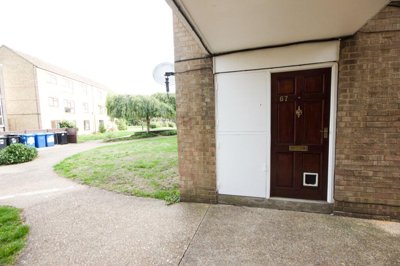
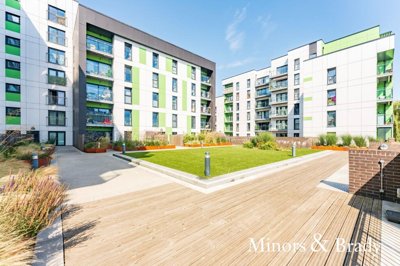
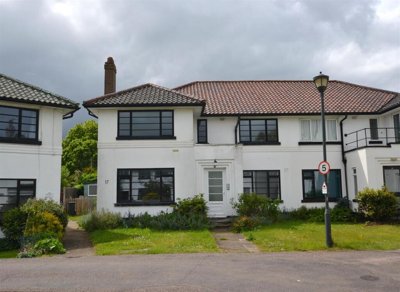
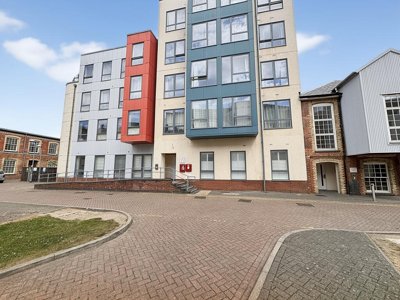
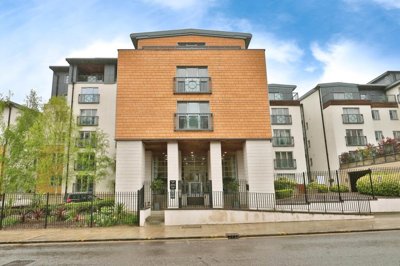
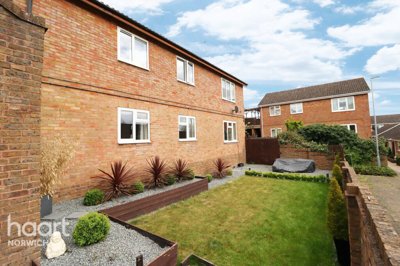
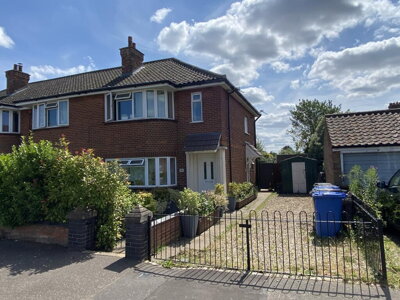
Browse 18 rental homes to rent in Caistor St Edmund and Bixley from local letting agents.
The 2 bed flat sector typically includes two separate bedrooms, dedicated living areas, and bathroom facilities. Properties in Caistor St Edmund And Bixley span purpose-built blocks, converted period houses, and modern apartment complexes on various floors.
Caistor St Edmund and Bixley reflect the wider South Norfolk rental scene, where steady demand from people who want village life keeps vacancies low. Prices in the NR14 8QL postcode have climbed by 5.2% over the past twelve months, a clear sign that interest in this part of the county remains firm. Most homes here are semi-detached, echoing the traditional Norfolk vernacular that gives the village its familiar street scene. Rental stock often includes brick and flint buildings, some with several decades behind them, so period character sits alongside modern comforts. Nearby NR14 8QZ, where the average sale value is £543,742, shows the premium that buyers and renters place on this scenic location.
For renters, the choice usually runs from compact two-bedroom homes starting from around £900 per calendar month to larger family houses at £1,500 or more, depending on size, condition, and garden amenities. Three-bedroom semi-detached houses are the most common rental option, with the practical bonus of private gardens and off-street parking. Now and again, larger detached homes with four or more bedrooms appear on the market, which suits families needing extra room or home workers who want a separate office. On the edge of the village, the St Andrews Park development offers newer semi-detached homes with modern specifications, giving renters an alternative if they prefer energy-efficient living and lower maintenance.

Daily life in Caistor St Edmund and Bixley moves to the rhythm of rural English living, with a strong community spirit and a gentler pace than nearby urban areas. The village takes its name from the dedication of its historic parish church to Saint Edmund the Martyr, a 14th-century building whose tower has looked out over local life for centuries. Caistor Old Hall, built in 1612, adds another layer to that story, while the remains of Venta Icenorum, the Roman capital of the Iceni tribe, link the area to a past stretching back nearly two thousand years. In the original Caistor St Edmund parish, the population of approximately 289 residents creates a close-knit setting where neighbours often know each other by name and local events pull people together throughout the year.
Outdoors, the area gives residents plenty of room to breathe. Caistor St Edmund and Bixley sit on the banks of the River Tas, which winds through quiet farmland and opens up pleasant walking routes along the water. Dunston Common, close by, includes a Grade II Listed detached property and offers open space for recreation and wildlife watching. One of the original Chain Home Radar pylons from World War II still stands nearby too, a stark reminder of the village’s wartime role. With footpaths and bridleways spread across the wider parish, dog walkers, joggers, and anyone who enjoys the countryside on the doorstep will find plenty to explore, while Norwich and the market towns of South Norfolk remain within easy reach.

Families looking to rent here will find a useful spread of schools within reach of the village. Primary education is served by schools in surrounding villages, including St Peter and St Paul CofE Primary Academy in nearby Loddon and other options in neighbouring communities. South Norfolk’s position means several primaries sit within a comfortable drive, and many operate their own transport arrangements for families who live further out. For younger children, nursery and early years provision in nearby villages gives a countryside start to education. Because the population is small, some families choose to live in Caistor St Edmund while their children attend schools in nearby towns where extra facilities and extracurricular activities are available.
Secondary school choices usually take students into Norwich or the surrounding market towns, where several well-regarded academies and schools are reachable by public transport or school bus. Thegurston School in Norwich and Old Buckenham High School are examples of secondary options within a sensible travelling distance. For families who are focused on academic routes, Norfolk’s grammar school provision offers another path, with entrance exams normally sat in the final year of primary school. Norwich also brings sixth form and further education into easy reach, with several colleges and the University of East Anglia giving a route from secondary school through to degree level. Anyone renting in Caistor St Edmund and Bixley should think carefully about catchment areas and transport, especially if children are nearing secondary school age.

Rural location aside, transport is one of the stronger points here. The village gives straightforward access to the A146, which links Norwich to Beccles and Lowestoft and ties residents into the wider road network. Norwich city centre lies approximately five miles to the northwest, so commuting into town is perfectly workable for people who want village life after work. The A47 southern bypass opens up further routes across Norfolk, including connections towards King’s Lynn and the Midlands via the A11. For air travel, Norwich Airport sits to the north of the city and can be reached within thirty minutes from the village.
Bus services are the backbone of public transport from Caistor St Edmund and Bixley, with several routes running through the day to Norwich and the surrounding towns. Norwich railway station, in the city centre, provides national rail links including services to London Liverpool Street, with journey times of approximately two hours to the capital. There are also connections to Cambridge, Peterborough, and Birmingham, which keeps the village practical for commuters working in different parts of the region. Cyclists benefit from Norfolk’s relatively flat countryside, with quiet lanes and dedicated routes making sustainable travel to nearby workplaces pleasantly realistic. Even without a car, daily life is manageable through walking, cycling, buses, and the occasional taxi or car club booking for bigger shops or trips that need a vehicle.

Renting in Caistor St Edmund and Bixley does mean taking a few rural-specific points seriously. Flood risk is one of the main ones, given the village’s position on the banks of the River Tas and the wider area’s history of surface water and groundwater drainage problems. Homes closer to the river or in lower-lying spots may face a greater risk in periods of heavy rain, so we would always ask about flood history and drainage before agreeing to a tenancy. Buildings insurance, which forms part of many rental arrangements, can be higher in areas with recognised flood risk, and that is often reflected in the rent. It is also sensible to check the level of insurance cover and know who is responsible for looking after drains and gutters during the tenancy.
Historic and listed buildings also shape what can and cannot be done with some homes in the village. A property near the Venta Icenorum archaeological site, or close to listed buildings, may sit within planning controls that protect the character of the area. Certain alterations can need permission from the local planning authority even during a tenancy, although landlords usually handle the applications. Older housing stock brings plenty of charm, but it can ask for more maintenance than newer homes, so fixtures and fittings should be recorded carefully at the start. Private drainage systems are common in rural places like this, and they need regular maintenance and the occasional emptying, with the cost usually falling to tenants as part of their rental responsibilities.

Start by getting to know Caistor St Edmund and Bixley, then sort a rental budget in principle through Homemove so we know exactly what can be afforded before any viewings. That keeps us from chasing homes outside range and shows landlords that we are serious, financially ready tenants.
Next, browse rental listings on Homemove and speak to local letting agents about available homes that fit the brief. Caistor St Edmund and Bixley has a competitive rental market, so registering with several agents gives us a better chance of finding the right place quickly. We should be ready to move fast when suitable properties appear, because desirable homes often let within days of listing.
Once properties are shortlisted, arrange viewings and use them to check the condition, garden boundaries, and the feel of the neighbourhood. We should pay close attention to the home’s position in relation to flood risk areas and the condition of any drainage systems. It also helps to ask the landlord or agent about the property’s history, any recent works, and exactly what is included in the rental agreement.
Before any tenancy is signed, we would book a professional survey to pick up structural issues or defects that might need attention. Older homes in Caistor St Edmund and Bixley can come with damp, roof condition concerns, or outdated electrical systems, and a survey can flag those early. It is money well spent, and the findings can sometimes help when terms are discussed with the landlord.
After we have chosen a property and finished the necessary checks, the letting agent or landlord will ask for referencing, proof of identity, and a deposit to secure the tenancy. In England, deposits are capped at five weeks' rent where the annual rent is less than £50,000. We should always receive clear paperwork showing which deposit protection scheme is being used, along with our rights around getting the deposit back at the end of the tenancy.
Once the tenancy agreement is signed and the deposit and first month's rent are paid, we can collect the keys and move into a Caistor St Edmund and Bixley home. Meter readings should be taken straight away, the inventory checked in full, and any discrepancies reported within the stated timeframe so the deposit is protected when the tenancy ends.
There is no separate rental dataset published just for Caistor St Edmund and Bixley, but homes here generally reflect the area’s desirability and its link to Norwich. Two-bedroom properties usually start from around £900 per calendar month, while three-bedroom family homes commonly sit between £1,100 and £1,400 per month. Larger four-bedroom detached houses may command £1,500 or more, depending on condition, location, and the amenities included. Because the local market is competitive, well-presented homes in good order often sit towards the top of those ranges.
South Norfolk Council covers properties in Caistor St Edmund and Bixley, and council tax bands run from A through to H according to assessed value. Most homes in the village fall within bands B through E, with band D a common classification for a typical three-bedroom house. Annual council tax charges set by South Norfolk Council include district, county, and parish council elements, and residents pay according to the band attached to the property. Before committing to a tenancy, it is sensible to confirm the band with the landlord or agent.
School provision within the village itself is limited because Caistor St Edmund and Bixley is so small, so families usually look to nearby villages such as Framingham Earl or Poringland for primary education. Secondary pupils commonly travel into Norwich or to market towns including Wymondham and Loddon, where several schools use catchment-based admissions. The location also gives access to faith schools, academies, and grammar schools for those who qualify. We would always recommend checking specific catchment areas and transport arrangements before choosing a rental property in the village.
By road, bus, or bike, the village has workable links for everyday travel. Bus services connect Caistor St Edmund and Bixley to Norwich and surrounding towns, with several routes offering decent frequency during the day. Norwich railway station provides national rail connections, including direct services to London Liverpool Street, and the village sits approximately five miles from the station. The A146 runs through the area and gives access to Norwich and the wider A47 network. A car is the easiest option for many residents, but life without one is still manageable through buses, cycling, and the occasional taxi when more flexibility is needed.
Caistor St Edmund and Bixley offers a strong quality of life for renters who want rural village living within easy reach of Norwich city centre. Historic character, open countryside, and a genuine sense of community make the area appealing to families, couples, and individuals who value quieter surroundings. Demand is strong, so rental homes can be competitive and the better ones often draw several enquiries quickly. The main trade-off is the modest amount of local amenity within walking distance, plus the practical side of rural living, including flood risk in certain spots and the need for car ownership if complete convenience matters.
Across England, tenant fees are tightly regulated, and most payments beyond rent and deposit were banned under the Tenant Fees Act 2019. Permitted payments include a refundable deposit capped at five weeks' rent where the annual rent is below £50,000, held in a government-approved deposit protection scheme. We may also be asked for a holding deposit of up to one week's rent while referencing and checks are completed. Other permitted costs include reasonable changes to the tenancy agreement at the landlord's request and late payment charges after fourteen days at a rate of 3% above the Bank of England base rate. We should always ask for a receipt and a written breakdown before paying anything.
Flood risk deserves serious attention here because Caistor St Edmund and Bixley sits on the banks of the River Tas and the wider area has a history of surface water and groundwater drainage difficulties. Homes in lower-lying positions nearer the river may face greater risk during heavy rainfall or prolonged wet weather. We would ask the landlord or agent for the property’s flood history, check the Environment Agency flood risk maps for the exact location, and take out contents insurance that covers flood damage. Building insurance premiums can also be higher in flood risk areas, and that sometimes feeds through into rental prices.
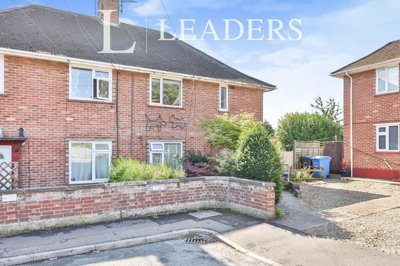
The local rental stock is dominated by semi-detached homes that reflect the traditional Norfolk housing pattern, though detached houses and cottages do turn up as well. Most rentals offer two to four bedrooms, which makes the village a good fit for families and for couples who want more room than city living usually gives. There is a mix of older period homes with character features and more modern builds, including some contemporary properties at the newer St Andrews Park development. Garden space is a standard part of many rentals here, giving residents private outdoor space that is often hard to come by in urban markets.
From 4.5%
We pre-approve the rental budget before the search begins
From £120
Professional tenant referencing gives our rental application more weight
From £85
Energy performance certificate for your rental property
From £100
Protect your deposit with a professional inventory check
Looking beyond the monthly rent is essential when budgeting for Caistor St Edmund and Bixley. The usual upfront commitment includes the first month's rent, a refundable deposit of up to five weeks' rent, and, in some cases, a holding deposit of one week's rent while the application is processed. For a typical three-bedroom property rented at £1,200 per month, we would budget approximately £8,400 upfront, made up of £1,200 for the first month, £5,538 for the security deposit, and potentially £1,200 holding deposit. Removal costs, utility connections, and contents insurance can add several hundred pounds more to the moving budget.
Monthly costs do not stop once the keys are handed over. Rent is paid in advance, council tax depends on the property’s banding, and there are utility bills for gas, electricity, and water. Internet and mobile phone contracts, television licensing if applicable, and contents insurance also need to sit in the monthly budget. Homes in this rural area can have higher heating costs than compact urban flats because they are often larger and sometimes older in construction. The Tenant Fees Act 2019 means landlords cannot charge most additional fees, but tenants still remain responsible for rent arrears charges, reasonable costs for tenancy amendments, and damages beyond normal wear and tear at the end of the tenancy. A detailed inventory report at the start gives us vital protection for the deposit when we eventually move out.
Properties to Rent In London

Properties to Rent In Plymouth

Properties to Rent In Liverpool

Properties to Rent In Glasgow

Properties to Rent In Sheffield

Properties to Rent In Edinburgh

Properties to Rent In Coventry

Properties to Rent In Bradford

Properties to Rent In Manchester

Properties to Rent In Birmingham

Properties to Rent In Bristol

Properties to Rent In Oxford

Properties to Rent In Leicester

Properties to Rent In Newcastle

Properties to Rent In Leeds

Properties to Rent In Southampton

Properties to Rent In Cardiff

Properties to Rent In Nottingham

Properties to Rent In Norwich

Properties to Rent In Brighton

Properties to Rent In Derby

Properties to Rent In Portsmouth

Properties to Rent In Northampton

Properties to Rent In Milton Keynes

Properties to Rent In Bournemouth

Properties to Rent In Bolton

Properties to Rent In Swansea

Properties to Rent In Swindon

Properties to Rent In Peterborough

Properties to Rent In Wolverhampton

Enter your details to see if this property is within your budget.
Loans, cards, car finance
Estimated property budget
Borrowing + deposit
You could borrow between
Typical borrowing
Monthly repayment
Est. at 4.5%
Loan-to-value
This is an estimate only. Your actual budget may vary depending on interest rates, credit history, and personal circumstances. For an accurate affordability assessment, speak to one of our free mortgage advisors.
This calculator provides estimates for illustrative purposes only and does not constitute financial advice. Your home may be repossessed if you do not keep up repayments on your mortgage. Estimates based on 4.5% interest rate, repayment mortgage. Actual rates depend on your circumstances.
Homemove is a trading name of HM Haus Group Ltd (Company No. 13873779, registered in England & Wales). Homemove Mortgages Ltd (Company No. 15947693) is an Appointed Representative of TMG Direct Limited, trading as TMG Mortgage Network, which is authorised and regulated by the Financial Conduct Authority (FRN 786245). Homemove Mortgages Ltd is entered on the FCA Register as an Appointed Representative (FRN 1022429). You can check registrations at NewRegister or by calling 0800 111 6768.

We use cookies to show you personalised content and improve your experience of our website. Find out more in our Privacy policy and Cookie policy.