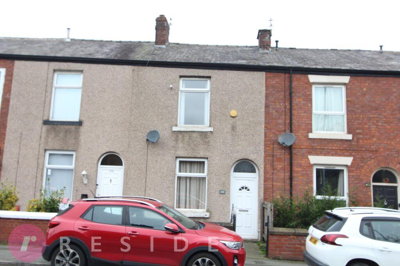
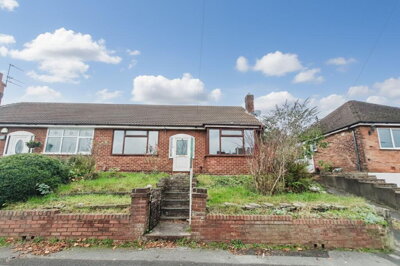
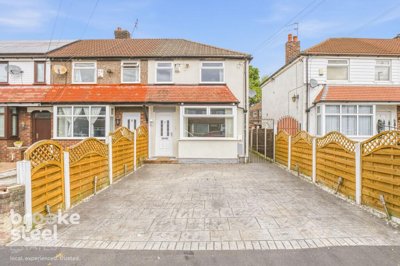
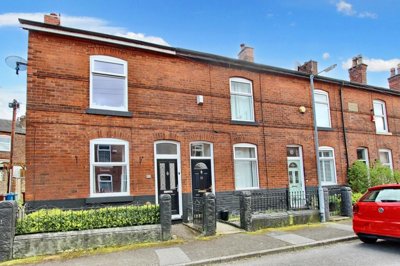
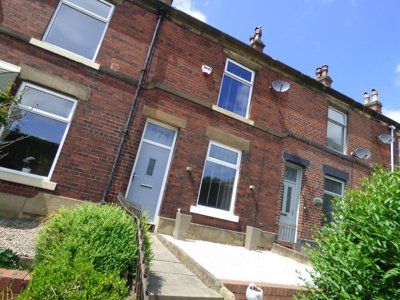
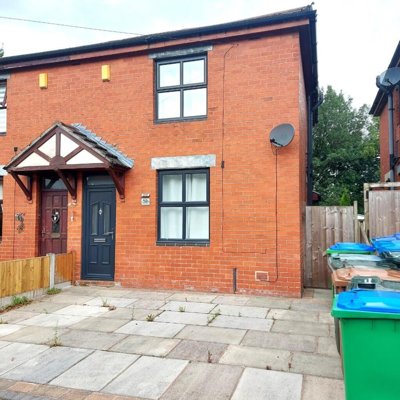
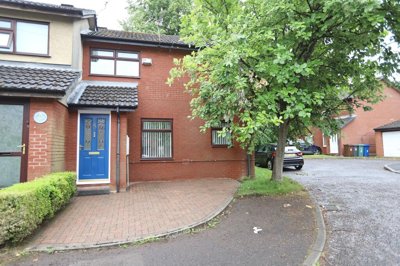
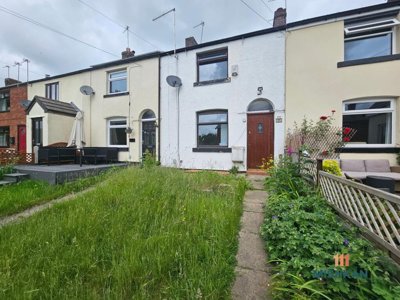
Browse 68 rental homes to rent in Bury, Greater Manchester from local letting agents.
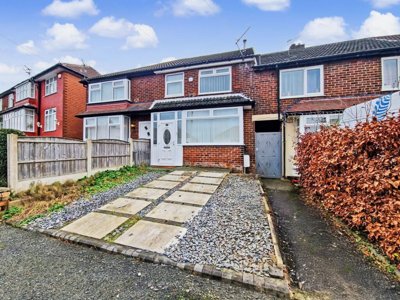
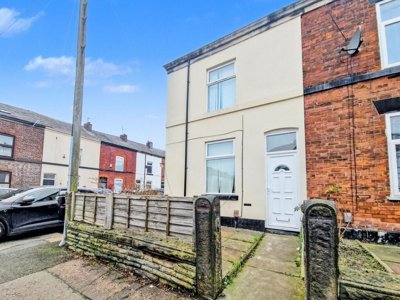
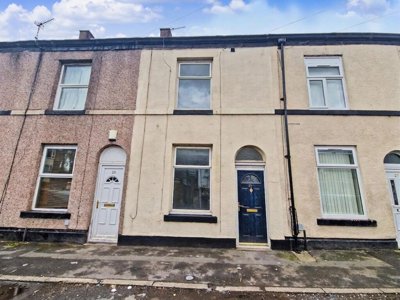
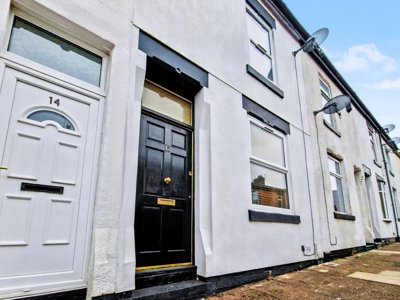
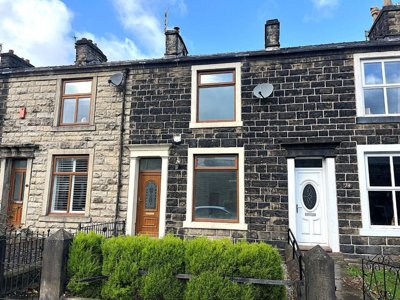
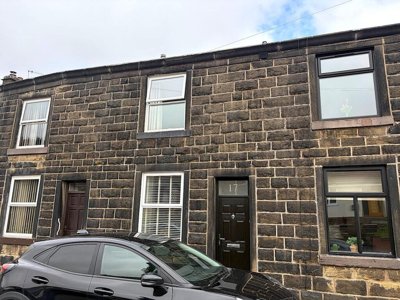
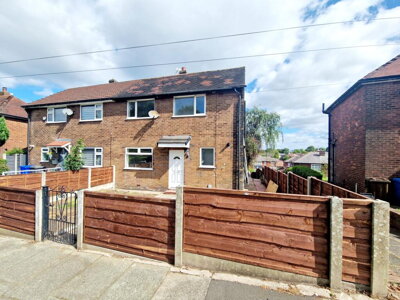
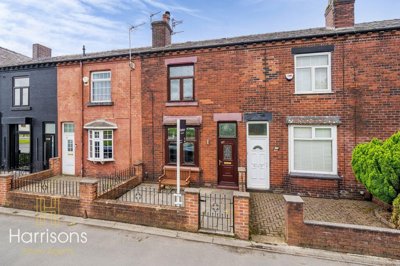
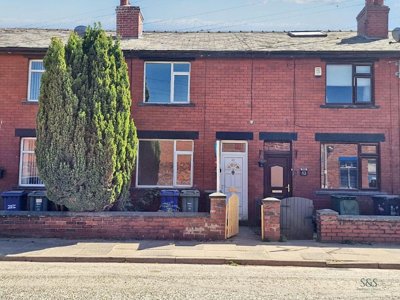
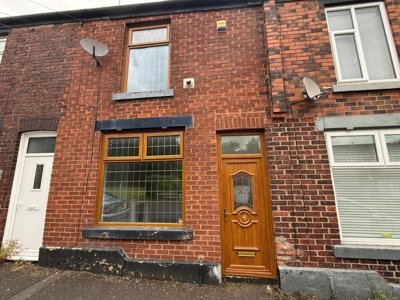
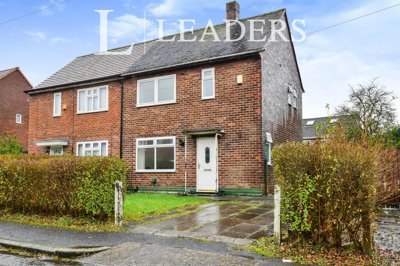
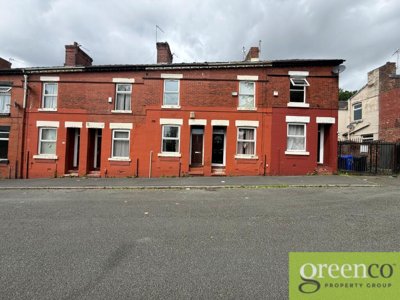
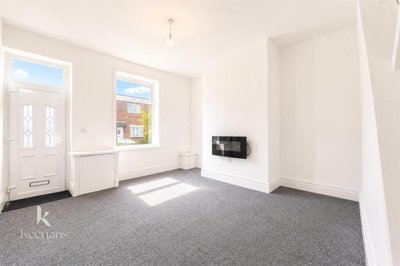
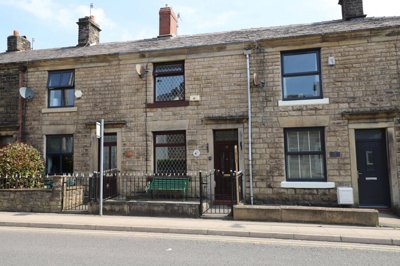
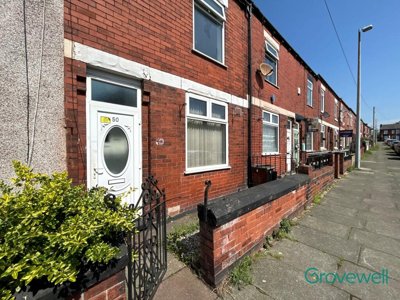
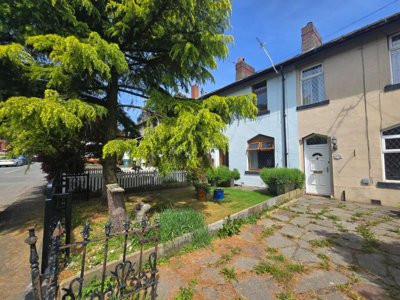
The 2 bed house market features detached, semi-detached, and terraced properties with two separate bedrooms plus living spaces. Properties in Bury range from Victorian and Edwardian period homes to modern new builds, with pricing varying across different neighbourhoods.
£995/m
14
0
51
Source: home.co.uk
Showing 14 results for 2 Bedroom Houses to rent in Bury, Greater Manchester. The median asking price is £995/month.
Source: home.co.uk
Terraced
10 listings
Avg £951
Semi-Detached
4 listings
Avg £1,086
Source: home.co.uk
Source: home.co.uk
Bury's rental market has changed a lot over the past decade, with private renting rising from 13.8% of households in 2011 to 17.7% in 2021. That shift mirrors the wider national picture, as more people opt for the flexibility of renting rather than buying. For anyone starting out in Bury, flats and maisonettes are usually the easiest way in, with lower monthly rents than larger family homes. The housing stock is broad, too, from Victorian terraces to modern apartments, so there is real choice across different property types and price points.
Market data shows Bury still draws strong tenant demand, helped by its place within Greater Manchester. Semi-detached homes make up a sizeable share of the local stock, and they often come with three bedrooms and a garden, which keeps them popular with families. Terraced houses are still common in older neighbourhoods, where character tends to come with competitive rents. New-build apartments have also appeared in recent years, offering modern rental options for people who want contemporary fixtures and better energy efficiency. It is a market that suits plenty of life stages, from first-time tenants after an affordable flat to established families needing room to spread out and decent schools nearby.
Bury's growing private rental sector gives tenants more to choose from, and that usually keeps pricing competitive. As more landlords enter the market, properties are often better maintained and the range of accommodation styles widens. Period homes with original features sit alongside modern flats that meet current energy standards. Local letting agents list homes at every level, from compact flats near the town centre to larger family houses on suburban streets.

Urban convenience and green space sit neatly together in Bury, which gives the town a balanced feel. The town centre is home to the historic Bury Market, well known for its quality food stalls and traditional offerings, as well as modern shopping centres for everyday essentials. Residential areas spread out from the centre in every direction, and each one has its own character. Radcliffe to the north and Whitefield to the east offer suburban living with solid local amenities, while the streets closer to the town centre bring strong transport links and easy walkable access to facilities.
According to the 2021 Census, the borough's population reached 193,846, across 74,335 households with an average of 2.4 persons per household. That household size has stayed fairly steady, which suggests Bury continues to appeal to families and working professionals. The local economy benefits from a varied and skilled population, although the Housing Needs Assessment makes clear that a significant share of demand comes from people working outside the borough, often on higher incomes that feed through into property prices. Community life centres on parks, sports facilities and cultural venues, with the Bury Art Museum and The Met theatre adding depth. The River Irwell and the surrounding countryside also give residents plenty of room for outdoor recreation.
Choosing where to rent in Bury really comes down to what matters most to the household. Locations close to the town centre mean shorter trips to Metrolink stops and a wider selection of shops and restaurants. Whitefield and Radcliffe, by contrast, tend to offer quieter roads, larger gardens and good schools within walking distance. There is a different feel from one area to the next, from Victorian terraces with plenty of character to newer developments with modern convenience. A few visits to different parts of the town before committing to a tenancy can make the decision much clearer.

Education in Bury covers every stage, from nursery through to further education. At primary level, Bury Catholic Preparatory School and Bury Grammar School for Boys sit alongside numerous other primary schools spread across residential areas. Parents renting in Bury should look closely at school catchments, because admission policies often prioritised children living within designated areas. Both state and independent options are available locally, so families have genuine choice when it comes to education.
On the secondary side, Bury has several long-established schools, including St. Mary's Catholic High School and the Bury Grammar Schools, both of which have built strong reputations over many years. The borough keeps a grammar school system in place, with selective admissions based on academic assessment. For older students, sixth form provision is available through secondary schools and colleges, while Bury College offers a broad mix of vocational and academic courses. Families should bear in mind that performance and Ofsted ratings vary across the borough, so current data is worth checking before deciding where to live. Because Bury is close to Manchester, some families also look at independent schools across the wider region.
School catchments need proper research before a tenancy is signed. Homes in the most sought-after areas often carry higher rents because demand from families with school-age children stays strong. A street can fall inside a catchment boundary while the next road does not, so exact location matters. Letting agents may point you in the right direction, but it is still best to confirm details with the schools themselves for the latest information. Where children are of different ages, it also makes sense to check that suitable schools are available at every stage within the chosen neighbourhood.

For commuters and families alike, transport is one of Bury's strongest points. The Metrolink tram system serves Bury town centre and reaches Manchester city centre in approximately 25 minutes. That direct link makes the town especially attractive to people who need regular access to Manchester's jobs without paying city centre prices. Services run through the day and into the evening, which suits flexible working patterns and shifts.
Rail services from Bury link into Manchester Victoria station, and for many journeys the travel time is similar to the tram. The wider Greater Manchester network also brings extensive bus services, connecting Bury with nearby towns and villages. Drivers have the A56 for direct access to Manchester city centre, while the M60 and M62 open up routes across the north of England. Manchester Airport is usually a 30-40 minute drive from central Bury, so international travel stays within easy reach. Cyclists can use the growing infrastructure across Greater Manchester, although hilly ground in some parts means route planning matters.
Transport costs deserve a close look when we compare different Bury neighbourhoods. Homes within walking distance of Metrolink stops usually carry a rent premium, but they can save commuters to Manchester money on parking and vehicle upkeep. Bus services are uneven across the borough, with more frequent routes on the main corridors and less coverage in some suburban pockets. If work takes you to several places, it is worth checking transport options carefully before choosing an area. For some professions, quick access to Manchester Airport will matter a great deal, and central Bury generally gives the most reliable links to international flights.

Before we start a property search, we always recommend speaking to lenders or brokers to secure a rental budget agreement. It shows borrowing capacity, helps set a comfortable rent level, and gives estate agents and landlords confidence in an application. Council tax, utilities and any maintenance contributions need to sit alongside the rent in the budget, not after it.
Different parts of Bury are well worth exploring, because each area suits different priorities. Commute times, school catchments, local amenities and the feel of the community all matter when narrowing down preferred locations. From the ease of town centre living to the space and quieter streets of the suburbs, Bury offers clear advantages for different household types.
Once suitable homes have been shortlisted, viewings can be arranged through Homemove or directly with letting agents. It pays to see several properties, so condition, location and value can be compared properly. We suggest taking notes during viewings and photographing anything that may need a second look or a question later. The condition of fixtures, how responsive the landlord or agent seems, and the general atmosphere of both the property and the neighbourhood all deserve attention.
Before moving into any rental property, a professional inventory check should be booked to record the condition of fixtures, fittings and furnishings. That creates a clear baseline at the start of the tenancy for both tenant and landlord, which makes check-out far easier later on. The cost is small, but it can prevent serious disputes at the end of the tenancy.
Successful referencing will be needed for the chosen property, and that usually involves checks on employment, income, previous landlord references and credit history. Having the paperwork ready in advance helps avoid delays. After referencing is passed, the tenancy agreement is signed and the deposit plus first month's rent are paid. The agreement should be read carefully before signing, with questions asked about any clause that is unclear.
Once the keys are collected, it is time to organise the move and get to grips with tenant responsibilities. Register with local services, learn the neighbourhood and report any problems to the landlord or letting agent without delay. Bury's welcoming communities make settling in fairly straightforward for new residents. A quick introduction to neighbours and a look around the local facilities can make a place feel like home sooner.
Renting in Bury calls for the same careful thinking as any other area, but there are a few local points that matter. Parts of the borough face flood risk because Bury sits in the Irwell Valley and close to the River Irwell and its tributaries. Prospective tenants should ask about flood history for any home near water features or in low-lying spots. Surface water flooding can also affect urbanised parts of the borough in heavy rain, so checking Environment Agency maps gives useful background before a tenancy is agreed.
Bury's coal mining heritage means some homes may sit above or near former mining areas, where ground stability needs to be considered. Subsidence risk varies from place to place, but older properties in particular can show movement over time. In conservation areas, planning restrictions may limit alterations that tenants can make, so it is wise to understand those limits before signing. Across Bury, building materials usually reflect the northern English vernacular, with traditional brick walls and slate or tile roofs. Older houses may need more maintenance, so the landlord's approach to repairs is an important part of the discussion.
There are several conservation areas across Bury, usually centred on the historic town centre, older mill complexes and established residential streets with period homes. Properties in these designated areas often feature traditional brickwork and period detailing that need careful upkeep. If a conservation area is on the table, we would always suggest talking through any planning restrictions with the landlord or letting agent first. Those rules may affect alterations, satellite dishes or changes to external colours, and getting that clear early helps avoid frustration later in the tenancy.

Rental prices move around all the time, so live listings give the clearest picture, but the average property sale price in Bury reached £238,000 in December 2025. In any area, rental prices usually sit in line with sale values. Flats and smaller homes start at lower monthly rents, while semi-detached and detached family properties command higher monthly figures. Current Homemove listings remain the best way to see today's rental market in Bury properly.
Council tax in Bury is administered by Bury Metropolitan Borough Council. Properties fall into bands A through H, although most homes sit in bands A through D, depending on the assessed value. The exact band for any property can be checked through the Bury Council website or the listing details, and council tax bills are helpful when working out annual costs. It is one of the main ongoing expenses alongside rent, so it needs to be built into the overall budget.
Bury has a strong selection of schools, including Bury Grammar School, St. Mary's Catholic High School and several primary schools judged Good or Outstanding by Ofsted. Grammar schools use selective admissions based on academic assessment, while other schools admit children according to catchment proximity. Looking at current Ofsted reports and admission policies helps families find schools that fit their children's needs. Because performance data changes over time, the latest official information gives the most accurate base for a rental search built around education.
Public transport in Bury is excellent, with the Metrolink tram network running from Bury town centre to Manchester city centre in approximately 25 minutes. Northern Rail services also run from Bury, linking into the wider rail network across the north of England. Bus services cover the borough well and connect Bury with nearby towns including Radcliffe, Whitefield and Bolton. The M60 and M62 are accessible by car, and Manchester Airport is close enough for regular international travel.
For renters who want Greater Manchester living without Manchester city centre prices, Bury offers strong value. Good transport links, solid local amenities and a strong community spirit run through its neighbourhoods. A population increase of 4.8% between 2011 and 2021 shows sustained appeal, while the expanding private rental sector points to healthy market conditions for tenants. Families are drawn to the school options, and professionals value the links into Manchester's employment centres. The borough's variety means different areas suit different household types and lifestyle preferences.
In England, the standard deposit equals five weeks' rent and must be protected in a government-approved deposit scheme within 30 days of receipt. Most tenant fees were banned from June 2019 under the Tenant Fees Act, so charges from landlords and letting agents are now largely prohibited. Referencing may still be charged, but only at the actual cost of the check. We would budget for the first month's rent plus deposit before moving in, along with possible costs for inventory checks and tenant referencing services. Holding deposits are capped at one week's rent.
Bury sits in the Irwell Valley, which means some areas close to the River Irwell and its tributaries face river flooding risk. Surface water flooding can also happen in more urban parts of the borough during heavy rain. Specific flood risk for any property can be checked through the Environment Agency website, which provides detailed flood maps covering river, surface water and reservoir risk. Landlords must provide an Energy Performance Certificate, and many now include flood risk information in their letting paperwork as well. Homes in higher-risk areas may also need contents insurance with specific flood cover.
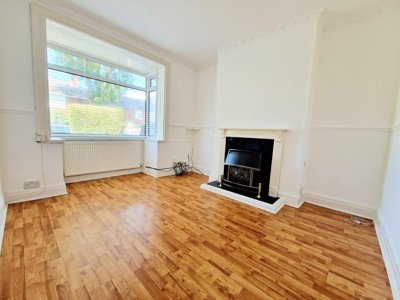
Bury's rental market includes a wide mix of property types to suit different budgets and needs. Victorian and Edwardian terraced houses bring character to established neighbourhoods near the town centre, often with original fireplaces, high ceilings and traditional layouts. Semi-detached homes, especially common in suburban areas like Whitefield and Radcliffe, tend to provide three-bedroom family accommodation with gardens. Modern apartments and flats work well for people wanting lower-maintenance living or more affordable rents. Flats can range from studios to two-bedroom homes, while maisonettes do appear from time to time for those who want more space and a separate entrance arrangement.
From 4.5%
Work out the renting budget before starting any property search. Homemove can help us understand what rent can be afforded.
From £30
Employment, income, and credit checks required by landlords and letting agents.
From £80
Professional documentation of property condition at check-in and check-out.
From £85
Energy Performance Certificate required for all rental properties.
Knowing the full cost of renting makes budgeting much more accurate and cuts down on surprises when securing a Bury home. The standard deposit equals five weeks' rent and must be protected in a government-approved scheme such as Deposit Protection Service, MyDeposits or Tenancy Deposit Scheme within 30 days of receipt. That protection is there so the deposit can be returned at the end of the tenancy, minus any legitimate deductions for damage or unpaid rent. The landlord must also provide prescribed information about the protection scheme within 28 days of receiving the deposit.
Since the Tenant Fees Act 2019 came into force, most letting fees charged to tenants have been banned in England. Permitted payments now include rent, a refundable deposit capped at five weeks' rent, and holding deposits capped at one week's rent. References and credit checks may still be charged, but only at cost price. Some inventory services can still be charged to tenants, although many landlords cover them. First-time renters should also set aside money for removal costs, furniture if the property is unfurnished, and connection charges for utilities and broadband when moving in.
When the moving budget is being worked out, remember to look beyond rent and deposit. Council tax applies to all rented homes and varies by band, usually ranging from around £1,400 to £2,100 annually for bands A through D in Bury. Utility connection fees, internet installation charges and contents insurance all add to the upfront cost of settling into a new rental property. A contingency fund for unexpected repairs or emergency expenses gives financial breathing room throughout the tenancy and helps us deal with issues calmly if they arise.
Properties to Rent In London

Properties to Rent In Plymouth

Properties to Rent In Liverpool

Properties to Rent In Glasgow

Properties to Rent In Sheffield

Properties to Rent In Edinburgh

Properties to Rent In Coventry

Properties to Rent In Bradford

Properties to Rent In Manchester

Properties to Rent In Birmingham

Properties to Rent In Bristol

Properties to Rent In Oxford

Properties to Rent In Leicester

Properties to Rent In Newcastle

Properties to Rent In Leeds

Properties to Rent In Southampton

Properties to Rent In Cardiff

Properties to Rent In Nottingham

Properties to Rent In Norwich

Properties to Rent In Brighton

Properties to Rent In Derby

Properties to Rent In Portsmouth

Properties to Rent In Northampton

Properties to Rent In Milton Keynes

Properties to Rent In Bournemouth

Properties to Rent In Bolton

Properties to Rent In Swansea

Properties to Rent In Swindon

Properties to Rent In Peterborough

Properties to Rent In Wolverhampton

Enter your details to see if this property is within your budget.
Loans, cards, car finance
Estimated property budget
Borrowing + deposit
You could borrow between
Typical borrowing
Monthly repayment
Est. at 4.5%
Loan-to-value
This is an estimate only. Your actual budget may vary depending on interest rates, credit history, and personal circumstances. For an accurate affordability assessment, speak to one of our free mortgage advisors.
This calculator provides estimates for illustrative purposes only and does not constitute financial advice. Your home may be repossessed if you do not keep up repayments on your mortgage. Estimates based on 4.5% interest rate, repayment mortgage. Actual rates depend on your circumstances.
Homemove is a trading name of HM Haus Group Ltd (Company No. 13873779, registered in England & Wales). Homemove Mortgages Ltd (Company No. 15947693) is an Appointed Representative of TMG Direct Limited, trading as TMG Mortgage Network, which is authorised and regulated by the Financial Conduct Authority (FRN 786245). Homemove Mortgages Ltd is entered on the FCA Register as an Appointed Representative (FRN 1022429). You can check registrations at NewRegister or by calling 0800 111 6768.

We use cookies to show you personalised content and improve your experience of our website. Find out more in our Privacy policy and Cookie policy.