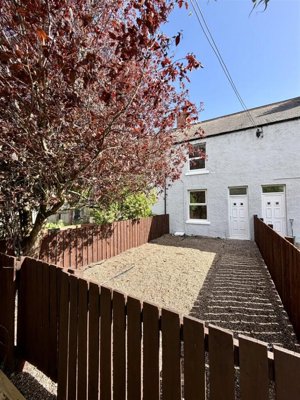
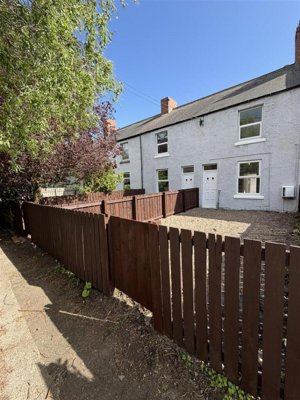
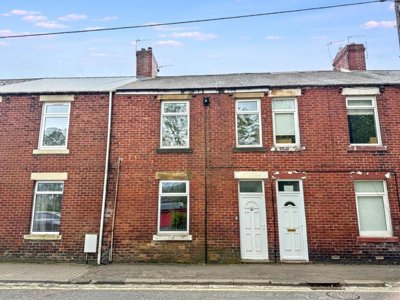
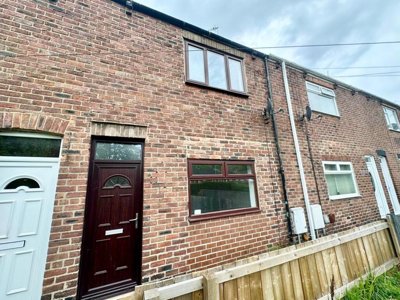
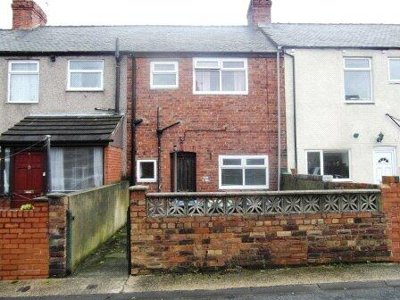
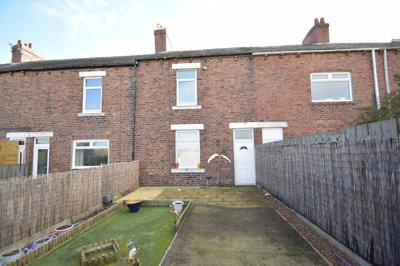
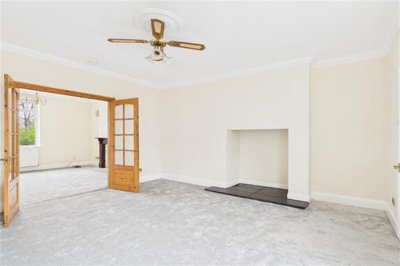
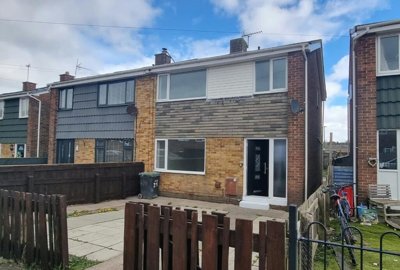
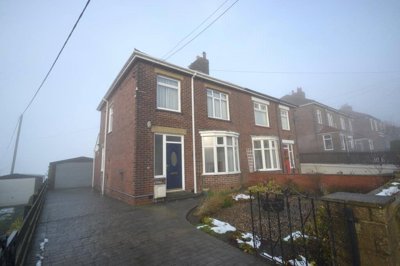
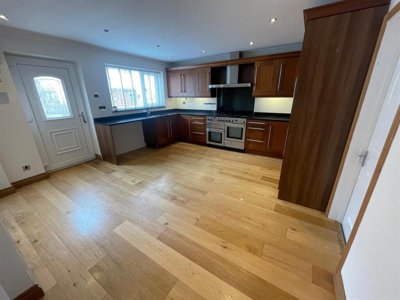
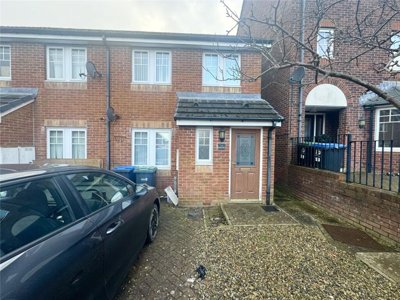
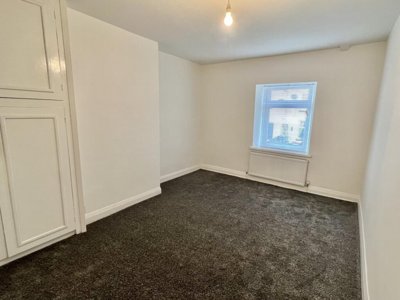
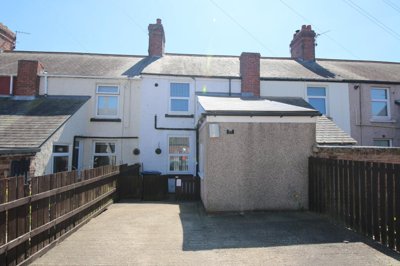
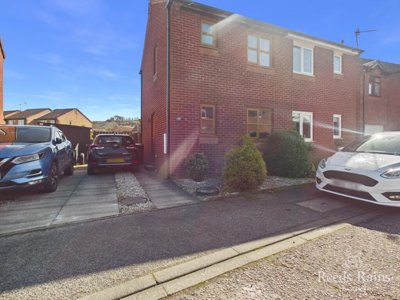
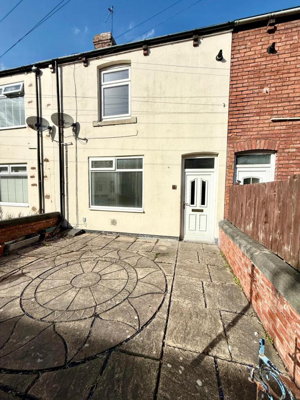
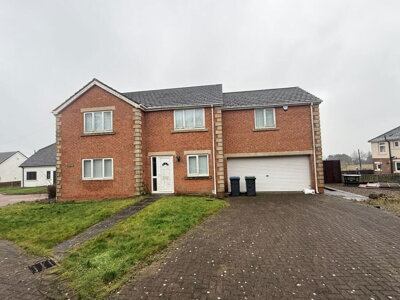
Browse 16 rental homes to rent in Burnhope, County Durham from local letting agents.
The Burnhope property market offers detached, semi-detached, and terraced houses spanning various price ranges and neighbourhoods. Each listing includes detailed property information, photographs, and direct contact with the marketing agent.
£0/m
0
0
0
Source: home.co.uk
Showing 0 results for Houses to rent in Burnhope, County Durham.
Sold-price evidence from homedata.co.uk puts Burnhope below the bigger County Durham towns, but there is still enough activity to give renters a useful benchmark. Over the last 12 months, the average sold price was £149,194. Detached homes averaged £270,250, semis £141,000, and terraces £116,083. Taken together, that points to a village shaped more by practical houses than by a wide spread of apartment stock. A few listings also refer to mid-link homes built in 2008, so newer stock does sit alongside older homes.
Recent movement looks encouraging rather than overheated. Prices are up 4% on the previous year, yet still 12% below the 2023 peak of £185,780. For renters, that can mean an active market without the feel of a scramble. We have not found clear evidence of a named new-build development within Burnhope itself, so fresh supply is likely to come through in a more piecemeal way. Anyone chasing a very specific layout or finish should widen the search to nearby County Durham villages as well.

There is still a real village feel in Burnhope, which suits renters after quieter streets, a bit more room, and a base that feels rural without being cut off from the rest of the county. The research supplied does not include a population figure, though the housing evidence points to a modest settlement with semi-detached, terraced, and detached homes rather than a tight urban grid. That kind of mix often draws couples, small families, and older renters who prefer calmer surroundings. It tends to feel more settled than many town-centre rental patches.
One reassuring local point is the very low flood risk from rivers, seas, and surface water, especially if Burnhope is being weighed against lower-lying areas. The village is not identified as a Conservation Area, and there is no Article 4 planning restriction in place, so the planning backdrop is simpler than in plenty of heritage villages. The research did not provide specific geology or shrink-swell information, which is a useful reminder not to assume a listing tells the whole story. We would still check walls, gutters, gardens, and drainage carefully.
Daily life in Burnhope is more about practicality than nightlife or major shopping streets. For cafés, bigger shops, or specialist services, most people will look to nearby towns, then come back to the quieter pace here. That suits renters working hybrid patterns, and people who like countryside walks at weekends. Less so for anyone wanting to step straight onto a busy high street.
The supplied research does not name schools within Burnhope itself, so families should treat education checks as part of the viewing process, not something left until later. As Burnhope is a small village, most school choices are likely to depend on nearby County Durham catchments, school transport, and the exact postcode of the home. Durham County Council is the authority to check for admissions, nursery places, and published catchment information. A property can seem ideal until the school run starts adding time and cost to the week.
For parents needing primary, secondary, or sixth-form places, we would ask 3 things early. Which school does the address feed into, how does the journey work in term time, and what happens if catchment rules change? That matters even more in a village where homes can be scarce, because nobody wants to commit and then find the school run is awkward. Further education options will usually be easier to find in larger nearby settlements than within the village boundary. If education is driving the move, start with the schools and match the property search to the route.

Burnhope works better as a road-first village than a rail hub. That has a direct effect on commuting, because drivers usually get a more predictable routine than people relying on frequent trains. For anyone travelling into a bigger town or city, the key question is not only the map distance, but how the journey feels at 8am on a wet weekday. A quick peak-time test drive often tells us more than a postcode search.
For non-drivers, public transport is often the deciding factor. Check the latest bus times before committing, and look closely at evening and Sunday services, because those are often the first to be cut back in smaller places. A rural timetable can seem perfectly workable at midday and still be awkward for shift workers or anyone finishing late. Families should also see how school transport lines up with local bus routes.
Village parking is often simpler than parking on dense urban streets, and that can be a genuine plus for households with more than one car. Even so, each viewing should include a proper look at off-street space, turning room, and winter access. Cycling may suit confident riders, but road conditions, weather, and hills can alter the picture quickly in County Durham. Best to test the transport plan in person, not trust the shortest line on a map.
We recommend getting a rental budget agreement in principle before viewing, so you know your ceiling and can move quickly when the right Burnhope home comes up.
It helps to compare Burnhope with the wider DH7 market and nearby villages, so you can see which spots fit your commute, parking needs, and family routine best.
Try to visit in daylight, because rooflines, garden boundaries, drainage, and access are far easier to judge when you can see them properly.
Before committing, confirm the rent, deposit, holding deposit, council tax band, tenancy length, break terms, and exactly what is included.
If the home is older or there are visible issues, we would consider a RICS Level 2 survey or a professional condition review before signing.
Have ID, references, income evidence, and your move-in date ready, because smaller villages often favour tenants who can act decisively.
Burnhope's very low flood risk is a clear positive, but every tenancy still merits a close check of gutters, garden levels, drainage, and any signs of historic damp. In older terraces and semi-detached homes, maintenance problems do not always show themselves in the first 5 minutes of a viewing. Renting a house built in the 2000s or later brings a different checklist, windows, insulation, heating controls, and ventilation should still be performing as they should. A tidy finish can hide a poorly maintained property.
Leasehold flats need extra checking, because service charges, ground rent, and building maintenance can all affect how a landlord deals with repairs. Freehold houses are simpler on paper, though there should still be clarity over fences, driveways, and any shared access. Burnhope is not identified as a Conservation Area and has no Article 4 restriction, so outside changes are not usually controlled as tightly as they would be in a protected historic centre. Even then, it is sensible to ask whether future planning or nearby development could affect outlook, parking, or noise.
With a mix of older housing and some modern homes, Burnhope is not a place where one viewing checklist fits every property. Ask about the age of the heating system, loft insulation, extractor fans, boundary ownership, and whether past repairs were done properly. If a home feels slightly out of character with the rest of the street, that is usually the moment to ask more questions, not fewer. Careful renters often get the better outcome here, because detail matters.
The supplied research does not include a verified average asking rent for Burnhope, so we would not pretend otherwise. For context, homedata.co.uk records show an average sold price of £149,194 over the last 12 months, with detached homes at £270,250, semi-detached homes at £141,000 and terraced homes at £116,083. That places the stock in a fairly practical price bracket, but live rent levels need checking against current home.co.uk listings. Small village markets can shift quickly, especially when only a handful of homes are available at one time.
Burnhope comes under Durham County Council, which means council tax is set by that local authority. The band is tied to the individual property rather than the village alone, so a terrace, a semi-detached home, and a detached house may all sit in different bands. Ask the agent to confirm the exact band before agreeing to a viewing or a tenancy, because the monthly bill can alter the budget more than many renters expect. When comparing homes, we would fold council tax into the monthly total from the start.
The research supplied does not name schools within Burnhope itself, so the best place to start is with current catchments rather than a fixed list. Durham County Council admissions information will show which primary, secondary, or sixth-form route applies to a specific address. In a small village, that matters, because school transport and travel time can count just as much as the school name. If education is a priority, the property should only make the shortlist once the daily route works.
Burnhope is more road-connected than rail-connected. Most renters will depend on cars and local bus links, then use larger County Durham centres for onward rail travel if commuting further afield. Timetable checks matter here, as evening, Sunday, and school-time services can differ sharply from the daytime pattern. Test the route you would really use before deciding a home is practical.
For renters wanting a village setting, Burnhope has plenty in its favour. homedata.co.uk shows an average sold price of £149,194 over the last 12 months, with values 4% higher than the previous year but still 12% below the 2023 peak of £185,780. The housing mix is mainly semi-detached, terraced, and detached homes, and the flood risk is very low. That combination suits people who value calm surroundings and a more settled feel, though limited supply means it helps to move quickly when the right place appears.
For a standard tenancy in England, expect the upfront cost to include a holding deposit, a tenancy deposit, the first month's rent, and any referencing or move-in costs requested by the agent or landlord. The tenancy deposit is usually capped at 5 weeks' rent, and the holding deposit is typically 1 week's rent. Council tax, broadband, and utility set-up will also affect the cash needed on day 1. If the plan later shifts from renting to buying, the current stamp duty thresholds are 0% up to £250,000, 5% from £250,000 to £925,000, 10% from £925,000 to £1.5 million, and 12% above £1.5 million, with first-time buyer relief at 0% up to £425,000 and 5% from £425,000 to £625,000.
The research points to very low flood risk from rivers, seas, and surface water in Burnhope, which is reassuring for tenants. It is not identified as a Conservation Area and no Article 4 planning restriction is in place, so the planning backdrop is fairly straightforward. Still, older homes can have damp, roof, or drainage issues, and leasehold flats may bring service charges or ground rent into the picture. A viewing, a paperwork check, and a sensible survey mindset all still matter.
From 4.5%
Get a rental budget agreement in principle before you begin viewing, and compare the full monthly costs.
From £499
Strengthen the application with professional tenant checks and income verification.
From £350
Before signing, check older or mixed-age homes for damp, roof, and structural issues.
In Burnhope, renting costs are often shaped more by timing than by headline fees. Once a home is found, the first outlay usually includes a holding deposit, a tenancy deposit, the first month's rent, and set-up costs for utilities and broadband. In a village setting, heating and council tax can influence the true monthly cost just as much as the rent, so it is worth building the full figure before applying. That is why we recommend a rental budget agreement in principle before viewings start.
Anyone cross-checking a potential purchase nearby should keep the current stamp duty thresholds in mind, 0% up to £250,000, 5% from £250,000 to £925,000, 10% from £925,000 to £1.5 million, and 12% above £1.5 million. First-time buyer relief is 0% up to £425,000 and 5% from £425,000 to £625,000, with no relief above £625,000. Those figures do not alter a rental contract, but they are useful for households that may move from renting to buying in the same area later. Planning both routes early can stop a budget being stretched too far.
Properties to Rent In London

Properties to Rent In Plymouth

Properties to Rent In Liverpool

Properties to Rent In Glasgow

Properties to Rent In Sheffield

Properties to Rent In Edinburgh

Properties to Rent In Coventry

Properties to Rent In Bradford

Properties to Rent In Manchester

Properties to Rent In Birmingham

Properties to Rent In Bristol

Properties to Rent In Oxford

Properties to Rent In Leicester

Properties to Rent In Newcastle

Properties to Rent In Leeds

Properties to Rent In Southampton

Properties to Rent In Cardiff

Properties to Rent In Nottingham

Properties to Rent In Norwich

Properties to Rent In Brighton

Properties to Rent In Derby

Properties to Rent In Portsmouth

Properties to Rent In Northampton

Properties to Rent In Milton Keynes

Properties to Rent In Bournemouth

Properties to Rent In Bolton

Properties to Rent In Swansea

Properties to Rent In Swindon

Properties to Rent In Peterborough

Properties to Rent In Wolverhampton

Enter your details to see if this property is within your budget.
Loans, cards, car finance
Estimated property budget
Borrowing + deposit
You could borrow between
Typical borrowing
Monthly repayment
Est. at 4.5%
Loan-to-value
This is an estimate only. Your actual budget may vary depending on interest rates, credit history, and personal circumstances. For an accurate affordability assessment, speak to one of our free mortgage advisors.
This calculator provides estimates for illustrative purposes only and does not constitute financial advice. Your home may be repossessed if you do not keep up repayments on your mortgage. Estimates based on 4.5% interest rate, repayment mortgage. Actual rates depend on your circumstances.
Homemove is a trading name of HM Haus Group Ltd (Company No. 13873779, registered in England & Wales). Homemove Mortgages Ltd (Company No. 15947693) is an Appointed Representative of TMG Direct Limited, trading as TMG Mortgage Network, which is authorised and regulated by the Financial Conduct Authority (FRN 786245). Homemove Mortgages Ltd is entered on the FCA Register as an Appointed Representative (FRN 1022429). You can check registrations at NewRegister or by calling 0800 111 6768.

We use cookies to show you personalised content and improve your experience of our website. Find out more in our Privacy policy and Cookie policy.