Browse 4 rental homes to rent in Burnham Norton from local letting agents.
The Burnham Norton property market offers detached, semi-detached, and terraced houses spanning various price ranges and neighbourhoods. Each listing includes detailed property information, photographs, and direct contact with the marketing agent.
173 (2011 Census)
Village Population
£550,000
PE31 Average Property Value
£786,250 median
Detached Properties
82 in broader area
Annual Sales (2025)
Burnham Norton’s rental market, and the wider PE31 postcode area, mirrors how sought-after North Norfolk coastal living has become. Our current listings cover a mix that fits the village’s mainly detached and semi-detached housing stock, while the broader Burnham area logged 82 property sales in 2025 across a range of price points. Detached homes in the wider Burnham cluster sit at the top end, with median prices around £786,250, and terraced cottages and smaller units give a more accessible route into this well-regarded location. Even with recent postcode-level shifts, the market has held up well, with the wider Burnham area posting a 12.4% year-on-year rise in property values.
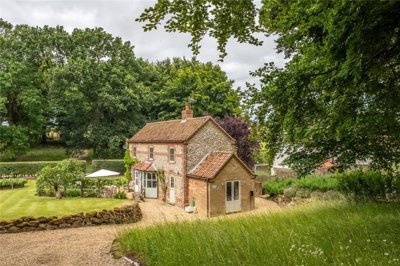
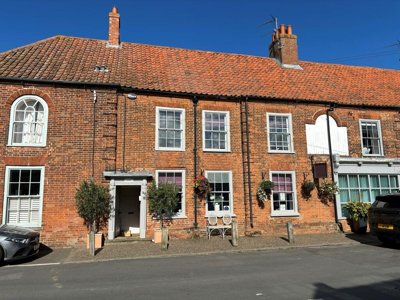
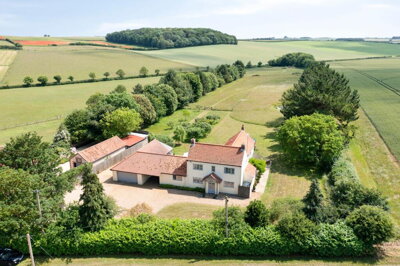
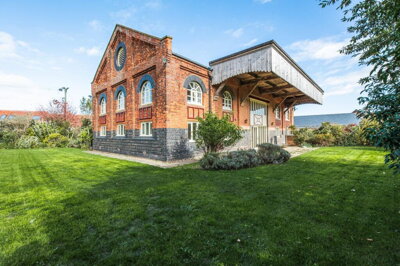
Renters will find Burnham Norton offering traditional flint and clunch cottages, converted agricultural buildings, and modern conversions of older structures. Homes in this Conservation Area often keep their clay pantile roofs and period details, which speak to the village’s 19th-century heritage. Because so many properties are second homes or holiday lets, long-term rentals can be thin on the ground, so serious renters are wise to view promptly when something suitable appears.
According to the 2011 Census, the village had 173 residents, and the wider study area showed 143 households and 341 dwellings in 2021. That points to around 58% of properties in this coastal spot being used as second homes or holiday accommodation rather than as main residences. As a result, rental demand moves with the seasons, busier in summer when visitors arrive and noticeably calmer in winter.

Burnham Norton has a lifestyle of its own, shaped by coast, countryside, and a strong community feel. Set on the north Norfolk coast, it gives residents immediate access to salt marshes, coastal paths, and the distinctive scenery of an Area of Outstanding Natural Beauty. Birdwatchers are well catered for too, with the North Norfolk coastline acting as an important habitat for migratory birds and native species. It is a small place, and that intimacy gives it a sense of quiet seclusion while still keeping neighbouring communities close at hand.
The village’s roots lie in agriculture, and that history still shows in the farm labourers’ cottages and agricultural buildings built from clunch, flint, and red brick. Many have since been converted into homes, though their vernacular character has been left intact. Life can feel seasonal here, since the decline in agricultural employment brought quieter winter months, but the steady flow of visitors drawn by the natural surroundings helps balance that through the year. Community life tends to gather around the historic church, local walks, and a shared appreciation of the coastal landscape that shapes daily living in this part of Norfolk.
Burnham Market, nearby, acts as the main amenity centre, with traditional shops, pubs, and restaurants serving both residents and visitors. It also has a doctors' surgery and dental practice, so essential healthcare is within reach without long journeys. For sailing, sea-view golf, and nature interests, the North Norfolk coast has plenty to offer, along with the holmwood conservation area. King’s Lynn, about 25 miles away, brings wider retail, healthcare, and cultural facilities, plus a mainline rail station with services to London King's Cross for anyone needing regular access to the capital.
Because the village lies within the Norfolk Coast AONB, residents benefit from protected landscapes, broad public footpaths, and conservation status that helps preserve the area’s unspoilt feel. The flat Norfolk terrain is well suited to cycling, and the Peddars Way and Norfolk Coast Path can be picked up from the village for longer outings. Surrounding villages have local pubs and tearooms that work well as social spots, while the quarterly markets in Burnham Market showcase local produce and crafts.

Families looking at rental homes in Burnham Norton will find schooling within a reasonable drive, though the rural setting means most schools sit in larger villages and towns. Burnham Market has primary provision for the local cluster of communities, and Ofsted-rated schools provide the core education younger children need. Burnham Market Primary School is the main primary school for the area, taking children from Reception through to Year 6, while smaller schools in nearby villages offer alternatives for families wanting smaller class sizes.
For secondary education, families usually look to schools in the surrounding towns, where the King's Lynn and West Norfolk borough offers a broader curriculum and specialist facilities for older pupils. Closest options include Springwood High School in King's Lynn and St Martha's Catholic Primary and Secondary Schools, although transport is usually needed because Norfolk communities are so spread out. Parents should check current catchment areas and admission arrangements directly with Norfolk County Council, as policies and capacity can change each year and affect where a child can be placed.
King’s Lynn provides grammar school access for families who need it, through King Edward VII Academy and St Peter’s School, though travel from Burnham Norton is required. There are also independent schools in the wider area for primary and secondary ages, including Norwich School and Langley School near the Norfolk/Suffolk border, but these involve fees and often a longer journey. With Burnham Norton’s small population, school communities often feel close-knit, and relationships between schools and families tend to be personal and responsive.
Further education is available at colleges in King’s Lynn, including the College of West Anglia, which offers A-levels, vocational courses, and adult education programmes. Sixth form provision at schools across the wider area also creates routes into higher education. The coast is an advantage for outdoor learning too, with Norfolk schools well placed to build geography, biology, and environmental science around the Area of Outstanding Natural Beauty as a living classroom. Local sailing clubs and water sports centres add extracurricular options for children drawn to coastal pursuits.

Transport links from Burnham Norton reflect its rural coastal setting, so most residents rely on private cars for commuting and day-to-day needs. The village sits roughly 8 miles north of the A149 coast road, which runs along the north Norfolk coastline, linking the Burnham villages and giving routes west to King's Lynn and east towards Cromer and Norwich. That road connects into the broader Norfolk network, though travel times to main employment centres are shaped by the area’s distance from urban hubs. King’s Lynn, around 25 miles west, is the nearest mainline station, with trains to London King's Cross taking about 2 hours 20 minutes.
Public transport is limited, as it is in many rural parts of Norfolk. Bus routes do link the Burnham villages with larger settlements, but the timetable is aimed more at occasional use than daily commuting. The Coastliner bus service runs along the north Norfolk coast and connects villages to King's Lynn and Norwich, though weekday frequencies are limited. Anyone working in Norwich should allow around 1 hour 15 minutes by car, and a Cambridge commute, or anything beyond it, is usually about 1 hour 45 minutes to 2 hours depending on traffic. Those working from home will find broadband is improving, but renters should still check current speeds with providers because of the rural location.
Parking is generally less of a headache in Burnham Norton than in busier places, thanks to the village’s low population density and light through-traffic. Even so, Burnham Market, which acts as the local hub for amenities, can become crowded for parking in peak tourist periods when day visitors arrive in numbers. King’s Lynn has park-and-ride facilities for longer trips, and the port town links into the wider UK via its rail station and road access to the A47 and A10 trunk roads. Norwich Airport, about 40 miles away, is the nearest international airport and offers flights to European destinations.

Before you view properties in Burnham Norton, take time to walk the village and the surrounding area so you can judge the seasonal character, the closeness of amenities, and whether it suits your way of living. If you can, visit at different times of year, as summer tourist season and the quieter winter months feel very different. Local community groups and village events are worth a look too, because they give a clearer sense of the social fabric and what everyday life is like for residents.
Sort a rental budget agreement in principle before you start looking. With rural rental stock limited, being financially checked and having your references ready puts you in a better position when the right property comes up. Speak to local estate agents about current rental pricing in the PE31 postcode area so you can work out what rent level is realistic. Most agents will want proof of income, employment references, and a credit check before they proceed.
Use local estate agents who handle rental homes in Burnham Norton and the wider PE31 area. View more than one property so you can compare condition, maintenance standards, and rental terms. Older homes in this Conservation Area deserve close attention, as traditional construction can demand more upkeep than newer builds. Ask how the landlord approaches repairs and maintenance, especially where period properties still have ageing features such as clay pantile roofs or original windows.
As Burnham Norton is a designated Conservation Area, certain restrictions may apply to alterations, extensions, or external changes to rented homes. If you are thinking about making personal changes, discuss them with the landlord and the local planning authority before you commit to a tenancy. Homes close to the coast may also fall under specific planning considerations because the village sits in a coastal flood warning area.
Make sure your tenancy agreement sets out the full terms clearly, including the rent amount, deposit protection arrangements, maintenance responsibilities, and any conditions tied to the property’s historic status. With flood risk in coastal Norfolk, check that the right insurance and maintenance provisions are already in place. Ask for a detailed inventory at the start of the tenancy, and photograph any existing damage so you have a record if there is a dispute at the end.
Renting in Burnham Norton calls for close attention to issues that are specific to this coastal Norfolk village. Flood risk is one of the main ones, because the village sits within a coastal flood warning area covering the north Norfolk coast at Burnham Deepdale, Burnham Norton, and nearby communities. Flooding has happened here before, particularly during heavy rainfall and high groundwater periods that can overwhelm drainage systems. Prospective renters should ask about the property’s flood history, current flood resilience measures, and the adequacy of building insurance. Homes near the coast may have seen flooding or water ingress during major weather events, so it is important to inspect ground floors, basements, and drainage properly before signing a tenancy.
The age and build of Burnham Norton properties also deserve careful checking at viewings. Most of the buildings date from the 19th century and use traditional materials such as clunch, flint, and solid brick walls, so possible problems include damp penetration, ageing roof coverings, and old electrical and plumbing systems. Clay pantile roofs, common in the village, need regular attention and may show wear or degradation. The clay-rich geology beneath the village can also create shrink-swell subsidence risks in prolonged dry spells, especially where mature trees sit close to foundations. Renters should record existing condition carefully and agree clear maintenance and repair responsibilities with landlords before they sign.
Homes in the Conservation Area may be subject to planning controls on external alterations, satellite dish installation, or major internal changes. The village was designated a Conservation Area in 1977, and its character rests heavily on the vernacular style of its traditional buildings. If you have plans that might need consent, check the requirements with King's Lynn and West Norfolk Borough Council planning department. The high proportion of holiday lets and second homes can also mean that residential rentals are affected by seasonal neighbour turnover or holiday noise during busy periods, which is worth bearing in mind if you want year-round residential consistency. The study area data suggests that around 58% of dwellings may be second homes or holiday lets, well above regional averages.

Market research has limited rental price data for Burnham Norton itself, but comparable homes in the wider PE31 postcode area give a useful guide. The broader Burnham cluster of villages shows average property prices around £550,000 for sales, and rental prices are shaped by property type, size, and condition. Detached homes and converted period properties usually attract premium rents, while terraced cottages offer a more accessible entry point. For up-to-date rental pricing, we recommend speaking to local estate agents who manage homes in the area, as availability in this small village can change a great deal through the year with seasonal demand and the limited supply of long-term rentals.
Properties in Burnham Norton sit within the council tax area of King's Lynn and West Norfolk Borough Council. Band valuations here reflect the mix of historic and modern stock, with many period cottages and converted agricultural buildings likely to sit in mid-range bands, while larger detached homes may fall into higher bands. Because much of the housing stock is pre-1919 and built from traditional materials such as clunch and flint, many homes are substantial period properties that can attract higher council tax banding. Renters should always ask for the council tax band on any home they are considering, as it sits alongside rent and utility bills in the regular monthly budget.
Primary education is available in nearby Burnham Market, where Burnham Market Primary School serves the local cluster of villages, including Burnham Norton. Parents should check current Ofsted ratings and admission criteria directly with Norfolk County Council, as catchment areas can affect placement and policies change each year. Secondary options include Springwood High School in King's Lynn and other schools in nearby market towns, with grammar school places available through selection for those who meet the academic criteria. Because the area is rural and the communities are spread out, many families build school transport into their decision-making when renting in the Burnham Norton area, and some move again during secondary school years to be closer to education facilities.
Public transport from Burnham Norton is limited, which is what you would expect from a rural coastal location, with bus services offering scheduled links rather than daily commuter convenience. The Coastliner service connects the Burnham villages with King's Lynn and Cromer, though weekday frequencies are generally only a handful of services each day. The nearest mainline station is in King's Lynn, around 25 miles away, and trains to London King's Cross take about 2 hours 20 minutes. Most residents depend on private vehicles for regular journeys, with the A149 coast road acting as the main link to surrounding communities. Cyclists benefit from the flat Norfolk landscape and the coastal paths, though healthcare appointments and similar services usually mean car travel.
Burnham Norton offers a distinctive way of life for renters who want a peaceful coastal setting inside an Area of Outstanding Natural Beauty. It suits people who put natural beauty, walking, birdwatching, and a close-knit community ahead of urban convenience. Even so, the limited local amenities, seasonal swings in village activity, and the realities of living in a small place with little public transport all need to be weighed up. The high proportion of second homes in the area, with approximately one in four properties in nearby Burnham Market serving as holiday accommodation, can also shape long-term rental availability and the feel of the community across the seasons. Winter is generally quieter as tourism fades, which suits anyone after a calmer retreat.
In England, standard tenancy deposits are capped at five weeks' rent where annual rent is below £50,000. Alongside the deposit, renters usually need to budget for admin fees charged by letting agents, referencing fees for credit and employment checks, and the cost of an inventory check at the start of the tenancy. Because Burnham Norton has so many period properties, with traditional construction and possible maintenance needs, we also advise allowing for a detailed inventory report to help prevent deposit disputes at the end of the tenancy. The first month's rent is payable in advance as well as the deposit, so renters should have sufficient funds ready before moving ahead. On a typical rental property in this area, budget around £600-£800 for the initial fees and deposit.
Knowing the full cost of renting in Burnham Norton helps you budget properly and avoid surprises when moving into a new home. Initial costs usually include the first month's rent, a security deposit capped at five weeks' rent for annual rents below £50,000, and various administrative fees charged by letting agents or landlords. Because the village has so many period homes, additional one-off costs may include specialist surveys or reports to assess older buildings built from traditional materials such as flint and clunch. Properties here often need more detailed inventories too, simply because of their age and traditional construction methods.
Before you commit to a rental property, a rental budget agreement in principle shows landlords that your finances are ready and can strengthen your position in a competitive situation. The check looks at income, existing commitments, and credit history to work out what rent you can realistically afford. For homes in Burnham Norton’s Conservation Area, or older buildings with possible maintenance needs, having that budget approved early gives you an advantage when something suitable comes up, especially as rental availability in this sought-after coastal village can be limited. The area’s popularity with second home buyers means long-term rental competition can be strong during peak moving seasons.
During the tenancy, the ongoing costs go beyond the monthly rent and include council tax payable to King's Lynn and West Norfolk Borough Council, utility bills, and building insurance. Homes in coastal locations can carry slightly higher insurance premiums because of flood risk, and tenants should check that suitable buildings insurance is in place while also understanding their maintenance responsibilities. When the tenancy ends, there may be charges for professional cleaning and any repairs identified through the check-out inventory, which is why the initial inventory report matters so much for protecting the deposit.
From 4.5%
Get your finances in order before renting
From £50
Essential for securing your tenancy
From £100
Protect your deposit with thorough documentation
From £80
Energy performance certificate for your rental
Properties to Rent In London

Properties to Rent In Plymouth

Properties to Rent In Liverpool

Properties to Rent In Glasgow

Properties to Rent In Sheffield

Properties to Rent In Edinburgh

Properties to Rent In Coventry

Properties to Rent In Bradford

Properties to Rent In Manchester

Properties to Rent In Birmingham

Properties to Rent In Bristol

Properties to Rent In Oxford

Properties to Rent In Leicester

Properties to Rent In Newcastle

Properties to Rent In Leeds

Properties to Rent In Southampton

Properties to Rent In Cardiff

Properties to Rent In Nottingham

Properties to Rent In Norwich

Properties to Rent In Brighton

Properties to Rent In Derby

Properties to Rent In Portsmouth

Properties to Rent In Northampton

Properties to Rent In Milton Keynes

Properties to Rent In Bournemouth

Properties to Rent In Bolton

Properties to Rent In Swansea

Properties to Rent In Swindon

Properties to Rent In Peterborough

Properties to Rent In Wolverhampton

Enter your details to see if this property is within your budget.
Loans, cards, car finance
Estimated property budget
Borrowing + deposit
You could borrow between
Typical borrowing
Monthly repayment
Est. at 4.5%
Loan-to-value
This is an estimate only. Your actual budget may vary depending on interest rates, credit history, and personal circumstances. For an accurate affordability assessment, speak to one of our free mortgage advisors.
This calculator provides estimates for illustrative purposes only and does not constitute financial advice. Your home may be repossessed if you do not keep up repayments on your mortgage. Estimates based on 4.5% interest rate, repayment mortgage. Actual rates depend on your circumstances.
Homemove is a trading name of HM Haus Group Ltd (Company No. 13873779, registered in England & Wales). Homemove Mortgages Ltd (Company No. 15947693) is an Appointed Representative of TMG Direct Limited, trading as TMG Mortgage Network, which is authorised and regulated by the Financial Conduct Authority (FRN 786245). Homemove Mortgages Ltd is entered on the FCA Register as an Appointed Representative (FRN 1022429). You can check registrations at NewRegister or by calling 0800 111 6768.

We use cookies to show you personalised content and improve your experience of our website. Find out more in our Privacy policy and Cookie policy.