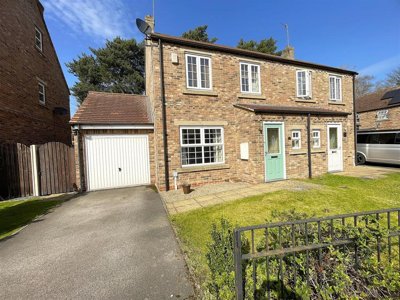
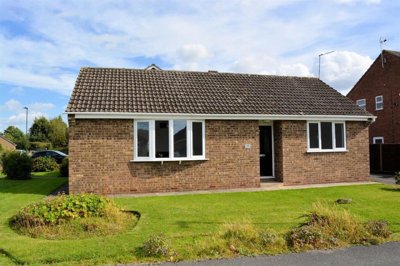
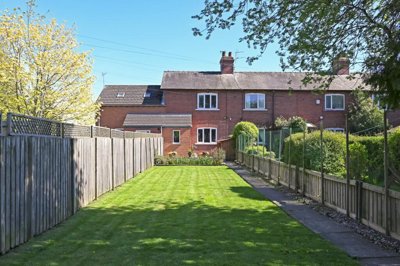
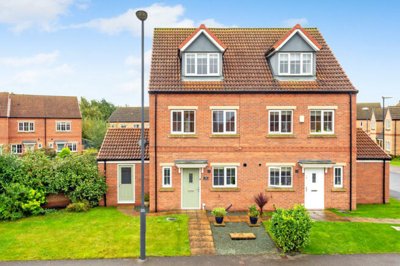
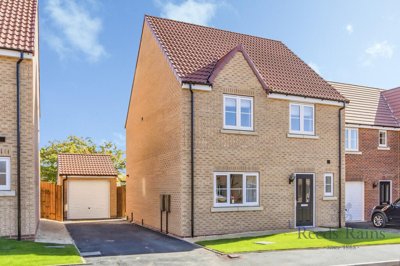
Browse 5 rental homes to rent in Burn, North Yorkshire from local letting agents.
The Burn property market offers detached, semi-detached, and terraced houses spanning various price ranges and neighbourhoods. Each listing includes detailed property information, photographs, and direct contact with the marketing agent.
£0/m
0
0
0
Source: home.co.uk
Showing 0 results for Houses to rent in Burn, North Yorkshire.
Burn’s rental market, and the wider Selby postcode area, follows the wider North Yorkshire pattern, demand still runs ahead of supply in the village locations people most want. Burn itself has limited rental statistics, but being close to Selby town gives renters access to a spread of homes, from traditional terraced houses priced from around £139,472 in sales value to larger detached houses at higher values. The village’s most common home type is the four-bedroom detached house, with average asking prices around £475,998 for that category, and that taste for bigger family homes carries through into rents, where detached properties usually sit at the top end.
Market data from the past twelve months puts house prices in Burn up by 1.1%, and some sources point to firmer rises of 3% and even 6% on previous years, with values now 7% above the 2022 peak of £278,992. That kind of movement suggests a market that is moving forward without shutting renters out, with average rents currently at £650 pcm. A total of 75 properties sold in Burn over the last year, which points to an active market, while the wider Selby district has benefited from substantial investment in recent years, including new build schemes that are adding to local housing stock. Henwick Hall Gardens on West Lane, for example, offers two to three-bedroom detached bungalows from £335,000 by developer Yorvik Homes, with completion expected in Spring to early Summer 2026, a clear sign of continued investment in the village.
For renters, Burn’s sales values and rental levels sit fairly close together, so people entering the private rented sector can find homes at several price points depending on what they need, with the current average rent in Burn at £650 pcm based on limited available listings. A terraced property with a sales value around £139,472 would usually let for less each month than a detached home valued at £449,988, which gives a choice between smaller starter homes and more generous family space. The Selby area is flat and low-lying, with alluvial deposits and underlying clay soils, and that shapes the housing stock, much of it built in traditional brick that reflects North Yorkshire’s building habits.
Further investment is still coming through. The Doncaster Road scheme by Richert and Co Development, marketed by Archimark, has three detached dwellings under construction, adding to what is available for buyers and renters in Burn. Once those homes are finished and occupied, they may ease local pressure a little, and they will give renters another route into modern accommodation with contemporary fixtures and fittings while the village keeps its traditional feel.

Burn is a small but lively rural village in the Selby district of North Yorkshire, home to around 491 residents according to the 2011 census. It sits within easy reach of the A19, so road links to nearby towns and cities are strong, while the flat Yorkshire landscape gives open views over farmland and towards surrounding settlements. People here get the quiet and community feel of village life, along with straightforward access to jobs and everyday amenities in York, Leeds, and elsewhere in the region.
North Yorkshire heritage shows through in Burn, where traditional brick-built homes sit alongside newer development in a landscape shaped by the nearby River Aire. The wider Selby district is described as the most industrial part of North Yorkshire, with 19.2% of employees working in manufacturing sectors including power generation, brewing, and glass manufacturing, so there is a broad spread of local work. Drax Power Station is a major employer in the wider area, drawing workers from across the region who may look to villages like Burn for housing that is more affordable and still practical for commuting.
The Selby district has a fairly settled population, with the average median age at 44 years compared with the England average, which reflects how popular the area is with families and older residents who stay long term. Population forecasts suggest the district will rise to about 98,696 by 2030, so demand for homes, including rentals in village spots like Burn, is likely to hold up. Local amenities include village shops, traditional pubs, and leisure facilities, while Selby town adds more retail, healthcare, and cultural choice for people who want a wider range of services.
Burn’s community spirit is helped by local events and facilities that bring people together, which is exactly the sort of friendly atmosphere many renters want when choosing a village over an urban setting. Within the parish, the Grade II listed structures, including the historic milestone about 100 metres north of Common Lane on the A19, point to the village’s long history and its place in the traditional Yorkshire landscape. Anyone considering a rental here gets an authentic North Yorkshire setting, plus practical access to work and leisure in the nearby towns and cities.

Families thinking about renting in Burn will find a solid range of education options within a sensible distance, with the Selby district generally maintaining good standards at both primary and secondary level. The area’s older demographic profile, with a median age of 44 years, suggests many families settle here for the long term, which in turn supports established schools and family-friendly services that have grown over time. Primary schools in nearby villages and in Selby town serve the local catchment areas, with several choices within a short drive of Burn village.
Older children in Burn usually travel to secondary schools in the Selby area, with several options about 15-20 minutes away by car. It is sensible to check Ofsted ratings and admission policies for each school before choosing a rental, because entry is usually based on distance and catchment lines can make a difference. The Selby district has a mix of Good and Outstanding schools, so families can have confidence in local provision, although results do change from year to year and should be checked directly.
Sixth form places are available in Selby town, and further education college options are also within reach for students working towards vocational or academic qualifications beyond GCSE level. For younger children, there are primary schools in the villages around Burn and in Selby itself, and many have been serving their communities for decades with well-established reputations. A steady presence of families with children at different stages of schooling gives the district a supportive feel, and a lot of community activity centres on school locations and school hours.
When viewing rental homes in Burn, families should check the current catchment arrangements with the local education authorities, because boundaries can shift and an address does not guarantee a place at a particular school. School transport from Burn into Selby town may also shape the choice of property for families with school-age children, especially if they do not have private transport. Our team can talk through local schools and the reputations they have built up from helping families move into the Burn area from across the region.

One of Burn’s biggest draws is the transport links, which are impressive for a rural village and make it appealing to commuters who want countryside living without losing access to major job centres. The village has easy access to the A19, giving a direct route to Selby town in about 8 minutes and linking into the wider motorway network beyond, so trips across Yorkshire are straightforward. York city centre is reachable in 25-30 minutes, Leeds in about 40 minutes, and Goole in around 18 minutes, which makes Burn a practical base for people working in those places.
Selby railway station is the main option for rail users, with services to Leeds, York, Sheffield, and London King's Cross, and journeys to Leeds usually taking around 35-45 minutes depending on the service. Regular connections into those key destinations help commuters who prefer the train or want to avoid the cost and hassle of driving every day. Local bus routes also run in the area, linking Burn with neighbouring villages and towns, though frequencies are not as high as you would get in a city, so timetables are worth checking if living without a car is part of the plan.
Parking in Burn is usually easier than in urban areas, which is handy for households that sometimes commute by car and use public transport at other times. The Doncaster Road development in Burn also points to continued investment in the village’s infrastructure, which supports access for both residents and visitors. The flat land around Burn and across the Selby district also makes cycling realistic for shorter journeys, with dedicated routes linking some villages to Selby town for those who prefer greener travel.
Burn’s position near the A19 puts residents within straightforward reach of major road links, including routes to the M1 and A1(M), so the job market opens out far beyond what you might expect from a small village. For anyone working in Leeds or York, the road and rail options together make Burn particularly attractive, because housing costs are lower than in the cities while commuting remains practical. Local work also comes from the Selby Area Internal Drainage Board and other infrastructure organisations, while the broader district economy includes manufacturing, services, and public sector roles, so people do not always need to travel into the cities.

Before you start viewing homes in Burn, get a rental budget agreement in principle from a landlord or letting agent. It shows that your finances stack up and helps you see what rent you can genuinely afford once income and outgoings are taken into account. Having that figure in mind from the outset saves time and keeps the search focused on properties within reach, rather than on homes that would only lead to disappointment.
Spend some time walking the village and the surrounding area, and think about how close you need to be to work, schools if relevant, local shops, and transport. Burn’s position near the A19 and Selby makes it well connected, but different parts of the village may suit different routines. A visit at more than one time of day, and ideally on different days, gives a better sense of the community, traffic patterns, and noise before you sign up to a tenancy.
Once you have a shortlist of rental properties in Burn, arrange viewings through local letting agents or directly with landlords. Seeing several homes side by side makes it easier to compare condition, facilities, and the terms on offer before you decide. During the viewing, ask what is included, how utilities are handled, and whether there are any restrictions that matter to you, such as pets or parking.
Before you sign a tenancy agreement, read the terms closely, including the deposit amount, which is usually five weeks' rent, the length of the tenancy, notice periods, and any rules on pets or smoking. Ask how maintenance is dealt with, who takes responsibility for repairs, and how quickly urgent problems are handled, as well as whether the landlord uses local contractors or property management companies. Sorting those points out at the start helps avoid arguments later on.
Most landlords will ask for tenant referencing, which usually includes credit checks, employment checks, and references from previous landlords if you have rented before. Have everything ready, including payslips, bank statements, and reference contact details, so the process can move quickly. Good preparation can stop delays in securing the home you want, especially in a competitive market where more than one applicant may be in the running.
Before moving in, there will usually be a check-in process where the property condition is recorded in a detailed inventory. That protects both tenant and landlord, and means you are not charged later for issues that were already there when you arrived. Read the inventory properly and note any differences or items you disagree with before you sign it, because it will be used to judge the property’s condition when the tenancy ends.
Renting in Burn means paying attention to a few location-specific issues that can affect day-to-day comfort and the safety of your belongings. Flood risk matters here, because Burn is classed as a Flood Warning Area, and properties on West Lane and the A19 are particularly affected by their closeness to the River Aire. Records show six flood warnings have been issued in the area over the past three to five years, and the wider Selby area has seen major flooding incidents that have affected homes across the district.
The most serious historical flooding in the Burn area took place at Burn Airfield in 1947, when flood waters reached up to two metres in Burn Lane, which shows the scale these events can reach locally. Anyone looking to rent should ask about the property’s flood history and check whether buildings and contents insurance is included or needed as part of the tenancy. Homes in flood-risk locations can face higher insurance costs, and tenants should be clear about what they are expected to do if flooding threatens.
Geology also matters when choosing a rental in Burn. The village sits on flat, low-lying ground with alluvial deposits and underlying clay, and that can lead to shrink-swell behaviour that affects foundations over time. Detailed geological surveys are not usually required for each individual home, but older properties in the area may show signs of structural movement, so renters should stay alert. Cracks in walls, uneven floors, or doors that stick can all point to foundation issues that may affect the tenancy.
The build type of rental homes in Burn is worth a close look, because traditional brick-built houses common across North Yorkshire may need different upkeep from newer homes. Older properties built before 1970 can sometimes have lead pipes or outdated electrical systems, and tenants should report maintenance issues without delay. The parish’s two Grade II listed structures underline Burn’s historic character, and conservation rules may limit changes to older rental homes, so always ask the landlord before making any alterations.

Rental information for Burn village is limited, but the wider Selby postcode area offers homes across several price points, with the current average rent at £650 pcm and the local sales market showing an average sold house price of about £280,384. Detached homes average around £449,988 in sales value, semi-detached properties about £243,136, and terraced houses around £139,472, and rents generally follow those levels. Terraced houses and flats are usually cheaper to rent than detached family homes, and for the most current pricing that fits your needs, it is best to search our property listings or speak with local letting agents who can advise on live availability in Burn.
For council tax, properties in Burn fall under Selby District Council, which covers bands A through H based on property valuations, although most homes in the area sit in bands A through D. The exact band depends on the individual property and its value, so renters should check the council tax band with the landlord or letting agent before committing, as it is part of the ongoing housing cost. Council tax in the Selby district is usually collected monthly alongside rent, and knowing the band helps with accurate budgeting.
Primary schools for Burn are in the surrounding villages and in Selby town, while secondary schools are in Selby itself, about 15-20 minutes away by car. Performance figures do change from year to year, but the Selby district does have a mix of Good and Outstanding Ofsted-rated schools, and parents should look at individual school data on the Ofsted website when thinking about a move. Because admissions are usually based on proximity, catchment boundaries should be checked before taking a tenancy, and the area’s family-friendly feel, along with its older demographic profile, points to decent provision for children of all ages.
Burn is well connected despite its rural setting, with the A19 giving direct road access to Selby in about 8 minutes and Selby railway station offering mainline services to Leeds in around 35-45 minutes, York in about 30-35 minutes, Sheffield, and London King's Cross. Local buses run to surrounding villages and towns, although they are less frequent than city services, so current timetables are worth checking if you are planning to live without a car. For commuters heading to York or Leeds, the road and rail mix makes Burn a sensible base for people who want village life but still need city jobs.
For renters who want a mix of countryside calm and easy access to towns and cities, Burn offers a very good quality of life, with a strong community feel, traditional character, and open countryside along the River Aire corridor. Property values have risen steadily by around 1.1% to 3% over recent years, which points to a stable market and decent long-term prospects for the rental sector. Even so, people should think about flood risk because Burn sits near the River Aire and has a history of flood warnings, and they should weigh that up alongside transport, school access, and work in Selby, York, and Leeds.
Standard rental deposits in Burn are usually equal to five weeks' rent, and under the Tenant Fees Act 2019 that is capped for homes with annual rents below £50,000, so most local lets fall within that limit. On top of the deposit, you should allow for the first month’s rent in advance, any tenant referencing fees if they apply, and charges for services such as inventory checks that record the property’s condition at move-in. As a rough guide, first-time renters should expect to put down around one and a half months' rent upfront plus the deposit, together with modest admin fees, and it is always sensible to ask for a full cost breakdown before you commit.
From 4.5%
Our team can work through your rental budget with you, looking at income and outgoings so the search stays within what you can comfortably afford.
From £49
Complete tenant referencing can speed up your application and show landlords in the Burn area that you are a reliable applicant.
From £85
Energy Performance Certificate checks for rental homes give you a clearer picture of how efficient the property is before you move in.
From £350
Professional property surveys for rental homes can highlight issues before you commit to a tenancy in Burn.
Looking at the full cost of renting in Burn means more than the monthly rent, and tenants need to plan carefully for every upfront cost linked to securing and moving into a home. The first financial commitment usually includes a security deposit capped at five weeks' rent under the Tenant Fees Act 2019 for properties with annual rents below £50,000, plus the first month's rent in advance. For a home renting at £650 per month, you would need about £2,275 ready at the start of the tenancy to cover the deposit and first month’s rent.
Some landlords may also ask for a holding deposit to take the property off the market while references are checked, and this is usually deducted from the first month’s rent once the tenancy starts. Holding deposits are generally one week's rent and should be refunded if the tenancy goes ahead, although they can be kept if false information is given or the agreement is withdrawn from without good reason. It is important to understand the terms before paying anything to secure a property you have not yet formally agreed to rent.
There are other costs to factor into the budget too, including tenant referencing fees, which are limited to the reasonable costs the landlord actually incurs, and inventory check fees charged by letting agents to record the property’s condition at move-in. These are usually modest, but they still need to be allowed for alongside moving costs, utility connections, and any furniture or equipment you may need for your new home. In Burn’s older housing stock, a professional survey may also be worth considering to check condition before committing to a longer tenancy, especially with the area’s flood risk and geological issues.
The RICS Level 2 Survey, priced from around £350 depending on property size and value, gives a detailed assessment that can pick up potential issues before you sign the tenancy agreement, which may save a lot of money and stress later on. Surveys are more often linked with purchases, but renters can benefit from professional inspections too, especially where a longer tenancy is planned and any issues found after moving in could be costly to sort out. Our team can arrange surveys for rental properties in the Burn area, so you can understand the condition of a potential new home before you commit.
Properties to Rent In London

Properties to Rent In Plymouth

Properties to Rent In Liverpool

Properties to Rent In Glasgow

Properties to Rent In Sheffield

Properties to Rent In Edinburgh

Properties to Rent In Coventry

Properties to Rent In Bradford

Properties to Rent In Manchester

Properties to Rent In Birmingham

Properties to Rent In Bristol

Properties to Rent In Oxford

Properties to Rent In Leicester

Properties to Rent In Newcastle

Properties to Rent In Leeds

Properties to Rent In Southampton

Properties to Rent In Cardiff

Properties to Rent In Nottingham

Properties to Rent In Norwich

Properties to Rent In Brighton

Properties to Rent In Derby

Properties to Rent In Portsmouth

Properties to Rent In Northampton

Properties to Rent In Milton Keynes

Properties to Rent In Bournemouth

Properties to Rent In Bolton

Properties to Rent In Swansea

Properties to Rent In Swindon

Properties to Rent In Peterborough

Properties to Rent In Wolverhampton

Enter your details to see if this property is within your budget.
Loans, cards, car finance
Estimated property budget
Borrowing + deposit
You could borrow between
Typical borrowing
Monthly repayment
Est. at 4.5%
Loan-to-value
This is an estimate only. Your actual budget may vary depending on interest rates, credit history, and personal circumstances. For an accurate affordability assessment, speak to one of our free mortgage advisors.
This calculator provides estimates for illustrative purposes only and does not constitute financial advice. Your home may be repossessed if you do not keep up repayments on your mortgage. Estimates based on 4.5% interest rate, repayment mortgage. Actual rates depend on your circumstances.
Homemove is a trading name of HM Haus Group Ltd (Company No. 13873779, registered in England & Wales). Homemove Mortgages Ltd (Company No. 15947693) is an Appointed Representative of TMG Direct Limited, trading as TMG Mortgage Network, which is authorised and regulated by the Financial Conduct Authority (FRN 786245). Homemove Mortgages Ltd is entered on the FCA Register as an Appointed Representative (FRN 1022429). You can check registrations at NewRegister or by calling 0800 111 6768.

We use cookies to show you personalised content and improve your experience of our website. Find out more in our Privacy policy and Cookie policy.