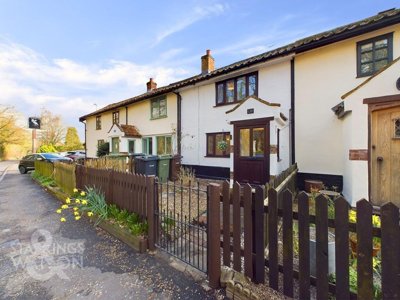
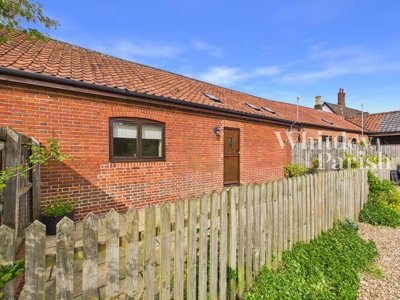
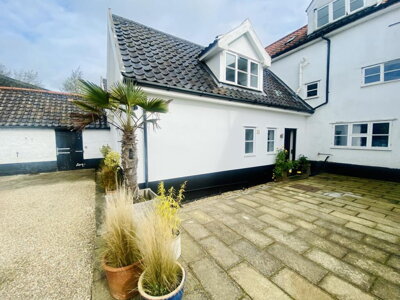
Browse 3 rental homes to rent in Bunwell, South Norfolk from local letting agents.
The 2 bed house market features detached, semi-detached, and terraced properties with two separate bedrooms plus living spaces. Properties in Bunwell range from Victorian and Edwardian period homes to modern new builds, with pricing varying across different neighbourhoods.
£0/m
0
0
0
Source: home.co.uk
Showing 0 results for 2 Bedroom Houses to rent in Bunwell, South Norfolk.
Bunwell’s rental market mirrors the wider South Norfolk picture, where interest in rural homes stays steady all year. Current sales data puts the average property value at £376,000, with detached homes averaging £425,000 and semi-detached properties around £280,000. Terraced homes in the village usually sit near £240,000, while flats are still unusual in this mainly rural setting and account for less than 5% of the local housing stock. Rents shift with property type, size, condition, and the presence of gardens or outbuildings, which many village tenants value highly.
Looking at recent activity, there have been around 25 property transactions in the last twelve months, a modest but steady level of movement for a Norfolk village of this kind. Values have risen by 2.7% over 12 months, which points to continued interest despite the smaller market. There is very little new-build supply in the immediate postcode, so most homes available to rent are period properties or established family houses. That shortage of fresh stock can work in a renter’s favour, particularly where a landlord prices a property keenly to draw in good tenants.
Most homes in Bunwell are detached, making up about 60-70% of the housing stock according to Census data. That shapes the rental market in a big way. Families and anyone after more room tend to have the widest choice, while smaller households may find options thinner on the ground. The semi-detached homes that do exist usually date from the post-war period through to the 1980s, and they often provide a cheaper alternative to the larger detached houses that define the village.

Bunwell gives you the classic English village feel, with a quiet pace and Norfolk countryside all around. The parish has 765 people living in roughly 300 to 320 households, so it has that close-knit feel where neighbours often know one another by name. At the centre sits St Michael and All Angels Church, which plays a real role in village life and local events. Across the parish, listed farmhouses and cottages add to the traditional look, and the building materials are mostly red brick, gault brick, render and local flint.
Rolling farmland and arable fields ring the village, and public footpaths make for easy walks through the Norfolk countryside. Amenities inside Bunwell are limited, which is normal for a place of this size, so people often head to Attleborough or Wymondham for supermarkets, doctors' surgeries and local shops. A car is close to essential for most day-to-day trips, even though local bus services do link Bunwell with surrounding towns. Village life tends to revolve around the hall, the pub and church events, which gives newcomers a straightforward way into the community.
We often find that renters are drawn here for the genuine village atmosphere, where life stays calm even with larger centres within reach. Agriculture still anchors much of the local economy, although plenty of residents travel to work in Attleborough, Wymondham and Norwich. There are jobs in farming, village services and a growing remote working sector too, and broadband, while variable, is good enough for many people to work from home while living in the countryside.

For families looking to rent in Bunwell, there are several primary schools within a reasonable drive across South Norfolk villages and market towns. The nearest primaries serve the surrounding catchment areas, and a number of them are rated Good or Outstanding by Ofsted in nearby communities. It is sensible to check catchment lines and admissions policies early, because places at popular rural schools can be tight where intake sizes are small. Secondary education means travelling to nearby towns, so school transport arrangements need to be part of the plan from the outset.
At secondary level, children usually travel to schools in Attleborough, Wymondham or Dereham, where there is a wider spread of secondary and sixth form provision. Attleborough Academy and Wymondham High Academy are among the nearby options offering GCSE and A-Level courses. Norwich adds more choice, including grammar schools for academically selective pupils, although entry depends on passing the entrance assessment and making the journey from the village. Families with younger children, or those thinking ahead, need to look closely at school transport, journey times and after-school logistics before settling on a rental here.
Further education is centred on Norwich and Dereham, serving students who want vocational courses, apprenticeships or degree-level study beyond GCSE. The University of East Anglia and Norwich University of the Arts are both in Norwich, so older students can commute there without too much trouble. We advise families to speak directly with South Norfolk Council's admissions team to check current school allocations, transport provision and any catchment changes that could affect children during a tenancy in the village.

Bunwell’s rural setting means most people depend on private cars for commuting and everyday travel, because public transport is far thinner than in urban areas. The village is about 6 miles from Attleborough, where the mainline station offers trains to Norwich, roughly 20 minutes away, and Cambridge, around 1 hour 15 minutes away. Wymondham also gives access to rail services into Norwich, with CrossCountry and Greater Anglia services running there. The A11 trunk road is nearby, which gives straightforward road access to Norwich and the wider motorway network, so car ownership is close to a necessity for most residents.
Buses do run through the area, though not often, with services usually every few hours rather than across the whole day. Anyone working fixed office hours in Norwich or Cambridge should check whether the timetables line up with the commute. Cycling works well for shorter trips to nearby villages, and the country lanes are generally quiet for experienced riders. Norfolk is mostly flat too, so cycling is manageable for most fitness levels. Parking is usually easy in the village because traffic levels are low, and most rental homes come with off-street parking or garages, which is a real advantage over busier urban streets.
Norwich Airport gives residents domestic and European flight links, which is handy for anyone travelling often for work or leisure. It sits to the south-east of Norwich and can normally be reached via the A47 and A146 in 30-40 minutes from Bunwell, depending on traffic. For London commuters, Norwich railway station has direct services to London Liverpool Street, taking about two hours, so day-to-day commuting is possible for those with flexible working patterns.

Before booking viewings in Bunwell, we suggest sorting a rental budget agreement in principle so you know how much rent sits comfortably within reach. It involves a basic financial check and produces a certificate that shows your budget range, which also tells landlords you are serious and qualified. We would get that in place before starting the property search, as it tends to speed up the application process.
Take a close look at Bunwell and the wider South Norfolk area in relation to your own situation. Commute times, access to schools, the nearest shops and the character of the homes on offer all matter. The village does not have many services in walking distance, so it helps to be clear about how much you will depend on nearby towns. We suggest visiting at different times of day so you get a proper feel for the place and its community.
Once suitable listings appear, book viewings and see the homes in person. Check the condition, look out for damp or structural issues, and think about whether the layout suits your day-to-day needs. Measure rooms so you know whether your furniture will fit, and note any maintenance points to raise with the landlord. We advise viewing more than one property so you can compare properly before deciding.
Because so many homes in Bunwell are older, a RICS Level 2 Survey is strongly advised before you sign a tenancy. In this area, survey costs usually run from £450 to £750 depending on size and complexity. That spend can uncover hidden problems such as damp, roof defects or timber issues, all common in period buildings. We work with qualified surveyors who know local construction methods and can spot issues that are particular to Norfolk properties.
Read the tenancy agreement with care before you sign. Check the rent amount, the deposit amount, which is typically five weeks' rent, the term length, notice periods and who handles maintenance and repairs. For homes with gas or electrical systems, find out when they were last serviced and whether the certificates are current. We advise tenants to ask for clarification on anything that is unclear before they commit.
After references come back and the deposit has been paid, you can move into your new Bunwell home. Take detailed photos and complete an inventory check when you move in, as that helps protect you if there is a dispute at the end of the tenancy. Settle into village life and get to know the people around you. We recommend recording everything carefully so the tenancy ends smoothly.
Our inspectors often come across a few recurring problems in Bunwell rental properties, and knowing about them helps you spot warning signs during viewings. The village’s older housing stock means rising damp, penetrating damp and condensation are seen regularly, especially where there is no proper damp-proof course or ventilation. Left unchecked, these moisture problems can damage the structure and create health issues, so walls, floors and ceilings need a careful look before you commit to a tenancy.
Roof condition is another common concern locally, with older coverings, lead flashing and timber parts showing age and weathering. During surveys of period houses, our team often finds slipped or broken tiles, corroded flashing around chimneys and rotting timber in roof structures. The pitched roofs common in Bunwell, usually finished in clay tiles or slate, need regular upkeep that some landlords may have put off, so a ground-level check during viewings is well worth doing.
Timber defects such as woodworm, wet rot and dry rot can affect floor timbers, roof timbers and window frames in older homes across the village. These problems often build slowly and are not always obvious during a casual viewing, which is why we recommend a professional survey before signing any tenancy agreement. Older properties built before modern building regulations may also have outdated electrics and plumbing, so tenants should ask for recent electrical and gas safety certificates every time.
The clay geology beneath Bunwell can create problems for shallow foundations, with shrink-swell movement sometimes leading to subsidence or heave in extreme weather. Our surveyors pay close attention to crack patterns, the way doors and windows open and close, and signs of settlement movement when they inspect homes here. Properties built before 1919 often have solid wall construction and may also contain asbestos in materials such as Artex, roof tiles or older insulation, which calls for specialist assessment and handling.
Renting in a rural place like Bunwell comes with a different set of checks from an urban search, and knowing what to look for can save trouble later in the tenancy. The geology is glacial till over chalk bedrock, which gives a moderate to high shrink-swell risk for homes on shallow foundations, especially in periods of extreme weather. Clay soil can mean movement or subsidence over time, so walls and foundations should be examined for cracks or other signs of movement before you go ahead.
Surface water flooding is another point to think about in parts of the village, with low to medium risk affecting some low-lying spots. If a property sits near drainage channels or lower ground, ask the landlord or agent about any flooding history and what flood resilience measures are in place. Most homes in Bunwell are over 50 years old, so older construction methods, dated electrics, plumbing systems and insulation levels are all common issues that a thorough inspection should cover. Traditional materials such as solid brick walls and timber framing are part of the village’s character, though they often need more maintenance than newer builds.
Several homes in Bunwell are listed buildings, which brings extra responsibilities for tenants and limits on what can be altered. For any listed property, we would check the restrictions on decorations, alterations and even pet ownership, because consent rules can be tighter than in standard tenancies. Garden ground conditions matter too, since the clay soil can shift fences and hard landscaping in dry or wet spells. Service charges and maintenance duties differ from one property to another, so the tenancy agreement should spell out clearly what the landlord handles and what sits with you as the tenant.
We recommend checking broadband speed and mobile signal strength before you commit, because rural connectivity can vary quite a bit. Many renters assume both will work perfectly, only to find limits that affect remote working or everyday communication. Homes built before 2000 may contain asbestos in different building materials, and while that is not always a problem if it is properly managed, tenants should still be aware of it in older conversions and renovations.

Specific rental price data is not available for Bunwell, but the sales market still gives a useful guide to rental values. The average property value is £376,000, with detached homes around £425,000, semi-detached properties near £280,000 and terraced homes at about £240,000. Rental prices usually move in line with property value and size, so a two-bedroom cottage would normally cost less to rent than a large four-bedroom family house. For current rental figures, search our listings or speak to local letting agents in South Norfolk who can provide comparable evidence for the village. Flats are still very uncommon in Bunwell, so anyone after a smaller home may need to widen the search to nearby market towns.
For council tax, properties in Bunwell fall under South Norfolk Council, and the band depends on the property’s value and type. Most period homes and family houses in the village sit in bands C through E, although each property should be checked on the Valuation Office Agency website using the address. Council tax here helps fund services such as education, waste collection and road maintenance, and the rates are generally competitive compared with urban parts of Norfolk. We suggest confirming the band with the landlord or letting agent before you commit, because it forms part of your monthly outgoings alongside rent.
There is no primary school within Bunwell itself, so children usually attend schools in nearby villages or travel to towns close by. The catchment area includes several primaries in surrounding communities that are rated Good or Outstanding, although exact placement depends on where you live and the admissions rules. Secondary choices include Attleborough Academy and Wymondham High Academy, with more options and grammar school access in Norwich. Families should speak to the South Norfolk Council admissions team or check the Gov.uk school finder tool for up-to-date school details, admission criteria and transport arrangements from the village. School transport can change, so checking it before you commit to a tenancy is essential for families with school-age children.
Public transport links in Bunwell are limited, which is very much part of its rural character and should be a key factor for anyone thinking of renting here. Local buses do connect the village to nearby market towns, but the timetable is modest and not suited to routine commuting without a car. The nearest railway stations are Attleborough and Wymondham, both of which provide regular services to Norwich, around 20 minutes away, plus links to Cambridge and London Liverpool Street. The A11 trunk road gives straightforward road access to Norwich and the wider national network. For most residents, car ownership is seen as essential for everyday life, and rental homes usually come with parking to match that reality.
Bunwell offers a proper rural Norfolk village experience for renters who want quiet countryside living while staying within reach of town and city amenities. The village scores strongly for character, community spirit and access to attractive Norfolk countryside, with excellent walking routes and wildlife habitats along the many public footpaths around the parish. The trade-off is clear enough, limited local services mean trips to Attleborough or Wymondham for shopping, medical care and entertainment. For people who work remotely or have flexible commuting patterns, it can be a compelling alternative to town or city living at a more affordable price point than places nearer Norwich. Families, retirees and anyone after a quieter lifestyle often warm to the lower traffic levels and the sense of community.
Standard practice for renting in England is a security deposit equal to five weeks' rent, and under the Housing Act 2004 it must be protected in a government-approved deposit scheme within 30 days of receipt. Tenants should budget for the first month's rent, the security deposit and any referencing or admin fees charged by the letting agent or landlord. Credit checks and referencing fees are usually the tenant’s responsibility, although some landlords roll them into setup costs. The Tenant Fees Act 2019 banned most letting fees for new tenancies from June 2019, so you should not be asked for fees beyond holding deposits, rent and deposits. Ask for a written breakdown of all costs before you commit, so there are no surprises later.
From 4.5% APR
Get pre-approved for your renting budget
From £100
Verify your suitability as a tenant
From £450
Professional survey before you sign
From £80
Energy performance certificate
Getting a clear view of the full cost of renting in Bunwell helps with budgeting and keeps surprises to a minimum once you are ready to move. The security deposit, capped at five weeks' rent under the Tenant Fees Act 2019, is the biggest upfront cost after the first month’s rent. It must be protected in a government-approved scheme, DPS, MyDeposits or TDS, within 30 days of the tenancy start date, and you should receive prescribed information showing where it is held. At the end of the tenancy, if there is no damage beyond normal wear and tear and no unpaid rent, that deposit should be returned in full within ten days of both parties agreeing the final amount.
Other costs to factor in include referencing fees, which pay for credit checks and checks on your identity, employment and previous landlord references. Some letting agents still charge admin fees, though these were largely banned for new tenancies from June 2019 under the Tenant Fees Act. If you have pets, some landlords may ask for a higher security deposit, up to five weeks' rent is allowed with written agreement, or pet rent on top of the usual charges. You may also need a professional inventory check at move-in, which protects both sides by recording the property’s condition. Utility connections, council tax setup and contents insurance are further moving costs to include when taking on a new tenancy in the village.
We recommend asking for a full written breakdown of costs before you pay any fees or sign anything. That keeps unexpected charges at bay and gives you clear transparency through the renting process. As a moving-cost buffer, budget for three to four weeks of rent to cover deposits, admin fees and initial setup costs. First-time renters should remember that there is no first-time buyer relief equivalent for renting, so standard deposits and fees apply whatever your rental history. Putting that cushion in place before you move helps you settle into village life without financial strain.
Properties to Rent In London

Properties to Rent In Plymouth

Properties to Rent In Liverpool

Properties to Rent In Glasgow

Properties to Rent In Sheffield

Properties to Rent In Edinburgh

Properties to Rent In Coventry

Properties to Rent In Bradford

Properties to Rent In Manchester

Properties to Rent In Birmingham

Properties to Rent In Bristol

Properties to Rent In Oxford

Properties to Rent In Leicester

Properties to Rent In Newcastle

Properties to Rent In Leeds

Properties to Rent In Southampton

Properties to Rent In Cardiff

Properties to Rent In Nottingham

Properties to Rent In Norwich

Properties to Rent In Brighton

Properties to Rent In Derby

Properties to Rent In Portsmouth

Properties to Rent In Northampton

Properties to Rent In Milton Keynes

Properties to Rent In Bournemouth

Properties to Rent In Bolton

Properties to Rent In Swansea

Properties to Rent In Swindon

Properties to Rent In Peterborough

Properties to Rent In Wolverhampton

Enter your details to see if this property is within your budget.
Loans, cards, car finance
Estimated property budget
Borrowing + deposit
You could borrow between
Typical borrowing
Monthly repayment
Est. at 4.5%
Loan-to-value
This is an estimate only. Your actual budget may vary depending on interest rates, credit history, and personal circumstances. For an accurate affordability assessment, speak to one of our free mortgage advisors.
This calculator provides estimates for illustrative purposes only and does not constitute financial advice. Your home may be repossessed if you do not keep up repayments on your mortgage. Estimates based on 4.5% interest rate, repayment mortgage. Actual rates depend on your circumstances.
Homemove is a trading name of HM Haus Group Ltd (Company No. 13873779, registered in England & Wales). Homemove Mortgages Ltd (Company No. 15947693) is an Appointed Representative of TMG Direct Limited, trading as TMG Mortgage Network, which is authorised and regulated by the Financial Conduct Authority (FRN 786245). Homemove Mortgages Ltd is entered on the FCA Register as an Appointed Representative (FRN 1022429). You can check registrations at NewRegister or by calling 0800 111 6768.

We use cookies to show you personalised content and improve your experience of our website. Find out more in our Privacy policy and Cookie policy.