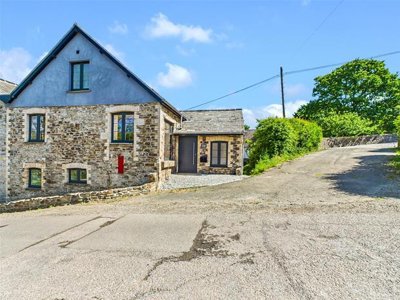
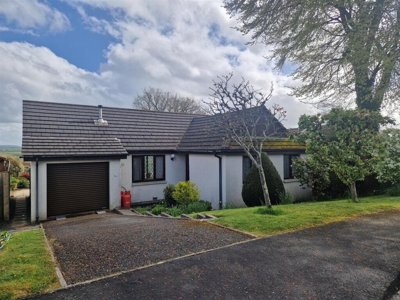
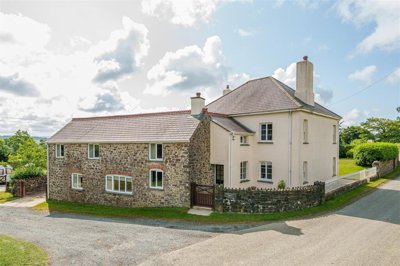
Browse 3 rental homes to rent in Broadwoodwidger, Torridge from local letting agents.
The Broadwoodwidger property market offers detached, semi-detached, and terraced houses spanning various price ranges and neighbourhoods. Each listing includes detailed property information, photographs, and direct contact with the marketing agent.
£0/m
0
0
0
Source: home.co.uk
Showing 0 results for Houses to rent in Broadwoodwidger, Torridge.
Broadwoodwidger’s residential market is tiny beside the figures you see in larger towns and cities, with only 2 property sales recorded in the parish over the past twelve months. That low turnover suits a close rural community where homes change hands rarely. The average sold house price of £833 places Broadwoodwidger in the mid-range for Devon rural properties, giving buyers and renters a route into traditional countryside homes without the higher prices found in more commuter-friendly spots.
Detached farmhouses, classic Devon cottages, and barn conversions that have been carefully turned into homes all appear in the parish. A lot of Broadwoodwidger’s housing dates from before 1900, built using older methods that speak to the area’s agricultural past. In the PL16 0JR postcode area, 100% of properties are residential, and the stock is mainly detached houses, which is exactly what you would expect in rural Devon. No active new-build developments were found in Broadwoodwidger, so anyone wanting modern features may need to look at renovation potential in older places.
Historic rental stock in Broadwoodwidger can include several Grade II listed buildings, among them Buddle, Nethercott Farmhouse, and Town Farmhouse. These old Devon properties often use cob and stone rubble, usually with thatched roofs, and they carry years of local building tradition in their walls. Listed status can mean planning limits on alterations or maintenance, so prospective tenants should ask landlords what can and cannot be done before they agree to a tenancy.
Our database covers rental listings across the Broadwoodwidger parish, from the village core out to the scattered hamlets that sit within this wide rural community. We refresh the listings regularly as the local rental market changes, so it is easier to spot available homes in this much-admired corner of Torridge.
Broadwoodwidger gives you a proper Devon village setting, with rolling countryside, traditional buildings, and a strong inherited sense of community. The parish is reportedly the second largest in Devon, stretching across a broad rural landscape where many hamlets are spread over farmland that once supported agricultural workers. The River Wolf runs along the base of the hillside on which the village centre sits, while Witherdon Wood to the west can become waterlogged in wet weather and poor drainage, adding to the rich green feel of this part of Torridge.
Broadwoodwidger’s rural character is plain in the numbers, with the 2021 Census recording just 26 residents in the PL16 0JR postcode area. That small population helps create an intimate feel, where neighbours know each other and village gatherings draw people in from the scattered hamlets. Historically, the parish economy was built on farming, with a pub, post office, blacksmith, tailor's shop, and carpenter's shop all serving the local agricultural community. Some of those services have gone, but the village still feels rural and continues to appeal to people wanting out of town life.
Second-home demand across Devon and Cornwall has affected values throughout the region, although Broadwoodwidger is still more accessible than the coastal hot spots. Anyone renting here should bear in mind that the village’s quiet setting comes with few local amenities, so residents usually head to Okehampton or Launceston for shopping, healthcare, and other basics. Roadford Reservoir, also called Roadford Lake, is close enough to offer fishing, sailing, and wildlife watching, which is why the area suits outdoor types who enjoy Devon’s landscape.

Anyone looking at a rental in Broadwoodwidger needs to understand the traditional building methods that shape the parish. Most of the housing stock dates from before 1900 and was built with materials and techniques that are quite different from modern standards. Excavations around the "lost" village of Hennard Mill, especially, uncovered cottages with cobbled floors and cob walls, showing how deeply the area’s farming history is tied to its buildings. Our team knows Torridge properties well, and we understand the traits that mark out traditional Devon construction.
Cob is one of the most common building materials in Broadwoodwidger homes. It is made from earth, water, straw, and sand mixed together into a strong material that has been used in Devon for centuries. Buddle, a Grade II listed house in the parish, is a good example, with colourwashed rendered cob and stone rubble walls under a thatched roof. These old materials hold heat well, but they need specialist care, so modern tenants and homeowners should know what they are taking on with a rural Devon property.
Stone rubble construction is also common in Broadwoodwidger, especially in barn conversions such as a Grade II listed barn conversion described in the parish records as stone-built. The Shippon with Hayloft over Abut 20 Metres West of Buddle is a fine example of the old farm buildings that have been adapted for residential use locally. Many of these conversions keep original features while adding insulation and services, which gives renters homes with character and modern comfort in the same package.
Thatched roofs are another recognisable feature across Broadwoodwidger, and they need specialist knowledge when it comes to repair and maintenance. Homes with thatch, including Buddle and plenty of traditional Devon cottages, benefit from the material’s insulation, but they also need periodic re-thatching by people who know the old methods. If you are renting a property with traditional features, we suggest asking the landlord about roof maintenance history and any recent work, so the tenancy is clear from the start.
Families thinking about Broadwoodwidger need to take the parish’s rural education picture into account. With just 26 residents recorded in the 2021 Census, there are very limited primary school facilities within the village itself, so children usually travel to nearby villages or towns. Parents should check catchment areas for primary schools in the Torridge district, because admission for smaller rural schools can be competitive.
The parish’s older housing stock also tells the story of Broadwoodwidger’s agricultural and educational past. Nethercott Farmhouse, Town Farmhouse, and Norton Barton Manor, a Grade II listed former manor farm, all show how important farming has been to local life. There may be few formal school buildings inside the parish boundary, but the heritage here offers plenty for children interested in local history, archaeology, and traditional building methods.
Secondary schools are more likely to be found in larger places such as Okehampton or Launceston, both of which are within a reasonable driving distance and offer further education facilities as well. Parents should check Torridge District Council and Devon County Council school admission directories for the most suitable options. Daily travel to secondary school will usually mean private car use, or careful planning around school transport provided by Devon County Council for eligible rural families.

Transport links mirror Broadwoodwidger’s rural Devon setting, so most residents rely on private vehicles for commuting and day-to-day travel. The village lies north of the A30 road, the main route through this stretch of Devon, linking Launceston to the east and Okehampton to the west. That position gives Broadwoodwidger decent access to two market towns, but a car is still essential for work, shopping, healthcare, and the services larger settlements provide.
Public transport is thin on the ground here, and bus services are likely to run to reduced timetables that do not suit typical commuter needs. The nearest railway stations are in larger towns, possibly Exeter or Plymouth for wider national links, so anyone travelling to major employment centres has to plan carefully and allow for longer journeys. Roadford Reservoir to the north-east is great for leisure, but it adds nothing to transport provision.
Walkers and cyclists can use the rural lanes that join Broadwoodwidger to nearby hamlets, though the roads are narrow and there are no dedicated cycling facilities. Parking within the village itself is likely to be limited, which fits its small scale and residential feel. For anyone renting in Broadwoodwidger, having reliable personal transport in place before signing up is essential, because with so little public transport, getting to work, supermarkets, medical appointments, and social plans in nearby towns is difficult without a car.

Before you view a property in Broadwoodwidger, take time to explore the village and its surrounding hamlets so you get a feel for the rural lifestyle on offer. Visit at different times of day and on different days of the week, check the amenities in nearby Okehampton and Launceston, and talk to residents about what life is like in this Torridge community. It is important to understand how limited local services are, and how much private transport matters, before you commit to a rural tenancy.
Get a rental budget agreement in principle sorted before you start searching. Landlords can see straight away that you are a serious tenant with verified income, and the application process tends to move more smoothly. In a rural market like Broadwoodwidger, where available rentals are scarce, being financially prepared gives you a real edge when a property appears. Plan for upfront costs such as the deposit, capped at five weeks' rent, the first month's rent in advance, and any referencing fees.
Use local estate agents working in the Torridge area to arrange viewings of any available rentals. Because listings are so scarce in small villages, you may need to act fast when something suitable comes up. Make notes during each viewing and ask about the history of the property, recent maintenance, and any planning permissions already granted. If the home is listed, ask what conditions come with that status and whether they affect how you can use the property.
For older rental homes, it can be wise to arrange a RICS Level 2 survey before you commit. Cob walls, stone rubble, and thatched roofs can all come with issues linked to their traditional construction, and a professional survey can highlight them. Since most Broadwoodwidger properties were built before 1900, a Level 2 survey is especially useful for spotting the defects that often show up in older traditional buildings.
Read the tenancy agreement carefully before signing, and pay close attention to deposit amounts, notice periods, and who deals with maintenance and repairs. In a rural property, it is particularly important to ask about septic tank maintenance, well water supply, and heating systems. Landlords should also be clear about traditional features such as thatched roofs, shared drainage systems, and any maintenance duties linked to cob walls or stone rubble construction.
Once the tenancy is agreed, work with the landlord or letting agent to line up the move. In a rural place like Broadwoodwidger, you need clarity on key handover, utility connections, and any access details such as gate codes or shared driveways. Register with local healthcare services before you need them, because GP catchment areas and appointment availability in nearby towns should be checked in advance.
Renting in Broadwoodwidger means paying close attention to the realities of rural Devon living. The parish’s farming background means many homes are older and may need ongoing maintenance or have features that are quite different from modern standards. During viewings, check the condition of thatched roofs, cob walls, and traditional stonework, because these elements can be expensive to repair and maintain. A RICS Level 2 survey is especially useful here, given that residential buildings were typically constructed before 1900 using non-standard traditional methods.
It is sensible to look into flood risk too, because the River Wolf passes through the area and poor drainage can leave some spots waterlogged. Ask the landlord about any past flooding, how the drainage works, and whether buildings insurance includes flood damage. Roadford Reservoir to the north-east may affect local water tables and drainage patterns, so the property’s position in relation to water features is worth checking.
The parish has a good number of Grade II and Grade II* listed buildings, including Upcott (Grade II*), Nethercott Farmhouse, and Norton Barton Manor, so some rentals may come with planning restrictions on changes, renovations, or exterior maintenance. Tenants should ask landlords what permissions are in place for any alterations and should understand their role in keeping listed features in proper order. Our team can also guide you on what to look for in traditional Devon properties, including signs of damp, structural movement, or roof condition problems that are common in older homes.
Leasehold service charges and ground rent, while less common in rural villages, should be checked if they apply. Most Broadwoodwidger homes are likely freehold houses or cottages, so those costs may not be part of the picture. Even so, shared access roads, septic tank maintenance agreements, and responsibility for boundary walls should all be set out clearly before you commit. The surrounding agricultural land can also bring rights of way crossing property or neighbour duties connected with hedge and ditch maintenance.

There is very little rental price data for Broadwoodwidger, simply because the village is so small and rental transactions are rare. The average sold house price is approximately £833, which gives a useful sense of the wider market. In rural Torridge villages, rent usually reflects property size, condition, and setting, with traditional Devon cottages and farmhouses often commanding different rates from modern barn conversions. For current figures, prospective tenants should speak to local letting agents covering the Torridge district and the nearby villages.
For council tax, Broadwoodwidger properties come under Torridge District Council. The band on any individual home will vary according to valuation, although rural Devon properties, especially older cottages and farmhouses, can sit in a range of bands depending on their size, condition, and any recent improvements. Torridge District Council’s website has a council tax band search tool, so prospective tenants can check the band for any property they are considering. It is sensible to keep council tax in mind alongside rent and all the other costs of a move.
Broadwoodwidger is a small rural village, and the 2021 Census recorded only 26 residents, so formal school provision within the parish is very limited. Primary schooling is usually found in neighbouring villages or towns, and parents will need to research catchment areas and admissions for nearby schools in the Torridge district. Secondary options are likely to be in Okehampton or Launceston, both within reasonable driving distance and both offering secondary schools with sixth form provision. Devon County Council’s school admission portal gives details of local educational options, including Ofsted ratings and catchment area maps for families moving here.
Public transport links out of Broadwoodwidger are thin, which is exactly what you would expect in a small rural village in the Torridge district. The village sits north of the A30 road, the main transport corridor through this part of Devon, but local buses are likely to run to reduced schedules that do not suit daily commuting. Most residents need private cars for work, shopping, healthcare, and other essentials. The nearest railway stations are in larger towns, with Exeter and Plymouth providing national rail connections for longer-distance travel.
Broadwoodwidger offers a genuinely rural Devon way of life for people who want to leave urban surroundings behind and enjoy the countryside. Its small, close community, traditional buildings including numerous listed properties, and striking natural setting around the River Wolf and Roadford Reservoir make it appealing to renters who value peace and quiet. That said, the limited amenities, the need for private transport, and the shortage of rental homes mean it suits people who are self-sufficient and happy with rural arrangements. The small population of 26 residents recorded in the 2021 Census adds to the tight-knit feel, and new arrivals are usually brought into village life with ease.
In England, standard rental deposits are capped at five weeks' rent where the annual rent is less than £833. Before you go to view properties, an agreement in principle for your rental budget shows landlords that you are financially ready and can speed up the application process. You may also need to budget for referencing fees, inventory check costs, and the first month's rent in advance. With older Broadwoodwidger homes built using traditional methods, it is also wise to allow for possible maintenance issues. Local letting agents in the Torridge area can explain the current requirements and fees for homes in this village.
Because most Broadwoodwidger homes were built before 1900 using traditional methods such as cob walls, stone rubble, and thatched roofs, the defects seen most often include damp penetration through old walls, roof issues on thatched properties, and structural movement in older buildings. Cob construction can suffer from erosion at lower levels where the material meets ground moisture, while stone rubble walls may crack or lose mortar over time. A RICS Level 2 survey is designed to pick up these issues and give a professional view of the property’s condition, which is especially useful with older rural Devon homes.
Broadwoodwidger includes several Grade II and Grade II* listed buildings, among them Buddle, Upcott, Nethercott Farmhouse, and Norton Barton Manor, so any rented home with listed status needs extra thought. Listed buildings often come with restrictions on changes, repairs, and alterations, and tenants should understand those before they sign. A RICS Level 2 survey can be carried out on listed properties, but for older or more complex homes, a Level 3 survey (Building Survey) may be better because it is more detailed and can assess likely renovation costs. Listed status can also push survey costs up by 15-30% because more specialist expertise is needed. We recommend speaking with your landlord about any planned surveys so access can be arranged properly.
From 4.5%
Get your rental budget in principle to demonstrate financial readiness to landlords
From £75
Comprehensive tenant referencing services for landlords and letting agents
From £85
Energy Performance Certificate required for all rental properties
From £416
Professional survey recommended for traditional Devon properties
Getting to grips with the financial side of renting in Broadwoodwidger is a sensible first step. In England, tenants usually pay a deposit capped at five weeks' rent where the annual rent is below £833, plus the first month's rent in advance. That deposit is then protected in a government-approved Tenancy Deposit Protection scheme within 30 days of receiving it. For
Before you start viewing homes in this rural Torridge village, an agreement in principle for your rental budget can put you in a stronger position. It shows landlords that your income has been checked and that you are a serious applicant, which matters a great deal in places like Broadwoodwidger where rentals are few and landlords can be selective. It also helps you see your budget range clearly, so you do not waste time looking at homes beyond reach.
If the property is an older one with cob walls, stone rubble, or a thatched roof, it makes sense to put aside extra money for maintenance or repairs. Traditional construction often needs specialist tradespeople, and that can cost more than standard building work. Homes such as Buddle or Nethercott Farmhouse, with their Grade II listed status and old building methods, may also have specific upkeep needs that tenants should factor into the tenancy.

Broadwoodwidger offers some of the most distinctive homes in the Torridge district, with traditional Devon building methods producing characterful properties that feel very different from modern stock. The historic housing includes longhouses, where families and livestock once lived beneath the same roof, a form that speaks directly to the parish’s agricultural background. Many of these old buildings have now been converted carefully for residential use, while still keeping features such as exposed beams, stone floors, and inglenook fireplaces.
Our team has real experience advising tenants on the particular issues that come with renting traditional Devon homes in rural places like Broadwoodwidger. Cob walls, which are common in the area, hold heat well, but if they are not looked after properly they can be vulnerable to damp. Tenants should know what they are responsible for in terms of ventilation and upkeep, because damp is one of the most common defects picked up in traditional properties during professional surveys.
The thatched roofs found on many Broadwoodwidger properties need specialist maintenance and insurance arrangements. Thatched homes usually need specialist insurance that can cost more than standard building cover, and tenants should check with landlords that the right protection is already in place. Keeping thatch in good order, including clearing debris and checking for signs of water penetration, is vital to protect these traditional roofs, and clear responsibility for that work should be agreed before move-in.
Properties to Rent In London

Properties to Rent In Plymouth

Properties to Rent In Liverpool

Properties to Rent In Glasgow

Properties to Rent In Sheffield

Properties to Rent In Edinburgh

Properties to Rent In Coventry

Properties to Rent In Bradford

Properties to Rent In Manchester

Properties to Rent In Birmingham

Properties to Rent In Bristol

Properties to Rent In Oxford

Properties to Rent In Leicester

Properties to Rent In Newcastle

Properties to Rent In Leeds

Properties to Rent In Southampton

Properties to Rent In Cardiff

Properties to Rent In Nottingham

Properties to Rent In Norwich

Properties to Rent In Brighton

Properties to Rent In Derby

Properties to Rent In Portsmouth

Properties to Rent In Northampton

Properties to Rent In Milton Keynes

Properties to Rent In Bournemouth

Properties to Rent In Bolton

Properties to Rent In Swansea

Properties to Rent In Swindon

Properties to Rent In Peterborough

Properties to Rent In Wolverhampton

Enter your details to see if this property is within your budget.
Loans, cards, car finance
Estimated property budget
Borrowing + deposit
You could borrow between
Typical borrowing
Monthly repayment
Est. at 4.5%
Loan-to-value
This is an estimate only. Your actual budget may vary depending on interest rates, credit history, and personal circumstances. For an accurate affordability assessment, speak to one of our free mortgage advisors.
This calculator provides estimates for illustrative purposes only and does not constitute financial advice. Your home may be repossessed if you do not keep up repayments on your mortgage. Estimates based on 4.5% interest rate, repayment mortgage. Actual rates depend on your circumstances.
Homemove is a trading name of HM Haus Group Ltd (Company No. 13873779, registered in England & Wales). Homemove Mortgages Ltd (Company No. 15947693) is an Appointed Representative of TMG Direct Limited, trading as TMG Mortgage Network, which is authorised and regulated by the Financial Conduct Authority (FRN 786245). Homemove Mortgages Ltd is entered on the FCA Register as an Appointed Representative (FRN 1022429). You can check registrations at NewRegister or by calling 0800 111 6768.

We use cookies to show you personalised content and improve your experience of our website. Find out more in our Privacy policy and Cookie policy.