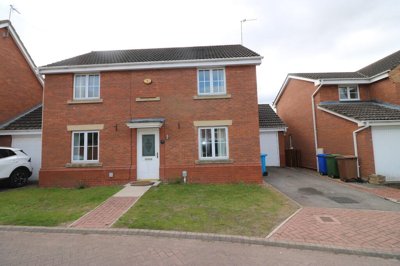
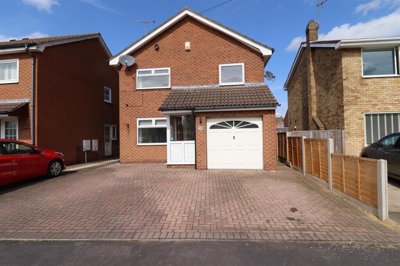
Browse 2 rental homes to rent in Brantingham, East Riding of Yorkshire from local letting agents.
The larger property sector typically features multiple bathrooms, substantial reception space, and private gardens or off-street parking. Four bedroom houses in Brantingham span detached, semi-detached, and occasionally terraced configurations, with styles ranging from period properties to modern executive homes.
£0/m
0
0
0
Source: home.co.uk
Showing 0 results for 4 Bedroom Houses to rent in Brantingham, East Riding of Yorkshire.
The rental market in Brantingham offers renters access to a diverse range of property types that reflect the village's architectural heritage and rural character. With approximately 25 property transactions recorded in the area over the past twelve months, the market remains active despite Brantingham's modest size as a village of just 300 households. The housing stock spans multiple eras of construction, with around 25 percent of properties dating from the pre-1919 period, offering characterful period homes with original features such as fireplaces, high ceilings, and traditional sash windows that have been maintained over generations. A further 35 percent of homes were constructed between 1945 and 1980, providing good-quality family accommodation that typically requires less intensive maintenance than older heritage properties. The village's mix of property ages creates a varied rental landscape where renters can choose between authentic period character and more recently constructed family homes depending on their preferences and budget.
Property types available for rent include detached family homes averaging around £450,000 in sale value, semi-detached properties at approximately £280,000, and terraced homes around £220,000, with flats making up approximately 10 percent of the local housing stock offering more affordable rental options for individuals or couples. The village's Conservation Area designation means that many rental properties feature traditional red brick and render construction with slate or concrete tiled roofs, blending seamlessly with the surrounding countryside and creating the distinctive aesthetic that makes Brantingham so visually appealing. Prospective renters should note that the local geology presents some practical considerations, with superficial deposits of till (boulder clay) overlying chalk bedrock creating a moderate to high shrink-swell risk that can affect property foundations over time, making professional surveys particularly valuable for older properties. Surface water flooding represents a localized risk in low-lying parts of the village, particularly during periods of heavy rainfall, so renters should investigate flood risk for specific properties and ensure appropriate insurance coverage is available.

Life in Brantingham revolves around community connection and appreciation for the natural Yorkshire landscape that defines this East Riding village, creating an environment where neighbours frequently know one another and local events foster genuine community spirit. The village is primarily residential, with a strong agricultural presence that has shaped both the local economy and the character of the surrounding countryside for generations, providing a tangible connection to Yorkshire's rural heritage. Residents enjoy the benefits of village living while maintaining easy access to the larger towns of Hull and Beverley for employment, shopping, and entertainment, making Brantingham particularly popular with commuters seeking to escape urban congestion while maintaining career options in regional centres. The local economy benefits from tourism attracted to the area's scenic beauty and heritage assets, supporting small local businesses and village services that might otherwise struggle in communities of this modest size.
The village centre clusters around the historic St Mary's Church, a focal point of community life and the anchor of the designated Conservation Area that protects Brantingham's architectural heritage from inappropriate development. This concentration of listed buildings, including several historic farmhouses and cottages built in traditional red brick and local stone, creates a distinctive streetscape that rewards exploration and provides a tangible connection to the village's agricultural past. Population data indicates approximately 700 residents call Brantingham home, creating a close-knit atmosphere where community events and village activities bring residents together throughout the year. The village offers essential amenities while larger supermarkets, hospitals, and specialist services are readily accessible in nearby market towns, providing practical convenience alongside rural tranquility that makes village life genuinely workable for daily needs.

Families considering renting in Brantingham will find a selection of educational establishments within the village and the surrounding East Riding area, catering to children of all ages and academic pathways. The village's small population means that primary education facilities may be located in nearby villages or towns, typically within a short drive or school bus route, with services coordinated through the East Riding local authority's comprehensive school transport system. Secondary education options in the broader region include well-regarded schools with strong academic records, and the East Riding maintains detailed information about school catchment areas, admission policies, and Ofsted ratings that prospective renters should consult when choosing a property in this village location. Many families are drawn to the Brantingham area specifically for access to excellent schools in nearby market towns, combined with the lifestyle benefits of rural village living that offers safe streets, green spaces, and community connection hard to find in more urban settings.
The village's housing stock, with approximately 80 percent of properties built before 1980, includes numerous family homes with generous gardens and safe outdoor spaces well-suited to children who can enjoy the countryside setting with appropriate supervision. Parents renting in Brantingham should research specific school Ofsted ratings and admission policies directly, as these details can vary and change over time, meaning that checking current information rather than relying on historical data is essential when making decisions about family accommodation. Secondary school options in the surrounding East Riding area include grammar schools in nearby towns such as Beverley for academically selective students, while independent schooling options are available in larger nearby towns for families seeking private education pathways. For families prioritising educational provision alongside rural charm, Brantingham offers an attractive combination that many find difficult to replicate in more urban environments where the trade-off is typically between school quality and living environment rather than having access to both.

Transport connectivity from Brantingham serves residents who need to commute to employment centres while enjoying the benefits of countryside living, with nearby towns providing rail and bus links to major cities throughout the region. The village benefits from its position in the East Riding, with straightforward road connections to Hull and Beverley via the A164 and A1079 that allow many residents to commute by car in under 30 minutes during non-peak hours to access employment, healthcare, and leisure facilities. Bus services operate between Brantingham and surrounding villages and towns, with Stagecoach East Midlands providing connections to regional transport networks, though frequencies may be limited compared to urban routes reflecting the lower population density of rural communities. The nearest railway stations are typically found in nearby market towns, with Hull Paragon and Beverley stations both approximately 15 miles away offering connections to broader regional and national rail networks including East Coast mainline services from Hull to London King's Cross.
For commuters working in Hull or Beverley, living in Brantingham provides a manageable daily journey that many find preferable to urban congestion and parking costs that can significantly impact quality of life and household budgets. The village's rural setting means that cycling infrastructure may be limited on some roads, though quieter country lanes offer pleasant routes for leisure cycling and shorter journeys for confident cyclists familiar with rural road conditions. Parking provision varies by property, with detached homes typically offering private driveways or garaging while terraced properties may have more limited on-street parking options that renters should verify before committing to a tenancy. Prospective renters without private vehicles should carefully assess public transport options, including bus timetables, walking distances to stops, and the availability of local taxi services, as access to a car remains beneficial for many daily activities in this rural village location.

Before viewing properties, get a rental budget agreement in principle from a mortgage broker or rental budget specialist to understand what rent you can comfortably afford within your overall financial picture. This shows landlords you are serious and financially prepared, which is crucial in competitive village markets like Brantingham where desirable rental homes can attract multiple applicants within days of listing. Consider additional costs beyond rent including council tax, utility bills, insurance, and potential maintenance responsibilities that vary depending on the tenancy agreement terms offered by different landlords.
Contact estate and letting agents operating in the East Riding who list properties in Brantingham and the surrounding villages to ensure you receive early notifications of new rental listings. Local agents often have early access to new listings before they appear on major property portals, giving you a competitive advantage in this sought-after village location where rental properties are relatively limited. Building relationships with agents can also give you insight into upcoming properties that may not yet be officially marketed, providing additional options in a market where availability is naturally constrained by the village's small size.
Visit rental properties in person to assess the property condition, local neighbourhood, and suitability for your household's specific needs including space requirements, parking, and access to amenities. Pay particular attention to signs of damp, roof condition, and any potential issues related to the local clay geology that might require professional survey assessment, especially in older properties where traditional construction methods may have specific maintenance needs. For properties within the Conservation Area, verify what alterations might be permissible during your tenancy as planning restrictions limit external modifications that could affect the property's appearance or structure.
For rental properties over 50 years old, which make up approximately 80 percent of Brantingham's housing stock, consider a professional RICS Level 2 Survey to identify any structural or maintenance issues that might affect your decision to rent or your understanding of ongoing maintenance responsibilities. Survey costs in the area typically range from £450 to £750 depending on property size and value, and while surveys are more commonly associated with property purchases, they can be valuable for tenants committing to longer-term rentals to understand exactly what condition the property is in. Our inspectors check properties thoroughly for common local defects including damp, roof issues, and subsidence risk related to the underlying clay geology, providing you with detailed information before you commit to a tenancy.
Once you have agreed on a rental property, your letting agent will arrange tenant referencing, right to rent checks, and the preparation of a tenancy agreement that sets out the terms of your occupation including rent, deposit, and maintenance responsibilities. Ensure you understand all terms, deposit protection arrangements under the Tenancy Deposit Protection scheme, and your responsibilities as a tenant before signing, as these documents form the legal basis of your rental arrangement. Standard deposits in England are capped at five weeks' rent for annual rentals below £50,000, which covers the majority of Brantingham rental properties, and your deposit must be protected in a government-approved scheme within 30 days of being received.
On move-in day, complete a thorough inventory check with your landlord or letting agent, documenting the condition of all rooms, fixtures, and fittings through written notes and photographs that create a record protecting both you and the landlord. This protects your deposit when you eventually vacate the property and ensures clarity about the property's condition at the start of your tenancy, preventing disputes about existing damage versus damage caused during your occupation. Your deposit is legally protected in a government-approved scheme within 30 days of receiving it, providing security that your money will be returned at the end of your tenancy minus any legitimate deductions for damage or unpaid rent.
Brantingham's diverse housing stock offers renters a variety of property types that reflect the village's architectural heritage and different periods of construction, from period cottages to family homes built during the mid-twentieth century expansion of rural housing. Detached family homes make up approximately 45 percent of the housing stock and represent the most common type of larger family accommodation available for rent in the village, typically offering generous gardens, multiple bedrooms, and private parking that appeals to households with children or those working from home. Semi-detached properties comprise around 30 percent of housing stock and offer a practical middle ground with adequate garden space for families while often presenting more affordable rental options than equivalent detached homes, making them popular with young families and couples seeking their first rental property in the countryside.
Terraced homes account for approximately 15 percent of properties in Brantingham and typically represent the most affordable entry point into the village's rental market, often located near the village centre where historic workers' cottages and converted agricultural buildings provide characterful accommodation with traditional features. Flats make up approximately 10 percent of the local housing stock and offer more affordable rental options for individuals or couples, though availability is naturally limited given the village's predominantly house-based housing stock, with most flats found above commercial premises or within converted farm buildings. Properties throughout the village commonly feature traditional construction methods including solid wall construction in pre-1920s buildings and cavity wall construction in properties built from the 1920s onwards, with roofs typically finished in slate or concrete tiles that contribute to the village's distinctive character.

Renting properties in Brantingham requires awareness of local factors that may not affect urban rental decisions, including the village's Conservation Area designation centred around St Mary's Church and its implications for property alterations and modifications during your tenancy. Properties within the Conservation Area are subject to planning restrictions that limit external modifications, so prospective renters should clarify what changes they can and cannot make during their tenancy and ensure any desired alterations are permissible under heritage protection guidelines. The presence of listed buildings in the village means that some properties carry additional obligations regarding maintenance and alterations that require listed building consent from East Riding of Yorkshire Council, adding complexity to any plans for structural or external changes that might be straightforward in non-listed properties elsewhere.
The local geology presents practical considerations for renters, as the underlying clay deposits create a moderate to high shrink-swell risk that can affect property foundations over time, especially in properties with trees nearby where root systems can draw moisture from the soil and exacerbate ground movement. Properties near trees or in areas with variable soil moisture are particularly susceptible to subsidence or heave movement, and professional surveys can identify any existing or potential issues that might affect the property's long-term condition and your responsibilities as a tenant. Surface water flooding represents a localized risk in low-lying parts of the village, particularly during periods of heavy rainfall when drainage systems can become overwhelmed, so renters should investigate flood risk for specific properties and consider appropriate insurance coverage that accounts for local environmental factors.
Building materials throughout the village typically include traditional red brick, render, and local stone, with roofs commonly finished in slate or concrete tiles, all of which contribute to the village's distinctive character but may require specific maintenance approaches that differ from modern construction. Traditional lime-based mortars and renders allow period properties to breathe and should be used for any repair work, while modern cement-based products can trap moisture and cause deterioration in older solid-wall construction. Timber sash windows common in period properties benefit from regular repainting and maintenance rather than replacement, and improper replacement with double-glazed units can cause condensation problems in properties where the original ventilation balance has been disrupted, an issue that surveyors frequently identify in older village homes.
While comprehensive rental price data for Brantingham specifically is limited, the overall average house price in the village is approximately £368,000 as of February 2026, with detached properties averaging £450,000, semi-detached homes around £280,000, terraced properties near £220,000, and flats at approximately £160,000, providing useful benchmarks for understanding relative property values in this East Riding village. Rental prices in rural East Riding villages typically reflect property type, condition, and size, with one and two-bedroom homes generally commanding lower rents than larger family houses with multiple bedrooms and gardens. The village's desirability combined with limited rental stock in this small community of approximately 300 households means that rental properties can represent good value compared to larger nearby towns while offering access to countryside amenities and strong community spirit that urban living cannot match. Prospective renters should register with local letting agents to receive notifications of new rental listings as they become available in this competitive village market where desirable properties may attract multiple interested parties quickly.
Properties in Brantingham fall under the East Riding of Yorkshire Council authority, which sets council tax bands based on property valuations that can be verified through the council website or during the tenancy agreement process. Rural village properties often include smaller properties in lower council tax bands, particularly older terraced cottages and converted agricultural buildings that may be valued lower than modern equivalents despite their character and desirable location. Larger detached family homes typically occupy higher council tax bands reflecting their greater market value and size, though these bands still represent relatively modest annual costs compared to equivalent properties in urban areas closer to employment centres. Council tax payments in the East Riding fund essential local services including education, refuse collection, road maintenance, and emergency services, all of which contribute to the quality of life enjoyed by Brantingham residents in this well-served rural community.
Brantingham itself is a small village, so families should research educational options in the surrounding East Riding area, where primary and secondary schools serve communities across the rural region with transport options coordinated through the local authority. The East Riding local authority publishes comprehensive information about school catchment areas, admission policies, and current Ofsted ratings for all maintained schools in the region, allowing prospective renters to verify educational provision before committing to a tenancy in the village. Nearby market towns including Beverley offer additional educational options including grammar schools for secondary education that attract students from across the East Riding, while independent schooling is available in larger nearby towns for families seeking private education pathways. Prospective renters with school-age children should research specific schools directly, verify current Ofsted ratings rather than relying on historical information, and confirm admission arrangements and catchment area boundaries before committing to a tenancy in this rural village location.
Public transport options from Brantingham include bus services connecting the village to nearby towns and villages in the East Riding, with Stagecoach East Midlands operating routes through the area, though frequencies may be limited compared to urban routes reflecting the lower population density of rural communities. The nearest railway stations are located in surrounding market towns with Hull Paragon and Beverley stations both approximately 15 miles away, providing connections to broader regional rail networks including East Coast mainline services from Hull to London King's Cross and cross-country routes to destinations throughout the north. Many Brantingham residents rely on private vehicles for daily commuting and activities, as is common in rural communities where public transport provision reflects lower population densities and limited infrastructure funding, meaning that access to a car remains beneficial for most daily activities. Prospective renters without cars should carefully assess bus timetables, walking distances to stops, and the availability of local taxi services before committing to a tenancy in this rural village location.
Brantingham offers an exceptional quality of life for renters seeking countryside living within easy reach of urban employment and amenities, making it particularly attractive to families, commuters, and those valuing genuine community connection in a village setting. The village's Conservation Area status preserves its historic character and visual appeal, while the proximity to Hull and Beverley provides practical access to employment, healthcare, and leisure facilities that village life alone cannot offer, creating a balance that many find ideal for long-term living. The strong community spirit, scenic countryside setting, and relatively low crime rates associated with rural East Riding contribute to an environment where many residents report high satisfaction with their decision to relocate to the area from more urban environments. Rental demand in villages like Brantingham can be competitive due to limited stock and strong desirability, so prospective tenants should be prepared to act quickly when suitable properties become available and maintain regular contact with local letting agents to avoid missing opportunities.
Standard rental deposits in England are capped at five weeks' rent where the annual rent is below £50,000, which applies to the majority of rental properties in the Brantingham market, providing a clear regulatory framework that protects tenants from excessive upfront costs. Tenants should budget for the deposit plus the first month's rent in advance when moving into a rental property, along with any referencing fees charged by letting agents that typically range from £100 to £300 depending on the agency and services included. Holding deposits, which secure a property while referencing checks are completed, are typically limited to one week's rent and are usually offset against the final move-in costs rather than being separate additional charges. Additional costs to consider include inventory check fees, potential administration charges from letting agents, and early termination fees if circumstances change during the tenancy, so always request a full written breakdown of all fees and charges before committing to a rental property to avoid unexpected costs that could strain your moving budget.
From £450
Identify property defects before committing to your tenancy. Ideal for older properties common in Brantingham.
From £600
Comprehensive building survey for period properties and listed homes.
From £85
Understand energy costs and efficiency before renting a property.
From £200
Planning to buy in Brantingham after renting? Get official valuations.
Understanding the costs involved in renting a property in Brantingham helps you budget effectively and avoid unexpected expenses during the tenancy application process and move-in period. The deposit you pay is protected in a government-approved scheme within 30 days of receiving it, providing security that your money will be returned at the end of your tenancy minus any legitimate deductions for damage or unpaid rent that are properly documented. Standard deposits in England are capped at five weeks' rent for annual rentals below £50,000, which covers the majority of properties in the Brantingham rental market, ensuring transparency and fairness in deposit arrangements across the sector. Before paying any deposit or signing a tenancy agreement, ensure you receive written confirmation of all fees, the deposit protection scheme to be used, and the exact amount payable, as these details are required by law and provide important protections for both parties.
The first month's rent is typically payable in advance alongside your deposit, meaning you will need to budget for two months' rent when moving into a new rental property plus additional moving costs that can quickly add up. Additional fees may include tenant referencing fees charged by letting agents, typically ranging from £100 to £300 depending on the agency, and inventory check fees that cover the professional condition report conducted at the start and end of your tenancy to document the property's condition and protect both tenant and landlord interests. Some landlords may charge a small administration fee for processing your application or setting up the tenancy, though regulations increasingly restrict these charges in the private rental sector as tenant protection legislation continues to evolve. Renting in a village like Brantingham often involves smaller letting agencies or private landlords who may have different fee structures compared to large city-based agencies, so always request a complete written breakdown of all costs before proceeding with any tenancy application.
Properties to Rent In London

Properties to Rent In Plymouth

Properties to Rent In Liverpool

Properties to Rent In Glasgow

Properties to Rent In Sheffield

Properties to Rent In Edinburgh

Properties to Rent In Coventry

Properties to Rent In Bradford

Properties to Rent In Manchester

Properties to Rent In Birmingham

Properties to Rent In Bristol

Properties to Rent In Oxford

Properties to Rent In Leicester

Properties to Rent In Newcastle

Properties to Rent In Leeds

Properties to Rent In Southampton

Properties to Rent In Cardiff

Properties to Rent In Nottingham

Properties to Rent In Norwich

Properties to Rent In Brighton

Properties to Rent In Derby

Properties to Rent In Portsmouth

Properties to Rent In Northampton

Properties to Rent In Milton Keynes

Properties to Rent In Bournemouth

Properties to Rent In Bolton

Properties to Rent In Swansea

Properties to Rent In Swindon

Properties to Rent In Peterborough

Properties to Rent In Wolverhampton

Enter your details to see if this property is within your budget.
Loans, cards, car finance
Estimated property budget
Borrowing + deposit
You could borrow between
Typical borrowing
Monthly repayment
Est. at 4.5%
Loan-to-value
This is an estimate only. Your actual budget may vary depending on interest rates, credit history, and personal circumstances. For an accurate affordability assessment, speak to one of our free mortgage advisors.
This calculator provides estimates for illustrative purposes only and does not constitute financial advice. Your home may be repossessed if you do not keep up repayments on your mortgage. Estimates based on 4.5% interest rate, repayment mortgage. Actual rates depend on your circumstances.
Homemove is a trading name of HM Haus Group Ltd (Company No. 13873779, registered in England & Wales). Homemove Mortgages Ltd (Company No. 15947693) is an Appointed Representative of TMG Direct Limited, trading as TMG Mortgage Network, which is authorised and regulated by the Financial Conduct Authority (FRN 786245). Homemove Mortgages Ltd is entered on the FCA Register as an Appointed Representative (FRN 1022429). You can check registrations at NewRegister or by calling 0800 111 6768.

We use cookies to show you personalised content and improve your experience of our website. Find out more in our Privacy policy and Cookie policy.