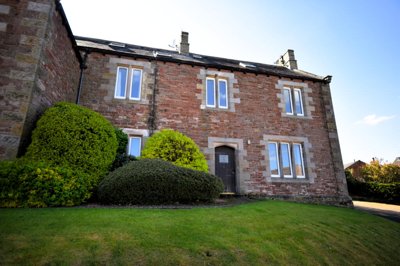
Browse 1 rental home to rent in Brampton, Cumberland from local letting agents.
Studio apartments feature open-plan living spaces without separate bedrooms, incorporating sleeping, living, kitchen, and bathroom facilities. The Brampton studio market includes properties in modern apartment complexes, converted Victorian and Georgian buildings, and purpose-built developments.
£525/m
1
0
23
Source: home.co.uk
Showing 1 results for Studio Flats to rent in Brampton, Cumberland. The median asking price is £525/month.
Source: home.co.uk
Flat
1 listings
Avg £525
Source: home.co.uk
Source: home.co.uk
Brampton’s rental market reflects just how popular this Cumberland market town remains. Recent data shows average sold prices rising by approximately 24% over the past year to around £243,756, which points to steady demand for homes here. There were 52 residential property sales in Brampton over the last year, so turnover is healthy, and the market still has room for landlords and tenants alike.
Different homes come to the market in Brampton, and that variety suits a wide spread of budgets. Detached properties, with average values of around £347,500 to £379,281, give families the most breathing space. Semi-detached homes, averaging approximately £245,813 to £277,938, are the most common housing type in the wider Cumbria region, making up 33.8% of households. Terraced properties sit around £152,654 to £173,542, often appealing to first-time renters or anyone after a character home in the town centre. Flats average roughly £92,250 to £110,000, which keeps things compact for individuals or couples.
New schemes are also reshaping the local rental picture. South of Carlisle Road, CA8, the Story Homes Winchester Place Phase 2 development has had full planning for 219 new homes, including 65 affordable properties. At Greenhill, Castles and Coasts Housing Association has approval for 60 affordable homes, with two-bedroom bungalows and two, three, and four-bedroom houses for affordable rent and rent-to-buy schemes. Over the next few years, that will broaden the choice of modern homes in Brampton.

Life here still revolves around the market town feel and a strong local community. Independent shops, family-run restaurants and traditional Cumbrian pubs give Brampton much of its character, and the twice-weekly markets have been part of daily life for centuries. The local economy is also anchored by WCF, the retail and logistics firm headquartered in Brampton, which employs over 370 people across more than 30 UK locations. Jobs also come from logistics, care sectors, education, hospitality and retail, so there is a decent spread of work nearby.
Much of Brampton’s appeal comes from the landscape around it. The town sits in the glaciofluvial terrain known as the "Brampton kame belt", where ridges and flat-topped hills formed from ancient glacial deposits have shaped local farming and settlement patterns for millennia. The Pennines provide a dramatic backdrop, the Scottish border adds historical depth, and Hadrian’s Wall country lies close by. Residents are well placed for heritage sites and outdoor routes such as the Pennine Way national trail.
The Carlisle district, which includes Brampton, saw its population rise by 2.3% between 2011 and 2021, a sign of the area’s growing appeal. In the town centre, 84 listed buildings help preserve its historic character, including four Grade I and four Grade II* listed structures. The Conservation Area, established in 1973 and extended in 2003, centres on Front Street, Main Street and Craw Hall. Naworth Castle adds another layer to the area’s heritage story.

Families are well served on the education front. Several primary schools support Brampton and the surrounding villages, while the Cumberland school system gives children a solid start. Secondary options also have strong academic records, which is part of the reason the town works so well for renters with children. The Cumbria Education Trust operates schools in the region too, bringing professional oversight and development opportunities for teaching staff.
For older pupils, sixth form and further education are available in Carlisle, reached by regular bus services or the scenic Tyne Valley railway line. Students can choose from A-level courses and vocational qualifications at the city’s colleges. Many rental homes in Brampton sit within practical catchment areas for these institutions, so parents can keep schooling options open without giving up the rural setting. Twice-daily bus services also connect students to Carlisle schools efficiently.
Before signing a tenancy, families should check school catchment boundaries with Cumberland Council. Admission policies do shift, and a property close to a boundary line may not secure a place at a preferred school. Getting current catchment details from the local education authority is the sensible move when choosing a rental home for the family.

Despite its rural setting, Brampton is well connected and works for commuters too. The town sits on key road routes, including the A69, giving direct access to Newcastle upon Tyne to the east and Carlisle to the west. The nearby M6 links the area to the wider national road network, so longer drives to Manchester, Liverpool and beyond are perfectly workable. Newcastle is around one hour away, while Carlisle is just 20 minutes from town.
Rail and bus services also make travel fairly straightforward. The Tyne Valley line serves the area, and Carlisle station opens up faster intercity links, with regular trains to London Euston taking around three hours. For residents without a car, the scenic Tyne Valley railway offers another useful option. Local buses link Brampton with nearby villages and market towns, and the Cumbrian coastline and Lake District are easy enough to reach for a weekend away.
Walkers and cyclists have plenty to work with here. Quiet country lanes and designated footpaths spread out through the surrounding countryside, and the Pennine Way national trail passes close by for those after longer routes. The Gelt Viaduct is another notable feature, an impressive railway bridge built from local red sandstone. Recent inspections have recorded stonework cracking and masonry movement there, a reminder that historic structures need regular maintenance.

Speak to local mortgage brokers or financial advisers to get a rental budget agreement in principle before you start viewing. It shows landlords that the monthly rent is affordable and can make the application process smoother once you find the right place. In Brampton, the numbers need to include rent, council tax, utilities and the other day-to-day costs that come with the property.
Current listings will give you a clearer sense of what is available in your price range. As you narrow the search across Brampton and the nearby villages, keep school access, transport links and town centre amenities in view. It also helps to check current rental prices in the area so your monthly budget stays realistic.
Once you have a shortlist, book viewings and look closely at condition, location and suitability. It is worth spending time in the neighbourhood at different times of day, and checking nearby shops, schools and bus stops while you are there. If the property sits in Brampton’s Conservation Area, pay extra attention to the exterior, because sandstone homes need regular upkeep.
Before you sign a tenancy agreement, look into the local factors that could affect life in the property. Check flood risk using Environment Agency data, inspect the exterior and roof, and confirm the council tax band. Older homes in Brampton’s Conservation Area may also come with maintenance obligations that tenants need to understand from the outset.
Successful applicants will be asked for references, proof of income and tenant referencing checks. Have your paperwork ready, including ID, bank statements and the contact details for previous landlords or employers. Referencing fees usually fall between £100 and £300, depending on the letting agent.
Once referencing is finished and the tenancy agreement is signed, the move can begin. Take meter readings, collect the keys from the letting agent or landlord, and carry out an inventory check so the condition of the property is recorded at the start of the tenancy. Any discrepancies should be reported to the landlord within the agreed timeframe.
Renting in Brampton means keeping an eye on a few local factors. The town has 84 listed buildings and sits within a Conservation Area established in 1973 and extended in 2003. Properties around Front Street, Main Street and Craw Hall are covered by planning restrictions intended to protect their historic character, and some changes will need consents from Cumberland Council. Listed buildings carry extra protections too, so alterations cannot go ahead without the proper approvals.
Flood risk is something we would always check carefully in Brampton. The main local issue is Brampton Beck, a small stream that runs mostly underground through the town. Flood warning services were introduced in August 2021 for properties in Hemblesgate Court, Craw Hall, Main Street, Beck Riggs and Townfoot. Dacre Road has also been identified as a low point linked to Brampton Beck that needs monitoring, so if a property is nearby, review the Environment Agency warnings and check insurance and flood resilience arrangements.
Local building materials tell their own story about Brampton’s geology and history. Many older buildings use local sandstone, with red sandstone and calciferous sandstone especially common in Georgian and Victorian structures. Some of these homes have solid wall construction rather than cavity insulation, which can affect heat retention and running costs. When we inspect older rentals, we look at pointing, render and roofing materials, because sandstone buildings need regular maintenance to reduce the risk of damp. Slate roofing is the usual standard here, so that also needs checking.
Brampton also sits in an area with a history of mining, especially around Tindale Fell, Talkin and Midgeholme in the North Cumbrian Pennines. Shallow underground workings from medieval times onwards can create a risk of ground movement and surface settlement. It does not affect many homes directly, but tenants looking at older properties near former mining activity should still factor it into the long-term condition of the building.

Rental values in Brampton vary with property type and location, but the recent market data still gives a useful guide. The average house price was approximately £243,756, with terraced properties at around £152,654 to £173,542, semi-detached homes at approximately £245,813 to £277,938, and detached properties between £347,500 and £379,281. Monthly rents usually sit in proportion to those purchase values, while condition, bedroom count and current demand shape the final figure. Local letting agents can give the latest listings, because prices change with the seasons and with the exact position of the home in town.
Properties in Brampton fall within Cumberland Council’s council tax banding system. Bands A through H are based on the property’s assessed value as of April 1991, and the bands are reviewed from time to time. Because Brampton has a mix of period homes and newer developments, the council tax band can vary quite a bit across the town. You can check a property’s band through the Valuation Office Agency website or in the listing details, and many homes in the Conservation Area sit in mid-range bands because of their historic character and desirable setting. Council tax in Cumberland is usually collected monthly by the local authority.
Brampton has good primary schooling for the local community and the surrounding villages. The town sits within the catchment areas for well-regarded primary and secondary schools managed by Cumberland Council, which is useful for families planning ahead. If you need a particular school place, contact the local education authority directly to confirm the current catchment boundaries and admission arrangements. Secondary options in the wider area have strong academic records, and sixth form provision is available in nearby Carlisle for older students. The Cumbria Education Trust oversees several schools in the region and helps keep standards steady.
Transport links are one of Brampton’s strengths, even with its rural position. The A69 offers direct access to Carlisle and Newcastle upon Tyne, and the nearby M6 connects the area to the national road network. Bus services run between Brampton and surrounding towns, including regular routes to Carlisle, where mainline railway stations provide intercity services to London, Edinburgh and other major cities. The Tyne Valley railway line crosses the region as well, giving residents without cars another way to travel. From Carlisle, direct trains to London Euston take approximately three hours.
For anyone seeking a balanced rural lifestyle, Brampton makes a strong rental choice. Historic character, with 84 listed buildings and a designated Conservation Area, sits alongside everyday essentials such as shops, schools and healthcare facilities. WCF supports the local economy, families are drawn by the schools and outdoor lifestyle, and the recent 24% rise in property values points to growing demand for homes here. Hadrian’s Wall heritage sites and the Lake District are both nearby, which only adds to the appeal.
In Brampton, renting a property usually means a security deposit worth between one and five weeks’ rent, depending on the landlord and the home itself. Common upfront costs also include referencing fees, administration charges and, in some cases, a holding deposit while references are checked. First-time renters may benefit from reduced upfront costs on properties valued under £425,000 under current government schemes. Before signing anything, ask the letting agent for a full breakdown of fees.
Older homes in Brampton, especially those built before 1919, need a close look before any tenancy is agreed. Watch for damp, because solid wall construction without modern damp-proof courses can allow moisture in. Check sandstone pointing and render too, since both need regular maintenance in the Cumbrian climate. Roofs should be inspected for damaged or missing slates, and gutters and downpipes need to be clear and working. If the property still has original wiring or lead plumbing, that may point to updating needs for current safety standards.
Flood risk in Brampton is mainly tied to Brampton Beck, which runs mostly underground through the town. The flood warning area set up in August 2021 covers Hemblesgate Court, Craw Hall, Main Street, Beck Riggs and Townfoot. The nearby River Irthing can flood surrounding farmland during heavy rain, although that rarely reaches residential properties. Brampton is inland, so there is no coastal flood risk. Before signing any tenancy agreement, ask the landlord or letting agent about flood insurance.
From 4.5%
Get professional rental budget advice so you know what fits comfortably within reach. Our advisers help work out the monthly rental budget, including the associated costs.
From £499
Complete the tenant referencing checks landlords ask for before a tenancy agreement is signed. Our fast online referencing helps move the rental application along.
From £350
A professional RICS Level 2 survey looks at the property condition before you commit to renting. It is especially useful for older homes in Brampton’s Conservation Area.
From £80
An Energy Performance Certificate is required for all rental properties. Check the energy efficiency rating before you sign the tenancy.
Renting a home in Brampton brings a few upfront costs, so it helps to plan ahead before you start searching. The biggest one is usually the security deposit, which is generally equal to one month's rent for monthly tenancies or five weeks' rent for annual agreements. That deposit is protected in a government-approved scheme within 30 days of receipt, and you should be told which scheme is being used. Cumberland Council regulations mean tenants receive full information about deposit protection rights.
Other costs when renting in Brampton can include application or referencing fees for processing the tenancy, administration charges from the letting agency, and a small holding deposit to take the property off the market while references are verified. Tenant referencing usually costs between £100 and £300, depending on the number of applicants and how detailed the checks are. If you are a first-time renter purchasing a property under £425,000, you may qualify for relief on upfront stamp duty costs, although that applies mainly to purchases rather than rentals. Ask for a written schedule of all fees from the letting agent before you go ahead.
Monthly rent, council tax under Cumberland Council’s property banding, utility bills and contents insurance all need to sit in the budget for a Brampton rental. Period homes in the Conservation Area can also cost more to heat because of solid wall construction and older windows, so that should be factored in when comparing properties. Buildings insurance is usually the landlord’s responsibility, but contents cover is still worth budgeting for to protect your belongings. Energy Performance Certificates rate homes from A, the most efficient, to G, the least efficient, and lower-rated properties can bring higher heating bills.
Properties to Rent In London

Properties to Rent In Plymouth

Properties to Rent In Liverpool

Properties to Rent In Glasgow

Properties to Rent In Sheffield

Properties to Rent In Edinburgh

Properties to Rent In Coventry

Properties to Rent In Bradford

Properties to Rent In Manchester

Properties to Rent In Birmingham

Properties to Rent In Bristol

Properties to Rent In Oxford

Properties to Rent In Leicester

Properties to Rent In Newcastle

Properties to Rent In Leeds

Properties to Rent In Southampton

Properties to Rent In Cardiff

Properties to Rent In Nottingham

Properties to Rent In Norwich

Properties to Rent In Brighton

Properties to Rent In Derby

Properties to Rent In Portsmouth

Properties to Rent In Northampton

Properties to Rent In Milton Keynes

Properties to Rent In Bournemouth

Properties to Rent In Bolton

Properties to Rent In Swansea

Properties to Rent In Swindon

Properties to Rent In Peterborough

Properties to Rent In Wolverhampton

Enter your details to see if this property is within your budget.
Loans, cards, car finance
Estimated property budget
Borrowing + deposit
You could borrow between
Typical borrowing
Monthly repayment
Est. at 4.5%
Loan-to-value
This is an estimate only. Your actual budget may vary depending on interest rates, credit history, and personal circumstances. For an accurate affordability assessment, speak to one of our free mortgage advisors.
This calculator provides estimates for illustrative purposes only and does not constitute financial advice. Your home may be repossessed if you do not keep up repayments on your mortgage. Estimates based on 4.5% interest rate, repayment mortgage. Actual rates depend on your circumstances.
Homemove is a trading name of HM Haus Group Ltd (Company No. 13873779, registered in England & Wales). Homemove Mortgages Ltd (Company No. 15947693) is an Appointed Representative of TMG Direct Limited, trading as TMG Mortgage Network, which is authorised and regulated by the Financial Conduct Authority (FRN 786245). Homemove Mortgages Ltd is entered on the FCA Register as an Appointed Representative (FRN 1022429). You can check registrations at NewRegister or by calling 0800 111 6768.

We use cookies to show you personalised content and improve your experience of our website. Find out more in our Privacy policy and Cookie policy.