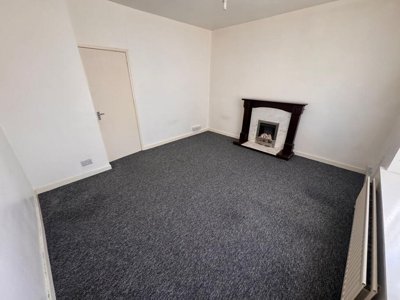
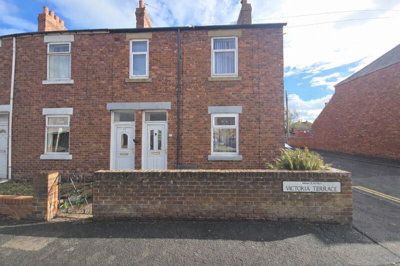
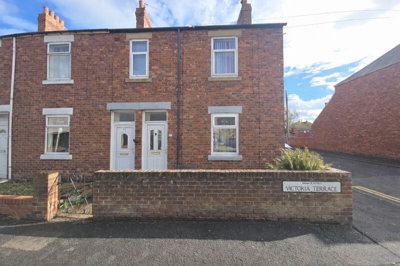
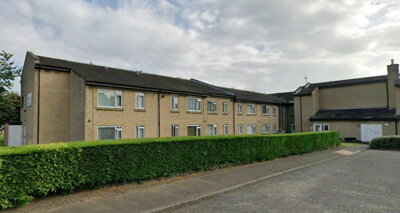
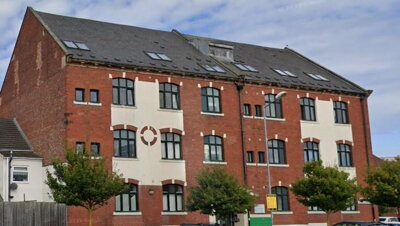
Browse 5 rental homes to rent in Blyth from local letting agents.
One bed apartments provide a separate bedroom alongside distinct living space, bathroom, and kitchen areas. Properties in Blyth are available in various building types including mansion blocks, contemporary developments, and house conversions.
In Blyth, rental demand tends to cluster around well-kept terraces, semis, and newer family houses, with a broad spread of homes across the town. homedata.co.uk records show an average sold price of around £160,763 over the last 12 months, which is a useful guide to local value. Even so, the market is not one-note. Detached homes often sit well above the town average, while flats and smaller terraces remain closer to the entry-level end.
Different property types come in at very different price points, and that can shape the balance between space and location. home.co.uk shows asking prices near £57,500 for flats in one snapshot, about £116,753 to £124,746 for terraces, around £149,778 to £152,800 for semis, and roughly £283,317 for detached homes. In the same set of figures, asking prices eased by 1.7% over the past 6 months, which may give renters a little more room to negotiate. homedata.co.uk also records 411 residential sales in the last 12 months, down 22.63% year on year, so there is still steady movement through a softer market.

Blyth is a coastal town in Northumberland with a character that feels firmly rooted in its past. Its historic port goes back to the 12th century, and that maritime identity still colours the way the town is seen now. You get beaches, sea air and open views, but also a proper town centre, schools, shops and the day-to-day services people rely on. For many renters, that mix of coast and convenience is what puts Blyth in the frame.
Recent years have brought substantial refurbishment in central Blyth, and that has lifted the feel of older streets more than some people expect from a town with a long industrial history. The local housing stock is weighted towards traditional terraces and semis, with detached homes and flats dotted through both newer and older neighbourhoods. That gives first-time renters, families and downsizers several routes into the same market. It matters as well that regeneration often feeds confidence, especially where public spaces improve and transport links get stronger.
Work and the wider economy feed into demand as much as housing stock does. Blyth has long been tied to shipping and, more recently, renewable energy logistics, keeping it linked into activity across the North East. People looking for somewhere with a bit of grit and identity often like that the town feels lived-in, not dressed up purely for visitors. A working waterfront, quick access to the Northumberland coastline, and a price point that still feels manageable, that is a combination worth paying attention to.
For families renting in Blyth, schools are often the starting point. The town has a range of academy and comprehensive choices, and the right option can depend as much on the street as on the town overall. Catchment areas do shift, so we always suggest checking the latest admissions maps before making an offer on a home. That matters most if you need a specific nursery, primary, or secondary route.
Names that come up regularly include Bede Academy and The Blyth Academy, alongside the nearby primaries that serve different parts of the town and surrounding estates. Blyth itself does not have a grammar school system, so most families are weighing comprehensive and academy routes instead. Sixth-form options usually come through local secondary provision or a broader college route, with further education available across the county and into nearby urban centres. If schooling is driving the move, we would match the shortlist to the schools first, then tighten the property search around the most likely catchment areas.
Then there is the day-to-day side of it. Morning travel, parking, after-school clubs and bus access all affect how manageable family life feels once you are in. A house can look ideal on paper and still be awkward if the school run is a strain or the nearest bus stop is in the wrong place. In Blyth, the best rental is often the one that keeps routines simple as well as costs under control.

Transport in Blyth is improving, but for most daily journeys the town still depends more on roads and buses than anything else. The Northumberland Line is the big local transport story, because it is expected to strengthen rail access and tighten Blyth's connection with the wider region. Until that is fully part of everyday travel, many commuters still rely on buses, local driving routes and rail access outside the town. So where you live within Blyth can make a real difference, especially for a weekday trip to work.
One of Blyth's better practical points is road access. The A189 gives a direct route towards the A19 and the wider North East network, which helps if you commute to Newcastle or travel across Northumberland on a regular basis. Bus services link the town centre with residential estates and neighbouring coastal communities, so living without a car is still workable for plenty of everyday trips. For a lot of households, the real issue is not whether Blyth connects at all, but how long that door-to-door journey takes at peak times.
Parking is much more street-specific. Newer estates and some suburban roads are usually easier for car owners, while older streets and busier central spots can feel tighter. There are practical routes for cyclists too, but it depends heavily on the exact neighbourhood and how close you are to main roads, schools or the seafront. If commuting is central to your move, we would view at the same time of day you would normally travel, so you see the journey as it really is, not just how it looks on a map.
Before you start viewing, use our rental budget support. Setting a firm monthly ceiling makes it easier to move quickly when a well-priced Blyth home appears, and it helps stop costs creeping too far once bills are added in.
Focus on the exact street, not only the town name. Blyth includes homes near the centre, close to the coast and on newer estates, so the best fit comes down to how you live, travel and spend your evenings.
Try to visit more than once if you can. Parking, traffic, noise and the general feel of a street can shift sharply between a quiet weekday and a busier weekend.
Before committing, ask for the tenancy terms, deposit details and any inventory. If the property has been refurbished or sits in a converted building, go through the paperwork carefully so you know exactly what comes with it.
Good-value homes in Blyth do not always hang around for long. Keep your ID, references and budget information ready, so you can secure the property before another applicant gets there first.
Once your application is accepted by the landlord, get the next steps lined up straight away, referencing, move-in date and utility changes. A clean handover can make the first week in the new place far easier.
The coastal position is one of Blyth's strengths, but it also means renters should ask practical questions about exposure, damp and drainage. Some properties are in older streets with traditional brick construction, while others sit within newer or refurbished developments. That variety is good for choice, though it also means windows, insulation, roof condition and heating systems can differ more than many expect. On a viewing, we would look past the decoration and judge how warm, dry and workable the home actually feels.
In central Blyth, conservation history still matters. There has been substantial refurbishment, and listed buildings are present in the older parts of town. For renters who like character, that can be a real plus, but it may also come with tighter rules around changes, alterations or exterior work. Flats can add another layer, with service charges, building rules and maintenance responsibilities that may not be obvious from the headline rent. If a leasehold flat is on your shortlist, ask who covers repairs, how shared areas are managed and whether any major works are planned.
Flood exposure is another sensible point to check in a coastal town, even if a listing does not flag a specific street. Ask the landlord or agent about any historic water issues, recent repairs and insurance claims linked to the building. Planning restrictions may matter as well if you want to run a vehicle, add storage or make minor changes once you move in. In Blyth, the best rental is usually the one that is straightforward to live with, not simply the cheapest on day one.
There is no single fixed rent in Blyth, because location and property type change the picture quite a bit, but the local value data still gives a strong steer. homedata.co.uk records an average sold price of £160,763 over the last 12 months, while home.co.uk shows an average asking price of £162,893. Smaller flats sit well below larger detached homes, so monthly rent will depend heavily on the size and style you want. If you are costing up a move, we would compare several streets rather than lean too hard on one headline number.
Northumberland County Council sets council tax in Blyth using the standard national bands from A to H. The final band reflects the property's assessed value, size and type, which is why two homes on the same street can still fall into different bands. Lower-value homes in Blyth often sit in the lower bands, but it is always worth checking the exact band for any property you view. We would ask the agent to confirm it before you agree the move, so your budget is based on the real figure.
For many local families, the school comparison starts with Bede Academy and The Blyth Academy, then moves to the primary schools serving each part of town. The best fit depends on your child's age, the catchment area and how practical the school run is from the property you choose. There is no grammar school system in Blyth itself, so most renters are really comparing comprehensive and academy options. Check the latest admissions information before committing, because one street can fall differently from the next.
Getting around is fairly practical here. Blyth has solid bus links and useful road access, with the A189 helping drivers reach the A19 and the wider North East network. The Northumberland Line is a significant upgrade for the town and should improve rail links further once it is fully in place. At present, though, many residents still depend on buses and driving for everyday commuting. If train access is important to you, we would judge homes against your actual travel pattern rather than future plans alone.
As a rental location, Blyth makes a strong case for itself if you want a Northumberland coastal town with better value than many larger regional centres. There is still a good spread of terraces, semis, flats and bigger family homes, so renters can weigh affordability against space without leaving the same market. Town centre regeneration, the historic port background and improving transport links all support its longer-term appeal. It tends to suit renters who want a practical base with some character and room to grow.
On most rentals, expect to pay a holding deposit, a tenancy deposit and the first month's rent in advance. Under the usual renting rules, the tenancy deposit is capped and the holding deposit should not be excessive, so the exact sum depends on the rent level of the property you choose. Extra fees should be limited, but we would still ask the agent for a full breakdown before you apply. It is much easier to move smoothly with a clear upfront budget.
Family renters often lean towards quieter residential streets, newer estates and homes within easier reach of schools and everyday shops. Places with simple parking and straightforward bus access usually make school runs and weekday routines less of a chore. Older central streets can still appeal for their character, but they may also bring tighter parking or more maintenance points to think about. Usually, the best family option is the one that balances space, school access and easy daily travel.
Yes, there is a wide mix of rental stock in Blyth, from flats and terraces to semis and larger detached homes. home.co.uk's asking price snapshots show flats at much lower entry points than bigger houses, which can give smaller households a more affordable route into the town. Houses tend to suit renters who want extra space or are looking for a garden and parking. If you are undecided, we would compare a flat and a house in the same area, because that is often the clearest way to judge the trade-off.
From 4.5%
Compare rental budget rates and map out your monthly move with confidence
From £499
Get support with tenant checks and application paperwork
From £350
Useful if you are weighing up leasehold flats or older homes before you commit
In Blyth, the headline rent is only one part of the moving cost. Most renters also need to allow for a holding deposit, a tenancy deposit, moving costs and setup bills such as utilities, broadband and council tax. If you are looking at an older terrace or a refurbished flat, ask whether it is ready to move into straight away or whether cleaning, furniture or small repairs need to go into the budget as well. A sensible plan leaves breathing room for the first few weeks, not just the first payment.
It helps to set those costs against the local value picture too. home.co.uk shows asking prices around £162,893 on average, while homedata.co.uk records average sold prices at £160,763, suggesting a market where the figures remain fairly close together. Detached homes can cost far more, but smaller properties may offer a manageable route into the town if you are trying to keep monthly outgoings under control. If you are still deciding, we think it is better to have a rental budget agreement in principle before you book viewings, because strong applications often move fastest.
If renting in Blyth later turns into a step towards buying, it helps to know the current stamp duty thresholds. They are 0% up to £250,000, 5% from £250,000 to £925,000, 10% from £925,000 to £1.5 million, and 12% above £1.5 million. First-time buyers get 0% up to £425,000 and 5% from £425,000 to £625,000, with no relief above that level. None of that changes the rent you pay now, but it is useful background if this move is part of a longer plan. For the time being, the aim is simple, keep your monthly rent, deposit and moving costs aligned so Blyth feels affordable from the first month onward.
Properties to Rent In London

Properties to Rent In Plymouth

Properties to Rent In Liverpool

Properties to Rent In Glasgow

Properties to Rent In Sheffield

Properties to Rent In Edinburgh

Properties to Rent In Coventry

Properties to Rent In Bradford

Properties to Rent In Manchester

Properties to Rent In Birmingham

Properties to Rent In Bristol

Properties to Rent In Oxford

Properties to Rent In Leicester

Properties to Rent In Newcastle

Properties to Rent In Leeds

Properties to Rent In Southampton

Properties to Rent In Cardiff

Properties to Rent In Nottingham

Properties to Rent In Norwich

Properties to Rent In Brighton

Properties to Rent In Derby

Properties to Rent In Portsmouth

Properties to Rent In Northampton

Properties to Rent In Milton Keynes

Properties to Rent In Bournemouth

Properties to Rent In Bolton

Properties to Rent In Swansea

Properties to Rent In Swindon

Properties to Rent In Peterborough

Properties to Rent In Wolverhampton

Enter your details to see if this property is within your budget.
Loans, cards, car finance
Estimated property budget
Borrowing + deposit
You could borrow between
Typical borrowing
Monthly repayment
Est. at 4.5%
Loan-to-value
This is an estimate only. Your actual budget may vary depending on interest rates, credit history, and personal circumstances. For an accurate affordability assessment, speak to one of our free mortgage advisors.
This calculator provides estimates for illustrative purposes only and does not constitute financial advice. Your home may be repossessed if you do not keep up repayments on your mortgage. Estimates based on 4.5% interest rate, repayment mortgage. Actual rates depend on your circumstances.
Homemove is a trading name of HM Haus Group Ltd (Company No. 13873779, registered in England & Wales). Homemove Mortgages Ltd (Company No. 15947693) is an Appointed Representative of TMG Direct Limited, trading as TMG Mortgage Network, which is authorised and regulated by the Financial Conduct Authority (FRN 786245). Homemove Mortgages Ltd is entered on the FCA Register as an Appointed Representative (FRN 1022429). You can check registrations at NewRegister or by calling 0800 111 6768.

We use cookies to show you personalised content and improve your experience of our website. Find out more in our Privacy policy and Cookie policy.