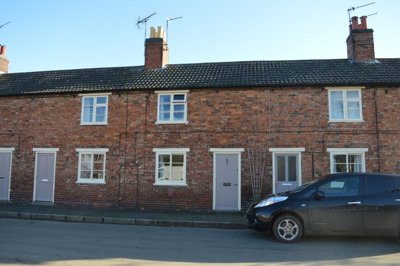
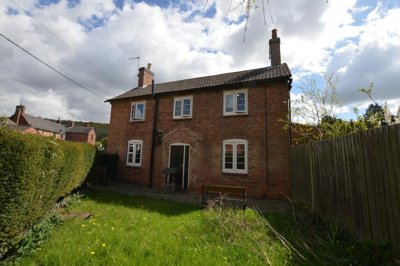
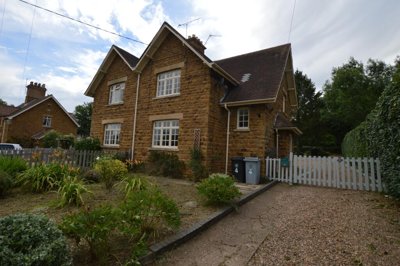
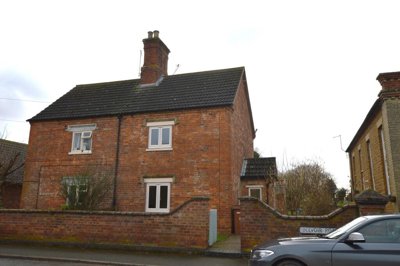
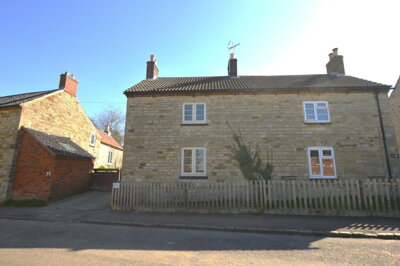
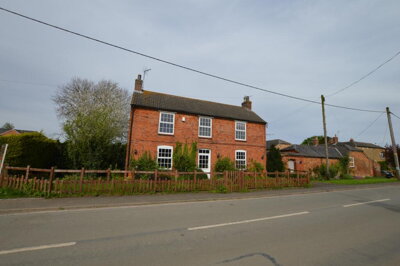
Browse 7 rental homes to rent in Belvoir, Melton from local letting agents.
The Belvoir property market offers detached, semi-detached, and terraced houses spanning various price ranges and neighbourhoods. Each listing includes detailed property information, photographs, and direct contact with the marketing agent.
£0/m
0
0
0
Source: home.co.uk
Showing 0 results for Houses to rent in Belvoir, Melton.
Belvoir village itself has a very small rental market, simply because there is so little housing stock, and homes tend to come up only occasionally. Wider out, the Vale of Belvoir, including Bottesford, Knipton and Woolsthorpe, can bring a few extra options for anyone after that rural way of life. In this part of Leicestershire, rentals are usually old stone and brick cottages, converted farm buildings, and the odd semi-detached family house from the twentieth century. Being so close to the Belvoir Estate also means there are sometimes tied or estate cottages, which is a rather special way to live within historic grounds.
The numbers for Belvoir village itself are thin on the ground, so we look to the wider Leicestershire market for context. Recent market data puts the county-wide average house price at around £299,000, which reflects the mix of town and country property values across the area. Once annualised, rents in villages like Belvoir often sit in a similar bracket to purchase prices, but the rural setting and tight supply mean anything available tends to draw plenty of interest. Add in the age of the local housing stock and the pull of the estate, and the rental picture looks very different from nearby towns.
Across Leicestershire, the market has shifted in a few clear ways, with semi-detached properties rising by around 1.7% over recent months, while terraced houses and flats have edged down. That movement gives a useful backdrop for rent levels in the Vale of Belvoir, where period homes and character properties can command a premium because they are not easy to replace. New build activity is still limited within Belvoir itself, although Bottesford and neighbouring villages have seen some development, and nearby modern homes are showing guide prices in the region of £330,000 to £340,000.

At the centre of village life is the striking Belvoir Castle, the ancestral seat of the Manners family and one of the finest country houses in the English Midlands. Its grounds and estate shape much of what happens locally, with outdoor concerts, food festivals and seasonal events bringing visitors in throughout the year. That brings a steady flow of cultural activity and spending into the village, and the estate remains a major employer too. Historic England has now extended the historic designation to include Knipton Reservoir, which underlines just how important the area is in heritage terms.
Fertile farmland has defined the Vale of Belvoir for centuries, and the landscape still shows that agricultural history plainly. Fields, hedgerows and woodland combine to create a setting that supports long walks, cycling and quiet days outdoors. Public footpaths and bridleways cross the vale, while Rutland Water sits nearby for further leisure options. Living here means being part of a farming community where local produce, country markets and rural customs still matter in day-to-day life.
Agriculture, tourism linked to Belvoir Castle, and commuting to larger employment centres all feed the local economy in the Vale of Belvoir. The area’s geology, with Lias Group mudstones and limestones, has helped create the fertile soils that have supported farming for generations. Knipton Reservoir, built in 1797 to feed the Grantham Canal, remains a prominent part of the estate landscape and gives residents a scenic place to walk. The village post office and local shop act as everyday meeting points, while Grantham and Melton Mowbray offer supermarkets, healthcare and a wider range of shops and professional services.

For families looking to rent in Belvoir, schooling is available nearby, although the village is too small to support its own full range of provision. Primary education is usually accessed through surrounding villages and towns, with schools in Bottesford and neighbouring communities serving younger children. Catchment areas and admissions can change, so it makes sense to check them carefully before committing to a property. School travel is part of rural life here, and daily journeys may need to be built into any decision.
Secondary schools can be found in Grantham, Melton Mowbray and the surrounding market towns, and several offer both academic and vocational routes. Families who want more choice may also look towards grammar school places in nearby Lincolnshire, although competition for entry is keen. Older students can study further or higher education in Leicester, Nottingham and Grantham, with transport links making part-time or full-time travel manageable. Because Belvoir is rural, it pays to weigh up transport arrangements and journey times properly, as they can shape family routines more than people expect.
By car, the run to secondary schools in Grantham is usually around 25 minutes, while Melton Mowbray is roughly 20 minutes away. Some families also look to the grammar school system in Lincolnshire, especially in Grantham and the surrounding towns, where selective places are available for academically able children. For younger pupils, Bottesford and Knipton offer primary options, though catchment rules can limit availability. We would always suggest checking school places and transport before signing a tenancy, because those practical details affect family life straight away.

Belvoir’s transport links are shaped by its village setting, with the nearest railway stations at Grantham and Bottesford giving access to the East Midlands and national rail networks. From Grantham, direct trains to London King's Cross take approximately one hour, which keeps the capital within reach for regular commuters. The A1 runs nearby too, giving north-south road links to Newcastle, Leeds and Nottingham in one direction, and Peterborough, Cambridge and London in the other. That balance of access and remoteness is much of the appeal here.
Bus services do link Belvoir with nearby villages and market towns, although they are far less frequent than urban routes, so most residents find private cars more practical. Roads across the Vale of Belvoir are mainly single-carriageway and curve through the countryside, so journey times need a bit of realism when people head towards larger centres. Cycling works well for local trips and leisure rides, helped by the relatively flat land across the vale. For remote workers or those with flexible arrangements, the setting offers a good quality of life without cutting people off from larger employment hubs.
The A607 runs through the village and ties Belvoir into the surrounding country-road network, with access to the A1 both north and south. For people commuting to Leicester or Nottingham, the journey is around 45 minutes and one hour respectively, so those cities remain workable for occasional travel. Grantham gives the most straightforward rail option, with regular trains to London, Edinburgh, and cross-country services to Bristol, Birmingham and beyond. The Grantham Canal still marks the landscape, even though it is now largely disused, and it once provided the transport link that roads and rail have since replaced.

Renting in rural Belvoir means looking closely at the age and condition of the housing stock. A lot of the homes in the village and nearby date from the Georgian, Victorian or even earlier periods, which reflects both the agricultural history of the area and the influence of the Belvoir Estate. Original fireplaces, exposed beams and thick stone walls give these properties plenty of character, and they are a big part of the local appeal. Older houses can also bring issues such as dated heating, poorer insulation, damp and structural movement, all of which need proper attention.
Building materials across the Vale of Belvoir are rooted in local tradition, with red brick, limestone and ironstone all common in the East Midlands countryside. Where homes have solid walls rather than cavity insulation, heating performance and moisture control need a different approach from newer builds. Some older cottages also use timber frame construction, and that can be vulnerable to woodworm or rot if upkeep has been patchy. We would always advise checking for flight holes in timber, soft floorboards, and any sign of historic damp treatment or structural repairs.
Clay soils run through much of the Vale of Belvoir, so properties can experience shrink-swell movement, especially in drought or after heavy rain. That can show up as wall cracks, doors or windows sticking, and other signs of movement that should be kept under review. Homes near watercourses or in lower-lying spots ought to be checked for flood risk, although Knipton Reservoir was specifically designed to provide flood protection for the area. Conservation area status and a concentration of listed buildings around the Belvoir Estate also mean some rentals sit within protected zones, where alterations are restricted. Tenants should be clear with landlords about maintenance responsibilities, particularly where there are shared facilities or multiple occupancy.

Belvoir’s architectural character has been shaped by centuries of local building practice, estate influence and the practical demands of farming life. Across the village and wider vale, red brick and ironstone are the signature materials, with limestone often used for corner quoins and decorative details on grander homes. Georgian and Victorian cottages line the lanes, their proportions and ornament reflecting the style of their era, while converted barns and agricultural buildings now offer modern interiors inside historic shells. Closeness to Belvoir Castle has also influenced estate cottages and farmhouses, giving the area a building style that feels distinct from neighbouring places.
Roof coverings in the village include traditional slate and clay tile, with thatch appearing only in isolated older cases. Pitched roofs are usually sound enough, but age can take its toll on ridge tiles, flashings and felt underlays, and once water gets in it can damage timbers and ceiling finishes. Timber sash windows, common in Georgian and Victorian properties, need regular care if they are to work properly and keep out draughts, though some homes do have newer double-glazed replacements. Many period homes also have solid floors, usually concrete or packed earth, which can allow moisture through and may not have the damp-proof membranes found in modern properties.
Because so many homes in Belvoir are likely to be over 50 years old, it helps to know the usual problems that come with this sort of stock. Rising damp is a common issue where original damp-proof courses have failed or were never installed, especially in homes built before the 1920s. Penetrating damp can affect walls where pointing has broken down or roof overhangs do not give enough protection from driving rain, which is a fair concern in the exposed Vale during winter. Older electrical wiring may also fall short of current standards, so consumer units, circuit breakers and socket outlets should all be checked before any tenancy is agreed. Being close to farmland can also mean settlement or movement from tree roots, drainage issues or the clay soils beneath.
Start by looking at available rentals in Belvoir and across the Vale of Belvoir through Homemove and local letting agents. Once you understand the likely prices, property types and how often homes appear, it becomes much easier to judge what is realistic. With so little available in the village itself, widening the search to Bottesford, Knipton and other nearby villages will open up more options.
Before any viewing, get a rental budget agreement in principle from a mortgage broker or financial adviser. That gives landlords and letting agents a clear signal that you can meet the rent on the properties you want to see. Most will also ask for proof of income during referencing, so having the paperwork ready in advance can speed things up considerably.
Arrange viewings for properties that fit your needs, and use the time to check condition, surroundings, and how close the home is to amenities, schools and transport links. In a place like Belvoir, seeing several options is useful because the pool is so small. Take photographs and notes as you go, and ask about maintenance history and any plans for improvement.
Have your identification, proof of income, references and rental history ready to send quickly once you find the right place. The rural rental market moves fast, and the homes that do come up often attract strong interest. Employment references, previous landlord references and bank statements are usually part of the process, and being ready gives you a much better chance of securing a sought-after property.
After an application is accepted, the letting agent or landlord will complete the referencing. That normally means credit checks, employment verification and landlord references. Read the tenancy agreement closely before signing, especially the deposit amounts, lease length and any special conditions. For period homes in the Vale of Belvoir, it is sensible to clarify which repairs and maintenance fall to the tenant and which stay with the landlord.
Once the tenancy is agreed, line up your move-in date, utility connections and contents insurance. For period properties in Belvoir, a thorough inventory at the start of the tenancy is well worth arranging so the condition of the home is properly recorded. Get the utilities transferred into your name and think about how the age of the building may affect heating costs and energy efficiency. Contents insurance should be in place before moving day so your belongings are covered from the outset.
Belvoir village itself has very limited rental price data because so few homes are available at any one time. Across Leicestershire, though, the market shows a wide spread of rents based on property type and location, with flats usually starting from around £600 per month, terraced homes from £800 per month, and larger family houses going higher. In the Vale of Belvoir, the rural setting and the character of the buildings tend to push rents towards a countryside premium, especially where there is access to the historic Belvoir Estate. Period cottages in the area generally rent for between £800 and £1,200 a month, depending on size, condition and where they sit in the Vale.
For council tax, properties in Belvoir fall under Melton Borough Council. The village includes homes in a range of bands, which reflects everything from modest cottages to sizeable period houses. Council tax bands here run from A to F, with most traditional cottages in the lower bands and larger converted homes or substantial family properties in the higher ones. Anyone considering a tenancy should check the exact band for the property, as this is part of the ongoing cost of renting. Melton Borough Council publishes the current band rates on its website, so the monthly figure can be worked out in advance.
Primary schooling across the Vale of Belvoir is provided by villages nearby, with Bottesford and similar communities serving younger children. St. Mary's Church of England Primary School in Bottesford covers several villages in the area and has earned recognition for its education provision. Secondary options include Grantham schools such as the King's School and Walton Girls' High School and Sixth Form Centre, plus Long Field School in Melton Mowbray. Grammar schools in nearby Lincolnshire, reached by good road links, offer more choice for academically selective families. Catchment areas and admission policies do change, so parents should check them before making rental decisions.
Public transport in Belvoir reflects its rural nature, so bus services are limited and mainly link the village with nearby communities and market towns. Routes do run to Grantham and Melton Mowbray, but on some services the frequency may be hourly or even less, which makes private car ownership the practical choice for most residents. Grantham and Bottesford are the nearest railway stations, giving access to the national rail network and trains to London and major cities. From Grantham, London King's Cross is about one hour away by direct train, so commuting remains possible. The A1 runs close by and gives north-south road access to Newcastle, Leeds, Nottingham, Peterborough, Cambridge and London, while the A607 connects local roads across the Vale of Belvoir to the surrounding towns and villages.
For renters seeking rural Leicestershire with solid access to services and transport, Belvoir offers a rather distinctive experience. The village has real natural beauty, the draw of the historic Belvoir Estate, and the sort of close-knit community atmosphere that appeals to people who value countryside calm. Residents can make use of the castle grounds, walks around Knipton Reservoir and the broad public footpath network across the Vale of Belvoir. Rental availability is limited and much of the stock is older, so flexibility helps, but those who find the right home tend to value the quality of life and strong local spirit. It suits people who care more about heritage, outdoor space and the slower rhythm of rural living than urban convenience.
Renting in Belvoir usually means paying a security deposit equal to five weeks' rent, which the landlord or letting agent must hold in a government-approved scheme under the law. So, for a home at £1,000 per month, the deposit budget comes to £1,250 at the start of the tenancy. Tenant referencing fees, identity checks and administration charges may still apply, although these costs are capped and regulated. First-time renters should also allow for moving expenses, contents insurance and possible utility connection fees alongside the first rent payment and deposit. The deposit protection scheme applies to all assured shorthold tenancies and provides safeguards, with the money returned at the end of the tenancy minus any lawful deductions for damage or unpaid rent.
Period homes in Belvoir have plenty of character, but they do need careful checking before anyone signs up. Look closely at the heating system, because older properties often use oil-fired or solid fuel heating, which can be costly to run and less dependable than modern alternatives. Check walls for damp, especially in ground-floor rooms and where plaster meets skirting boards. Doors and windows should be tested too, since movement in clay soil areas can cause frames to warp or go out of alignment. It is also sensible to ask how the landlord handles maintenance and repairs, because older buildings often need ongoing attention.
From 4.5%
Expert financial guidance for renters
From £50
Complete referencing checks for landlords
From £350
Professional property condition survey
From £80
Energy performance certificate
Working out the real cost of renting in Belvoir means looking beyond the monthly rent and allowing for deposits, fees and everyday outgoings. The standard security deposit for renting in England is five weeks' rent, and it must be held in a government-approved scheme throughout the tenancy before being returned at the end minus any deductions for damage or unpaid rent. For a property at £1,000 per month, that means putting aside £1,250 at the start. This deposit protection scheme applies to all assured shorthold tenancies and gives protection to both tenants and landlords.
Upfront costs can also include the first month’s rent, usually paid in advance, together with any referencing fees, admin charges or inventory check costs set by the letting agent. Those fees are regulated and should be set out clearly before you agree to anything. While renting, you will also need to budget for council tax, which should be checked against the band with Melton Borough Council, plus utility bills, contents insurance and any service charges or maintenance obligations in the tenancy agreement. Older heating systems and less effective insulation in period Belvoir homes can push energy costs up, especially in winter. Contents insurance matters, and it is best arranged before moving day.
Planning a rental budget in the Vale of Belvoir means allowing for the seasonal rise in heating demand that comes with period homes, solid walls and traditional construction. Oil-fired heating is common in rural properties off the gas network, so regular oil deliveries need to be factored in, and prices can move around through the year. Council tax to Melton Borough Council also varies by band, with Band A homes paying much less than Band F properties. Setting aside a contingency fund for unexpected repairs or maintenance gives tenants room to deal with problems quickly without financial pressure, especially in older homes where wear and tear is often more noticeable than in modern ones.
Properties to Rent In London

Properties to Rent In Plymouth

Properties to Rent In Liverpool

Properties to Rent In Glasgow

Properties to Rent In Sheffield

Properties to Rent In Edinburgh

Properties to Rent In Coventry

Properties to Rent In Bradford

Properties to Rent In Manchester

Properties to Rent In Birmingham

Properties to Rent In Bristol

Properties to Rent In Oxford

Properties to Rent In Leicester

Properties to Rent In Newcastle

Properties to Rent In Leeds

Properties to Rent In Southampton

Properties to Rent In Cardiff

Properties to Rent In Nottingham

Properties to Rent In Norwich

Properties to Rent In Brighton

Properties to Rent In Derby

Properties to Rent In Portsmouth

Properties to Rent In Northampton

Properties to Rent In Milton Keynes

Properties to Rent In Bournemouth

Properties to Rent In Bolton

Properties to Rent In Swansea

Properties to Rent In Swindon

Properties to Rent In Peterborough

Properties to Rent In Wolverhampton

Enter your details to see if this property is within your budget.
Loans, cards, car finance
Estimated property budget
Borrowing + deposit
You could borrow between
Typical borrowing
Monthly repayment
Est. at 4.5%
Loan-to-value
This is an estimate only. Your actual budget may vary depending on interest rates, credit history, and personal circumstances. For an accurate affordability assessment, speak to one of our free mortgage advisors.
This calculator provides estimates for illustrative purposes only and does not constitute financial advice. Your home may be repossessed if you do not keep up repayments on your mortgage. Estimates based on 4.5% interest rate, repayment mortgage. Actual rates depend on your circumstances.
Homemove is a trading name of HM Haus Group Ltd (Company No. 13873779, registered in England & Wales). Homemove Mortgages Ltd (Company No. 15947693) is an Appointed Representative of TMG Direct Limited, trading as TMG Mortgage Network, which is authorised and regulated by the Financial Conduct Authority (FRN 786245). Homemove Mortgages Ltd is entered on the FCA Register as an Appointed Representative (FRN 1022429). You can check registrations at NewRegister or by calling 0800 111 6768.

We use cookies to show you personalised content and improve your experience of our website. Find out more in our Privacy policy and Cookie policy.