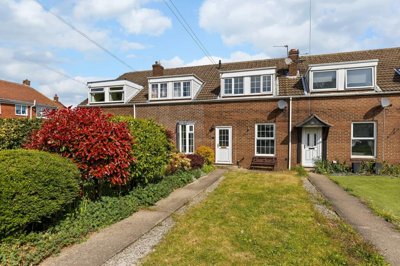
Browse 1 rental home to rent in Beal, North Yorkshire from local letting agents.
Three bedroom properties represent a significant portion of the Beal housing market, offering space for families with multiple reception rooms and gardens in many cases. Browse detached, semi-detached, and terraced options ranging from period character homes to contemporary developments.
£0/m
0
0
0
Source: home.co.uk
Showing 0 results for 3 Bedroom Houses to rent in Beal, North Yorkshire.
Beal is not a large rental hub, so the market feels more personal than competitive chain viewings in a city centre. homedata.co.uk shows an average sold price of £320,000, which puts the village in a mid-market bracket for North Yorkshire, with detached properties averaging £361,250 and semi-detached homes at £237,500. That spread usually means landlords are dealing with practical houses, often suited to couples, families and commuters who want space more than an apartment block. For renters, that often translates into a smaller choice of stock, but better chances of finding a home with a garden, off-street parking or a proper utility area.
The year-on-year price movement also matters, because the local housing stock has re-rated quickly. homedata.co.uk records show prices were 20% up on the previous year and 50% above the 2010 peak of £213,250, which suggests long-term confidence in the area rather than a short-lived spike. Our research did not verify any active new-build schemes within Beal itself, so the best rental opportunities are more likely to come from existing homes returning to the market. If you are timing a move, it helps to watch listings closely and act quickly when a house in the right part of the village appears.

Beal has the feel of a compact North Yorkshire village on the River Aire, with open surroundings and a strong sense of local identity. The parish is shaped by agriculture and by the wider commuter pattern into nearby towns, so daily life tends to be quieter than in the larger settlements around the DN14 area. That is part of the appeal for renters who want a more settled address, especially if they are looking for somewhere with fewer traffic headaches and a slower pace after work. The landscape also matters here, because riverine ground and flat countryside create that broad, open character that many movers notice straight away.
The village history is tied to Kellingley Colliery, once the last operating deep coal mine in the UK, which closed in December 2015. That closure changed the local employment picture, and the area now leans more on agriculture, local services and commuting to nearby employment centres. For renters, that often means choosing a home around school runs, train access from neighbouring towns or a practical drive to work rather than living next door to a major employer. The result is a place that feels lived-in and grounded, with a strong rural edge and a housing market that reflects long-term local demand.
Because Beal sits close to the river, the setting feels especially important when you are choosing a property. Homes here can suit people who enjoy a village environment but still want access to Selby, Knottingley and Pontefract for shopping, healthcare and broader amenities. That balance makes the village attractive to households who want countryside around them without being cut off from everyday life. It also means a viewing should always include a proper check of access routes, parking and any weather-related limitations around the immediate street.
Beal is a small village, so families usually look beyond the immediate parish for day-to-day schooling. We have not found verified Beal-specific Ofsted data in the research pack, which means parents should check the latest inspection reports and catchment maps for the exact address they are considering. In practice, the right school can depend on which side of the local boundary you live on, which year group you need, and how far you are willing to travel each morning. That makes address-level checking more useful here than a broad village overview.
For primary and secondary options, most renters widen the search into the surrounding North Yorkshire and West Yorkshire fringe, especially if they need a school place that works with a commute. Sixth-form and further education choices are also usually found in the nearby towns rather than in Beal itself, so transport links matter as much as league tables. If school access is a priority, build your shortlist around travel time, not just the home itself. A short drive to a strong school often matters more here than being within walking distance of a village centre.
Families moving with older children should also check admissions carefully before signing a tenancy. Catchment areas can change, and a property that looks ideal on paper may not deliver the school place you want if the address falls outside the published boundary. Because Beal has a small-scale housing market, the best family rentals can go quickly when they sit in the right school zone. That is another reason to have your rental budget agreement in principle ready before you start viewing.

Beal works best for renters who are comfortable with regional travel rather than doorstep rail commuting. The village itself does not appear in the research pack with verified station times, so most households plan around nearby towns, local roads and the wider A-road network. That suits people heading towards Selby, Knottingley or Pontefract for work, and it can also suit hybrid workers who only need to be in the office a few days a week. If you depend on public transport every day, check the exact route and timetable before you commit to a tenancy.
Road access is one of Beal's practical strengths, especially for anyone commuting across the North Yorkshire and West Yorkshire boundary. Parking is usually easier in a village setting than in a dense town centre, though that can vary with the age and layout of the property. Bus services are worth checking carefully because rural routes can be limited outside peak periods, weekends and school terms. Drivers should also think about winter conditions and river-side roads, since a short commute in dry weather can take longer when the weather turns.
Cyclists may find the open landscape appealing, but route quality depends on the local road network and the confidence of the rider. That makes Beal more attractive to households with a car, a flexible work pattern or a willingness to combine driving and rail from a nearby station. For anyone comparing homes, travel time to work often matters more than distance on a map. A property that saves ten minutes on the school run can be worth more than a slightly larger house if your routine is already tight.
The first thing to check in Beal is flood exposure, because the village sits on the River Aire and the research pack flags river and surface water flood risk close to the watercourse and tributaries. Ask the landlord or letting agent whether the property has ever been affected by flooding, and look at the threshold level, drainage and any signs of past water ingress around skirtings and air bricks. For ground-floor homes, also ask how the property copes in prolonged heavy rain. A good viewing here includes a careful look at the street, not just the rooms.
Older properties can bring the usual issues that matter in riverine and rural areas, including damp, roof wear, timber defects and outdated electrics. The wider geology may include clay-rich ground and historical mining influence from the former Kellingley Colliery area, so movement and subsidence questions are worth asking at an early stage. Even if you are renting rather than buying, it helps to inspect for cracking, uneven floors and signs of patch repairs that might point to a longer-running problem. The village also has traditional brick housing in keeping with Yorkshire settlement patterns, so walls, pointing and guttering deserve a close look.
Conservation restrictions and listed-building issues were not clearly identified in the research pack, but any older home can still have practical limits on alterations, storage or external changes. Flats, if you find one, should be checked for service charges, shared maintenance arrangements and the standard of communal repairs, because those costs can shape your monthly budget more than the advertised rent. Ask for an EPC and consider how heating performs in winter, since a rural property can feel expensive if it leaks heat or has poor insulation. A careful viewing in Beal should always cover water, warmth, parking and access, not just the number of bedrooms.
Get your rental budget agreement in principle sorted before you view anything, then decide the highest monthly rent and upfront deposit you can handle comfortably.
Check the street layout, road access, flood exposure and commute pattern, because Beal's appeal depends as much on location within the village as on the property itself.
Ask about heating, drainage, parking, broadband, council tax and any past water issues so you can compare homes on the same terms.
Review the tenancy agreement, deposit protection, referencing requirements and EPC, and ask for an inventory before you hand over money.
Prepare ID, proof of income and previous landlord details early, because a smaller village market can move faster than expected when the right home appears.
Confirm key handover, meter readings, utility setup and first rent payment before you collect the keys, then keep copies of every document.
We do not have a verified average rent figure for Beal in the research pack, so the best live guide is the current inventory on home.co.uk. For context, homedata.co.uk records show an average sold price of £320,000, with detached homes at £361,250 and semi-detached homes at £237,500. Those values suggest that many local rentals will be houses rather than flats, especially for families and commuters. If you want a sharper rent estimate, compare the latest listings with property type, garden size and parking.
Beal falls under North Yorkshire Council, but council tax banding is set by individual property rather than by the village as a whole. A detached house, semi-detached home or older cottage can all sit in different bands depending on size, age and official valuation history. The safest approach is to check the exact address before you sign a tenancy, because the monthly cost can differ more than many renters expect. Your letting agent should confirm the band for the property you are viewing.
We have not found verified Beal-specific school performance data in the research pack, so the best school will depend on the exact address and age group you need. Families usually widen the search into nearby towns for primary, secondary, sixth-form and college options, then compare the latest Ofsted reports and catchment maps. Because catchments can shift, an attractive house is not always the right house for school access. Always check admissions against the property address before you commit.
Beal is more suited to regional travel than to a train-at-the-door commute. The research pack does not include verified station times for the village itself, so renters should plan around nearby towns, road links and local bus routes. That works well for drivers and hybrid workers, but less well for people who rely on frequent late-evening services. Before you view, test the actual route you would use on a normal weekday.
For the right renter, yes. Beal offers a quiet village setting on the River Aire, access to surrounding employment centres and a housing stock that often feels more spacious than a town-centre flat market. The trade-off is that you usually need to be comfortable with car-based travel, flood-awareness checks and a smaller choice of homes. If you value space, a rural backdrop and a steadier pace, Beal can work very well.
For renting, you should expect the holding deposit, tenancy deposit, first month's rent and any moving costs such as removals or utility setup. The exact deposit amount depends on the landlord and the rent level, so always ask for the full upfront figure before you apply. If you are also comparing a future purchase in the area, the current stamp duty thresholds are 0% up to £250,000, 5% from £250,000 to £925,000, 10% from £925,000 to £1.5 million and 12% above £1.5 million. First-time buyers have 0% up to £425,000 and 5% from £425,000 to £625,000, with no relief above that level.
Start with flood history, drainage and any marks of past damp, then move on to roof condition, window seals and external brickwork. The river setting means surface water and river flooding deserve a closer look than they might in a town-centre rental. Ask where bins, meters and parking spaces sit in relation to the house, especially if the lane narrows in wet weather. A careful five-minute check outside can save a lot of trouble later.
From 4.5%
Compare rental budget rates and find the best deal before you start viewing
From £499
Prepare your application and help local landlords verify your details quickly
From £350
Check older Beal homes for damp, roof wear and movement before you commit
From £120
Review energy efficiency and running costs for a Beal rental
Renting in Beal is usually about getting the upfront numbers right, because a village move can look affordable until the deposit and first month's rent are added together. We always recommend getting your rental budget agreement in principle sorted before you book viewings, since that keeps your search grounded in real numbers rather than wishful thinking. On top of the tenancy deposit, remember the holding deposit, moving costs, utilities, furniture and any travel expense linked to a more rural commute. If a home has off-street parking, a garden or a larger plot, those practical benefits can justify a slightly higher monthly outlay.
Should you later decide that buying in Beal makes more sense, the current stamp duty thresholds are 0% up to £250,000, 5% from £250,000 to £925,000, 10% from £925,000 to £1.5 million and 12% above £1.5 million. First-time buyers get 0% up to £425,000 and 5% from £425,000 to £625,000, with no relief above £625,000. That matters because some renters in small villages start by comparing rent with the long-term cost of ownership in the same place. Even if you stay in the rental market, understanding those price bands gives you a better sense of how the local market is positioned.
Beal's sold-price context also helps you judge whether a home is sensibly priced for the area. homedata.co.uk shows the average at £320,000, which places the village in a solid mid-range bracket, while detached and semi-detached homes sit at £361,250 and £237,500 respectively. Those figures are not rental quotes, but they do show the type of housing stock landlords are working with. In a place like Beal, a well-kept house with sensible heating costs and good flood resilience can be worth more than a cheaper property that needs constant attention.
Properties to Rent In London

Properties to Rent In Plymouth

Properties to Rent In Liverpool

Properties to Rent In Glasgow

Properties to Rent In Sheffield

Properties to Rent In Edinburgh

Properties to Rent In Coventry

Properties to Rent In Bradford

Properties to Rent In Manchester

Properties to Rent In Birmingham

Properties to Rent In Bristol

Properties to Rent In Oxford

Properties to Rent In Leicester

Properties to Rent In Newcastle

Properties to Rent In Leeds

Properties to Rent In Southampton

Properties to Rent In Cardiff

Properties to Rent In Nottingham

Properties to Rent In Norwich

Properties to Rent In Brighton

Properties to Rent In Derby

Properties to Rent In Portsmouth

Properties to Rent In Northampton

Properties to Rent In Milton Keynes

Properties to Rent In Bournemouth

Properties to Rent In Bolton

Properties to Rent In Swansea

Properties to Rent In Swindon

Properties to Rent In Peterborough

Properties to Rent In Wolverhampton

Enter your details to see if this property is within your budget.
Loans, cards, car finance
Estimated property budget
Borrowing + deposit
You could borrow between
Typical borrowing
Monthly repayment
Est. at 4.5%
Loan-to-value
This is an estimate only. Your actual budget may vary depending on interest rates, credit history, and personal circumstances. For an accurate affordability assessment, speak to one of our free mortgage advisors.
This calculator provides estimates for illustrative purposes only and does not constitute financial advice. Your home may be repossessed if you do not keep up repayments on your mortgage. Estimates based on 4.5% interest rate, repayment mortgage. Actual rates depend on your circumstances.
Homemove is a trading name of HM Haus Group Ltd (Company No. 13873779, registered in England & Wales). Homemove Mortgages Ltd (Company No. 15947693) is an Appointed Representative of TMG Direct Limited, trading as TMG Mortgage Network, which is authorised and regulated by the Financial Conduct Authority (FRN 786245). Homemove Mortgages Ltd is entered on the FCA Register as an Appointed Representative (FRN 1022429). You can check registrations at NewRegister or by calling 0800 111 6768.

We use cookies to show you personalised content and improve your experience of our website. Find out more in our Privacy policy and Cookie policy.