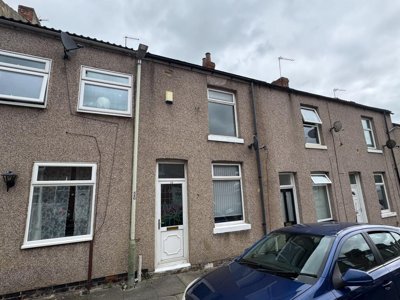
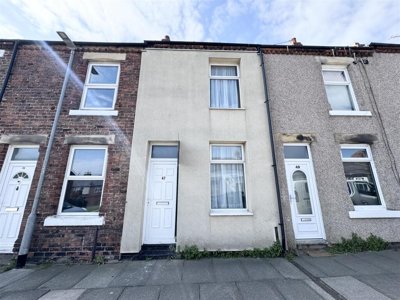
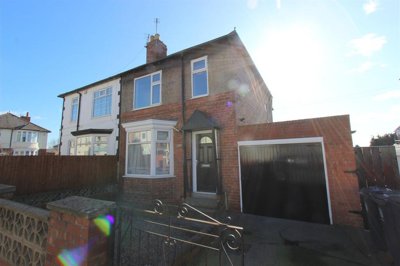
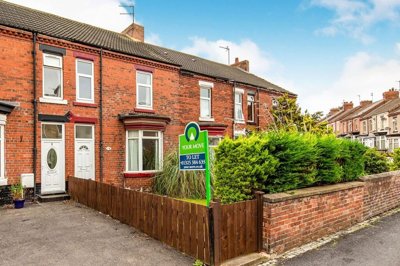
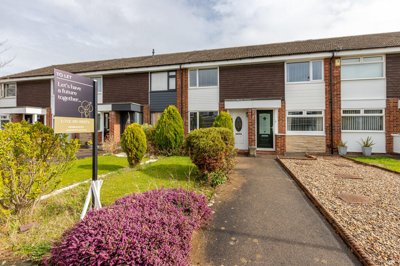
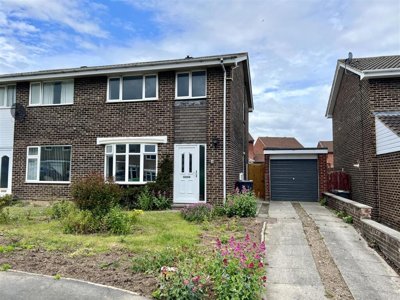
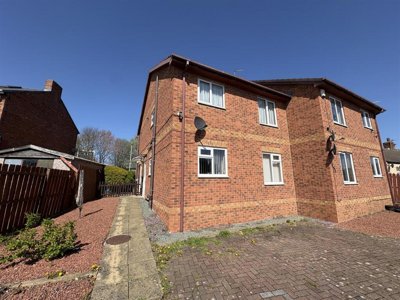
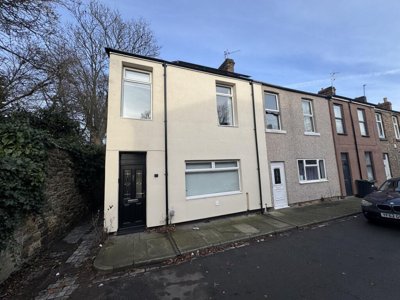
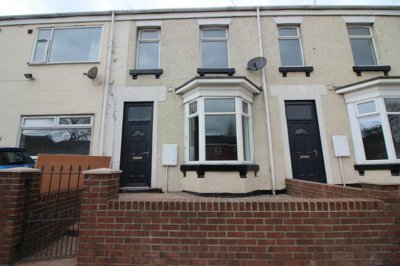
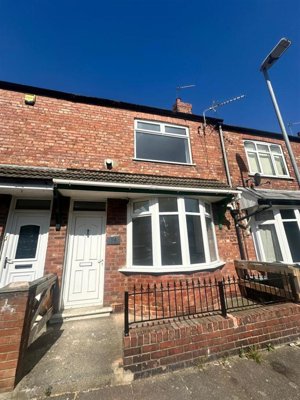
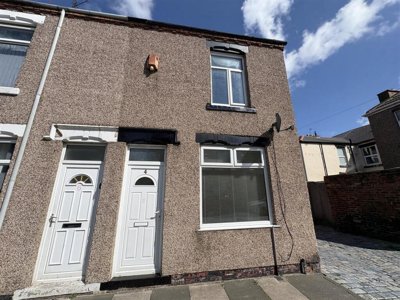
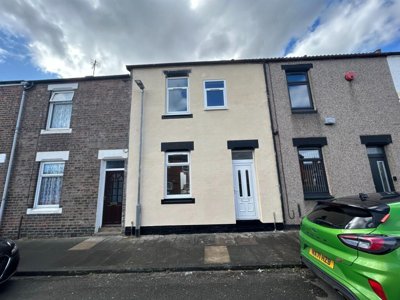
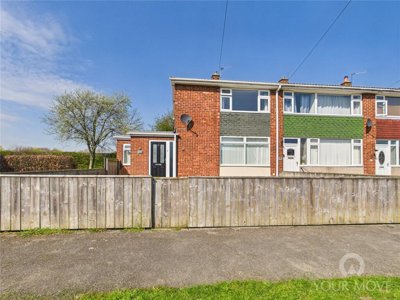
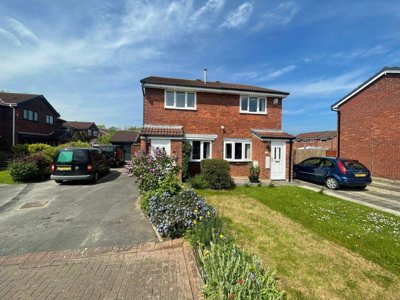
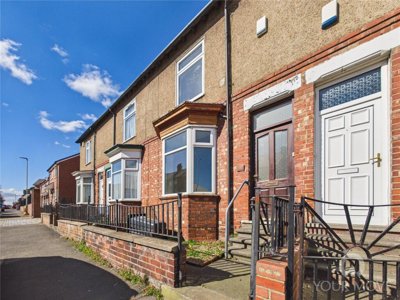
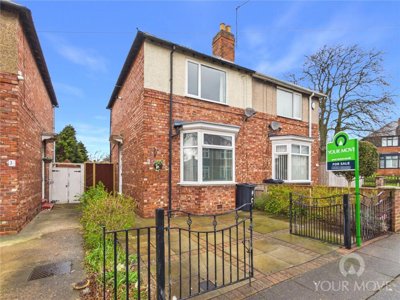
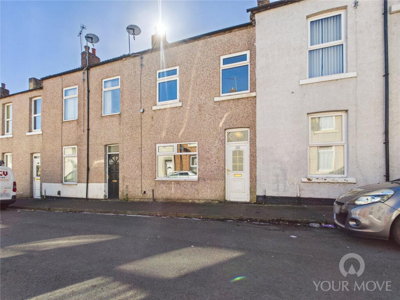
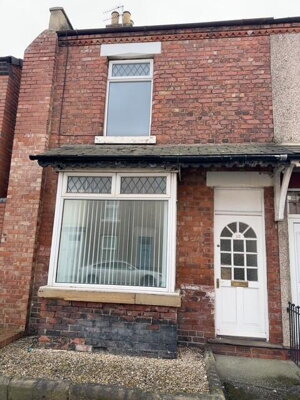
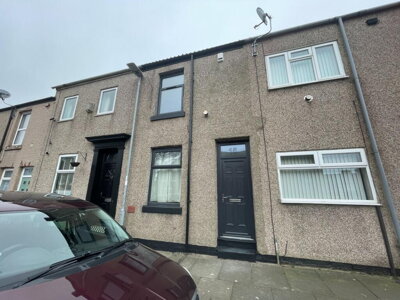
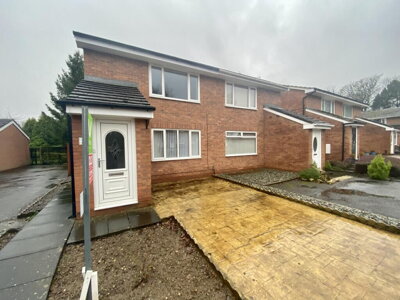
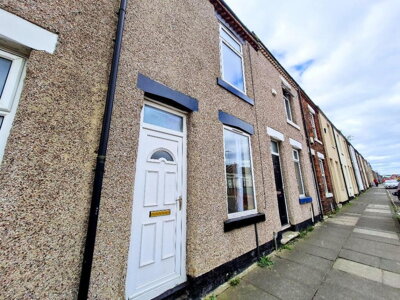
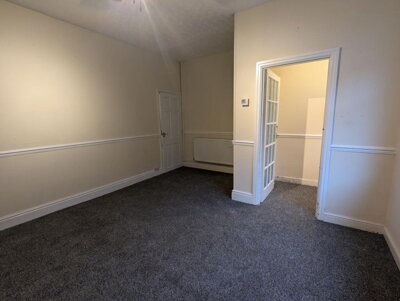
Browse 26 rental homes to rent in Barmpton, Darlington from local letting agents.
£0/m
0
0
0
Source: home.co.uk
The rental market in Barmpton offers a distinctive selection of properties that reflect the village's historic character and rural setting. Properties in this area tend to be predominantly detached and semi-detached houses, consistent with Barmpton's village status and traditional architecture. The presence of Barmpton Hall, a notable historic manor house dating from the late 18th century with early 19th-century additions, suggests that the village contains a mix of period properties alongside more contemporary homes. This variety means renters can find everything from charming traditional cottages to spacious family houses depending on their needs and budget.
Recent sales data for Barmpton Lane shows average property values of £244,000 as of February 2025, with some properties achieving higher values depending on size and condition. A notable example includes a six-bedroom detached house on Barmpton Lane listed for £800,000, demonstrating that the area also accommodates premium family homes. For renters, this sales data provides useful context about property values and the type of homes available in the village. homedata.co.uk records approximately 20 properties with sold prices in the Barmpton area, indicating steady transaction activity despite the village's small size.
Rental prices in the wider Darlington area typically range from £450-£700 per month for standard two-bedroom houses, with larger family homes commanding higher rents. Properties in Barmpton itself may command a premium due to the village's rural character and proximity to Darlington, so prospective tenants should compare specific listings to get accurate current pricing for properties that meet their requirements. Our platform aggregates listings from local estate agents, giving you access to the latest properties to rent in Barmpton and the surrounding Darlington area.

Life in Barmpton revolves around community spirit and the beautiful North East countryside. The village sits along the River Skerne, a tributary of the River Tees, which contributes to the area's pleasant rural landscape and provides opportunities for scenic walks along the waterway. The village has grown significantly since the 2011 Census, when fewer than 100 residents were recorded, to 218 residents by 2021, suggesting increased interest in this tranquil location. This growth reflects the appeal of village living within commuting distance of larger towns, where residents can enjoy space and tranquility while remaining connected to urban employment and amenities.
The local geology of Barmpton consists of productive clay with some gravel deposits, a characteristic that influences both the agricultural potential of the surrounding land and considerations for property foundations. The clay soil indicates a shrink-swell risk that homeowners and renters should be aware of, particularly for older properties with shallower foundations. This geological feature is common throughout County Durham and affects how properties perform during periods of drought or heavy rainfall. Properties with existing subsidence indicators should be surveyed thoroughly before committing to a rental agreement.
Historic properties like Barmpton Hall showcase traditional construction methods typical of County Durham, featuring the brick and stonework that characterises many homes in this part of the Tees Valley. The village's agricultural heritage, historically linked to farming operations that improved shorthorned cattle breeds, adds to its distinctive character and sense of local history. For renters seeking an authentic village experience with strong community connections, Barmpton offers a rare combination of rural charm and accessibility that increasingly appeals to discerning tenants looking to escape larger urban centres.

Families considering renting in Barmpton will find educational options available in the surrounding Darlington area, with primary and secondary schools within easy reach of the village. The wider Darlington borough offers a range of Ofsted-rated schools, including both primary schools serving younger children and secondary schools for older students. Parents should research specific school catchment areas and admissions criteria when planning a move to Barmpton, as school places can be competitive in popular areas. The presence of several faith schools and academies in Darlington provides additional choices for families seeking particular educational approaches or curricula.
Key primary schools serving the Barmpton area include Borough Road Primary School, which has earned recognition for its inclusive approach and strong academic results. Haughton Academy serves secondary students from the local community and has achieved good Ofsted ratings in recent inspections. Additional options within the Darlington borough include St Mary's Catholic Primary School and the Federation of Stainton and Coatham Mace primary schools, providing families with diverse educational choices depending on their preferences and proximity to their rental property.
For higher education and further studies, students from Barmpton have access to colleges and universities in Darlington itself, as well as the wider North East region. Teesside University in Middlesbrough and Durham University are both accessible for older students pursuing undergraduate or postgraduate degrees. The village's position within the Sadberge and Middleton St George ward means that local council services, including school admissions information, fall under the administration of Darlington Borough Council. Families are encouraged to contact the local council or specific schools directly to confirm current admissions arrangements and available places before committing to a rental property.

Transport connectivity from Barmpton benefits from the village's position within the Tees Valley and proximity to major road networks. While Barmpton itself is a small settlement without its own railway station, the nearby town of Darlington provides excellent rail connections with regular services to major cities including London, Edinburgh, and Newcastle. Darlington Station offers quick access to the East Coast Main Line, making commuting to London possible in around two and a half hours. For those working in the Tees Valley region, the A66 and A1(M) provide road connections to towns including Middlesbrough, Stockton-on-Tees, and Hartlepool.
The A1(M) motorway junction is accessible within minutes from Barmpton, placing the village on a key north-south corridor connecting Newcastle to Leeds and beyond. The A66 provides an east-west route through the Tees Valley, linking Darlington with Middlesbrough and offering connections to the A19 for travel to Sunderland and the North East coast. For commuters working in Teesside's chemical and process industries, the excellent road connections from Barmpton make daily travel feasible while enjoying village living. Parking at Darlington Station is available for those combining rail travel with driving.
Local bus services connect Barmpton with Darlington town centre, enabling residents without cars to access shops, healthcare facilities, and other amenities. The village's position near the River Skerne means that cycling routes are available for shorter journeys, though the rural nature of some local roads requires care when cycling. Parking provision varies by property, with houses typically offering off-street parking while flats in converted buildings may have limited parking facilities. Residents working in Darlington town centre can benefit from short commute times, particularly during off-peak hours, making Barmpton an attractive option for those seeking a rural home with urban employment accessibility.

Before viewing properties, spend time in Barmpton at different times of day to understand the village atmosphere, noise levels, and community dynamics. Check local amenities in nearby Darlington, verify broadband speeds, and consider your commuting requirements carefully. Visit at weekends and evenings to gauge noise from any nearby farms or agricultural activity, as well as to experience the full community atmosphere.
Obtain a rental budget agreement in principle before starting your property search. This document from a lender shows your maximum monthly rent affordability, demonstrating to landlords that you are a serious and financially qualified applicant. Most agents and landlords in Barmpton expect to see this before agreeing to viewings. Having your budget in principle ready can give you a competitive edge when rental properties become available in this sought-after village location.
Once you have your budget agreement, arrange viewings of available properties to rent in Barmpton and the surrounding area. Take notes during each viewing, photograph rooms for later reference, and ask the agent or landlord about lease terms, included fixtures, and any restrictions. When viewing period properties, check for signs of damp, examine window frames for rot, and assess the condition of any included appliances.
For older rental properties in Barmpton, particularly those with clay soil proximity or near the River Skerne, a RICS Level 2 Survey can identify potential issues before you commit. This is especially valuable for period properties where damp, subsidence, or timber defects may be present. Given the clay geology that creates shrink-swell risk, a professional survey can highlight foundation concerns or previous movement that may affect your tenancy. Book through Homemove from £350.
When you find the right property, submit your rental application promptly with all required documentation including proof of identity, income verification, and references. Be prepared to pay a holding deposit to take the property off the market while referencing is completed. In Barmpton's tight-knit rental market, quick action on desirable properties can make the difference between securing your home and missing out to another applicant.
Once referencing is satisfactory, you will receive your tenancy agreement for signature. Review the terms carefully, confirm the deposit amount and protection scheme details, and note the inventory check date before moving into your new Barmpton home. Ensure you receive confirmation that your deposit will be protected in a government-approved scheme within 30 days of receipt, as required by law.
Renting in a village like Barmpton requires specific considerations that differ from urban rental searches. The presence of clay soil throughout the area means potential tenants should pay close attention to property foundations and signs of subsidence or ground movement. Look for cracking in walls, doors that stick or do not close properly, and uneven floors, particularly in older properties. Properties near the River Skerne may face flood risk during periods of heavy rainfall, so check the property's flood history and any flood prevention measures that have been installed.
Conservation considerations are important in Barmpton given the village's historic character and the presence of listed buildings like Barmpton Hall. If you are renting a period property, be aware that consent may be required for certain alterations, and restrictions on modifications could affect your ability to personalise the home. Check the property's council tax band and factor this into your monthly budget alongside rent and utility costs. For flats and converted properties, review the service charge arrangements and ground rent terms, as these ongoing costs can significantly affect the overall affordability of a rental property.
Given Barmpton's village status and the age of many properties, a thorough inspection of the property condition before committing is essential. Pay particular attention to roof condition on period properties, as older tiles and leadwork can deteriorate over time and lead to costly repairs. Check the electrical consumer unit for modern safety features, and enquire about the age and condition of the boiler and heating system. Properties in Barmpton with gardens may require maintenance during tenancy, so factor in the time and cost of garden care when budgeting for your move. Asking the landlord or agent about any planned maintenance or recent upgrades can help you assess the overall condition of the property before signing your tenancy agreement.

Specific rental price data for Barmpton itself is limited due to the village's small size, but rental prices in the wider Darlington area typically range from £450-£700 per month for standard two-bedroom houses, with larger family homes commanding higher rents. Properties in Barmpton may command a premium due to the village's rural character and proximity to Darlington, so prospective tenants should compare specific listings to get accurate current pricing for properties that meet their requirements. Three-bedroom family homes in the surrounding Darlington area commonly achieve rents of £750-£950 per month, while premium detached properties may exceed £1,000 monthly.
Properties in Barmpton fall under Darlington Borough Council, and council tax bands range from A to H depending on property value and type. Most standard three-bedroom houses in the area typically fall into bands B or C, while larger or more valuable properties may be in higher bands. You can check specific council tax bands for properties through the Valuation Office Agency website or by contacting Darlington Borough Council directly. Current rates for Darlington Borough Council can be confirmed before your move to ensure accurate monthly budgeting alongside your rent payments.
The best schools for Barmpton residents are located in nearby Darlington, with several primary and secondary schools rated Good or Outstanding by Ofsted. Schools such as Borough Road Primary School and Haughton Academy serve the local community with good reputations for academic achievement and student welfare. Parents should verify current school catchments, as these can change, and consider school transport arrangements when choosing a rental property in Barmpton. The admissions process is managed through Darlington Borough Council, and applications can be submitted through their online portal for primary and secondary school places.
Barmpton has limited public transport within the village itself, but bus services connect the village to Darlington town centre where mainline rail services are available. Darlington Station provides direct trains to London, Edinburgh, Newcastle, and other major destinations, with London services taking approximately two and a half hours. Residents without cars should factor bus timetables into their daily routines, as services may be infrequent during evenings and weekends. The nearest bus stops are located on routes serving the Darlington to Middleton St George corridor, and timetables can be obtained through the Darlington Borough Council website or local bus operators.
Barmpton offers an excellent quality of life for renters seeking a peaceful village environment with good connectivity to larger towns. The village has grown in popularity, as shown by the population increase from under 100 in 2011 to 218 in 2021, reflecting its appeal to families and professionals who appreciate rural charm combined with urban accessibility. The main consideration is the limited local amenities within the village itself, though Darlington's facilities are easily accessible by car or bus. For those who value countryside walks, community atmosphere, and easy access to major road and rail networks, Barmpton represents an attractive rental location in the Tees Valley.
Standard deposits for rental properties in Barmpton are typically five weeks' rent, capped at five weeks' rent where the annual rent exceeds £50,000. Tenant fees in England are regulated under the Tenant Fees Act 2019, so agents cannot charge viewing fees or referencing fees to tenants, though they may pass on reasonable costs for things like early termination requests if initiated by the tenant. Holding deposits are limited to one week's rent and are deductible from your final move-in costs. Budget for your first month's rent in advance plus deposit to secure a property, and ensure your deposit is protected in a government-approved scheme within 30 days of payment.
Barmpton sits on the River Skerne, a tributary of the River Tees, which means properties near the river or in low-lying areas may face some flood risk during periods of heavy rainfall or snowmelt. The clay soil prevalent in the area also contributes to surface water drainage challenges, as clay absorbs water slowly and can lead to standing water during intense rainfall. Prospective renters should ask the landlord or agent about any previous flooding incidents, check the property's flood resilience measures, and consider taking out contents insurance that covers flood damage. The government flood warning service provides real-time alerts for properties in flood risk areas, and registering for notifications can help tenants prepare for potential incidents.
Get pre-approved for your rental budget
From 4.5%
Professional tenant referencing and credit checks
From £299
Professional property survey for older homes
From £350
Energy performance certificate for your rental
From £85
Understanding the full cost of renting in Barmpton helps you budget effectively and avoid surprises when securing your new home. The initial move-in costs typically include the first month's rent in advance plus a security deposit equivalent to five weeks' rent, which is capped at five weeks where annual rent exceeds £50,000. For a typical two-bedroom house in Barmpton renting at £600 per month, you would need approximately £1,200 for the first month's rent plus £692 for the deposit, totalling around £1,892 before accounting for any removal costs or furniture purchases.
Since the Tenant Fees Act 2019 came into force, most upfront fees charged by agents to tenants have been banned in England, meaning you should not be asked to pay referencing fees, administration charges, or check-in fees when moving into a rental property. Permitted payments include rent, deposits (capped as above), holding deposits (one week's rent), and payments for early termination at the landlord's request. Always request an itemised breakdown of costs before committing to a property, and ensure your deposit is protected in a government-approved scheme within 30 days of receiving it. The three approved deposit protection schemes in England are the Deposit Protection Service, MyDeposits, and the Tenancy Deposit Scheme.
Your deposit protection certificate must be provided to you within 30 days of the landlord receiving it, and this documentation should be kept safely throughout your tenancy. At the end of your tenancy, the deposit return process involves a check-out inspection comparing the property condition to the original inventory, with any deductions for damage or unpaid rent discussed and justified by the landlord. If disputes arise over deposit deductions, the protection scheme provides a free dispute resolution service to help resolve disagreements fairly. First-time renters budgeting for their move should also consider costs such as removal services, contents insurance, and any new furniture or white goods needed for the property.
Properties to Rent In London

Properties to Rent In Plymouth

Properties to Rent In Liverpool

Properties to Rent In Glasgow

Properties to Rent In Sheffield

Properties to Rent In Edinburgh

Properties to Rent In Coventry

Properties to Rent In Bradford

Properties to Rent In Manchester

Properties to Rent In Birmingham

Properties to Rent In Bristol

Properties to Rent In Oxford

Properties to Rent In Leicester

Properties to Rent In Newcastle

Properties to Rent In Leeds

Properties to Rent In Southampton

Properties to Rent In Cardiff

Properties to Rent In Nottingham

Properties to Rent In Norwich

Properties to Rent In Brighton

Properties to Rent In Derby

Properties to Rent In Portsmouth

Properties to Rent In Northampton

Properties to Rent In Milton Keynes

Properties to Rent In Bournemouth

Properties to Rent In Bolton

Properties to Rent In Swansea

Properties to Rent In Swindon

Properties to Rent In Peterborough

Properties to Rent In Wolverhampton

Enter your details to see if this property is within your budget.
Loans, cards, car finance
Estimated property budget
Borrowing + deposit
You could borrow between
Typical borrowing
Monthly repayment
Est. at 4.5%
Loan-to-value
This is an estimate only. Your actual budget may vary depending on interest rates, credit history, and personal circumstances. For an accurate affordability assessment, speak to one of our free mortgage advisors.
This calculator provides estimates for illustrative purposes only and does not constitute financial advice. Your home may be repossessed if you do not keep up repayments on your mortgage. Estimates based on 4.5% interest rate, repayment mortgage. Actual rates depend on your circumstances.
Homemove is a trading name of HM Haus Group Ltd (Company No. 13873779, registered in England & Wales). Homemove Mortgages Ltd (Company No. 15947693) is an Appointed Representative of TMG Direct Limited, trading as TMG Mortgage Network, which is authorised and regulated by the Financial Conduct Authority (FRN 786245). Homemove Mortgages Ltd is entered on the FCA Register as an Appointed Representative (FRN 1022429). You can check registrations at NewRegister or by calling 0800 111 6768.

We use cookies to show you personalised content and improve your experience of our website. Find out more in our Privacy policy and Cookie policy.